




Wildlife Trade Regulations Impact | Fur & Exotic Pet Sellers Face 2026 Compliance Surge
- Science study links 50% pathogen risk to traded species; governments tightening CITES enforcement affecting fur, exotic pet, and animal product categories with stricter customs documentation and potential market access restrictions



Overview
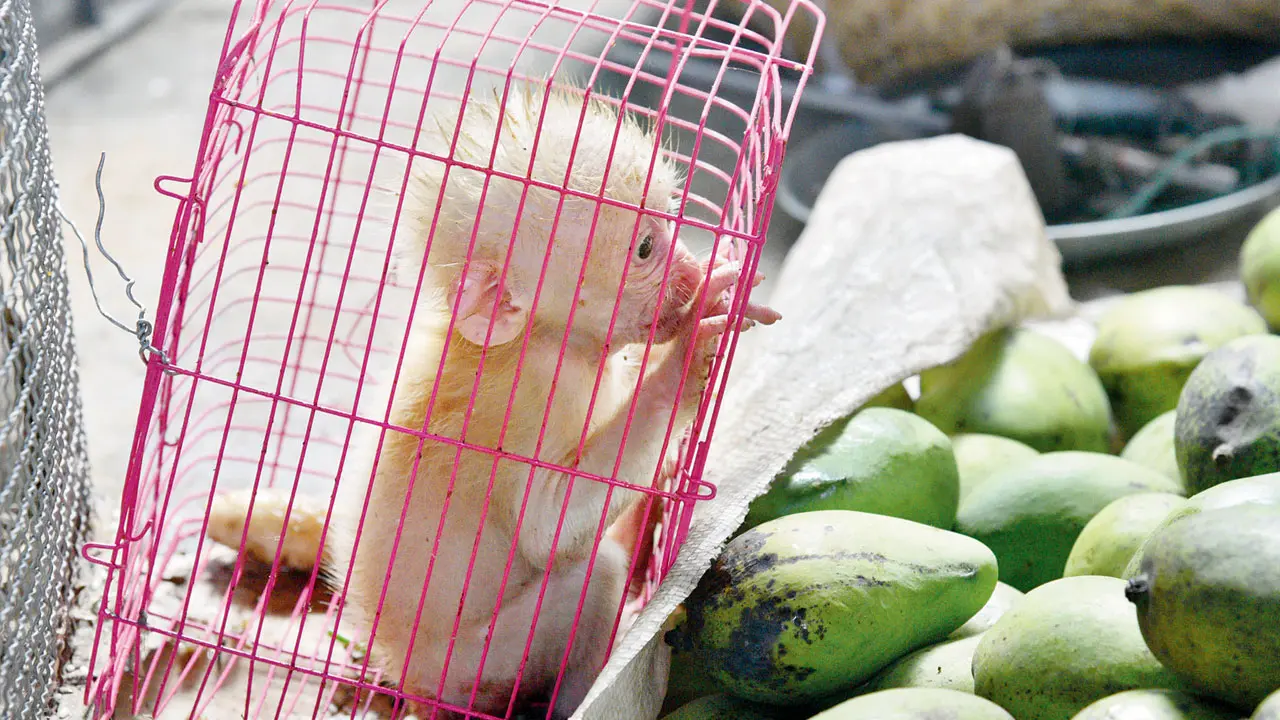
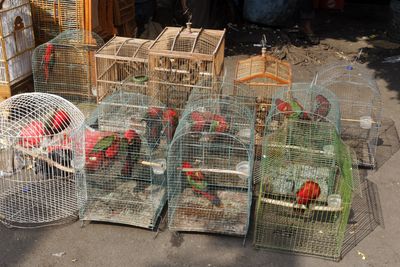
A landmark April 2026 study published in Science by Jerome Gippet and colleagues reveals that wildlife species engaged in international trade are 50% more likely to carry human pathogens than non-traded species, with risk escalating proportionally to trade duration. Analyzing 40 years of international trade records across thousands of wild mammal species, the research directly links global wildlife trade networks to zoonotic disease spillover, including Ebola, mpox, and salmonella transmission pathways. The study identifies live animal markets and illegal wildlife trade as primary vectors, with historical evidence suggesting COVID-19 originated at a live animal market in Wuhan, China.
For cross-border e-commerce sellers, this research creates immediate regulatory headwinds. Governments worldwide are implementing stricter controls on wildlife product imports and sales, particularly targeting fur, exotic pets, and animal product categories. The scientific justification provided by this study will accelerate enforcement of existing CITES (Convention on International Trade in Endangered Species) frameworks and likely trigger expansion of wildlife trade restrictions. E-commerce platforms including Amazon, eBay, and Shopify face mounting pressure to implement stricter listing policies for wildlife-derived goods, mirroring recent actions on other restricted categories. Sellers currently trading in animal products should anticipate increased compliance burdens including enhanced customs inspections, expanded documentation requirements, and potential market access restrictions in multiple jurisdictions.
Operational impact varies by seller segment and geography. Sellers in fur, exotic pet, and animal product categories face the highest risk, with potential outcomes including: (1) Inventory restrictions on major platforms (Amazon, eBay) requiring CITES permits or certificates of origin; (2) Customs delays of 2-4 weeks for shipments requiring additional pathogen/disease documentation; (3) Market access denial in EU, UK, and increasingly strict jurisdictions implementing precautionary wildlife trade policies; (4) Compliance costs of $500-2,000 per product line for documentation, testing, and regulatory consultation. The research provides scientific justification for governments to expand restrictions beyond endangered species to include common traded species, potentially affecting sellers of leather goods, wool products, and animal-derived supplements.
Strategic implications extend beyond direct wildlife product sellers. Supply chain partners including logistics providers, customs brokers, and testing laboratories will experience increased demand for compliance services. E-commerce platforms will likely implement automated flagging systems for wildlife-derived products, requiring sellers to provide CITES permits, health certificates, or pathogen testing documentation before listings activate. The regulatory environment will increasingly favor sellers offering synthetic alternatives (faux fur, lab-grown leather, plant-based supplements) and certified sustainable animal products with full traceability documentation.
Questions 8
How much will compliance costs increase for wildlife product sellers?
Compliance costs will likely increase $500-2,000 per product line depending on category and destination market. Costs include: regulatory consultation ($300-500), CITES permit applications ($200-400), health/veterinary certificates ($150-300), pathogen testing ($200-600), and customs broker fees ($100-200 per shipment). Sellers shipping to EU, UK, and strict jurisdictions face higher costs due to precautionary policies. Sellers should factor these costs into pricing and consider whether margins support continued trading in high-risk categories.
Will this study affect sellers of leather goods, wool, and bone products?
Yes, potentially. While the study focuses on live animal trade and exotic pets, the research's emphasis on pathogen transmission from traded species could justify regulatory expansion to include common animal-derived products. Leather, wool, bone, and shell products may face increased scrutiny, particularly if sourced from countries with weak biosecurity standards. Sellers should obtain detailed sourcing documentation and consider certifications proving safe handling and pathogen testing. Products with clear traceability and certified sustainable sourcing will face fewer regulatory barriers.