




Gold, Tariffs, and Trade: How Trump's Policy Uncertainty Reshaped U.S. Economic Dynamics
- Reveals the strategic impact of tariff speculation on cross-border trade for global sellers





























Overview
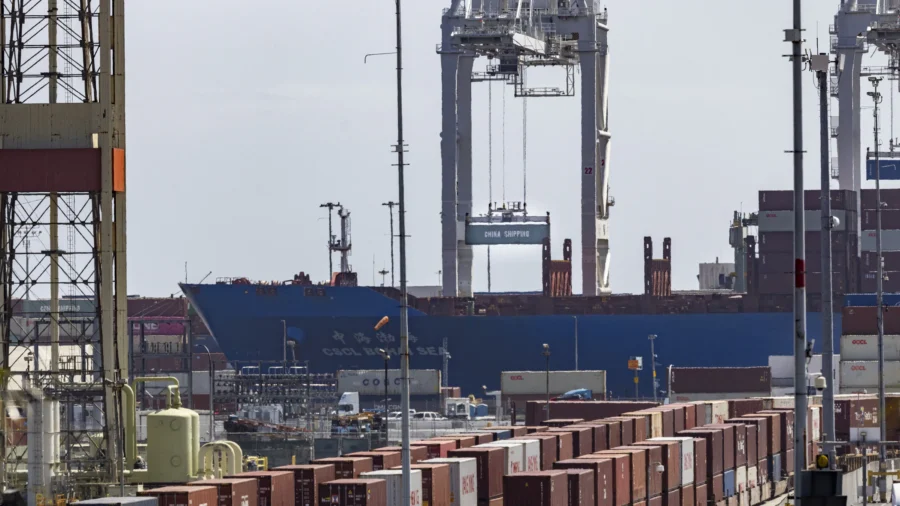
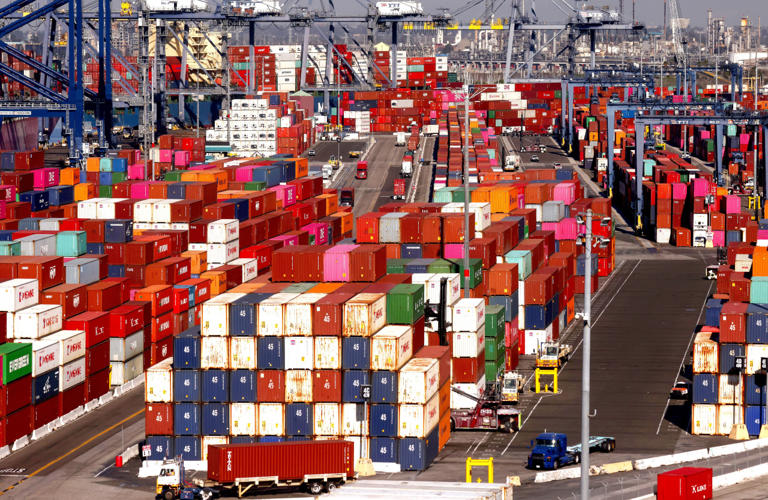
The U.S. trade landscape in September 2025 offers a fascinating case study of how policy uncertainty can dramatically reshape international economic interactions. The trade deficit narrowed to $52.8 billion—its lowest point in five years—driven by a complex interplay of tariff speculation and strategic market responses, particularly in the gold trade.
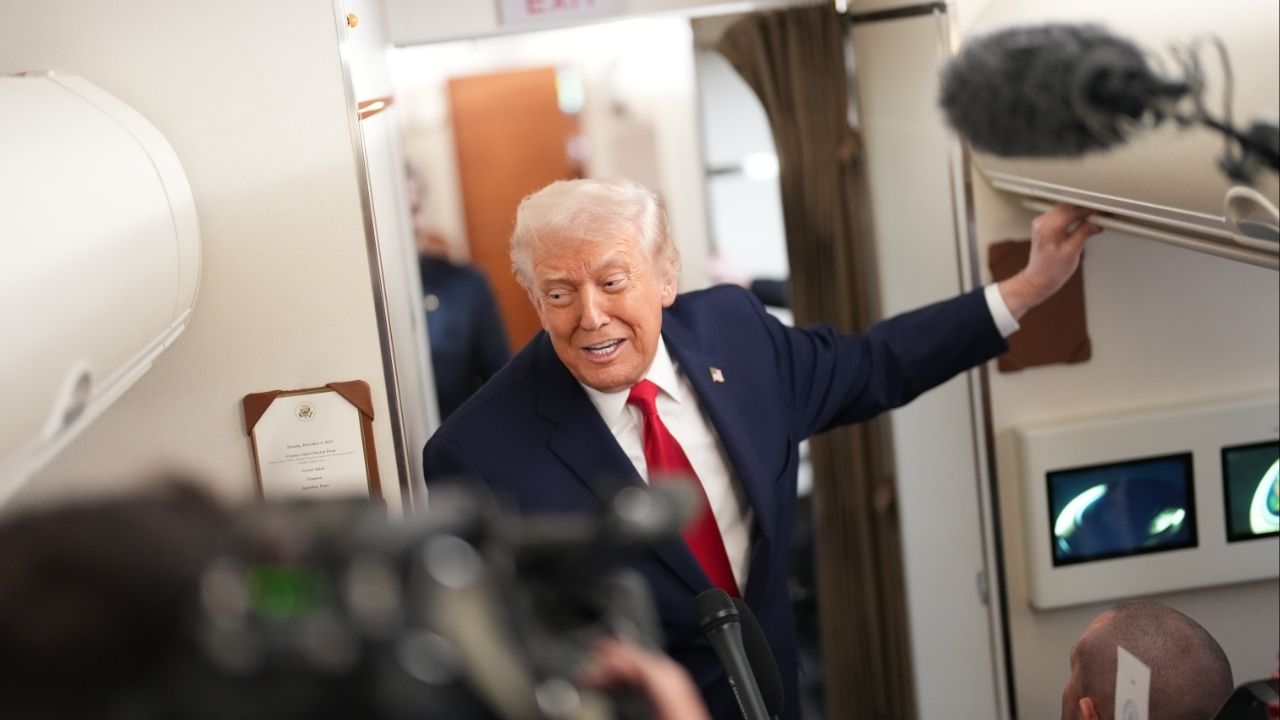
The most striking dynamic emerged from the gold market volatility, where dealers and investors demonstrated remarkable agility in response to potential tariff threats. Early in the year, U.S. dealers rapidly imported gold bars from Europe, anticipating potential tariffs. When U.S. Customs initially suggested tariffs might apply to Swiss gold imports, market participants went into a speculative frenzy. President Trump's subsequent clarification on Truth Social that gold would not be tariffed triggered a $6.1 billion reversal in gold shipments.
This episode reveals a critical insight: in today's hyper-connected global economy, policy communication can be as impactful as the policies themselves. Businesses demonstrated an extraordinary ability to pivot rapidly, with gold dealers adjusting strategies within days based on presidential communications. The year-to-date trade deficit, while 17% larger than the previous year, reflects a broader pattern of strategic import stockpiling and market anticipation.
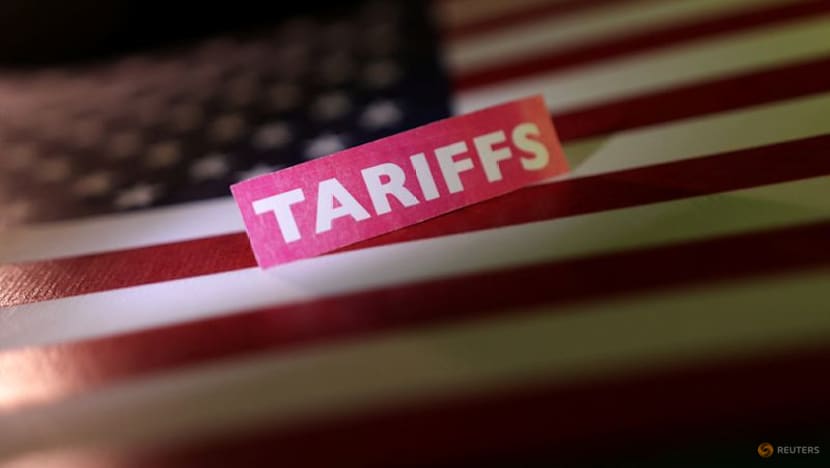
Economists like Grace Zwemmer from Oxford Economics caution against oversimplifying these dynamics. While Trump's tariff policies aimed to reduce trade imbalances, the underlying trade balance is ultimately determined by complex saving and investment patterns. The modest import growth of 0.6% and export increase of 3% suggest that tariff interventions can create short-term market disruptions, but long-term economic fundamentals remain more determinative.
For cross-border sellers and traders, the key takeaway is the critical importance of policy monitoring and adaptive strategy. The gold trade's volatility demonstrates that success now requires not just understanding current regulations, but anticipating and quickly responding to potential regulatory shifts.
Questions 3
What are the long-term implications of Trump's tariff strategies?
Economists argue that while tariffs can create short-term trade adjustments, they don't fundamentally change a nation's trade balance. The year-to-date deficit remains 17% larger, suggesting that underlying economic patterns are more influential than targeted interventions.
What should cross-border sellers learn from these trade dynamics?
Sellers must develop highly adaptive strategies that allow rapid response to policy changes. Monitoring potential regulatory shifts, maintaining flexible supply chains, and being prepared to quickly pivot are now critical competitive advantages in international trade.