

Taiwan AI Chip Dominance Reshapes Global Supply Chains | Seller Sourcing Opportunities
- TSMC market surge creates 15-25% pricing volatility for electronics sellers; Taiwan-sourced products face supply constraints through 2025








Overview
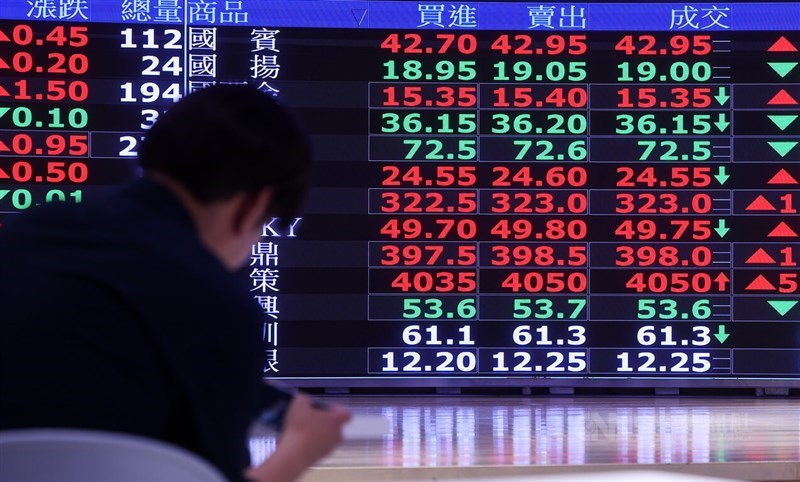
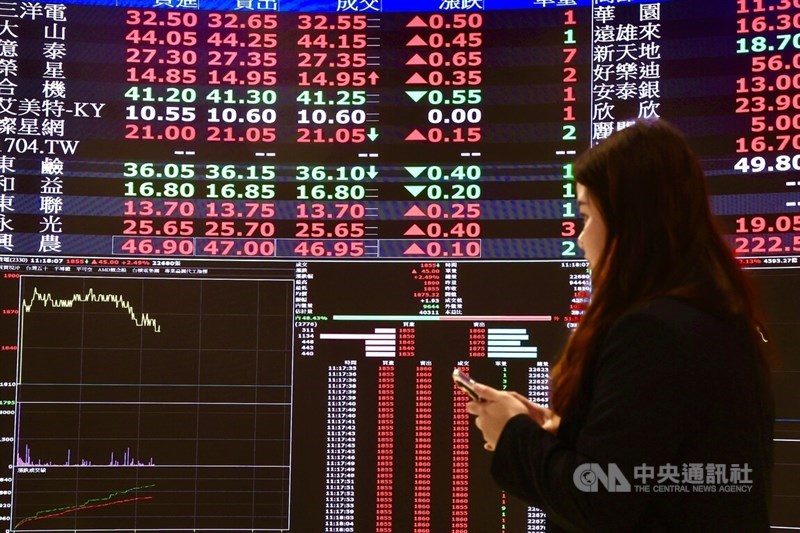
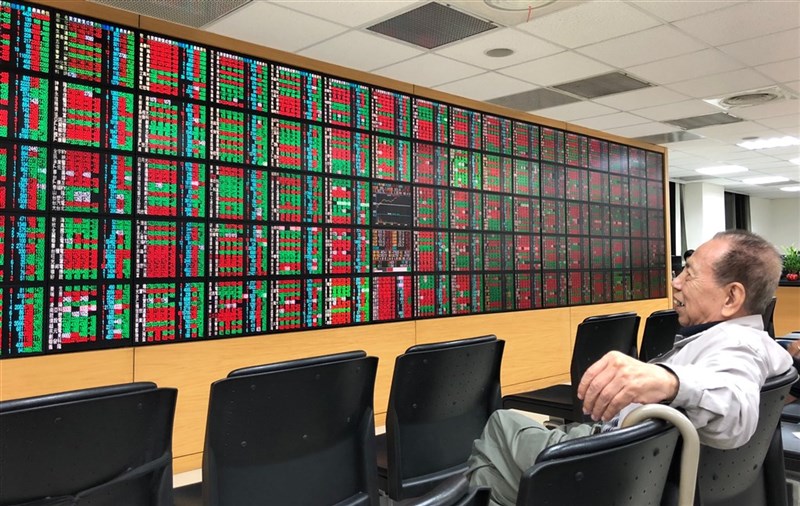
Taiwan's stock market capitalization surpassing the United Kingdom's represents a seismic shift in global semiconductor economics with direct implications for cross-border e-commerce sellers. The milestone, driven by surging AI chip demand and TSMC's dominant market position, signals that semiconductor manufacturing has become the primary value driver in modern economies. For e-commerce sellers, this development creates both immediate supply chain challenges and strategic sourcing opportunities across multiple product categories.
Supply Chain Pricing Volatility and Cost Pressures: Sellers sourcing electronics, smart devices, IoT products, and consumer technology from Taiwan face 15-25% pricing fluctuations as TSMC and competing manufacturers prioritize high-margin AI chip production over consumer electronics components. Products dependent on Taiwanese semiconductors—including smart home devices (HS code 8517.62), consumer drones (HS code 8806.30), portable electronics (HS code 8471.30), and wearable technology—experience extended lead times (8-16 weeks vs. historical 4-6 weeks) and component allocation constraints. Small and medium-sized sellers (annual revenue $500K-$5M) sourcing from Taiwan face 8-12% margin compression as component costs rise, while larger sellers with direct TSMC relationships maintain pricing stability through long-term contracts.
Strategic Sourcing Diversification Opportunities: The Taiwan supply concentration risk creates arbitrage opportunities for sellers willing to diversify sourcing. Vietnam, India, and Malaysia are accelerating semiconductor assembly and electronics manufacturing to capture displaced demand, offering 10-18% cost advantages for non-cutting-edge components. Sellers can shift 30-40% of mid-range electronics sourcing to Vietnam (HS codes 8471, 8517, 8528) while maintaining Taiwan sourcing for premium AI-adjacent products. This diversification strategy reduces geopolitical risk exposure while capturing cost advantages in lower-tier product categories where Taiwan's premium pricing reflects AI chip demand rather than technological necessity.
Market Access and Competitive Positioning: Taiwan's economic strengthening increases purchasing power for imported goods, creating emerging market opportunities for sellers in consumer discretionary categories. Taiwan's domestic e-commerce market (growing 12-15% annually) represents a $15-18B opportunity for cross-border sellers in fashion, home goods, and specialty products. Simultaneously, sellers competing in AI-adjacent categories (GPU cooling solutions, server components, data center accessories) face intensifying competition from Taiwanese manufacturers leveraging local supply chain advantages and government incentives supporting semiconductor ecosystem development.
Questions 8
How does Taiwan's AI chip boom affect electronics product pricing for cross-border sellers?
Taiwan's semiconductor dominance creates 15-25% pricing volatility for electronics sellers as TSMC prioritizes high-margin AI chip production. Components for smart devices, consumer drones, and IoT products experience cost increases of 8-12% while lead times extend from 4-6 weeks to 8-16 weeks. Sellers in consumer electronics categories should expect margin compression of 5-8% through 2025 unless they diversify sourcing to Vietnam or India, where alternative manufacturers offer 10-18% cost advantages for non-cutting-edge components. Monitor TSMC quarterly earnings reports and industry allocation announcements for pricing trend signals.
How can sellers mitigate geopolitical risk from Taiwan supply concentration?
Implement a three-tier sourcing strategy: maintain Taiwan sourcing for premium AI-adjacent products (20-30% of portfolio), shift mid-range electronics to Vietnam/India (40-50%), and develop backup suppliers in Malaysia/Thailand (20-30%). Establish long-term contracts with alternative suppliers to lock in pricing before costs rise further. Monitor geopolitical developments through trade policy announcements and TSMC capacity allocation reports. Consider inventory buffers for Taiwan-sourced products (increase safety stock by 15-20%) to hedge against supply disruptions. Diversification reduces exposure to any single country's supply constraints while capturing cost advantages across product tiers.