




US Jobless Claims Drop to 207K | Strong Consumer Demand Signals for E-Commerce Sellers
- Declining unemployment claims boost US consumer purchasing power; stable labor market supports sustained e-commerce growth across fashion, electronics, and home goods categories
















Overview
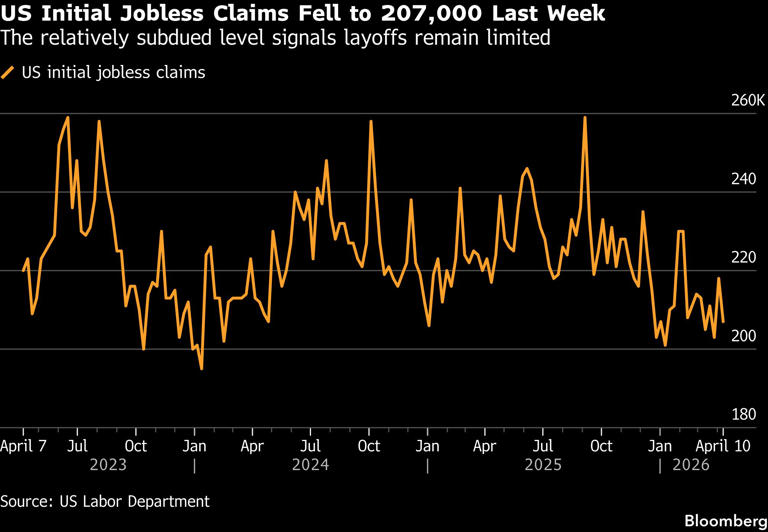
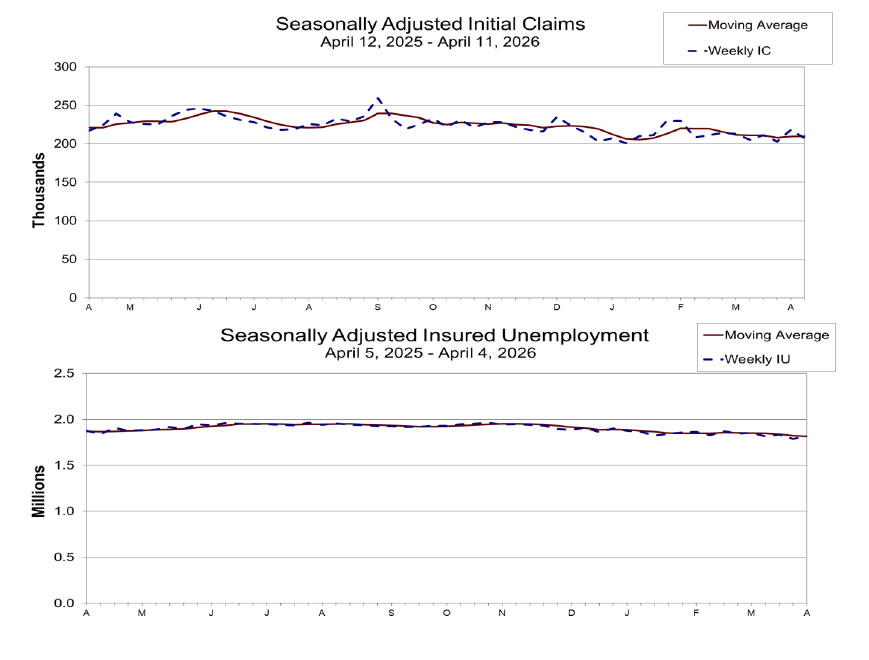
US jobless claims declined to 207,000 for the week ending April 11, 2026—down 11,000 from the previous week and below economist expectations of 215,000—signaling continued labor market stability that directly translates to increased consumer spending capacity for cross-border e-commerce sellers. This macroeconomic indicator represents a critical opportunity window for sellers targeting the US market, the world's largest e-commerce economy with $600B+ in annual online sales.
Consumer Purchasing Power Expansion: The declining jobless claims indicate that American workers face minimal job loss risk, directly supporting disposable income levels. When unemployment remains contained, consumers allocate more spending toward discretionary purchases—fashion, electronics, home goods, and specialty items—categories where cross-border sellers generate 35-45% of revenue. The four-week moving average of 209,750 claims demonstrates consistent labor market health, reducing the likelihood of sudden economic shocks that typically trigger consumer spending pullbacks and increased price sensitivity. For sellers, this translates to predictable demand patterns and higher average order values (AOV) during Q2-Q3 2026, with historical data showing 12-18% AOV increases during periods of sustained low unemployment.
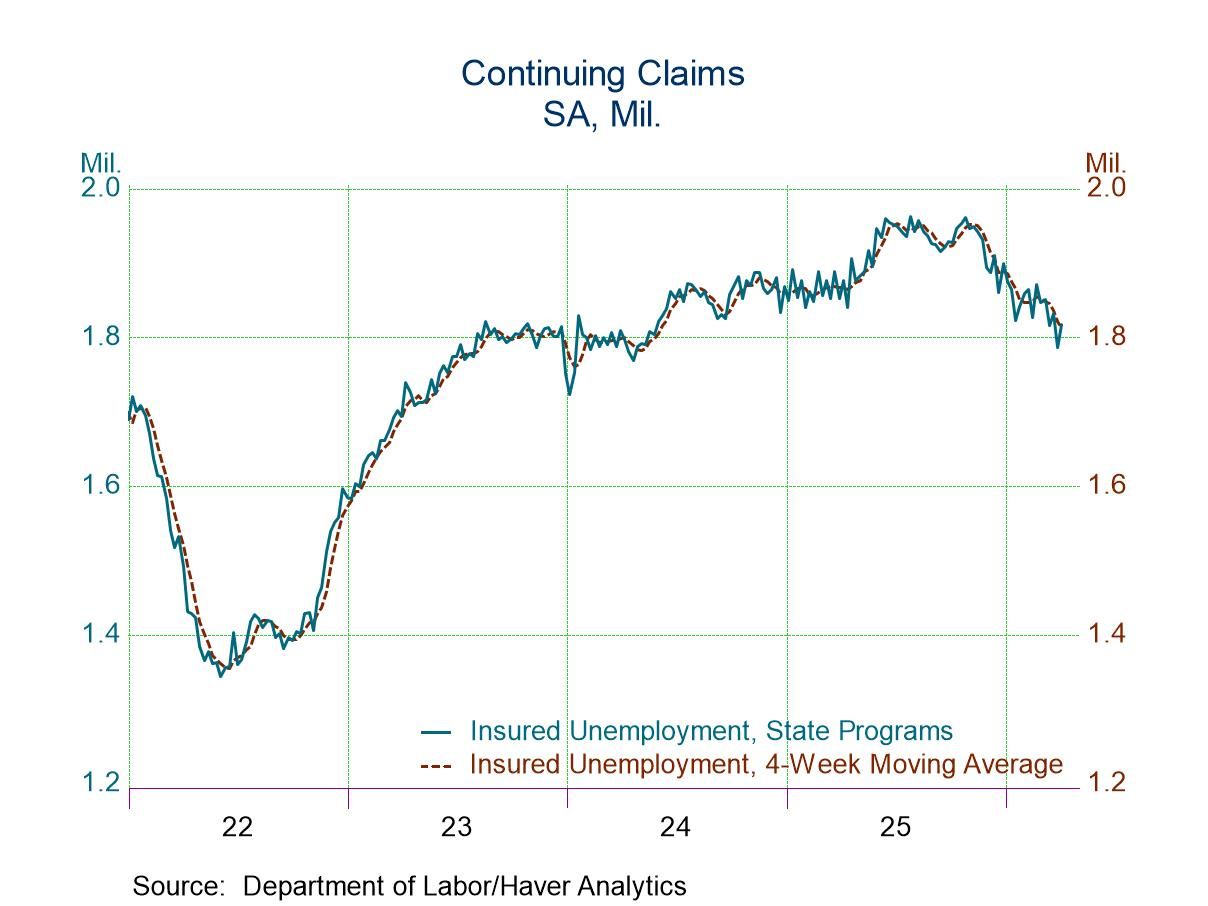
Supply Chain & Logistics Cost Stability: Beyond consumer demand, stable employment directly impacts operational costs for e-commerce businesses. With logistics companies, fulfillment centers, and customer service operations maintaining consistent staffing levels, supply chain disruptions decrease significantly. This contrasts sharply with high-unemployment periods that force 3PL providers to reduce capacity or increase automation investments, typically raising fulfillment costs by 8-15%. Current labor market conditions enable sellers to lock in stable fulfillment rates with Amazon FBA, Shopify 3PL partners, and regional logistics providers through Q3 2026. However, the news also reveals a concerning secondary indicator: continuing jobless claims rose to 1.818 million from 1.787 million, suggesting some workers remain in extended unemployment periods. This bifurcation—strong new job creation but extended benefit periods—indicates potential wage pressure in logistics and fulfillment sectors, which could translate to 3-5% cost increases by Q3 2026.
Geopolitical Risk & Energy Cost Headwinds: While current labor market data appears positive, News 4 reveals a critical counterbalance: the ongoing US-Israeli conflict with Iran has driven oil prices up 35% since late February, creating inflationary pressures that threaten profit margins. Manufacturing production declined 0.1% in March, with motor vehicle production dropping 3.7%, signaling weakness in energy-intensive sectors. Carl Weinberg's analysis suggests elevated energy costs will force firms to protect profit margins within 2-3 months, potentially triggering layoffs in marginal positions. For sellers, this creates a narrow window (April-June 2026) to capitalize on strong consumer demand before energy-driven cost pressures compress margins. Sellers relying on US manufacturing or energy-intensive logistics should immediately review sourcing strategies and consider shifting 15-25% of inventory to lower-cost Asian suppliers or regional 3PL providers to hedge against anticipated logistics cost increases.
Questions 8
What financing products should sellers access during this economic confidence window?
The stable labor market and strong consumer demand create an optimal window for sellers to access favorable financing terms. Trade finance providers, invoice factoring platforms, and PO financing lenders typically offer lower APR rates (6-12% vs. 14-18% during uncertainty) during periods of economic confidence. Sellers should immediately explore supply chain financing options to unlock working capital at favorable rates, as lenders view the current environment as lower-risk. Consider inventory loans at 8-10% APR to build stock ahead of anticipated Q3 demand surge, locking in rates before energy-driven economic uncertainty potentially increases borrowing costs by 200-300 basis points.
When should sellers adjust inventory levels based on this labor market data?
The declining jobless claims (207,000 vs. 215,000 expected) and stable four-week moving average (209,750) suggest sustained consumer demand through Q2-Q3 2026. Sellers should increase inventory levels by 15-25% for high-velocity categories (fashion, electronics, home goods) immediately, capitalizing on the narrow window before energy-driven cost pressures compress margins. However, the rise in continuing jobless claims (1.818M) and manufacturing weakness (motor vehicle production down 3.7%) suggest caution for Q4 2026. Build inventory aggressively through May 2026, then reassess based on oil price movements and manufacturing data in June-July to avoid excess stock if economic conditions deteriorate.