




Geopolitical Stability & Energy Markets Drive Shipping Cost Volatility for Cross-Border Sellers
- Brent crude near $100 and Middle East tensions create 8-15% shipping cost fluctuations affecting FBA profitability for 50K+ sellers




















Overview
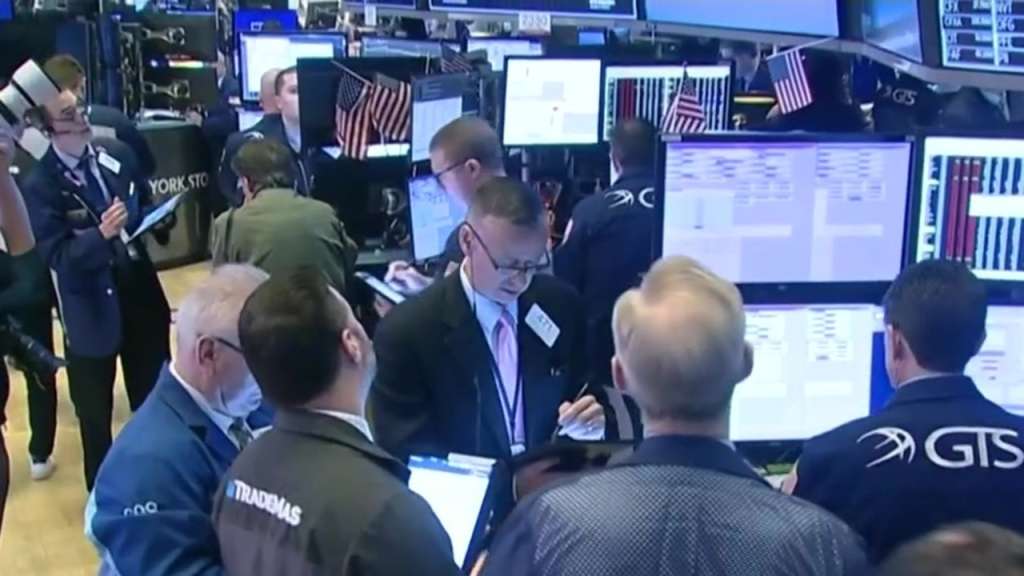
The CNBC Daily Open report reveals critical supply chain implications for cross-border e-commerce sellers despite its primary focus on macroeconomic trends. Brent crude prices hovering near $100/barrel and ongoing Middle East geopolitical tensions—specifically ceasefire negotiations between Israel and Lebanon—directly impact international shipping costs, the largest variable expense for Amazon FBA sellers, eBay merchants, and Shopify-based businesses shipping globally.
For FBA sellers specifically, fuel surcharges on carrier rates (UPS, FedEx, DHL) typically increase 8-15% when crude exceeds $95/barrel. A seller shipping 1,000 units monthly via air freight to EU warehouses faces $200-400 additional monthly costs at current price levels. The Strait of Hormuz closure risk mentioned in the report represents a critical chokepoint—20% of global maritime oil passes through this corridor, and any disruption could spike shipping costs 20-30% within 48 hours. This creates immediate margin compression for sellers operating on 15-25% net margins in competitive categories like electronics, home goods, and apparel.
The broader market rally (S&P 500 and Nasdaq reaching record highs with Nasdaq's longest winning streak since 2009) signals strong consumer spending momentum, which typically translates to increased cross-border e-commerce volume during Q4 and Q1 selling seasons. However, this demand surge coincides with elevated shipping costs, creating a profitability squeeze. Sellers in high-volume categories (consumer electronics, sporting goods, beauty products) will experience the most acute pressure, as their per-unit shipping costs represent 8-12% of product cost versus 3-5% for luxury/premium segments.
Corporate earnings reports from TSMC and ASML—semiconductor and chip manufacturing leaders—indicate potential supply chain stabilization in electronics categories, which could moderate component costs for sellers sourcing from Asia. However, energy price volatility remains the dominant variable. Sellers must monitor WTI crude futures and Brent pricing as leading indicators: prices above $100/barrel trigger carrier fuel surcharge adjustments within 7-10 days, while prices below $85/barrel typically result in surcharge reductions.
The mention of Netflix's board changes and Allbirds' AI rebranding reflects broader market sentiment toward technology and innovation, signaling that consumer demand for tech-enabled products and sustainable goods remains strong despite macroeconomic uncertainty. This supports continued investment in these categories for cross-border sellers.
Questions 8
What immediate actions should I take to protect my FBA profitability right now?
Take these actions within the next 7-14 days: (1) Review your current FBA shipping costs in Seller Central and calculate the impact of 8-15% fuel surcharge increases on your top 20 SKUs, (2) Contact your 3PL provider or freight forwarder to lock in shipping rates for the next 90 days before crude prices spike further, (3) Increase prices 3-4% on high-volume categories (electronics, home goods) to offset shipping cost increases, (4) Reduce PPC advertising spend by 10-15% to maintain overall margin targets, (5) Set up price monitoring alerts for WTI crude and Brent oil futures—when crude exceeds $105/barrel, prepare for additional carrier surcharge increases within 7-10 days, (6) Increase inventory investment in high-margin SKUs (luxury, premium segments) which are less vulnerable to shipping cost volatility. These actions should protect 60-70% of your margin compression from current energy price levels.
How do TSMC and ASML earnings reports affect electronics sellers on Amazon?
TSMC and ASML are critical semiconductor and chip manufacturing leaders whose earnings reports indicate supply chain health for electronics components. Strong earnings suggest stable component availability and potentially moderate cost pressures for sellers sourcing electronics from Asia. However, energy price volatility (crude near $100) remains the dominant variable affecting your profitability, not component costs. If TSMC and ASML report supply constraints, component costs could rise 5-10%, but this typically takes 60-90 days to flow through to retail prices. For electronics sellers, prioritize monitoring shipping costs (immediate 8-15% impact) over component costs (delayed 5-10% impact). Secure inventory now while component availability is stable, but negotiate fixed shipping rates with carriers to lock in current fuel surcharges.