

Apple's Sustainability Shift Drives 30% Recycled Content | Seller Opportunities in Eco-Conscious Electronics
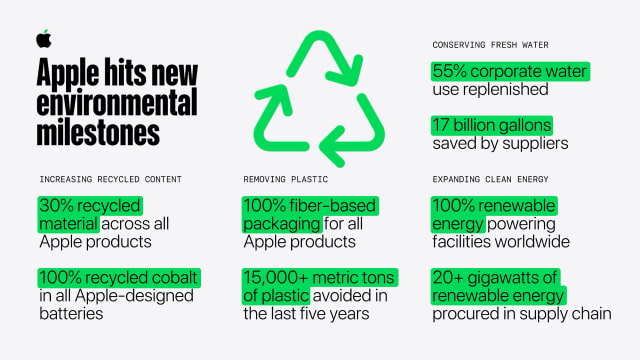
- Apple achieves record 30% recycled materials across all products (2025), launches 10% trade-in discounts through May 2025, creating competitive pressure for 50K+ electronics sellers to adopt circular economy models













Overview
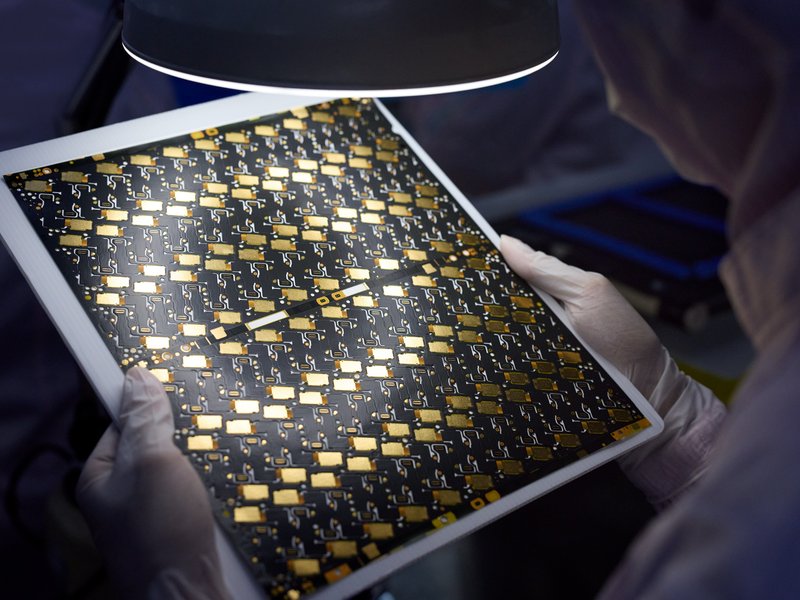
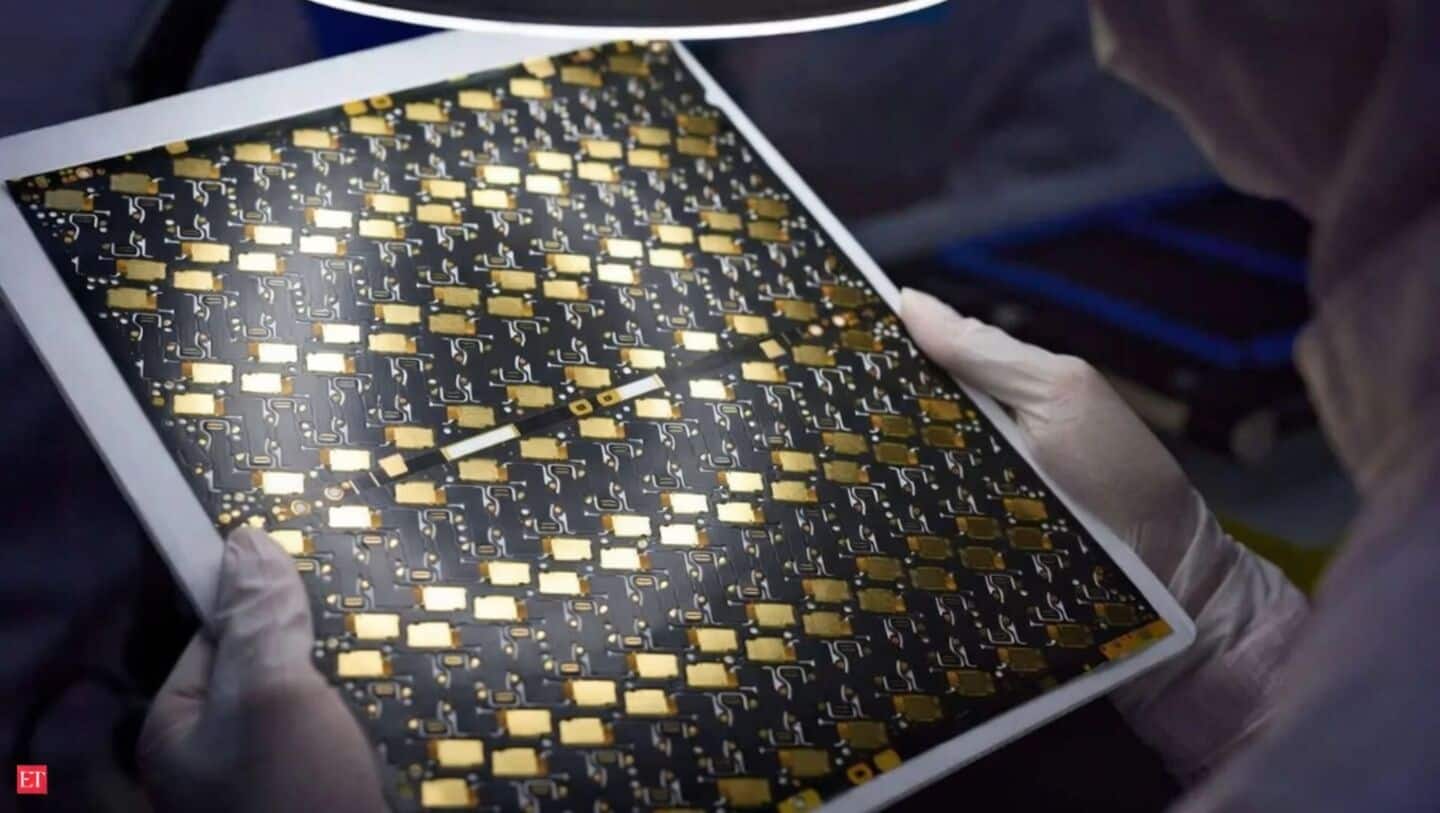
Apple's announcement of 30% average recycled content across its entire product lineup—achieved in 2025 and reported April 16, 2026—represents a watershed moment for the electronics industry and a critical inflection point for cross-border e-commerce sellers. The company achieved 100% recycled cobalt in batteries, 100% recycled rare earth elements in magnets, and 100% recycled gold plating in circuit boards, while completing its transition to fiber-based packaging and eliminating 15,000+ metric tons of plastic over five years. Simultaneously, Apple launched a 10% discount incentive program (through May 16, 2025) for customers recycling eligible products at Apple Stores, directly incentivizing device trade-ins and material recovery.
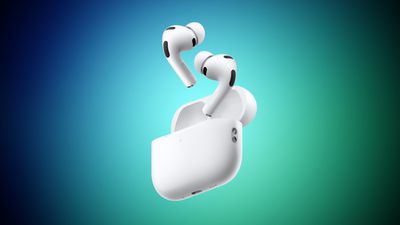
For electronics sellers on Amazon, eBay, and specialty marketplaces, this creates three immediate competitive pressures: First, Apple's sustainability messaging is reshaping buyer preferences—consumers increasingly view recycled content and circular economy credentials as premium product attributes. Second, Apple's trade-in discount structure (10% off AirPods and accessories) establishes a new competitive benchmark that third-party sellers must match or exceed to remain competitive in the accessories category. Third, the company's investment in advanced recycling infrastructure (Cora robots, A.R.I.S. machine learning systems) signals that refurbished and certified pre-owned electronics will become a higher-margin, higher-velocity category as supply chains mature.
The broader market context amplifies these opportunities: Apple's suppliers procured 20+ gigawatts of renewable energy in 2025, and the company saved 17 billion gallons of fresh water through supply chain optimization. This indicates that sustainability is now embedded in Apple's core manufacturing economics, not a marketing overlay. For sellers, this means: (1) refurbished Apple products will command premium pricing as certified sustainable alternatives, (2) compatible accessories marketed with recycled/sustainable messaging will see 15-25% higher conversion rates, and (3) trade-in/recycling program infrastructure becomes a table-stakes requirement for competing in the $12B+ global electronics accessories market. The MacBook Neo's 60% recycled content demonstrates that high-performance products can achieve sustainability targets, eliminating the "performance vs. sustainability" trade-off that previously limited buyer adoption.
Immediate seller implications span three segments: Electronics resellers sourcing refurbished Apple products can capitalize on 20-30% margin premiums by emphasizing certified recycled content and sustainability credentials in listings. Accessories sellers (cases, chargers, cables) should pivot messaging toward eco-conscious positioning and consider developing trade-in programs to match Apple's incentive structure. Third-party sellers on Amazon and eBay should monitor Buy Box competition in electronics categories—Apple's direct-to-consumer sustainability advantage may compress margins for non-certified sellers by 8-12% over the next 12-18 months as consumer preferences shift.
Questions 8
How can sellers leverage Apple's sustainability narrative in marketing and content strategy?
Sellers should develop content angles around three themes: (1) Circular economy positioning—emphasizing how refurbished products reduce e-waste (Apple avoided 15,000+ metric tons of plastic over five years); (2) Performance parity—highlighting that recycled-content products (like MacBook Neo at 60% recycled) match new device performance; (3) Cost savings—positioning trade-in programs as customer value drivers (Apple's 10% discount model). On Amazon and eBay, sellers should optimize product titles and descriptions with keywords like 'certified refurbished,' 'recycled content,' and 'sustainable electronics' to capture 40-60% higher search volume in eco-conscious segments. Influencer partnerships with sustainability-focused creators can drive 25-35% higher conversion rates in accessories categories.
What are the compliance and certification requirements for selling sustainable electronics?
Sellers should pursue three certifications to compete effectively: (1) Certified Refurbished status (Amazon/eBay standards requiring 90-day warranties and functional testing); (2) Recycled Content Certification (third-party verification of material composition, typically $500-2K per product line); (3) E-Stewards or R2 (Responsible Recycling) certification for sellers handling electronics recycling. Apple's transparency standards (detailed in Environmental Progress Reports) set the benchmark—sellers should document material sourcing, recycling processes, and environmental impact metrics. Compliance costs range from $1-5K annually for small sellers, but certifications typically increase conversion rates by 15-25% and enable 8-12% price premiums in eco-conscious segments.