





App Store Moderation Crisis Creates Compliance Service Opportunity | Sellers Face New Content Policy Enforcement
- Apple and Google's systematic promotion of prohibited nudify apps signals stricter enforcement ahead, affecting 483M+ downloads and $122M revenue; sellers must prepare for enhanced content review processes and compliance verification requirements












)




Overview
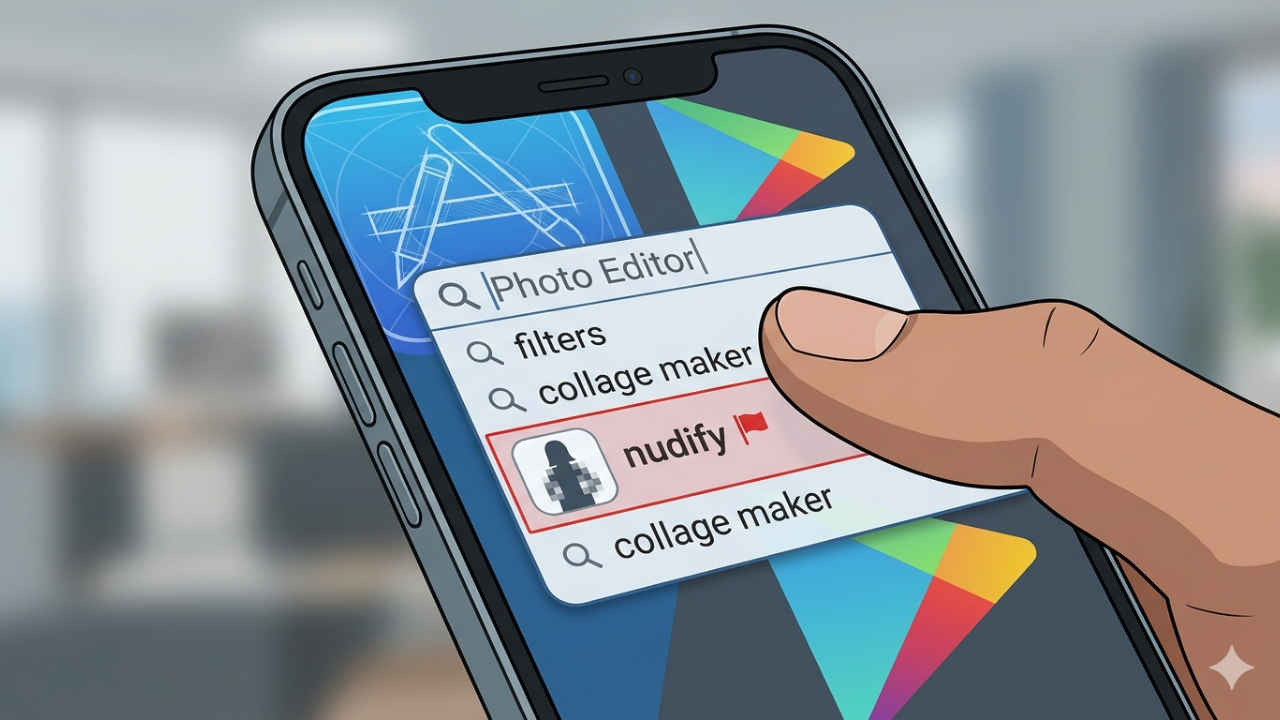
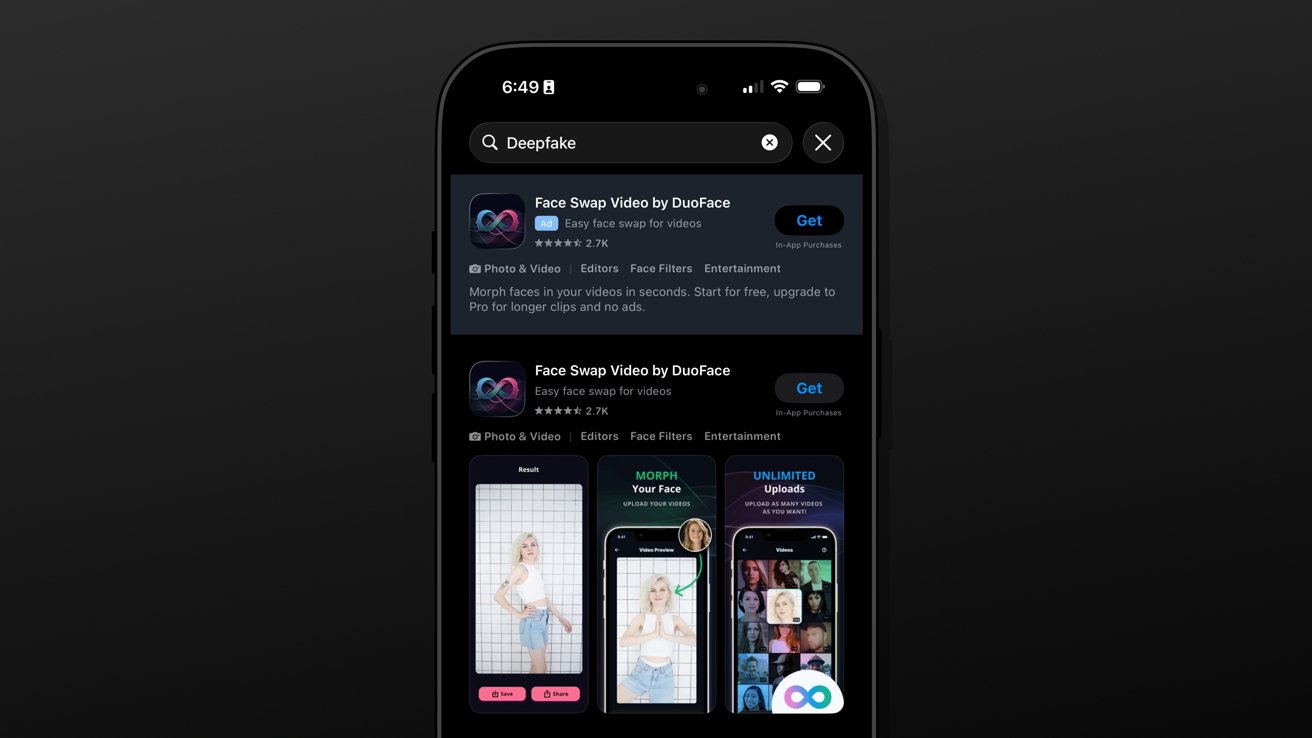
The Tech Transparency Project's April 2026 investigation reveals a critical content moderation failure across both Apple App Store and Google Play Store: approximately 40% of top search results for terms like "nudify," "undress," and "deepnude" returned apps capable of creating non-consensual sexualized imagery, with both platforms actively promoting these prohibited applications through paid advertising and search algorithms. The 483 million collective downloads and $122 million lifetime revenue generated by these apps demonstrates massive platform enforcement gaps. Notably, 31 apps received minor-appropriate ratings despite nudify functionality, creating legal liability for both platforms.
For app sellers and digital product vendors, this represents a critical compliance inflection point. The investigation's public exposure (published April 15, 2026, reported by Bloomberg) will trigger regulatory scrutiny and platform policy tightening. Apple removed 15 apps and Google removed 7 apps following TTP's findings, but neither company addressed fundamental questions about review process failures, algorithm bias, or revenue handling from policy-violating apps. This enforcement gap creates immediate opportunities for sellers in three areas: (1) Content verification services for app developers seeking pre-submission compliance audits to avoid removal; (2) Age-gating and content filtering tools that help legitimate apps demonstrate policy compliance; (3) Alternative app categories that provide similar functionality (photo editing, AI image tools) without nudity features, which will see increased demand as users migrate from removed apps.
The regulatory trajectory is clear: stricter content moderation enforcement is coming. Schools report widespread bullying incidents using these easily accessible apps, creating political pressure for legislative action. Both platforms face potential regulatory fines for systematic policy violations and inadequate content review. Sellers currently offering apps with ambiguous content policies (photo editing, AI image generation, deepfake detection tools) should immediately audit their app store listings for policy compliance. Apps rated for minors but containing adult-oriented features face the highest removal risk. The 22-app removal rate (15 Apple + 7 Google) represents only 22% of the 100+ identified nudify apps, indicating enforcement is incomplete and will accelerate. Sellers should expect enhanced review timelines (currently 1-3 days for Apple, 2-4 hours for Google) to extend to 5-7 days as platforms implement stricter content verification. Revenue-sharing implications are significant: platforms may implement revenue clawback policies for previously-approved apps later found to violate policies, creating financial risk for sellers who benefited from enforcement gaps.
Questions 7
How will stricter app store moderation affect sellers with photo editing or AI image tools?
Sellers offering photo editing, AI image generation, or deepfake detection apps face immediate compliance risk. The TTP investigation found that 40% of top search results for nudity-related terms returned prohibited apps, and both Apple and Google are now removing non-compliant applications (15 removed by Apple, 7 by Google following the April 2026 report). Sellers must audit their app listings for any features that could enable non-consensual imagery creation, even if not the primary function. Apps with ambiguous age ratings (31 nudify apps were rated suitable for minors) are highest removal priority. Expect review timelines to extend from current 1-3 days (Apple) to 5-7 days as platforms implement stricter content verification. Sellers should proactively submit compliance documentation demonstrating safeguards against misuse.
What are the financial risks for sellers whose apps were previously approved but now face removal?
Sellers face three financial exposure categories: (1) **Revenue clawback**—platforms may implement policies requiring return of revenue from previously-approved apps later found to violate policies (similar to Amazon's A+ content removal penalties); (2) **Developer account suspension**—repeated policy violations can result in permanent app store removal and account termination, eliminating all future revenue; (3) **Regulatory fines**—as platforms face government scrutiny (schools report bullying incidents, 31 apps rated for minors), they may pass compliance costs to developers through increased review fees or revenue share reductions. The 22-app removal rate (15 Apple + 7 Google) from 100+ identified nudify apps indicates enforcement is incomplete and will accelerate. Sellers should immediately review their app portfolios for policy compliance and consider proactive removal of borderline content to avoid forced removal and account penalties.