



Influencer Safety & Travel Risk Management | Critical Insights for Creator Economy Sellers
- International incident highlights $50B+ creator economy vulnerability; sellers must address travel safety, content liability, and crisis communication protocols


























Overview
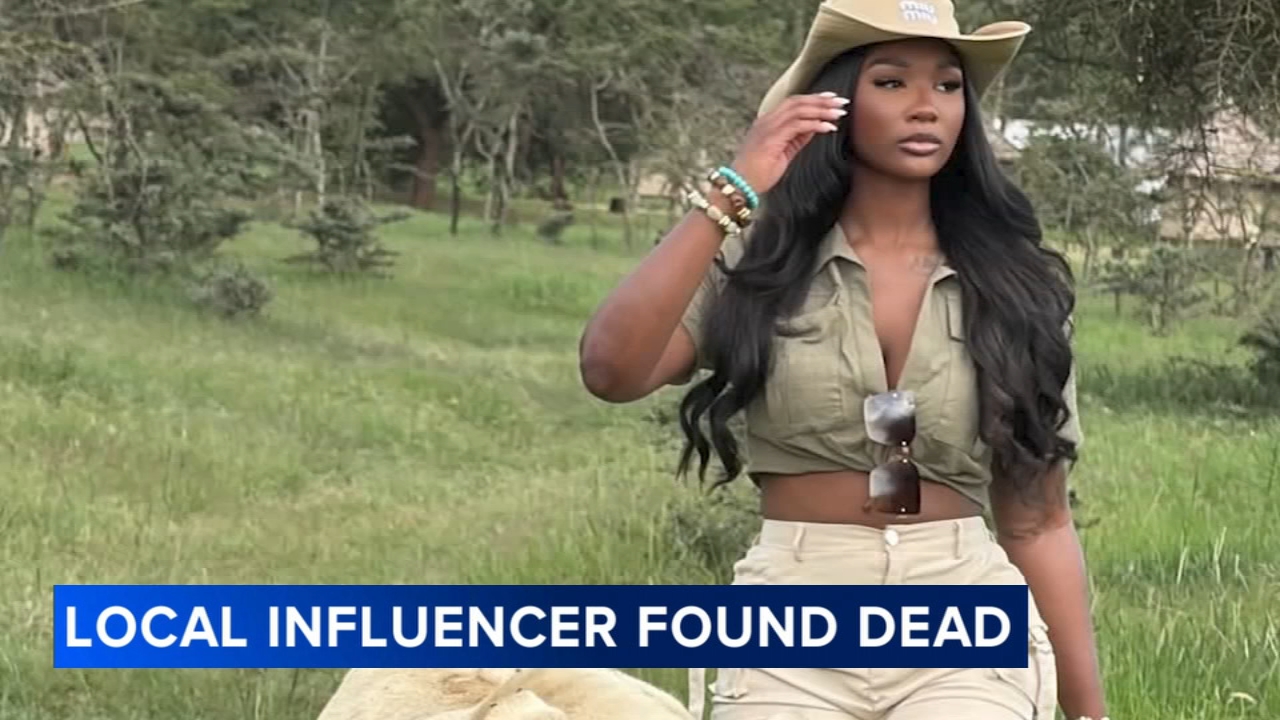
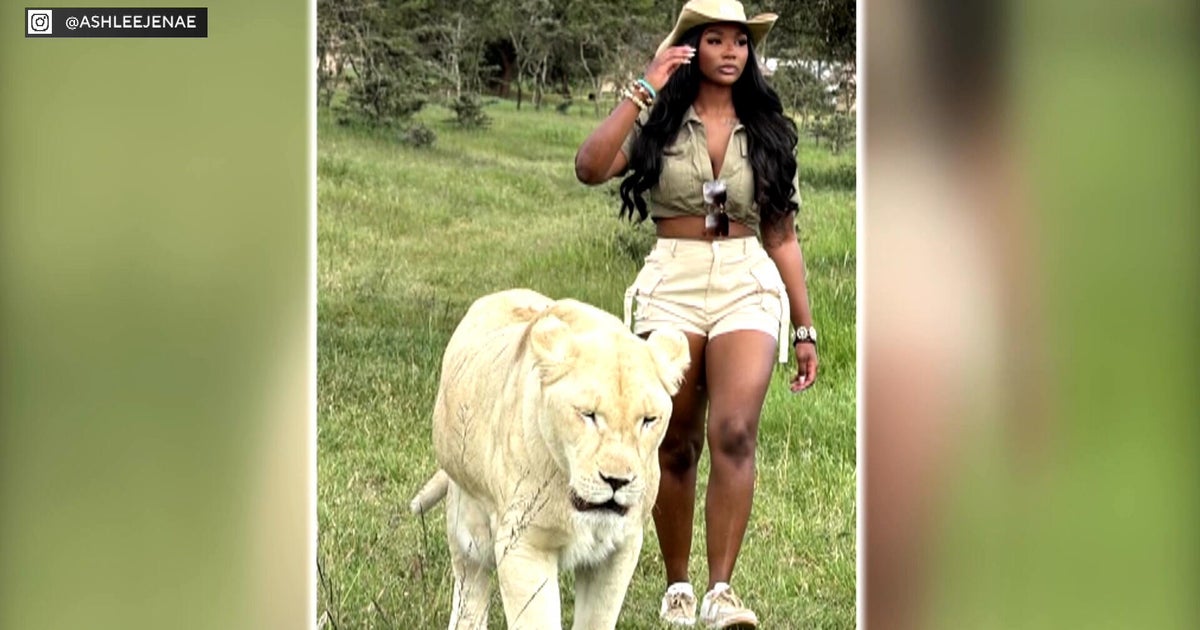
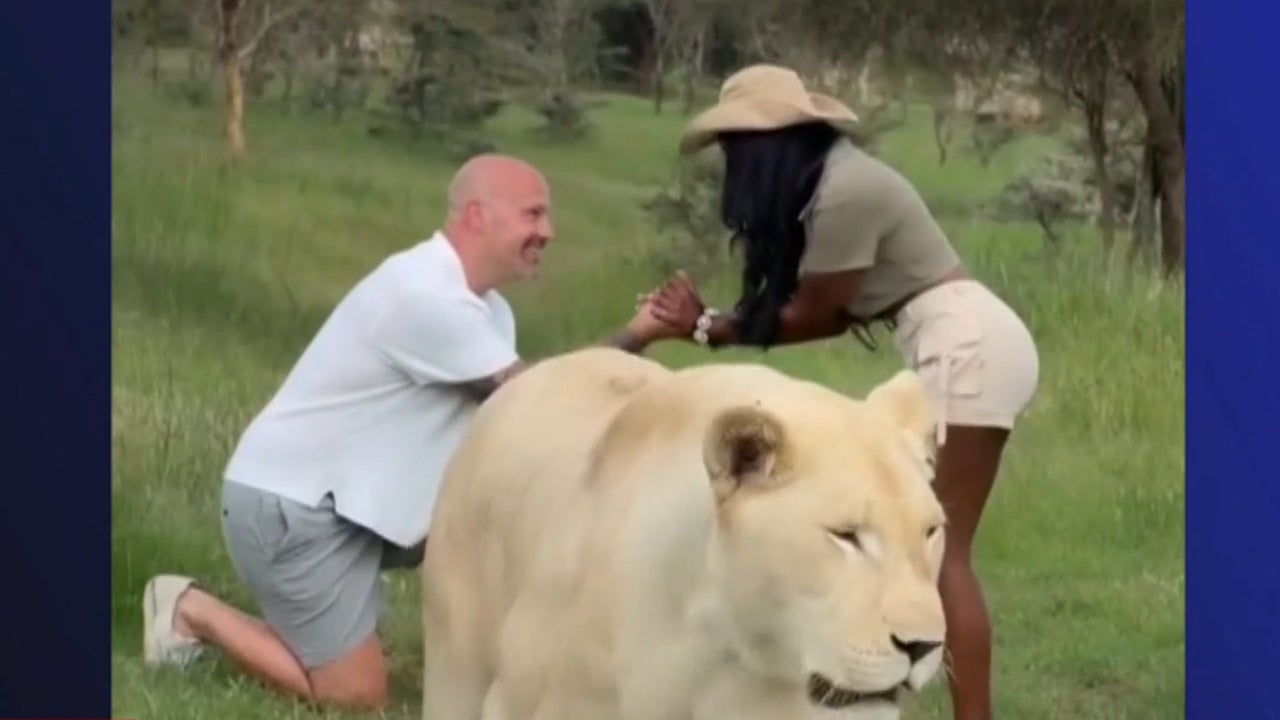
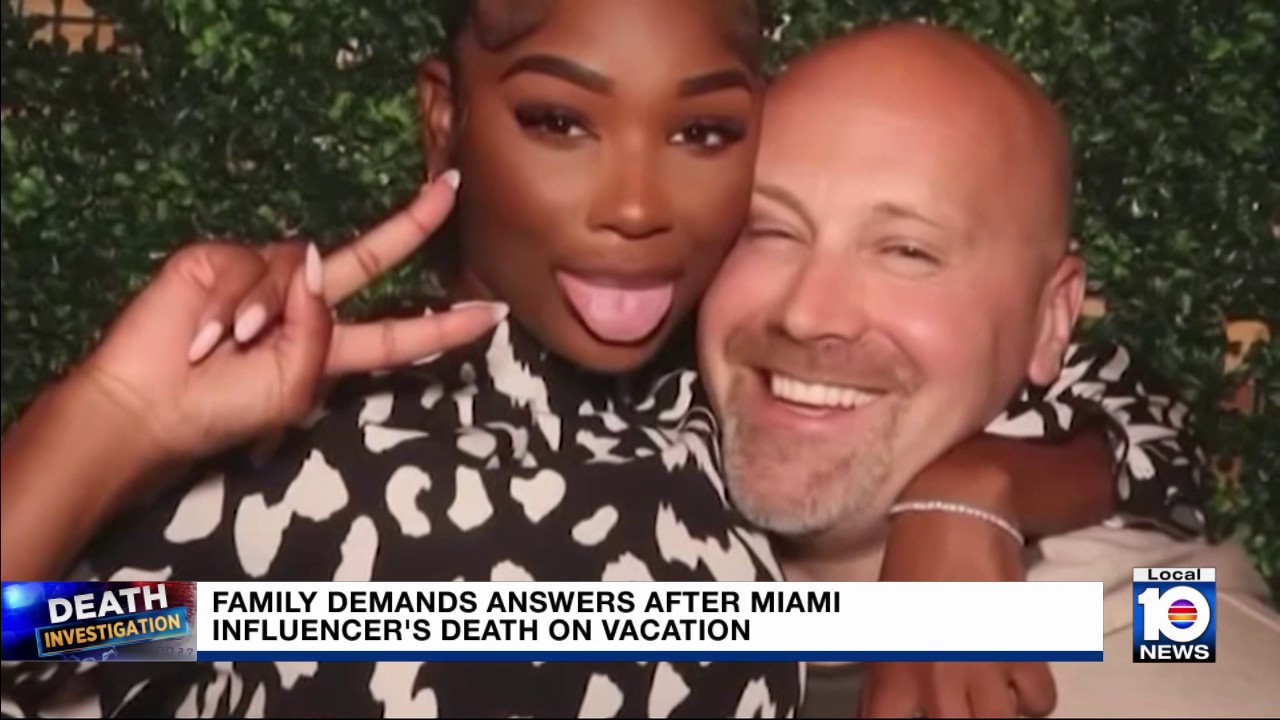
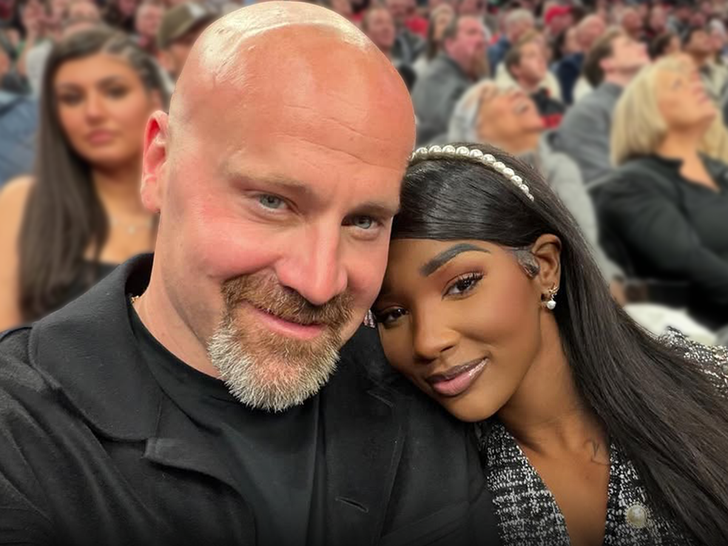
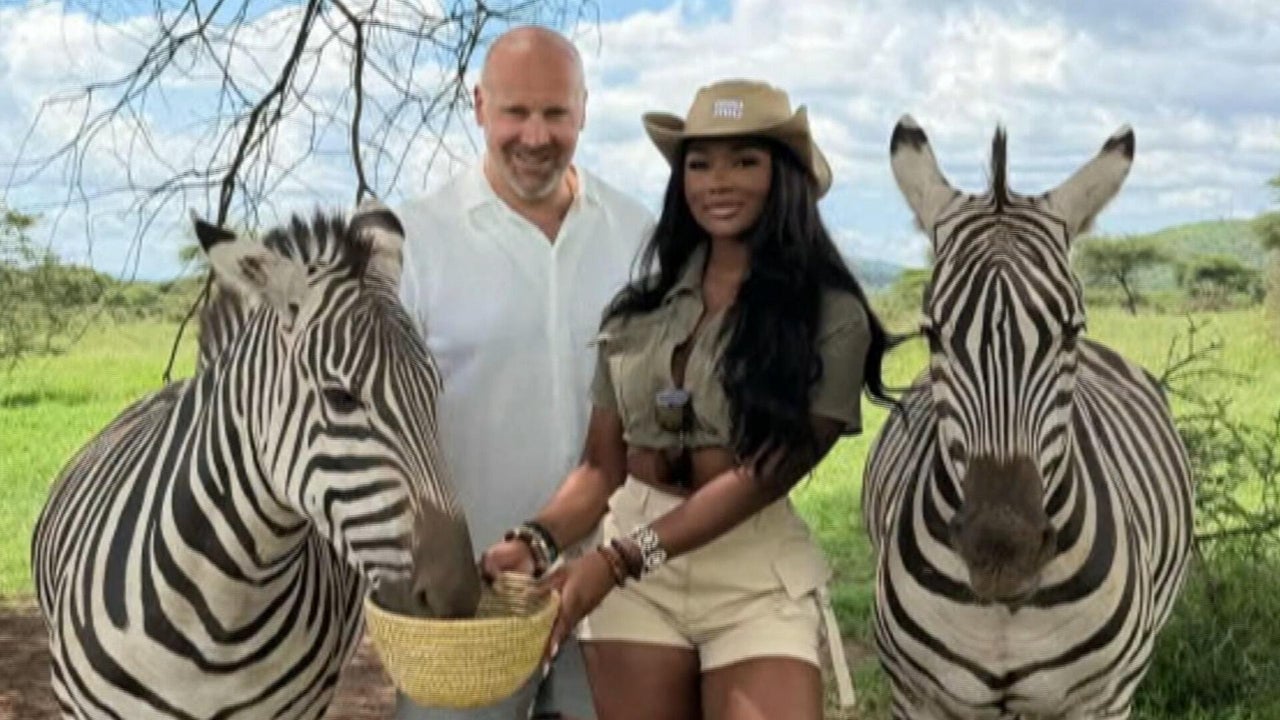
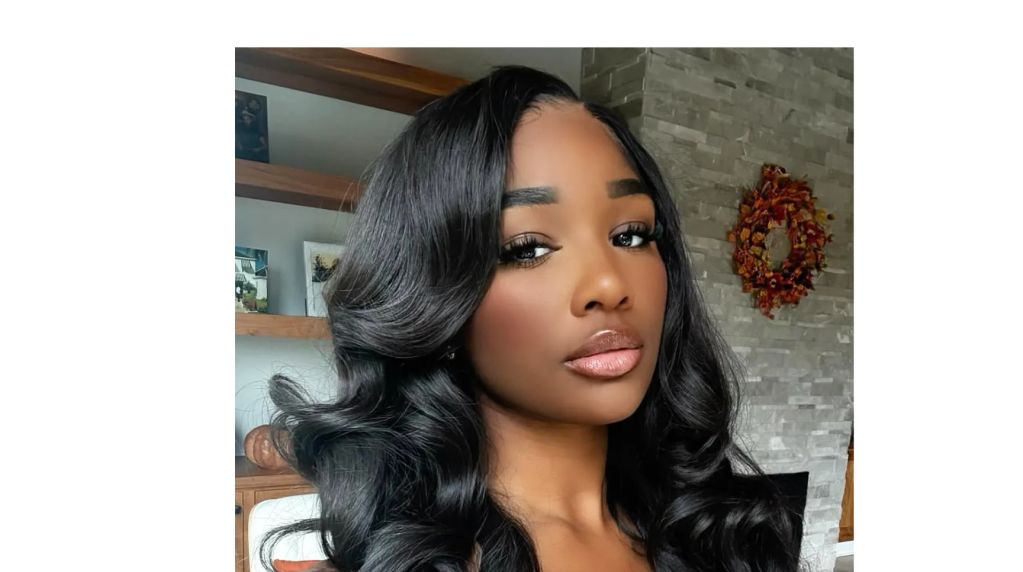
The tragic death of Portland-based lifestyle influencer Ashlee Jenae Robinson (age 31) on April 9, 2026, in Zanzibar, Tanzania, represents a critical inflection point for the creator economy and cross-border e-commerce ecosystem. Robinson, who documented her travels extensively on social media with 100K+ followers, died under disputed circumstances while vacationing with Joe McCann, CEO of Asymmetric Financial, just days after her April 5 birthday and a marriage proposal. The incident—occurring at Hotel Zuri after a reported misunderstanding on April 8—has generated significant social media speculation and raises urgent questions about influencer safety protocols, content liability, and crisis management for brands partnering with creators.
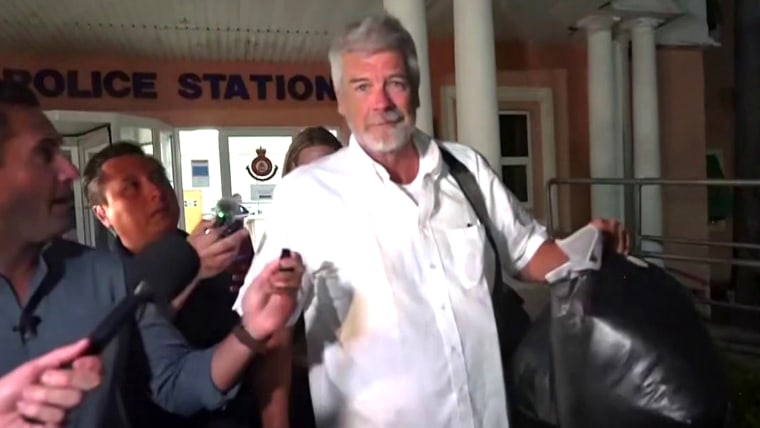
For cross-border sellers, this incident directly impacts three critical operational areas: First, the creator economy represents a $50B+ global market where influencers drive 30-40% of e-commerce conversions through sponsored content, affiliate marketing, and brand partnerships. Robinson's death exposes the vulnerability of this supply chain—when key content creators face international incidents, brands lose revenue streams, product launches stall, and inventory accumulates. Sellers relying on influencer partnerships for product visibility must now implement due diligence protocols: background checks on creator partners, travel safety verification, and contingency content calendars. Second, the incident highlights international legal complexity affecting cross-border operations. McCann's passport was seized by Tanzanian authorities (as of April 15, 2026), illustrating how foreign nationals face jurisdictional risks that can disrupt business operations. Sellers with international teams, remote workers, or creator partnerships must establish crisis protocols: legal representation in key markets, travel insurance verification, and communication procedures with U.S. consular services. Third, the case demonstrates social media's role in shaping brand perception during crises. Speculation on platforms like Instagram and TikTok regarding Robinson's death—with users questioning official narratives—creates reputational risk for brands associated with the influencer. Sellers must develop rapid-response social media strategies and transparent communication frameworks to protect brand equity when creator partners face incidents.
Immediate seller implications include: (1) Audit existing influencer partnerships for safety protocols and travel documentation; (2) Implement creator vetting procedures including background checks and insurance verification; (3) Establish crisis communication templates for social media incidents; (4) Review product liability insurance coverage for influencer-driven campaigns; (5) Create contingency content calendars to reduce dependency on single creators. The incident also signals emerging demand for creator safety platforms, travel insurance products, and crisis management services—representing $2-5B opportunity for sellers offering B2B solutions to agencies and brands. Sellers in lifestyle, travel, wellness, and luxury categories should prioritize creator partnership governance, as these segments face highest reputational exposure. The case underscores that influencer marketing, while highly effective for conversion, carries operational and legal risks requiring professional management infrastructure comparable to traditional advertising channels.
Questions 8
How should sellers respond to social media speculation about influencer incidents?
The Robinson case generated significant social media speculation questioning official narratives, creating reputational risk for associated brands. Sellers must develop rapid-response social media strategies including: (1) Pre-approved crisis communication templates; (2) Transparent, timely statements addressing speculation; (3) Documented incident response procedures; (4) Monitoring protocols for brand mentions during crises. Sellers should establish clear separation between personal creator incidents and brand partnerships, while demonstrating empathy and respect for affected families. This requires dedicated social media management resources and legal review before public statements, particularly for high-profile creators with 100K+ followers.
What due diligence procedures should sellers implement for influencer partnerships?
Sellers should establish comprehensive creator vetting procedures including: (1) Background checks and verification of claimed follower counts; (2) Travel insurance and safety protocol documentation; (3) Contract review by legal counsel covering liability, content rights, and incident procedures; (4) Regular audits of creator content for brand alignment and compliance; (5) Contingency content calendars reducing dependency on single creators. The Robinson incident—where a creator's personal travel situation disrupted brand partnerships—demonstrates that influencer management requires professional infrastructure. Sellers should document all vetting procedures, maintain incident response templates, and establish clear communication protocols with creator partners regarding safety expectations and crisis procedures.