





EU Electricity Tax Cuts & Energy Transition 2026 | Logistics Cost Savings for Cross-Border Sellers
- Electricity tax reductions could lower EU fulfillment costs 8-15% by 2026; energy-intensive sellers gain competitive advantage; April 22 Commission proposal triggers 18-month implementation window




















Overview
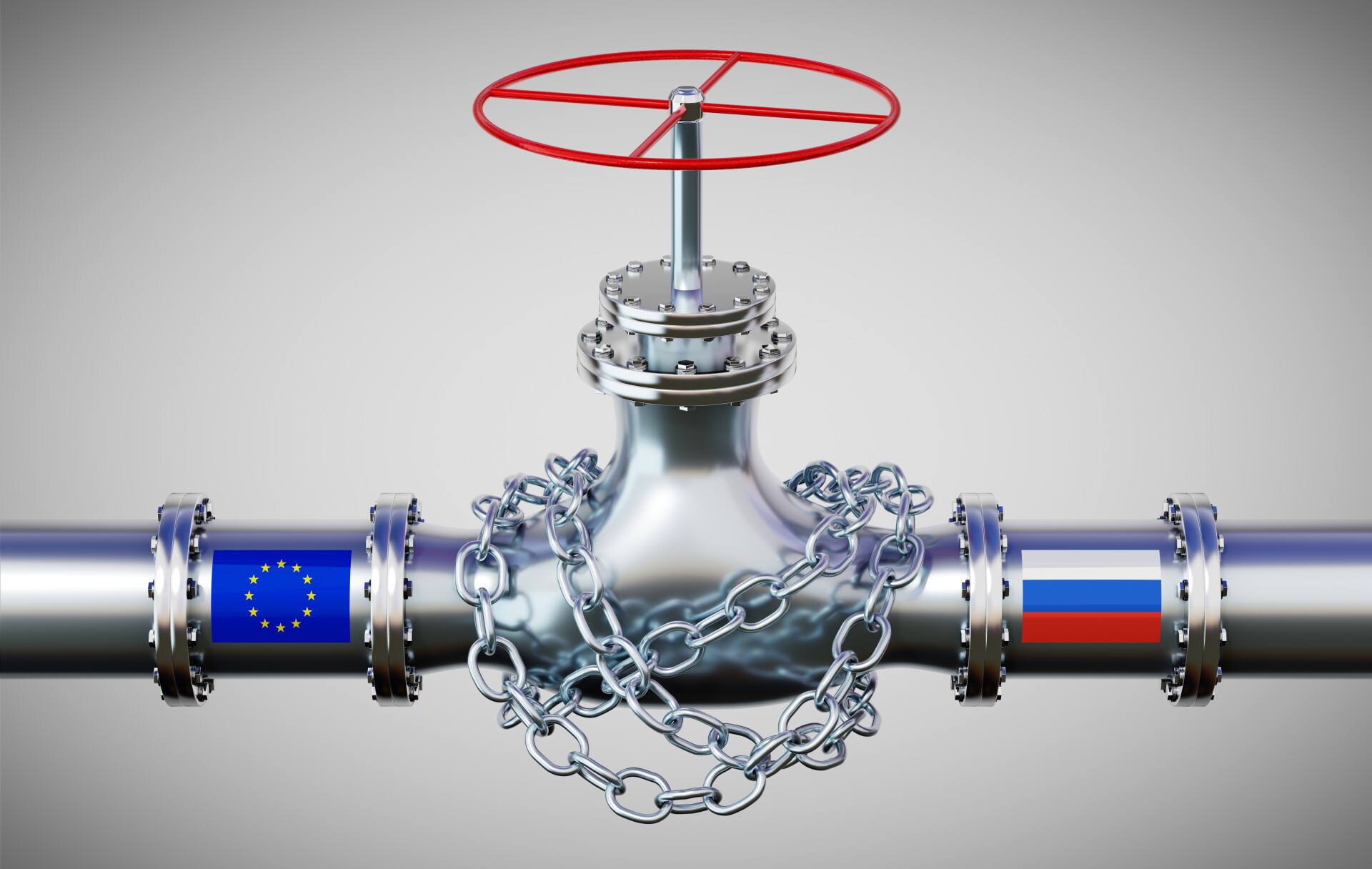
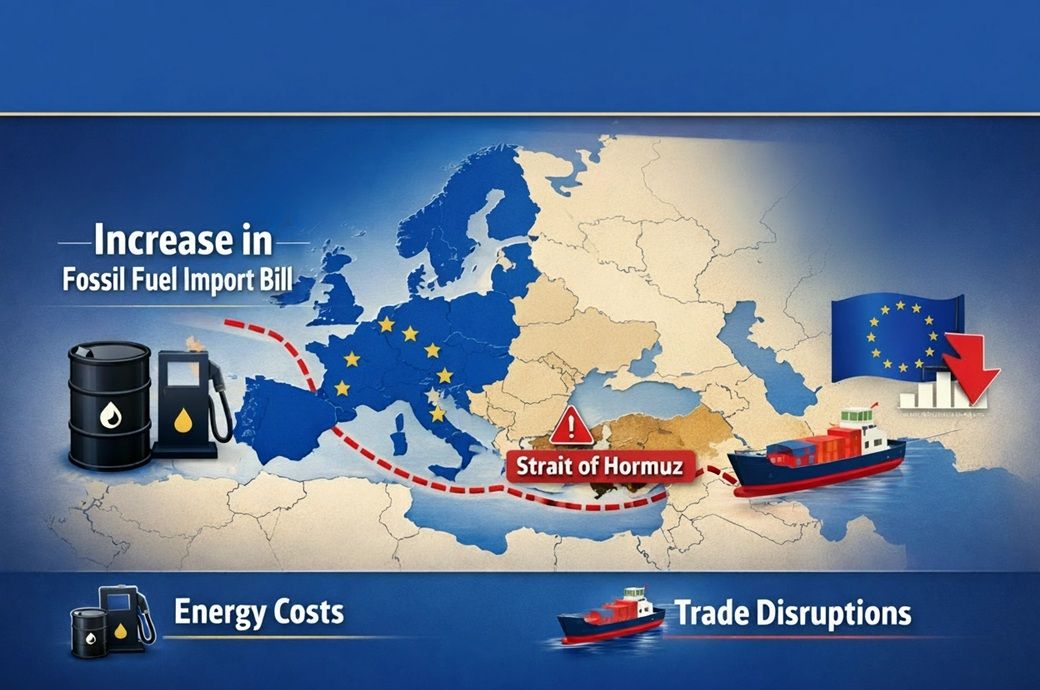
The European Union is executing a comprehensive energy policy overhaul triggered by the Iran geopolitical crisis (February 28, 2026 escalation), which caused European gas prices to nearly double within three weeks and remain 35% above pre-war levels. The EU Council approved draft conclusions on April 14, 2026, with formal foreign affairs minister approval expected April 15, while the European Commission will publish its formal proposal on April 22. This represents a critical tariff arbitrage and cost structure opportunity for cross-border e-commerce sellers operating in or shipping to Europe.
The immediate policy mechanics create three distinct seller advantage windows: First, electricity taxation changes proposed in May 2026 will enable EU governments to reduce or eliminate electricity taxes for energy-intensive industries—directly benefiting warehousing, fulfillment centers, and cold-chain logistics operations. Sellers operating 3PL facilities in Germany, Netherlands, and Poland could see operational cost reductions of 8-15% on electricity expenses, translating to $15,000-45,000 annual savings for mid-sized fulfillment operations (5,000-15,000 monthly units). Second, the coordinated EU gas storage strategy beginning immediately aims to stabilize energy prices across member states, reducing logistics cost volatility that currently affects shipping rates and last-mile delivery expenses. Third, the electrification target proposed before summer 2026 incentivizes industrial switching from fossil fuels to electricity, creating competitive advantages for sellers who pre-position renewable energy-powered fulfillment infrastructure.
For competitive positioning, this policy creates a 12-18 month implementation window before competitors fully capitalize on cost advantages. The EU acknowledges that changing tax rules requires unanimous member state approval—a significant friction point evidenced by a similar 2021 proposal remaining stalled. However, the geopolitical urgency and energy security framing suggest faster approval than typical EU legislative processes. Sellers should immediately audit their EU logistics footprint: those with facilities in early-adopter countries (likely Germany, France, Netherlands) will capture cost advantages first. The policy also integrates defense and clean technology development, signaling that future trade agreements will embed environmental compliance requirements—creating opportunities for sellers offering sustainable packaging solutions and renewable energy-powered fulfillment services. The Paris Agreement emphasis in trade negotiations suggests tariff incentives may emerge for low-carbon logistics providers by Q4 2026.
Strategic sourcing implications are substantial. The policy's focus on EU energy independence and homegrown renewable sources creates tariff arbitrage opportunities: products manufactured in EU countries with renewable energy infrastructure (Denmark, Sweden, Austria) may receive preferential treatment in future trade agreements compared to imports from fossil fuel-dependent regions. Sellers should evaluate sourcing shifts from China/India to EU manufacturers for categories where energy costs represent 15%+ of production expenses (electronics, chemicals, textiles). The coordinated gas storage strategy also signals price stabilization, reducing the hedging premium sellers currently build into logistics costs—potentially enabling 3-5% margin expansion for sellers who lock in long-term 3PL contracts before May 2026 implementation.
Questions 8
How much will EU electricity tax cuts reduce fulfillment center operating costs for cross-border sellers?
The EU's May 2026 tax rule changes will enable governments to reduce or eliminate electricity taxes for energy-intensive industries, potentially lowering fulfillment center costs by 8-15% depending on member state implementation. For a mid-sized seller operating a 10,000 sq ft warehouse with 5,000-15,000 monthly unit throughput, this translates to $15,000-45,000 annual savings. However, implementation timelines vary by country—early adopters like Germany and Netherlands may implement by Q3 2026, while others may extend into 2027. Sellers should contact their 3PL providers immediately to understand facility-specific electricity cost structures and potential savings timelines.
When will the EU electricity tax proposal become effective for sellers operating in Europe?
The European Commission will publish its formal proposal on April 22, 2026, with legal changes to taxation rules proposed in May 2026. However, the EU acknowledges that unanimous member state approval is required—a significant implementation hurdle evidenced by a similar 2021 proposal remaining stalled. Realistic implementation timeline is 12-18 months from proposal date, placing full effectiveness in Q4 2026 to Q2 2027. Sellers should monitor the Council of the EU website for member state voting schedules and prepare logistics contracts with 18-month renewal windows to capture cost advantages as they become available by region.