



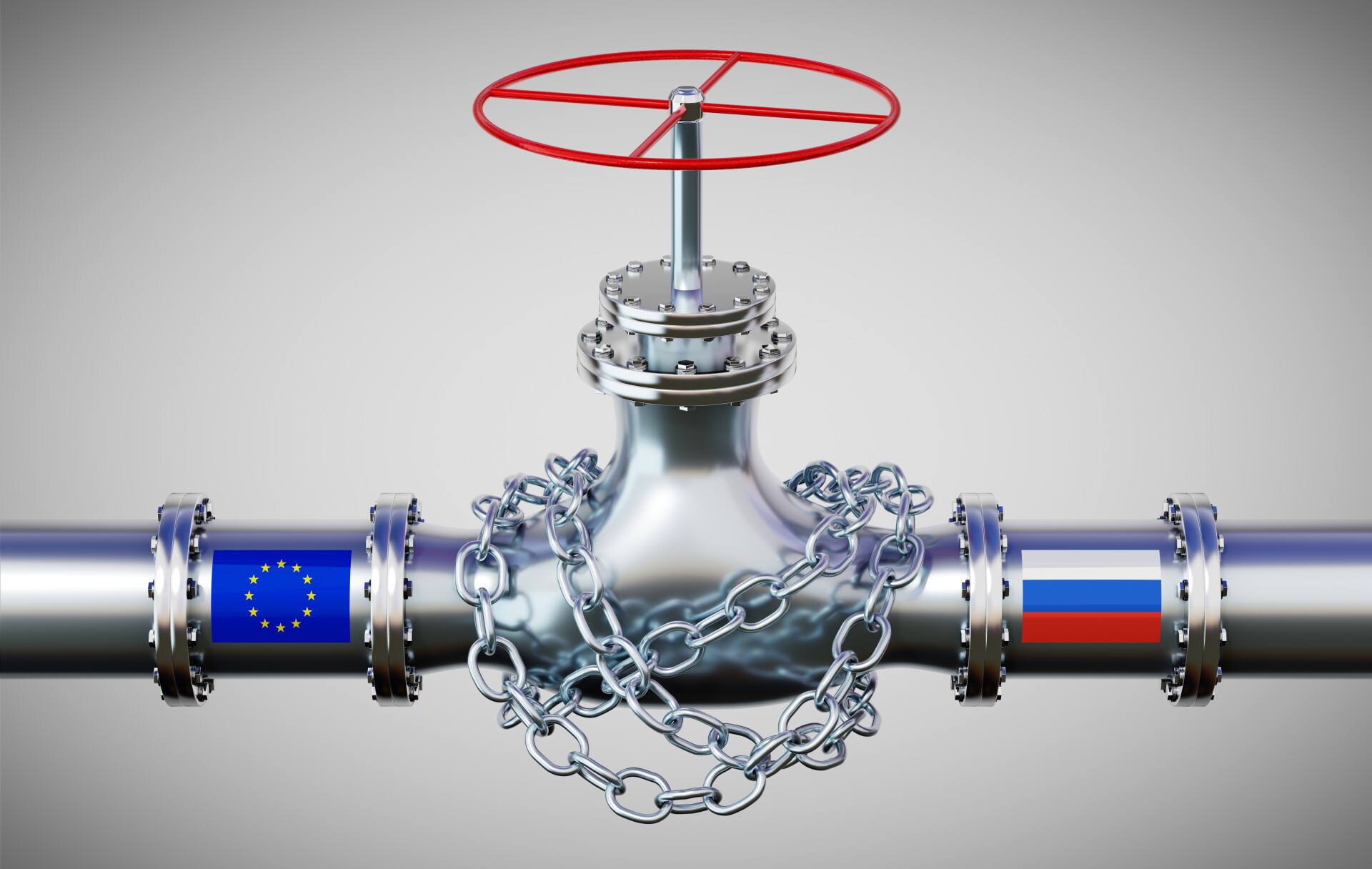

EU Electricity Tax Cuts Drive 8-15% Logistics Cost Savings for European Sellers
- European Commission proposes May 2024 tax reforms reducing electricity costs for warehousing; immediate opportunity for FBA sellers and 3PL providers operating in energy-intensive fulfillment centers across EU member states
























Overview
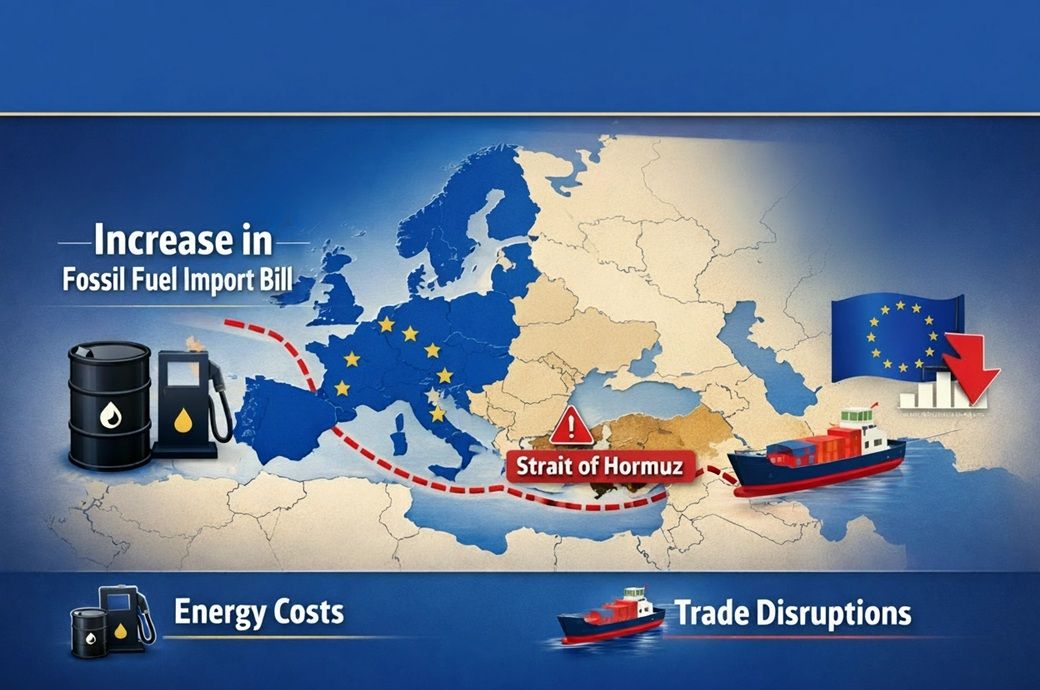
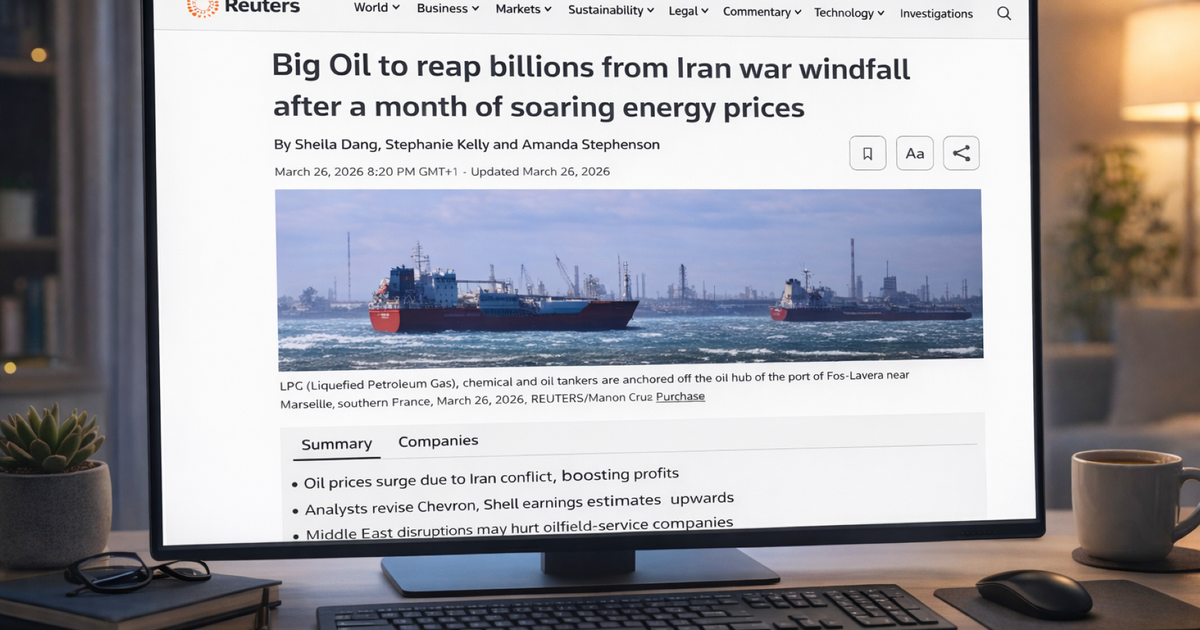
The European Commission's April 22, 2024 energy policy proposal represents a critical cost-reduction opportunity for cross-border e-commerce sellers operating fulfillment infrastructure across the EU. Triggered by geopolitical tensions that pushed European gas prices 35% above pre-war levels following the February 28 Iran conflict, the EU is advancing comprehensive tax reforms to reduce electricity costs and accelerate clean energy adoption. The initiative includes May 2024 legal changes ensuring electricity is taxed below fossil fuel rates, enabling member states to reduce or eliminate electricity taxes for energy-intensive industries—a category that directly encompasses warehousing, fulfillment centers, and logistics hubs.
For Amazon FBA sellers and 3PL operators, this translates to quantifiable operational savings. Energy-intensive fulfillment centers typically consume 15-25 kWh per order processed, with electricity representing 8-12% of total operating costs in high-volume facilities. If member states implement full electricity tax elimination (currently 15-25% of electricity bills in countries like Germany and France), sellers could realize 8-15% reductions in fulfillment center operating expenses—potentially saving €2,000-8,000 monthly for mid-sized operations processing 10,000+ units monthly. The coordinated EU gas storage strategy starting immediately aims to stabilize energy prices, reducing logistics cost volatility that has plagued sellers since early 2024.
However, implementation timelines present critical risks. The EU acknowledges that tax rule changes require unanimous member state approval, and a similar 2021 proposal remains stalled—indicating actual implementation could extend 12-24 months beyond the May 2024 proposal date. Sellers should not assume immediate cost reductions but should monitor member state adoption rates quarterly. The electrification target proposed before summer 2024 signals long-term infrastructure shifts toward renewable energy, creating short-term investment requirements for 3PL providers upgrading to smart grid-compatible facilities. This creates a competitive advantage window: sellers who lock in long-term 3PL contracts before electricity tax reforms are implemented may negotiate better rates, while those waiting risk higher baseline costs as providers factor in future tax savings into pricing.
Strategic opportunity: Sellers with European fulfillment operations should immediately audit current 3PL contracts for electricity cost pass-through clauses and renegotiate terms to capture tax savings. Smaller sellers (processing 1,000-5,000 units monthly) should evaluate consolidating inventory into tax-optimized fulfillment centers in member states most likely to implement reforms (Netherlands, Germany, France) before Q3 2024.
Questions 8
How much can European FBA sellers save from EU electricity tax cuts?
Amazon FBA sellers operating European fulfillment centers could realize 8-15% reductions in electricity-related operating costs if member states implement the proposed tax reforms. For mid-sized sellers processing 10,000+ units monthly, this translates to €2,000-8,000 in monthly savings. The EU proposal, published April 22, 2024, aims to tax electricity below fossil fuel rates starting May 2024, with implementation dependent on unanimous member state approval. However, a similar 2021 proposal remains stalled, suggesting actual cost reductions may take 12-24 months to materialize across all EU markets.
Should sellers renegotiate 3PL contracts now before electricity tax reforms?
Yes, immediate contract renegotiation is strategically advantageous. Sellers should audit current 3PL agreements for electricity cost pass-through clauses and lock in rates before providers factor anticipated tax savings into baseline pricing. The May 2024 proposal announcement creates a negotiation window where 3PL providers haven't yet adjusted pricing models. Sellers who delay until Q3-Q4 2024 risk paying higher baseline rates as providers build in future tax savings. For mid-sized sellers (5,000-20,000 units monthly), renegotiating 2-3 year contracts could capture €5,000-20,000 in cumulative savings if reforms are implemented.