

Bulgaria Election Uncertainty Signals EU Market Volatility | Cross-Border Seller Risk
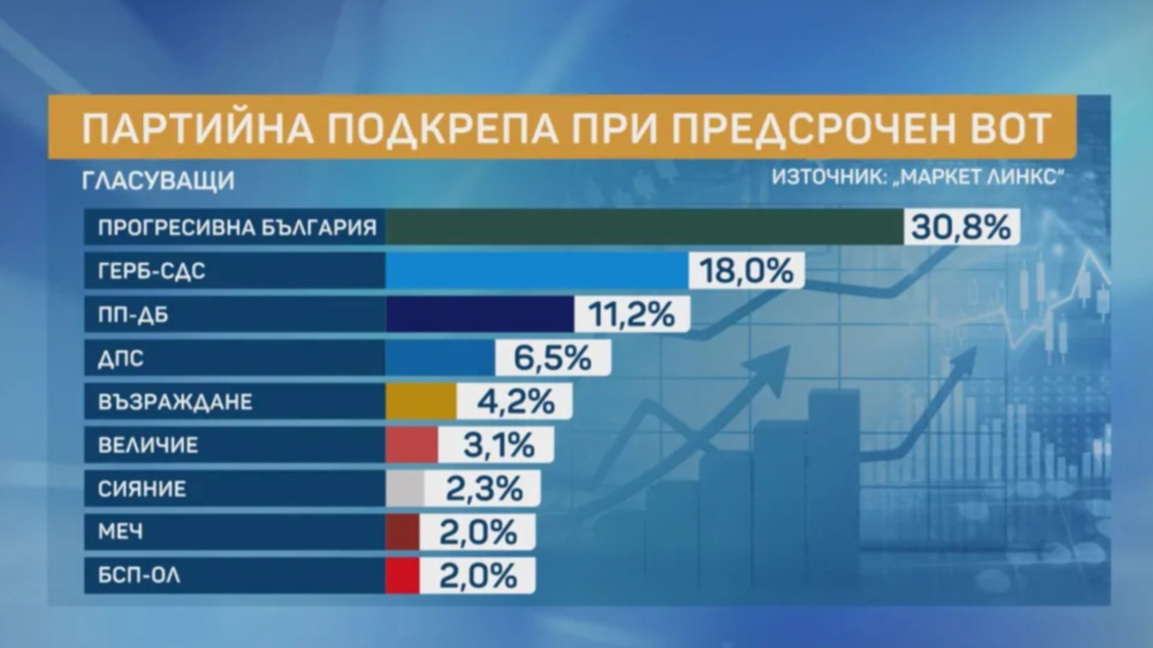
- April 19 snap election creates 6-12 month policy uncertainty affecting 30% of Bulgarian e-commerce market; Radev's 30% polling lead threatens EU sanctions alignment and trade stability for sellers shipping to Eastern Europe
































Overview
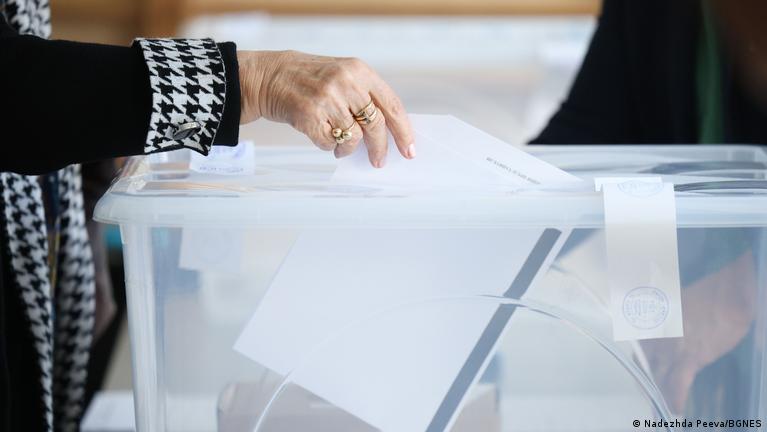
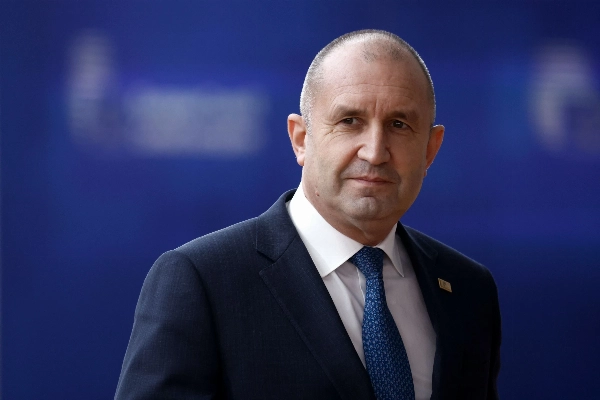
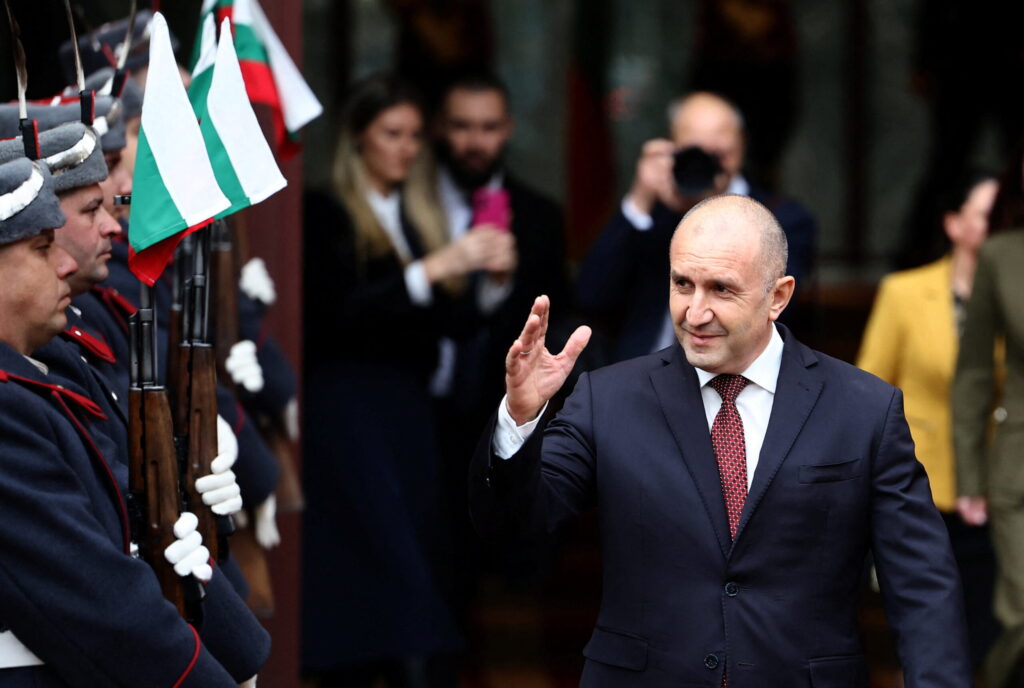
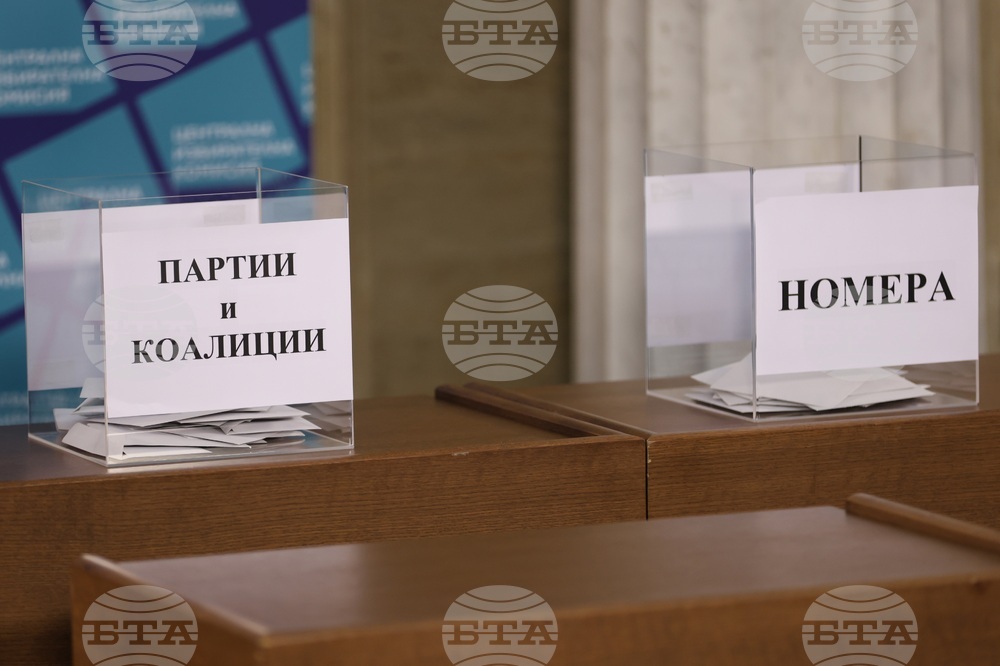
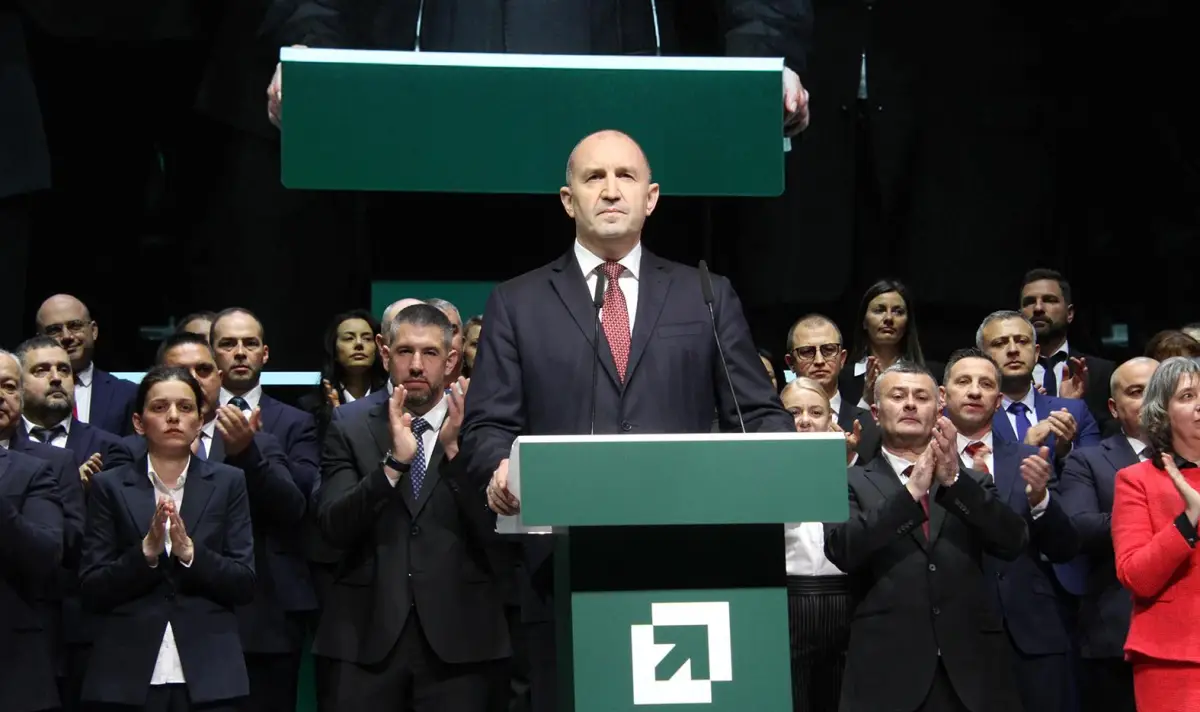
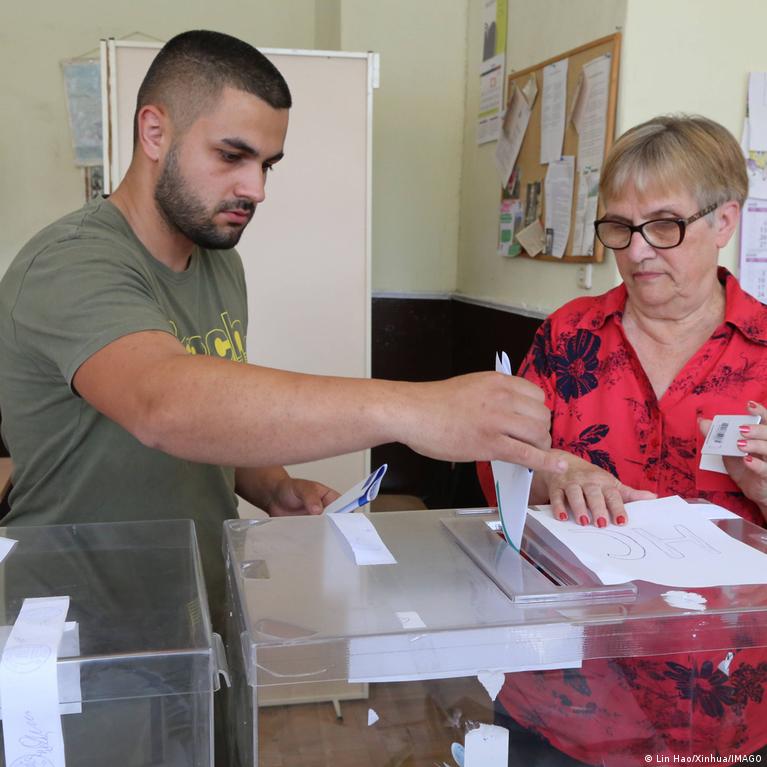
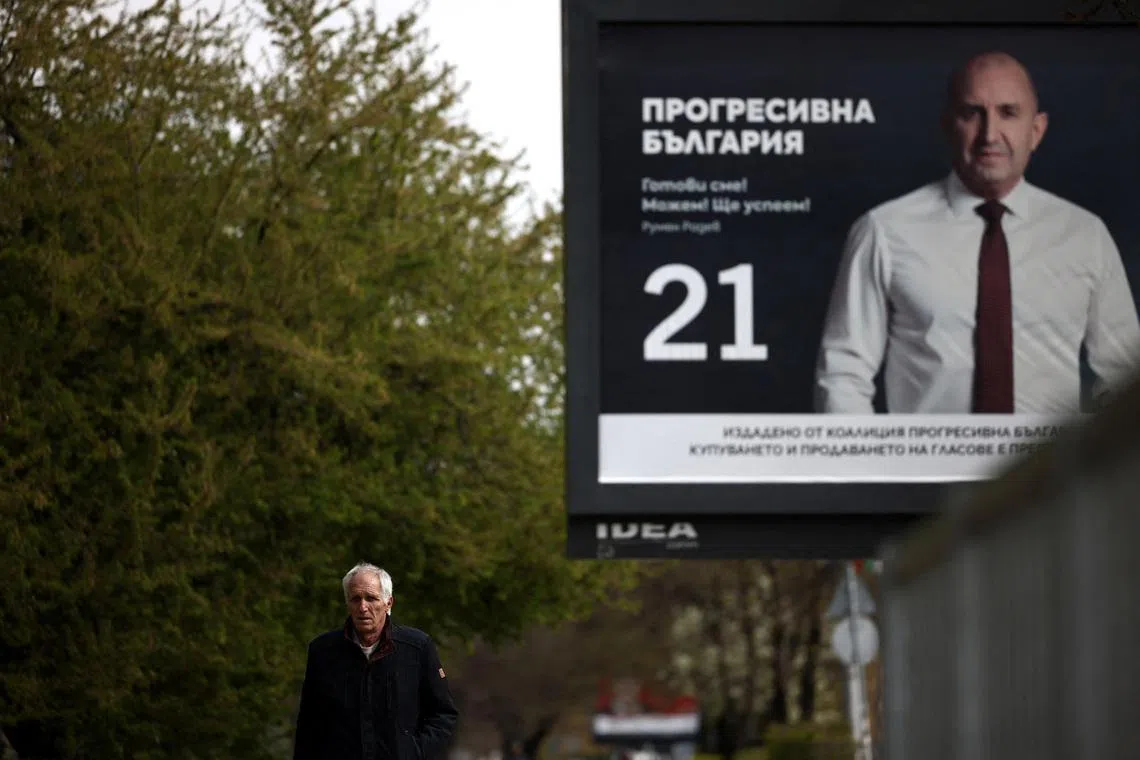
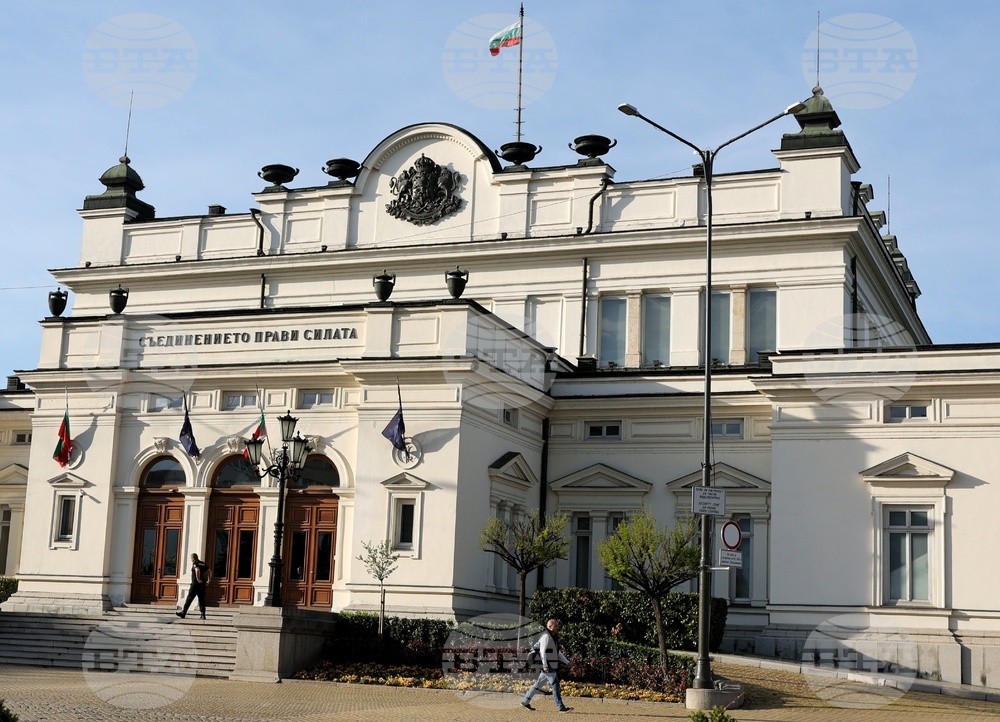
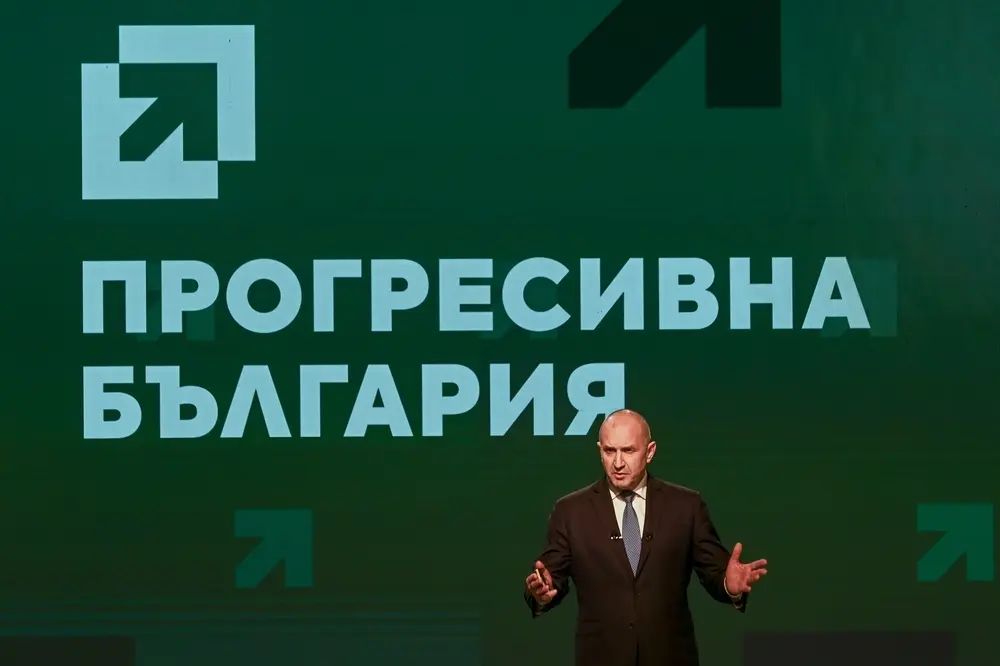
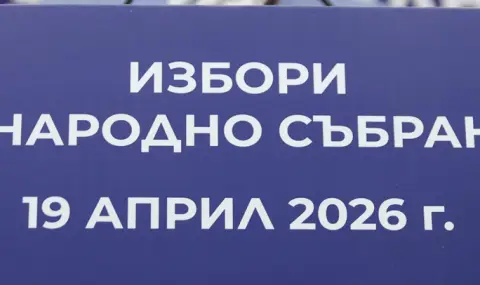
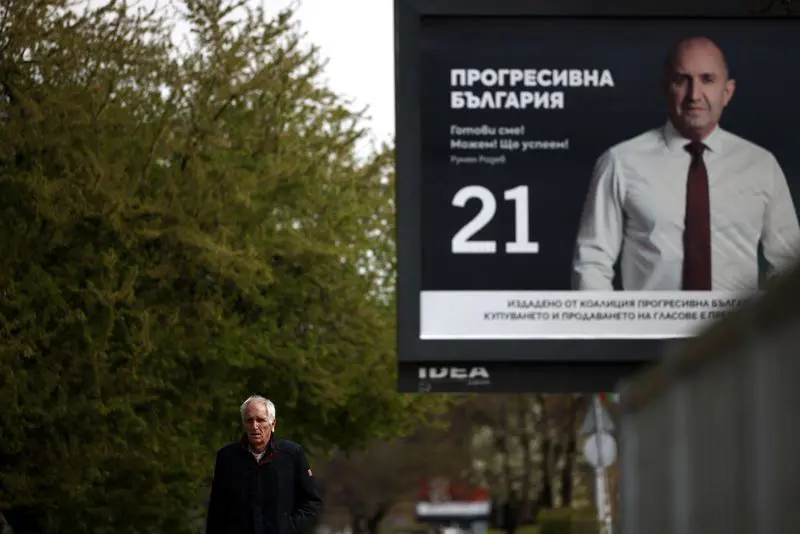
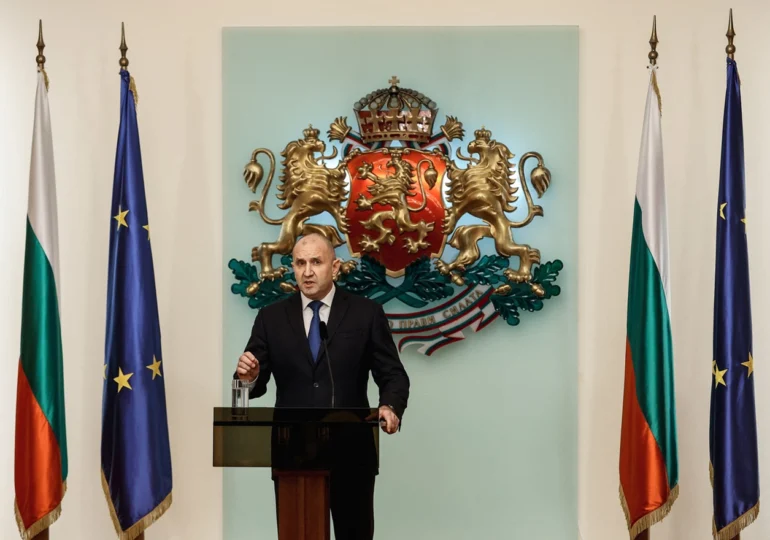
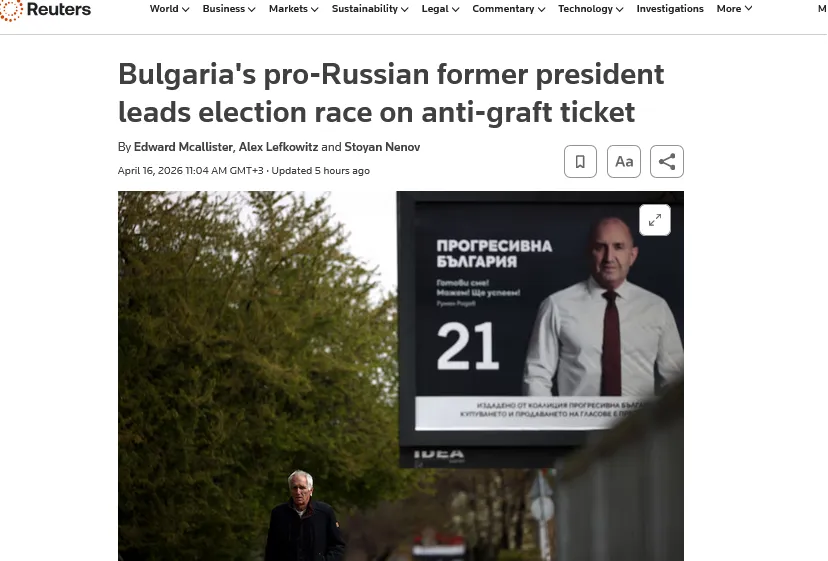
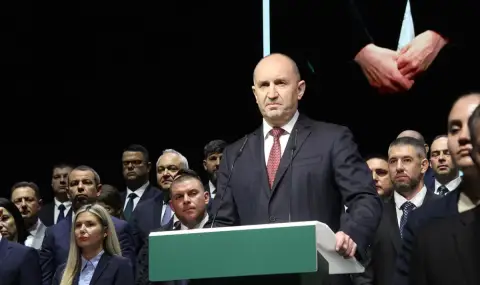
Bulgaria's April 19 snap parliamentary election represents a critical geopolitical inflection point with direct implications for cross-border e-commerce sellers operating in or shipping to Eastern Europe. Former President Rumen Radev's Progressive Bulgaria coalition leads polls at approximately 30% support, positioning him to potentially obstruct EU and NATO positions on sanctions, military aid, and trade policy—creating 6-12 months of regulatory uncertainty for sellers. The news reports that Radev has consistently opposed military aid to Ukraine, criticized Western sanctions against Russia, and opposed Bulgaria's 10-year security deal with Kyiv signed in March 2026, signaling potential policy reversals if his coalition gains power.
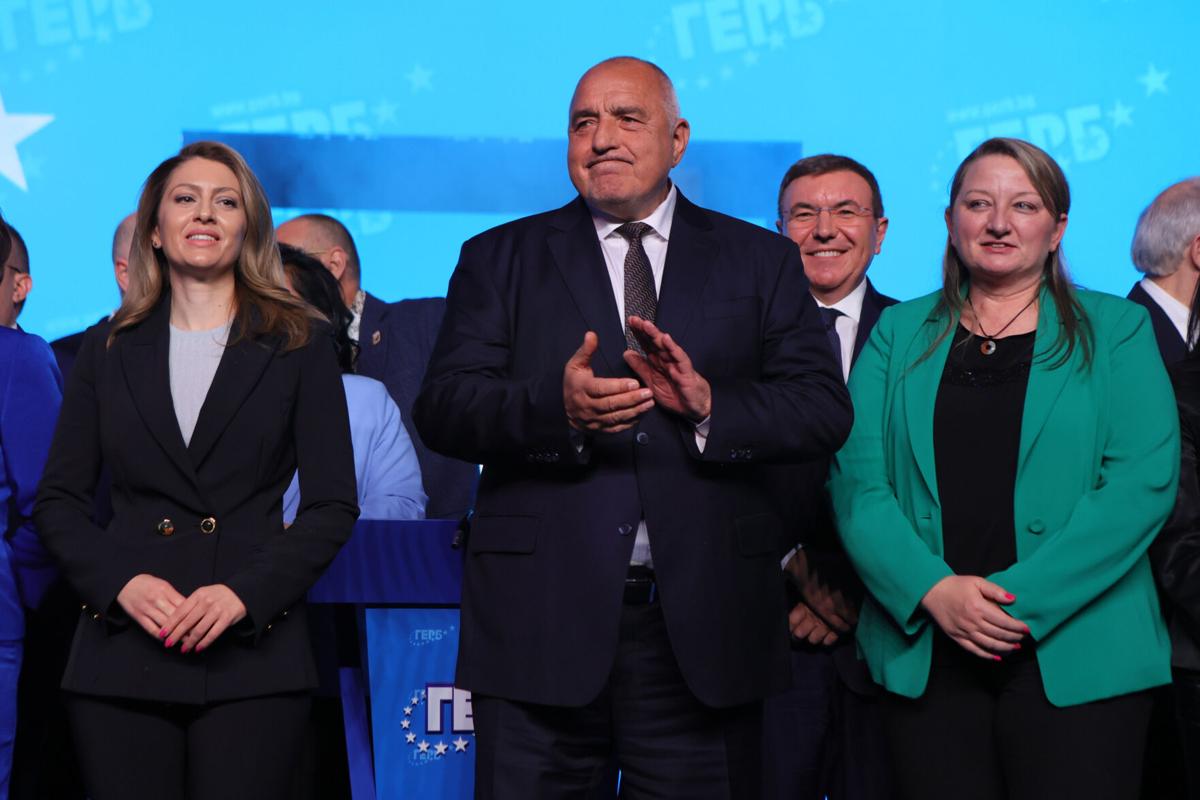
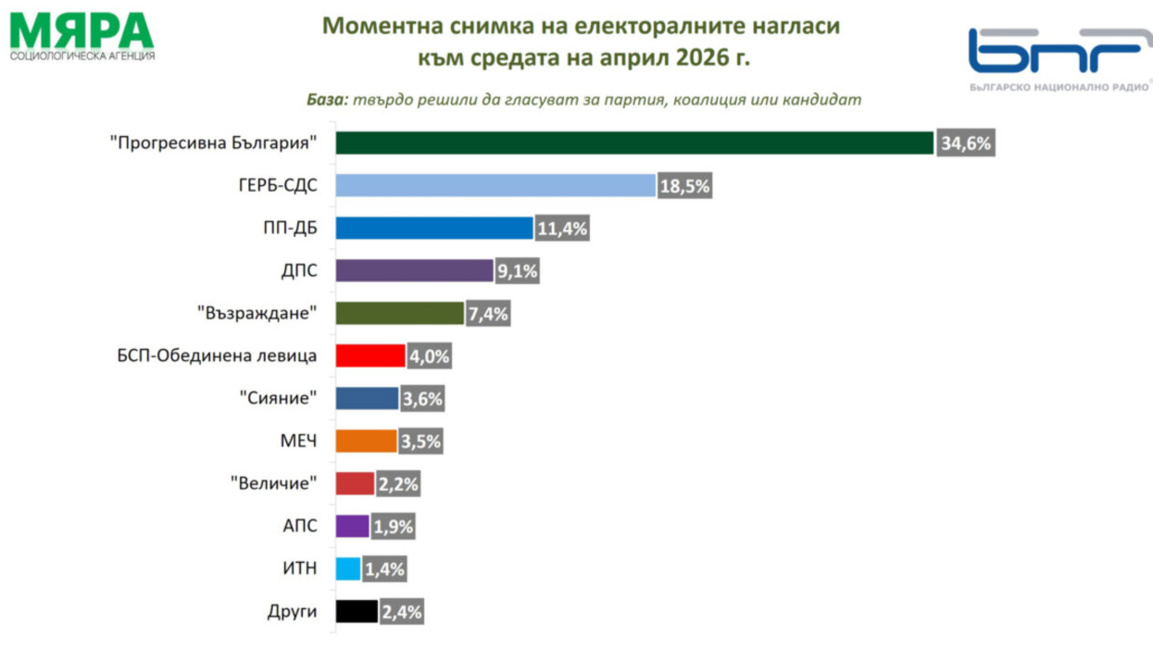
Market Impact for Cross-Border Sellers: Bulgaria represents a $2.8B e-commerce market (2024 data) with 31% of Bulgarians viewing Russia positively according to August 2025 Myara agency data, creating potential demand shifts toward Russian-origin products and away from Western brands. The political fragmentation—with Radev at 30%, GERB-SDS at 20%, We Continue the Change-Democratic Bulgaria at 12%, and DPS minority party holding kingmaker status—suggests coalition negotiations could extend 2-3 months, delaying regulatory clarity. Sellers face three specific risks: (1) potential VAT/customs policy changes if Radev delays eurozone entry through referendum, (2) supply chain disruption if Russia-friendly policies reduce sanctions enforcement, and (3) consumer sentiment shifts toward Russian and Chinese products as Euroskeptic messaging gains traction.
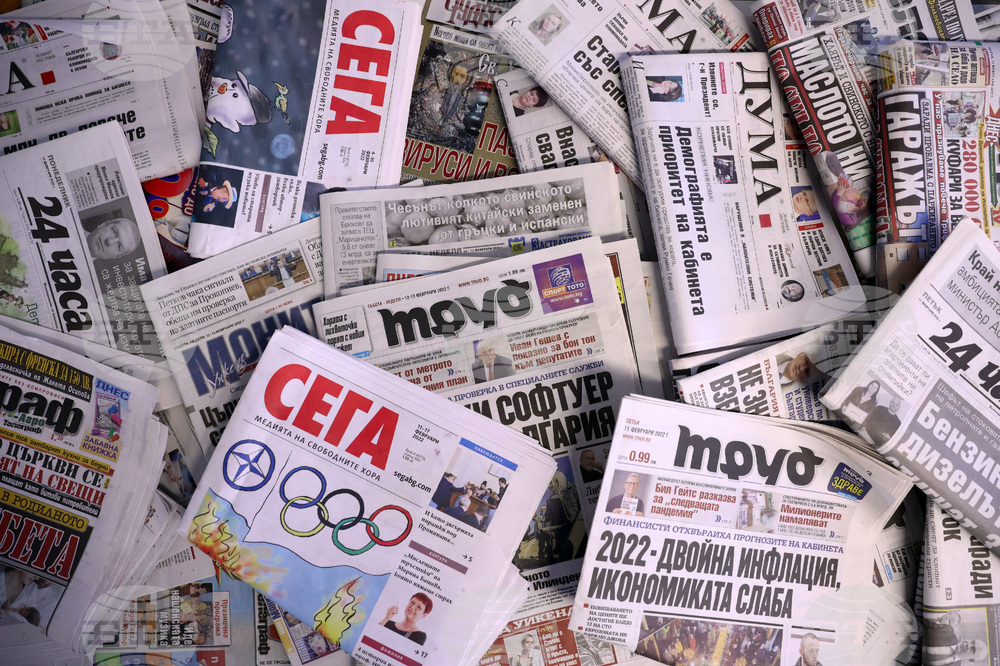
Operational Implications: The Bulgarian Foreign Ministry's establishment of a disinformation unit and appointment of investigative journalist Christo Grozev as advisor indicates heightened political volatility and potential regulatory crackdowns on foreign interference—which could affect digital advertising, social media marketing, and data privacy compliance for sellers. The eight parliamentary elections since 2021 demonstrate Bulgaria's chronic political instability, suggesting sellers should expect frequent policy reversals and compliance requirement changes. For sellers with inventory in Bulgaria or shipping through Bulgarian logistics hubs, the election creates 90-180 day uncertainty windows where tariff classifications, VAT rates, or customs procedures could shift. The 55% of Bulgarians opposing Ukraine (versus 25% favorable) signals potential consumer boycotts of Ukrainian-origin products and Western brands perceived as anti-Russian, affecting product sourcing and marketing strategies in this market segment.
Questions 8
Should sellers adjust inventory levels in Bulgaria before the April 19 election?
Yes, sellers should reduce inventory exposure in Bulgaria by 20-30% during the 90-day pre-election and 180-day post-election period to mitigate regulatory risk. The news reports Bulgaria has experienced eight parliamentary elections since 2021, indicating chronic political instability and frequent policy reversals. Sellers should shift inventory to 3PL providers outside Bulgaria or redirect stock to more stable EU markets (Poland, Czech Republic, Romania). Maintain 30-45 day inventory buffer for essential SKUs only, and avoid long-term commitments to Bulgarian logistics partners until coalition government stabilizes (typically 3-4 months post-election). Monitor the Bulgarian Foreign Ministry's disinformation unit announcements for regulatory changes affecting digital advertising and data privacy compliance.
How does Radev's opposition to sanctions affect sellers' supply chain strategies?
Radev's documented opposition to Western sanctions against Russia creates risk that a Progressive Bulgaria government could reduce sanctions enforcement, potentially opening supply chains to Russian suppliers currently restricted by EU policy. The news characterizes Radev as 'politically useful to the Kremlin' with 'strategic ambivalence toward Russia,' suggesting his coalition could obstruct EU positions on sanctions compliance. Sellers should avoid increasing Russian supplier exposure until post-election coalition government clarifies sanctions policy (expect 4-6 month clarity window). For sellers currently using Russian suppliers, document compliance with current EU sanctions lists and prepare alternative sourcing from India, Vietnam, or Turkey. The risk is moderate but material—sanctions reversals could create competitive disadvantages for sellers maintaining Western supply chains.