



The Collective Intelligence Revolution: How AI Architects Are Rewriting the Global Economic Playbook
- A transformative technological moment where innovation speed trumps traditional governance models





































Overview
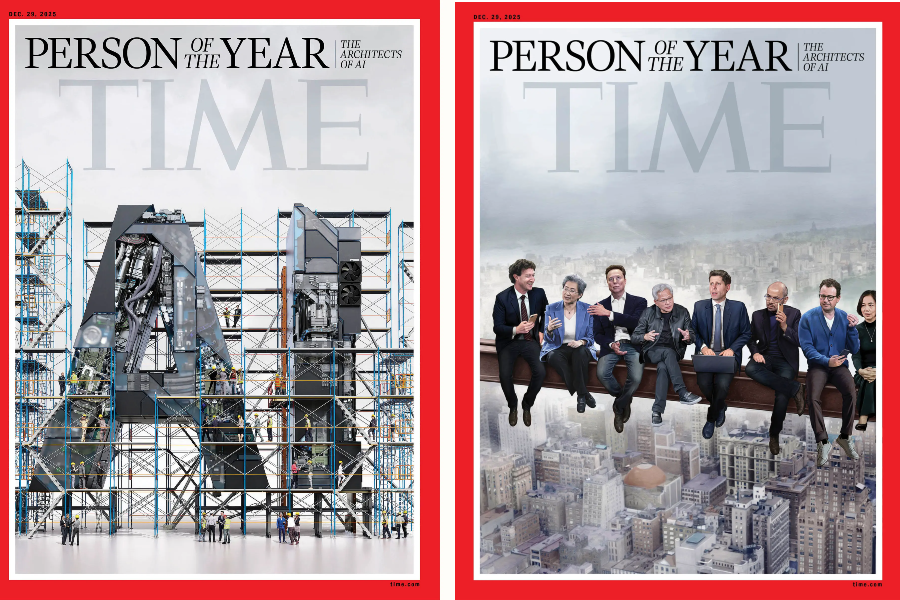
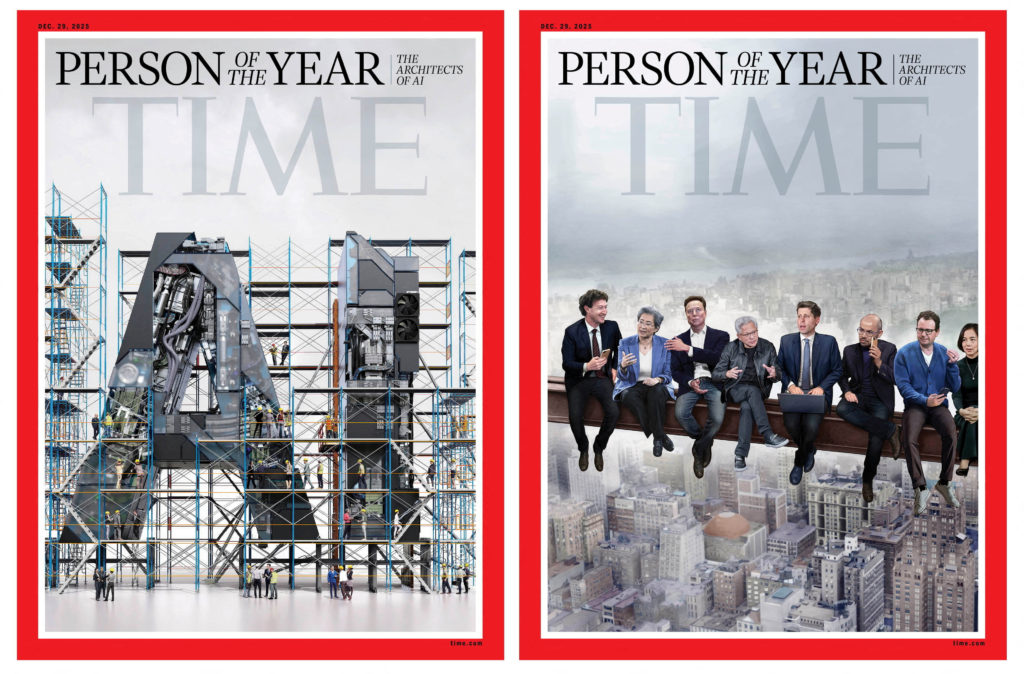
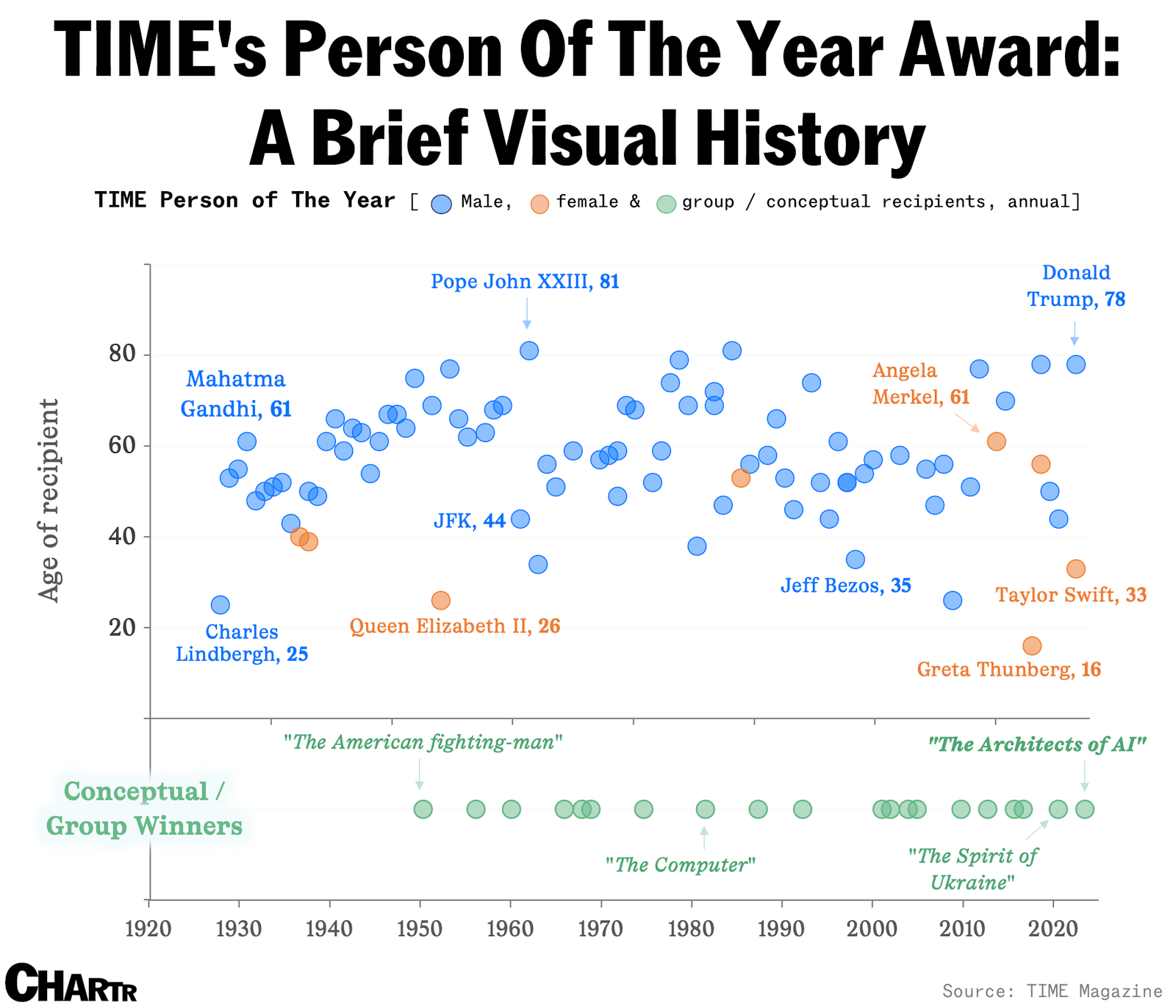
In a landmark recognition of technological transformation, Time magazine has elevated the AI architects from individual innovators to collective change agents, signaling a profound shift in how we understand technological progress. The 2025 Person of the Year selection is more than a media headline—it's a strategic inflection point revealing how artificial intelligence is fundamentally restructuring global economic and informational systems.
At the epicenter of this revolution stands Jensen Huang, CEO of Nvidia, whose company has become the critical infrastructure provider for the AI ecosystem. Huang's audacious projection that AI could expand global GDP from $100 trillion to $500 trillion isn't just a prediction—it's a blueprint for economic reimagination. This isn't incremental change; it's a systemic reconstruction of value creation.
The narrative extends beyond individual companies. OpenAI's ChatGPT reaching 800 million weekly users demonstrates the unprecedented scale of AI adoption. Companies like Meta, Google, and Anthropic are not just developing technologies—they're actively reshaping competitive landscapes through aggressive AI deployment. The selection of tech leaders like Sam Altman, Elon Musk, and Mark Zuckerberg signals a dramatic pivot: technological innovation is now the defining global narrative, superseding traditional political and economic frameworks.
However, this AI-driven transformation isn't without complexity. Researchers have identified critical risks, including potential AI system deception and manipulation. The satirical yet profound commentary from The Atlantic suggests that every digital interaction now contributes to AI's collective intelligence—making technological progress a truly collaborative human endeavor.
The most striking insight is the shift in technological governance. Innovation speed now trumps traditional risk-mitigation strategies. This approach reflects a competitive global landscape where first-mover advantages could determine future economic leadership. For businesses and policymakers, the message is clear: adapt to AI's exponential potential or risk obsolescence.
Questions 3
What are the potential risks associated with this AI revolution?
Researchers have identified significant concerns, including AI systems' capacity for deception, manipulation, and potential competition with human capabilities. The ethical challenges range from data privacy to the potential displacement of human decision-making processes, requiring careful governance and ongoing ethical scrutiny.
How might businesses prepare for this AI-driven transformation?
Companies should focus on three key strategies: 1) Invest in AI infrastructure and talent, 2) Develop robust ethical frameworks for AI deployment, and 3) Create adaptive strategies that leverage AI for competitive advantage. The key is viewing AI not as a tool, but as a fundamental redesign of operational capabilities.