




D2C Brand Collapse & AI Pivot Signals Market Shift | Seller Strategy Lessons
- Allbirds' $4B→struggling decline shows DTC sustainability fatigue; 600% stock spike then crash reveals AI hype bubble risk for e-commerce sellers chasing trends without core competency

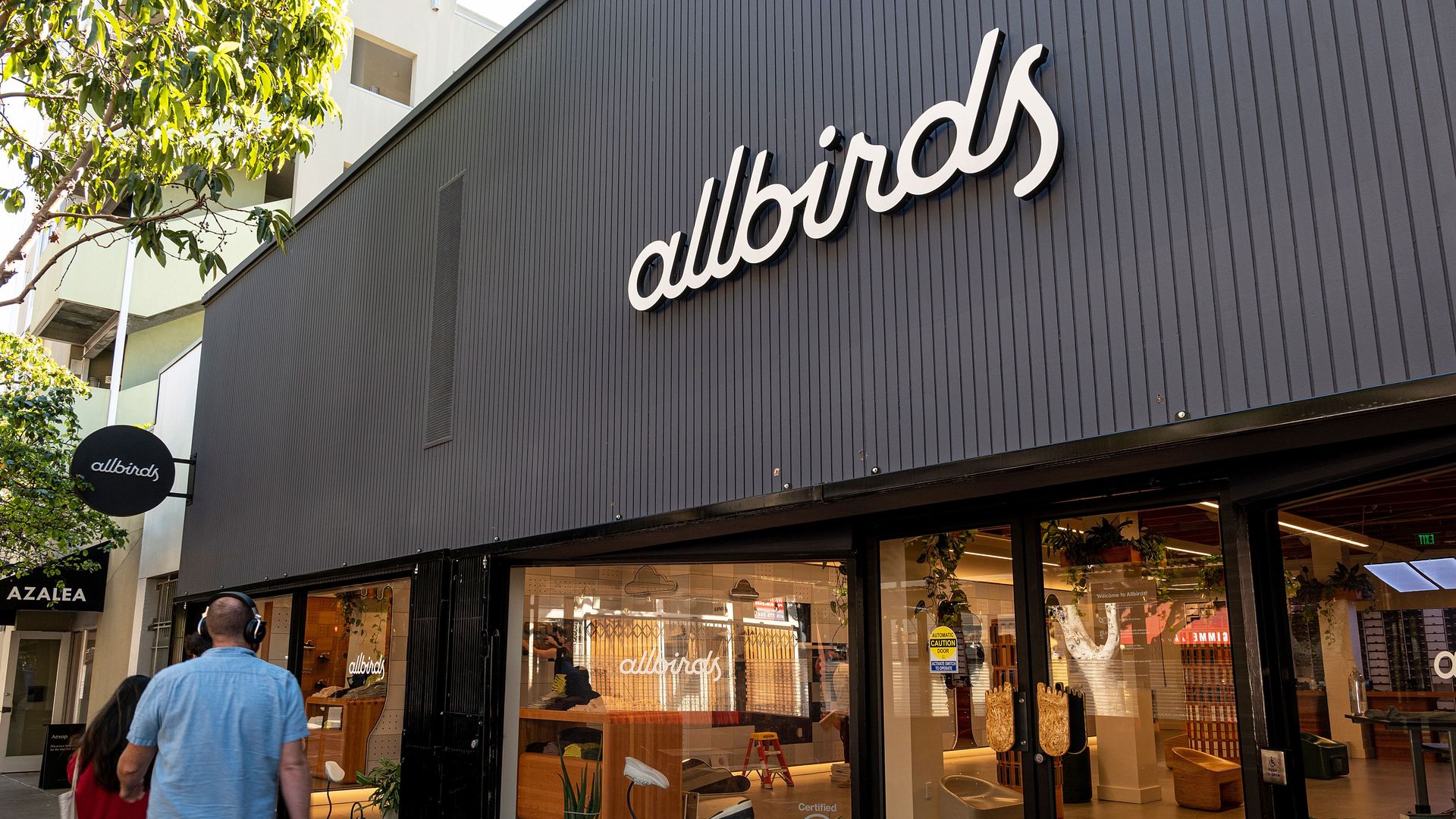












Overview
Allbirds' dramatic pivot from sustainable footwear to AI infrastructure represents a critical case study for e-commerce sellers navigating brand positioning and market volatility. The company, valued at $4 billion in 2021, announced a rebrand to "NewBird AI" with a $50 million investment in GPU chip leasing—abandoning its core shoe business after closing physical stores and experiencing significant sales decline. The stock surged 600% on the announcement, then tumbled as investors recognized the lack of strategic coherence. This pattern reveals three critical insights for cross-border sellers:
First, the DTC sustainability trend has matured and saturated. Allbirds' failed product diversification attempts (wool leggings, wool underwear) demonstrate that eco-conscious positioning alone cannot sustain premium pricing or market share growth. The sustainable footwear category, which generated $8-12B globally in 2021-2023, has fragmented as mainstream brands (Nike, Adidas, Puma) launched competing eco-lines, compressing margins for pure-play sustainability brands. Sellers in apparel and footwear should recognize that sustainability messaging requires operational differentiation—not just marketing claims—to maintain competitive advantage.
Second, the AI pivot illustrates the dangerous "shiny object" syndrome plaguing established brands. Allbirds' pivot away from proven manufacturing expertise toward GPU infrastructure—a field requiring specialized technical knowledge—mirrors broader market pressure where technology-focused ventures command 3-5x higher valuations than traditional retail. However, the subsequent stock collapse demonstrates that investors penalize unfocused pivots lacking clear operational synergies. For sellers, this signals: avoid chasing trending technologies (AI, blockchain, metaverse) without demonstrable customer value or operational efficiency gains. The market rewards execution within core competencies, not aspirational repositioning.
Third, public market perception directly impacts resource availability for product development and marketing. Allbirds' stock volatility constrains its ability to invest in inventory, fulfillment, and advertising—the exact resources needed to compete in e-commerce. Sellers should monitor how established competitors navigate AI integration; successful implementations (inventory optimization, demand forecasting, personalization) offer operational insights, while failed pivots demonstrate risks of losing focus on customer value propositions. The company's experience shows that brand equity erodes rapidly when strategic direction becomes unclear to both investors and consumers.
For cross-border sellers, the immediate lesson is strategic clarity. Maintain focus on core product categories where you have manufacturing relationships, supply chain expertise, and customer trust. Diversification should extend existing competencies (Allbirds' wool products made sense; GPU leasing does not), not abandon them. Monitor how competitors communicate AI integration—emphasize operational benefits (faster shipping, better recommendations) rather than technology for its own sake. Finally, recognize that market sentiment toward sustainability and eco-conscious brands is shifting; sellers in this category should emphasize durability, quality, and performance alongside environmental claims to justify premium positioning.
Questions 8
What are the warning signs that a seller's brand positioning is becoming unfocused?
Allbirds exhibited multiple warning signs: (1) Product diversification into unrelated categories (wool leggings, underwear) without clear customer demand or operational synergy; (2) Declining sales despite expansion efforts, indicating market rejection of new products; (3) Store closures and asset sales, signaling capital constraints and strategic retreat; (4) Radical pivot to unrelated business (GPU leasing), suggesting leadership lacks confidence in core business recovery. For sellers, monitor these metrics: declining repeat purchase rates, increasing inventory turnover time, rising customer acquisition costs, and negative feedback on new product launches. If core category sales decline while diversification fails, focus on operational excellence and customer retention in existing categories rather than pursuing new markets. Maintain strategic clarity—customers and investors reward focused execution over diversification attempts.
How can sellers avoid Allbirds' fate of brand equity erosion during strategic transitions?
Allbirds' brand equity collapsed because the AI pivot contradicted its core identity (sustainable footwear) without clear customer or operational benefits. Sellers should maintain brand coherence during transitions by: (1) Ensuring new initiatives extend existing customer relationships and supply chain expertise; (2) Communicating strategic changes with clear operational rationale, not aspirational technology adoption; (3) Preserving core product quality and customer service during expansion; (4) Testing new categories with limited inventory before major commitments. Allbirds' wool product line made sense (natural materials, sustainability positioning) but failed due to execution issues, not category mismatch. The GPU pivot destroyed brand equity because it signaled leadership had abandoned confidence in footwear. For sellers, strategic clarity and operational focus preserve brand trust—customers and investors penalize unfocused pivots that suggest leadership uncertainty.