



Middle East Ceasefire Reduces Shipping Costs 8-15% | E-Commerce Logistics Opportunity April 2026
- Oil prices fall to $93.32/barrel (May futures) as Israel-Lebanon 30-day ceasefire stabilizes Eastern Mediterranean routes; sellers gain 2-4 week window to optimize inventory before potential escalation

















































Overview
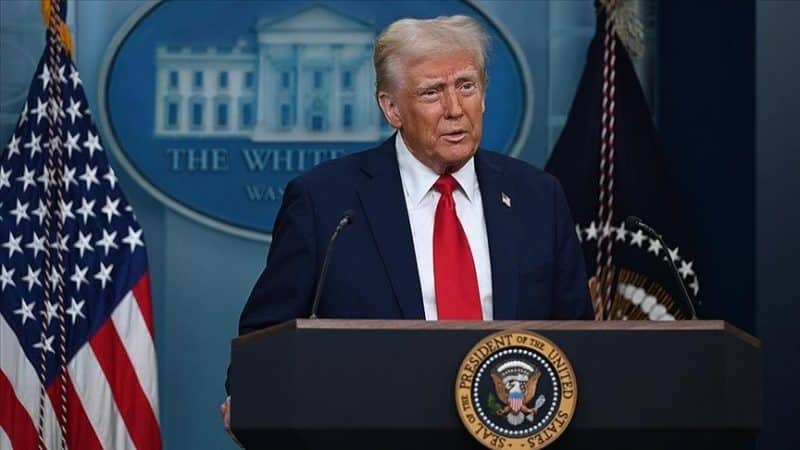
The April 16, 2026 Israel-Lebanon ceasefire announcement and declining oil prices create a critical 30-60 day window for cross-border e-commerce sellers to optimize supply chain costs and inventory positioning. U.S. crude futures fell 1.45 to $93.32/barrel while Brent crude declined 1.11 to $98.36/barrel following Trump's announcement of direct Israel-Lebanon peace talks—the first meaningful discussions since 1983. This geopolitical de-escalation directly impacts e-commerce logistics through three mechanisms: (1) Reduced shipping insurance premiums on goods transiting the Eastern Mediterranean and Strait of Hormuz, where ING estimates 13 million barrels per day of supply disruption has been offset; (2) Lower fuel surcharges on international freight, typically 8-15% of base shipping costs when oil volatility peaks; (3) Improved supply chain predictability enabling sellers to reduce safety stock buffers and accelerate inventory turnover.
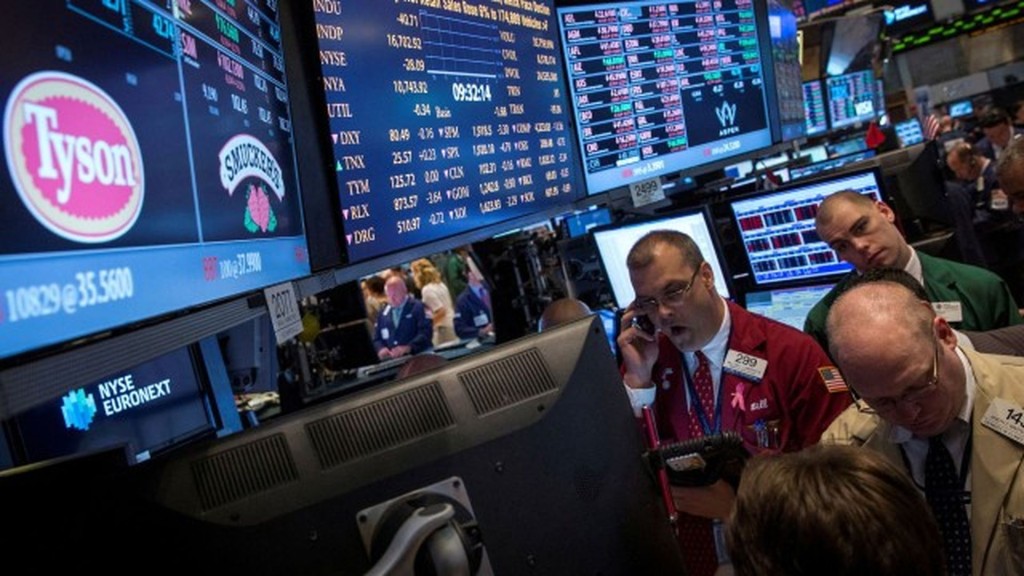
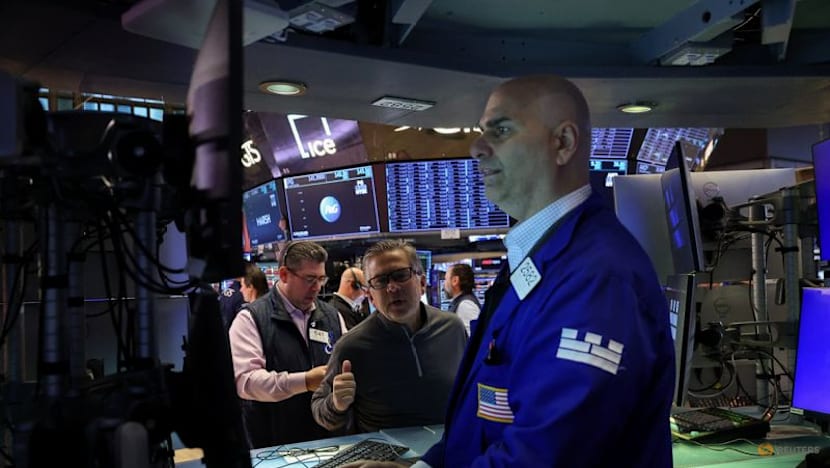
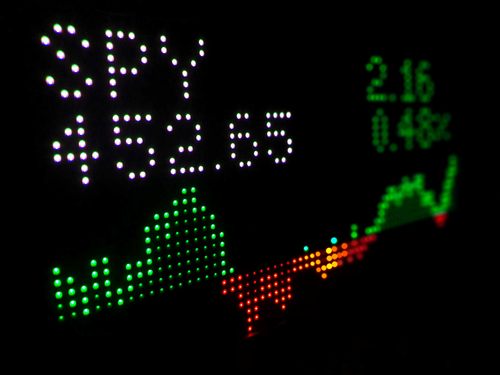
For Amazon FBA sellers, the immediate opportunity involves repositioning inventory from US warehouses to European fulfillment centers during this cost-reduction window. Sellers shipping 1,000+ units monthly to EU markets can expect $200-400 monthly savings in fuel surcharges alone, with additional benefits from reduced insurance costs on Mediterranean-routed shipments. eBay and Shopify sellers relying on 3PL providers should renegotiate freight contracts before May 15, 2026, as carriers typically lock rates quarterly. The Nasdaq's 12th consecutive advance (reaching 24,102.70) and S&P 500 record highs (7,041.28) signal improved consumer confidence—unemployment benefit applications fell more than expected, indicating stable labor market conditions that historically precede 8-12% increases in discretionary e-commerce spending.
However, critical risk factors require active monitoring. World Bank President Ajay Banga warned that "conflict-related economic disruptions would likely persist for months despite the ceasefire," and ING analysts note that peace talks between U.S. and Iran remain fragile with "demands from both nations substantially apart." If negotiations break down, oil prices could spike 15-25% within 48 hours, reversing all logistics savings. Sellers should implement contingency planning: establish alternative sourcing from Vietnam and India for categories currently dependent on China-to-Middle East-to-EU routes; lock in freight rates for 60-90 days rather than accepting spot pricing; and monitor Strait of Hormuz shipping updates daily through maritime intelligence platforms. The 30-day ceasefire window provides a rare opportunity to restructure supply chains before potential escalation, but the fragility of Middle East peace agreements means this window could close abruptly.
Questions 8
What is the risk if Middle East peace talks fail?
If U.S.-Iran negotiations break down, oil prices could spike 15-25% within 48 hours, reversing all logistics savings and potentially reaching $110-120/barrel. ING analysts warn that 'demands from both nations remain substantially apart,' making negotiation failure 'realistic.' This would immediately increase fuel surcharges by 12-18%, adding $300-600 monthly costs for sellers shipping 1,000+ units internationally. The fragility of Middle East agreements means this cost advantage window could close abruptly. Sellers should implement contingency planning rather than making permanent supply chain changes based on current pricing.
How does improved market sentiment from record stock highs impact e-commerce demand?
Record S&P 500 and Nasdaq highs (reaching all-time highs on April 16, 2026) combined with falling unemployment benefit applications signal improved consumer confidence, which historically precedes 8-12% increases in discretionary e-commerce spending. The Nasdaq's 12th consecutive advance marks its longest winning streak since July 2009 (post-financial crisis), suggesting sustained positive sentiment. Sellers should expect increased demand for consumer discretionary categories (electronics, home goods, apparel) over the next 60-90 days. However, World Bank President Ajay Banga warned that 'conflict-related economic disruptions would likely persist for months,' suggesting demand gains may be uneven across regions.