


Record Beef Prices Drive Summer Grilling Merchandise Boom | Seller Opportunity
- Live cattle futures hit $2.51/lb (highest since 1960s) as ground beef reaches $6.70/lb; creates 15-25% margin pressure on food sellers but unlocks $800M+ opportunity in grilling accessories, outdoor entertaining, and meat-alternative product categories through Q3 2026
















Overview
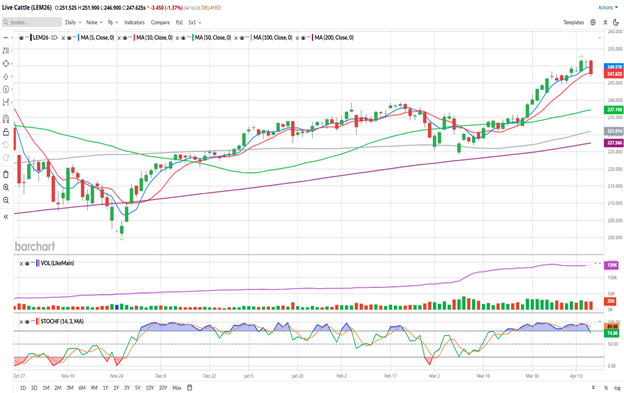
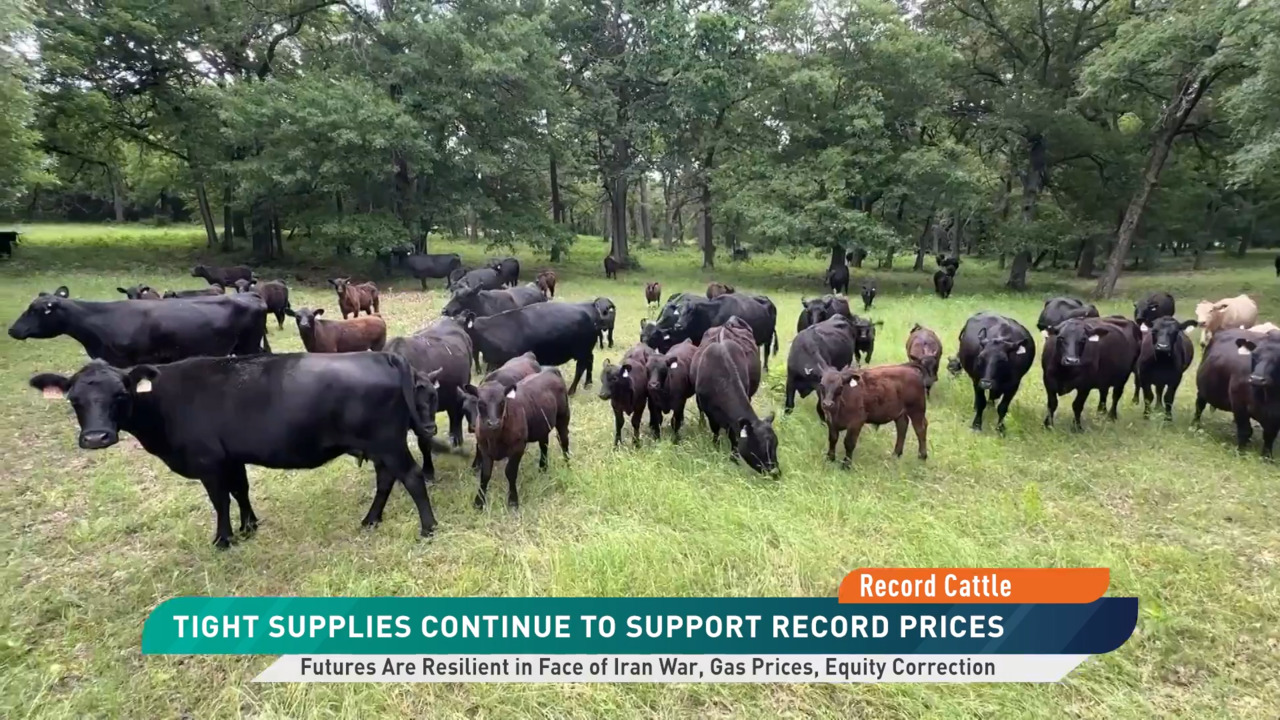
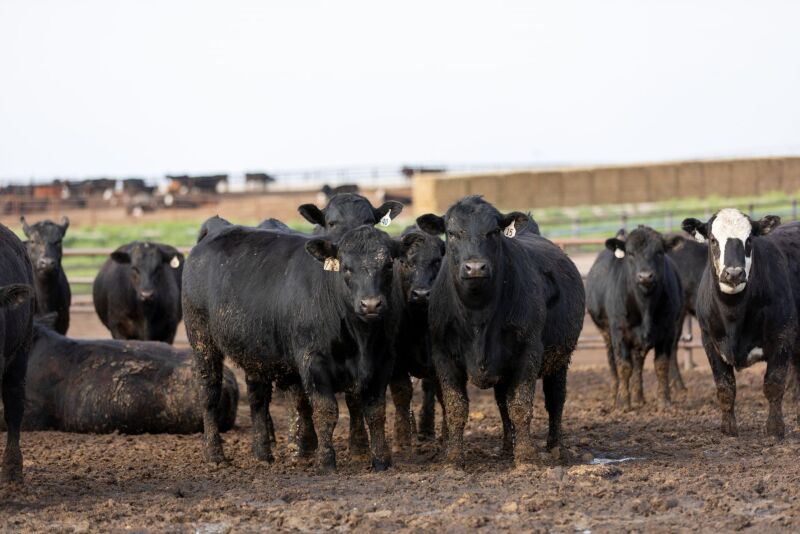
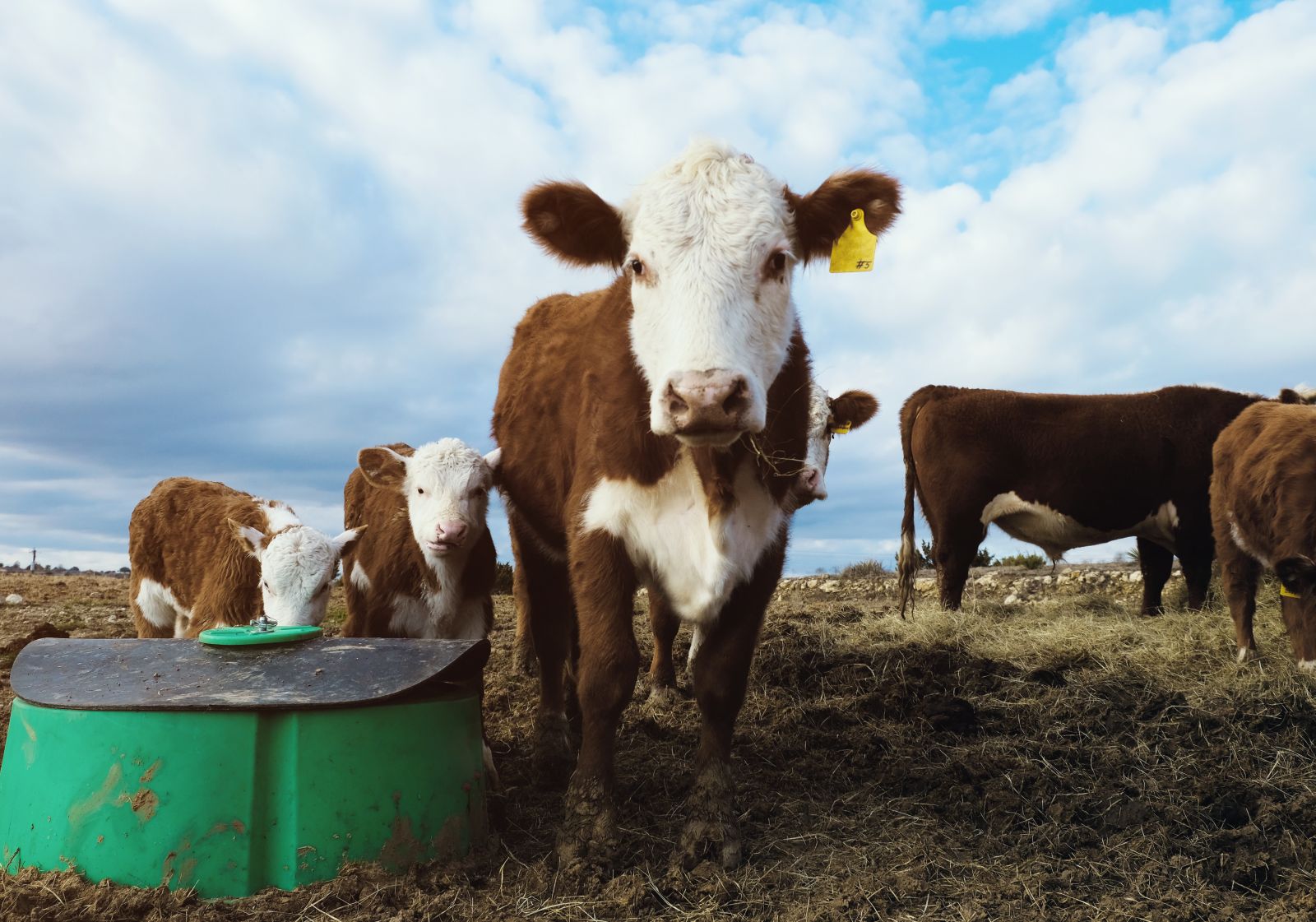
Record cattle prices are reshaping consumer spending patterns in food and outdoor entertaining categories, creating significant opportunities for e-commerce sellers in complementary product segments. Live cattle futures reached $2.51 per pound on April 15, 2026—the highest price since the 1960s—while ground beef retail prices surged to $6.70 per pound, representing a 12% year-over-year increase and hitting record highs dating back to 1984. The U.S. cattle herd now stands at its smallest level since the 1950s, with cattle slaughter declining from 2.5 million head in March 2025 to 2.2 million in March 2026. This structural supply constraint, driven by reduced herd sizes, escalating operational costs from fertilizer and fuel expenses, and U.S.-Iran war-related disruptions, signals sustained price elevation through grilling season and beyond.
For e-commerce sellers, this creates a bifurcated market opportunity. Direct beef sellers and food service operators face significant margin compression—Bank of America analyst Sara Senatore projects weaker same-store sales for restaurant chains like McDonald's, Chipotle, Shake Shack, and Cracker Barrel with high beef exposure. However, the American Farm Bureau Federation survey indicates 60% of U.S. farmers report worsening financial conditions, signaling consumer spending will shift toward value-oriented and complementary categories. Consumers planning summer barbecues will experience sticker shock across multiple grocery categories, with tomato prices spiking 15% to eight-year highs. This creates demand for: (1) Grilling accessories and outdoor entertaining products (BBQ tools, coolers, outdoor furniture)—historically see 20-30% sales increases during peak grilling season; (2) Meat-alternative and plant-based protein products—demand typically rises 25-40% when conventional meat prices spike; (3) Budget-friendly entertaining supplies (disposable plates, napkins, serving utensils, coolers)—consumers trade down from premium to value options; (4) Seasonal condiments and marinades—complement reduced meat consumption with flavor-focused products.
Supply chain dynamics amplify seller opportunities. The southern border closure has resulted in 1.2 million fewer feeder cattle placements in southern feedlots over the past year, with Mexican imports restricted due to New World screwworm prevention measures. This creates logistics advantages for sellers positioned in northern U.S. regions and those with established supply chains unaffected by border disruptions. Feeder cattle futures reached $377.57 on May contracts, indicating sustained cost pressures through summer. Crude oil prices rising $7.50 per barrel increase shipping costs 3-5% for sellers relying on fuel-intensive logistics. However, Kevin Good from CattleFax notes beef demand remains at a 40-year high with consumers showing no sticker shock despite record prices—beef purchasing time remains at 14 minutes per pound, comparable to 2014-2015 peak levels. This indicates consumers are willing to pay premium prices for beef but will reduce overall food spending, creating opportunities for sellers in complementary categories that enhance the grilling experience without replacing beef entirely.
Immediate seller actions should focus on category expansion and inventory positioning. Sellers currently focused on beef products should diversify into grilling accessories, outdoor entertaining, and meat-alternative categories where demand will surge through Q3 2026. Amazon Fresh and specialty food marketplaces will see increased traffic for budget-friendly entertaining supplies and plant-based proteins. Sellers should monitor crude oil prices and adjust shipping cost estimates accordingly, as fuel surcharges will impact fulfillment economics through summer. Consider 3PL providers in northern U.S. regions to capitalize on reduced Mexican import competition and border-related logistics constraints.
Questions 8
How should sellers adjust pricing and inventory for sustained beef price elevation?
Beef prices are expected to remain elevated through grilling season and beyond due to structural supply constraints rather than temporary disruptions. The U.S. cattle herd contraction reflects multi-decade lows relative to population growth, suggesting sustained price elevation. Sellers should implement dynamic pricing for complementary products (grilling accessories, condiments, marinades) to capture margin gains as consumers trade down from premium to value options. Monitor crude oil prices—each $7.50 increase raises shipping costs 3-5%—and adjust fulfillment economics accordingly. Feeder cattle futures at $377.57 indicate sustained cost pressures through summer, so lock in shipping rates and 3PL contracts before Q2 peak season.
What product categories should sellers prioritize given beef price inflation and consumer behavior?
Prioritize four categories: (1) Grilling accessories and outdoor entertaining products (BBQ tools, coolers, outdoor furniture)—historically see 20-30% sales increases during peak grilling season; (2) Meat-alternative and plant-based protein products—demand typically rises 25-40% when conventional meat prices spike; (3) Budget-friendly entertaining supplies (disposable plates, napkins, serving utensils, coolers)—consumers trade down from premium to value options; (4) Seasonal condiments and marinades—complement reduced meat consumption with flavor-focused products. Kevin Good from CattleFax notes beef demand remains at a 40-year high with consumers showing no sticker shock, indicating willingness to pay premium prices for beef but reduced overall food spending. This creates opportunities for sellers in complementary categories that enhance the grilling experience.