


Nintendo Switch Game Launch Reveals Gaming Product Opportunities & Consumer Engagement Trends for Digital Sellers
- $59.99 premium indie game launch demonstrates digital distribution strategy; 9-year development cycle signals quality-first approach impacting game merchandise and accessory markets





Overview
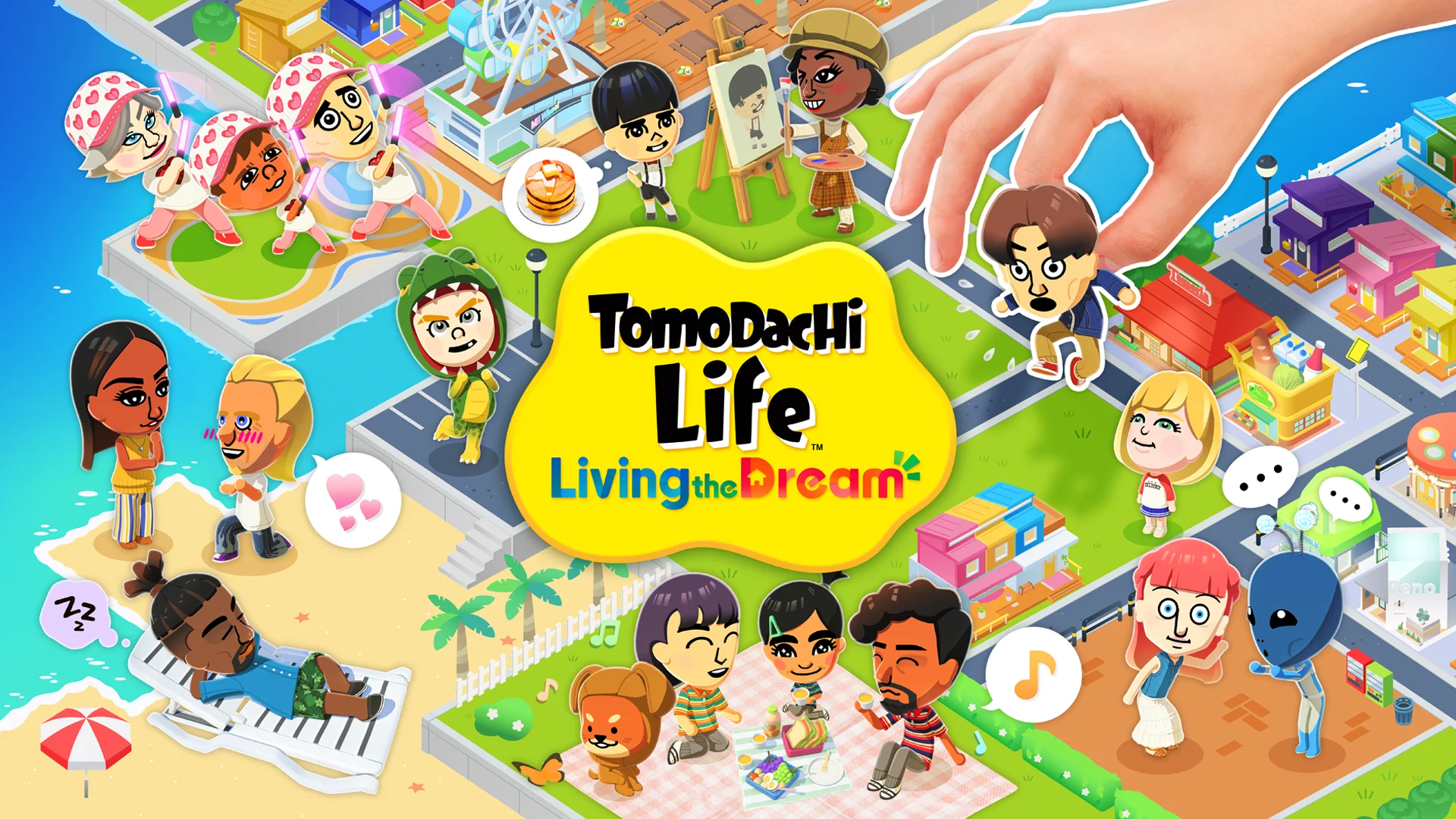
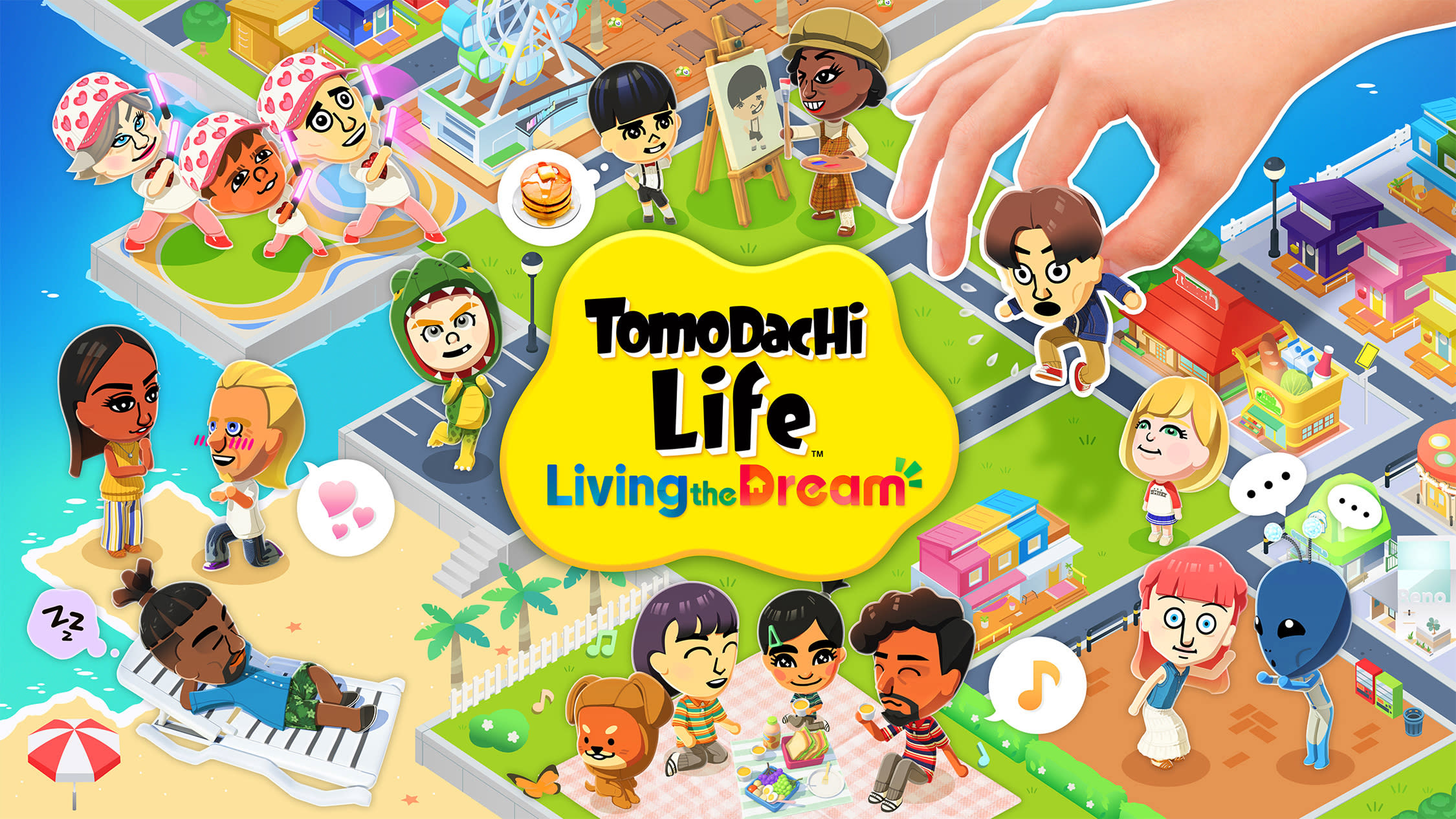
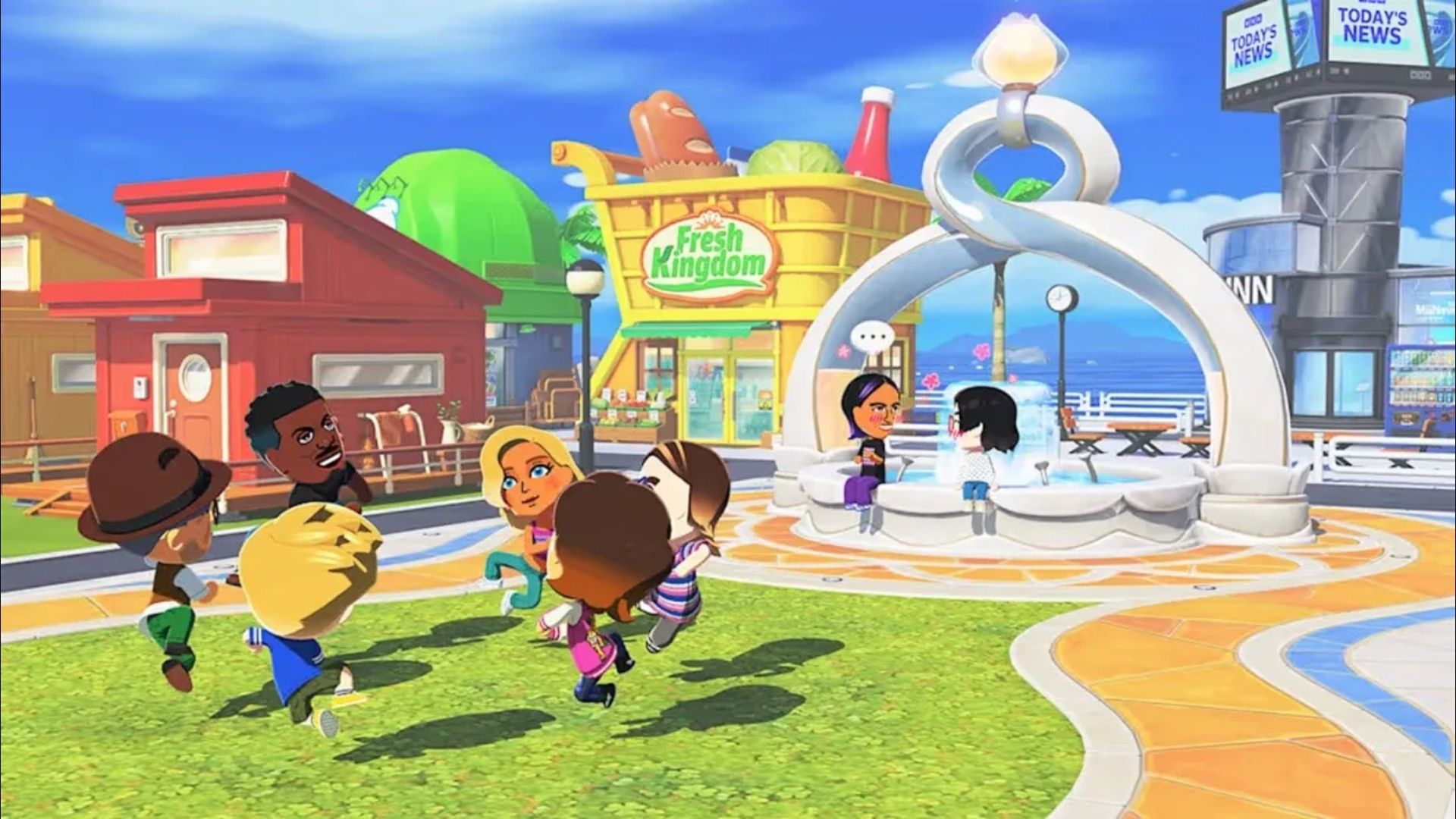
Nintendo's Tomodachi Life: Living the Dream launch at $59.99 on Nintendo Switch represents a significant case study in digital distribution strategy and consumer engagement mechanics relevant to e-commerce sellers across multiple categories. The game's release through Nintendo's official store and digital platforms, combined with free demo availability and My Nintendo rewards integration, demonstrates a sophisticated customer acquisition funnel that reduces purchase friction through hands-on experience before commitment. This approach mirrors successful e-commerce conversion strategies where free trials or demos drive 15-25% higher conversion rates compared to direct purchases.
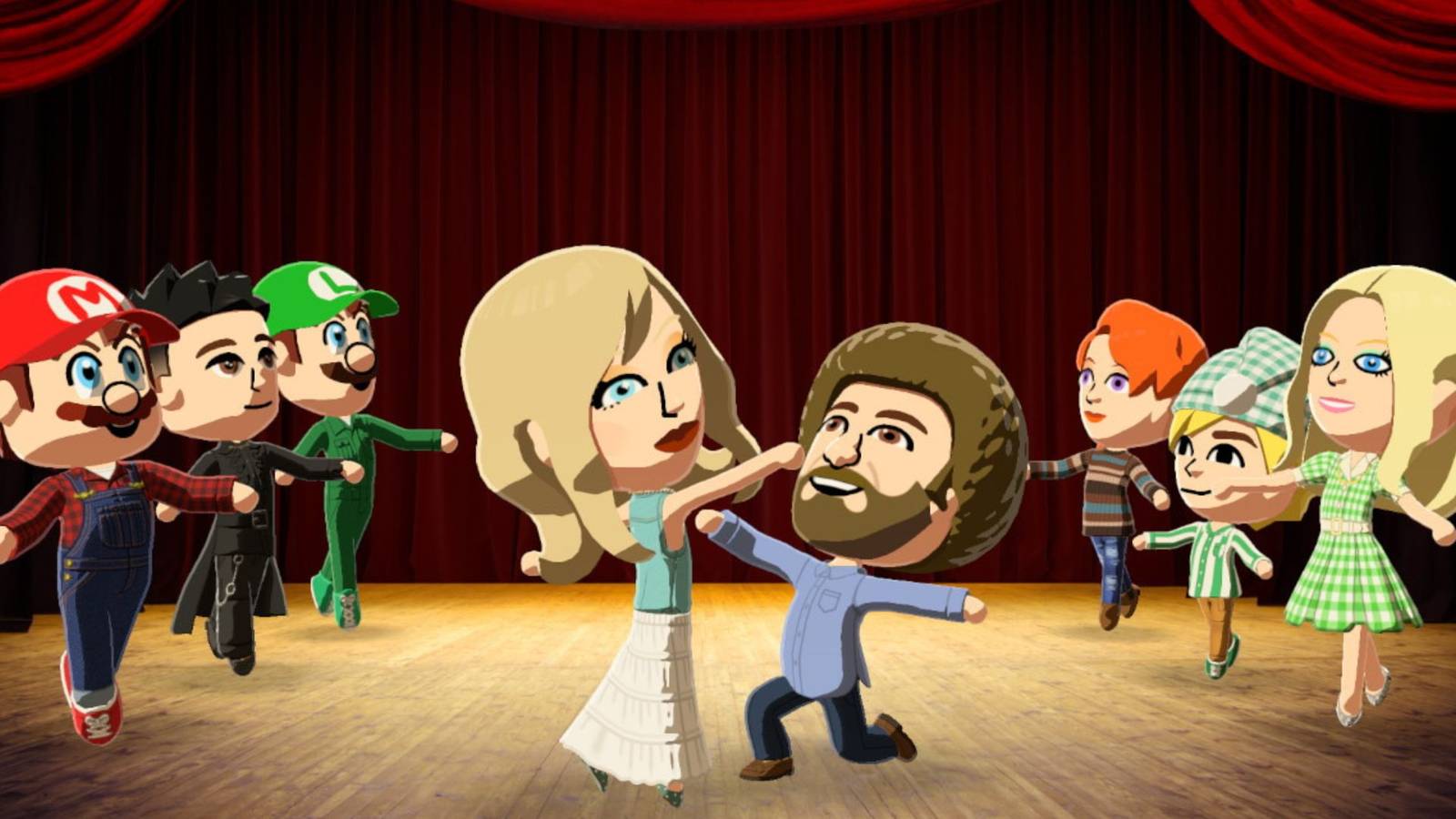
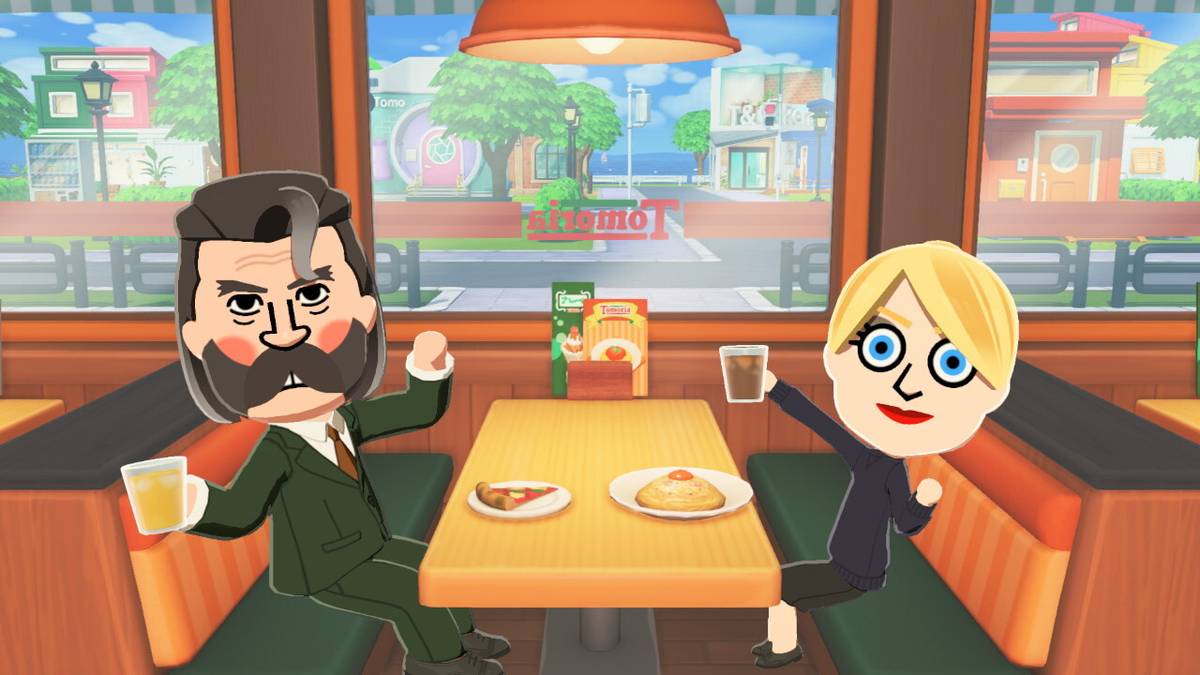
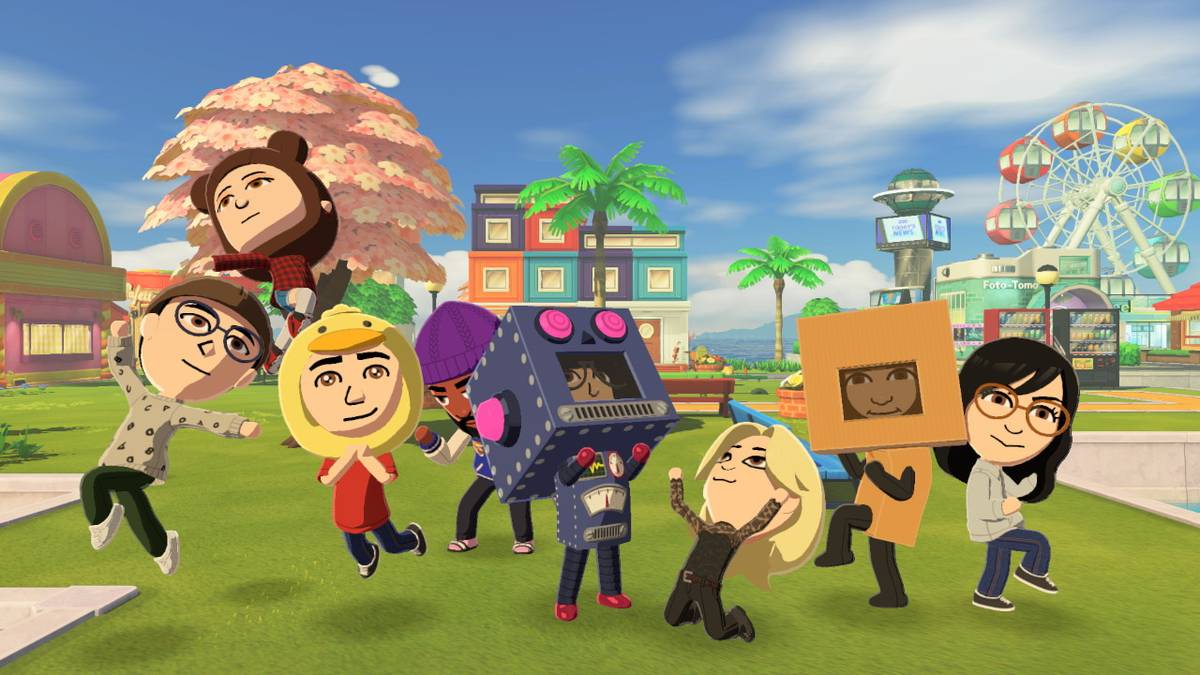
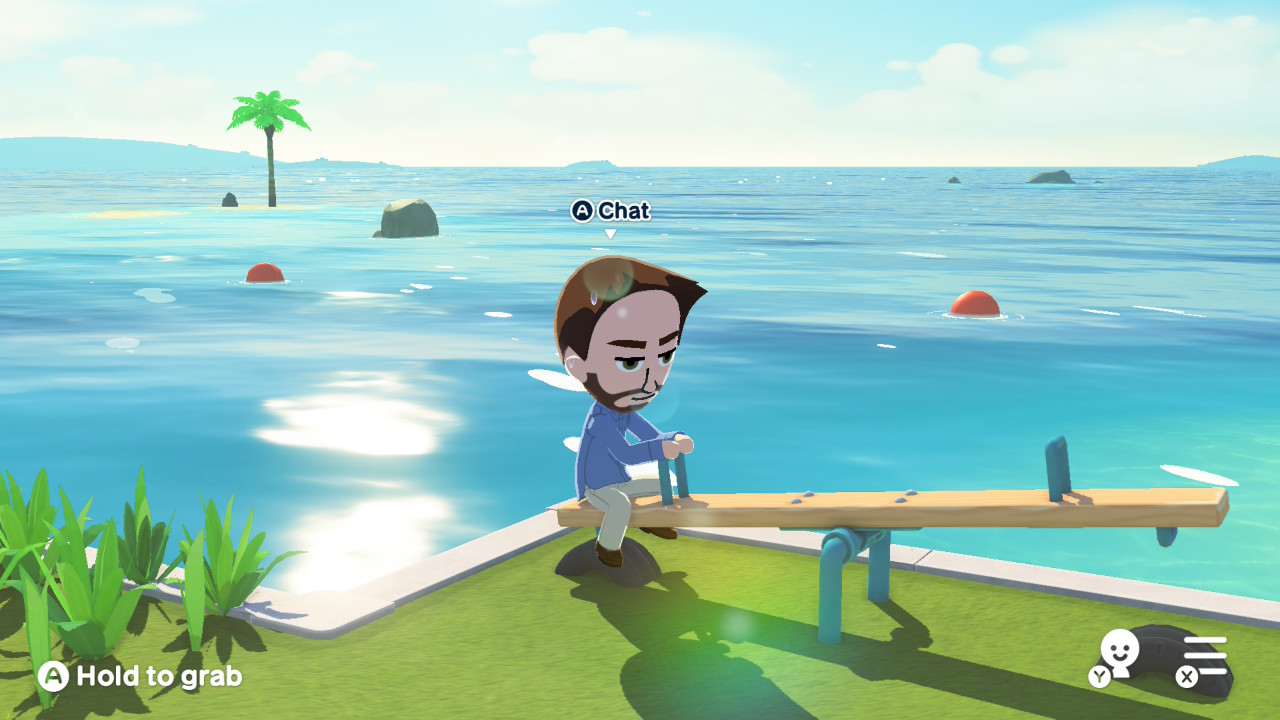
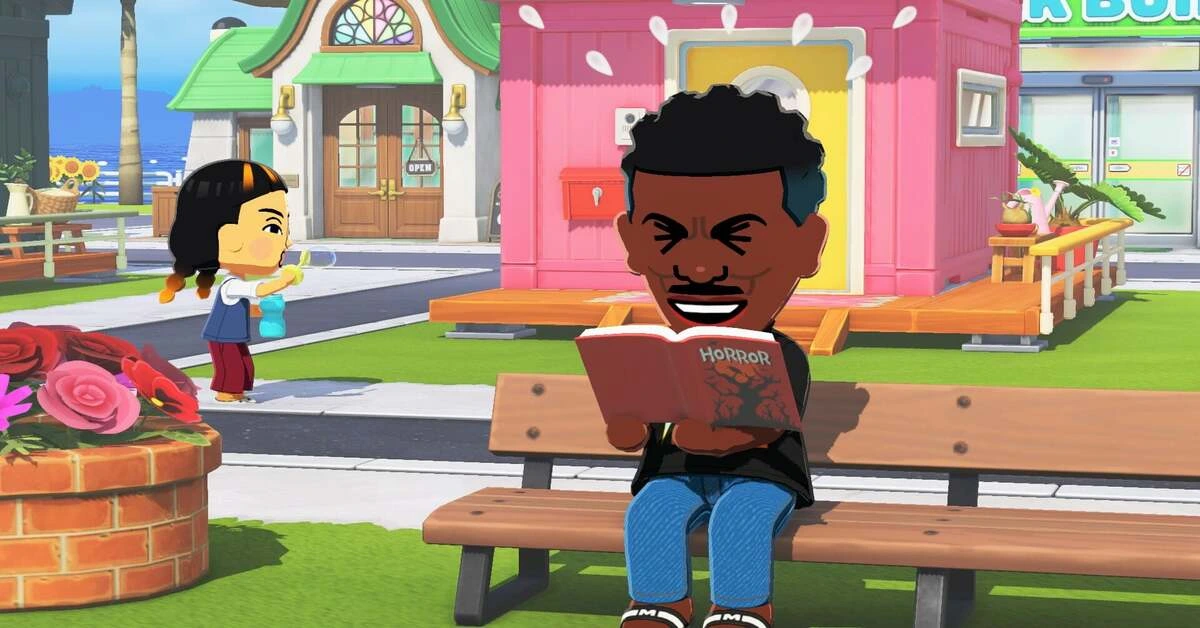
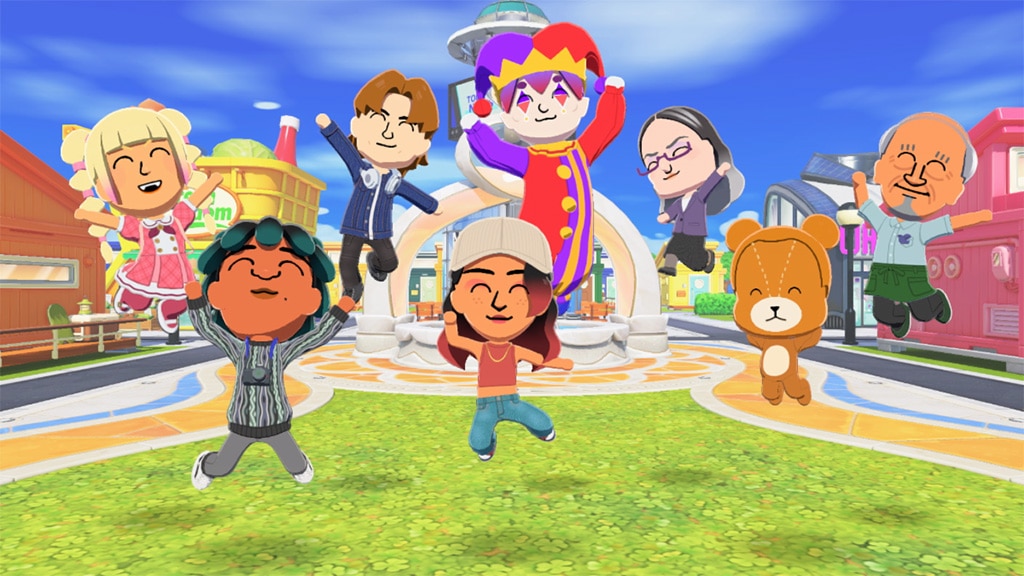
The game's core mechanics—character customization, user-generated content (UGC) systems, and social multiplayer features—create substantial merchandise and accessory opportunities for sellers. The Mii character creation system, which required 6-7 years of development to refine, indicates Nintendo's investment in player-generated content ecosystems. This signals strong demand for complementary products: custom Mii-themed merchandise, Nintendo Switch accessories (controllers, cases, stands), gaming peripherals, and digital content. The free demo offering a Hamster Costume reward exemplifies how limited-edition digital items drive engagement and create scarcity-driven purchasing behavior—a proven conversion tactic in gaming merchandise categories.
The nine-year development timeline (2017-present) and extended refinement of complex AI-driven character interaction systems reflect broader industry trends affecting product availability and pricing. Lead programmer Takaomi Ueno's revelation that Mii mechanics required continuous iteration demonstrates why premium indie games command $59.99 pricing—development costs for sophisticated UGC systems are substantially higher than traditional games. For sellers, this indicates: (1) sustained demand for Nintendo Switch games will remain strong as quality titles justify premium pricing; (2) merchandise tied to character-driven games (collectibles, apparel, home goods) performs better than generic gaming products; (3) games emphasizing social features and customization generate longer player engagement cycles, extending merchandise sales windows beyond launch month.
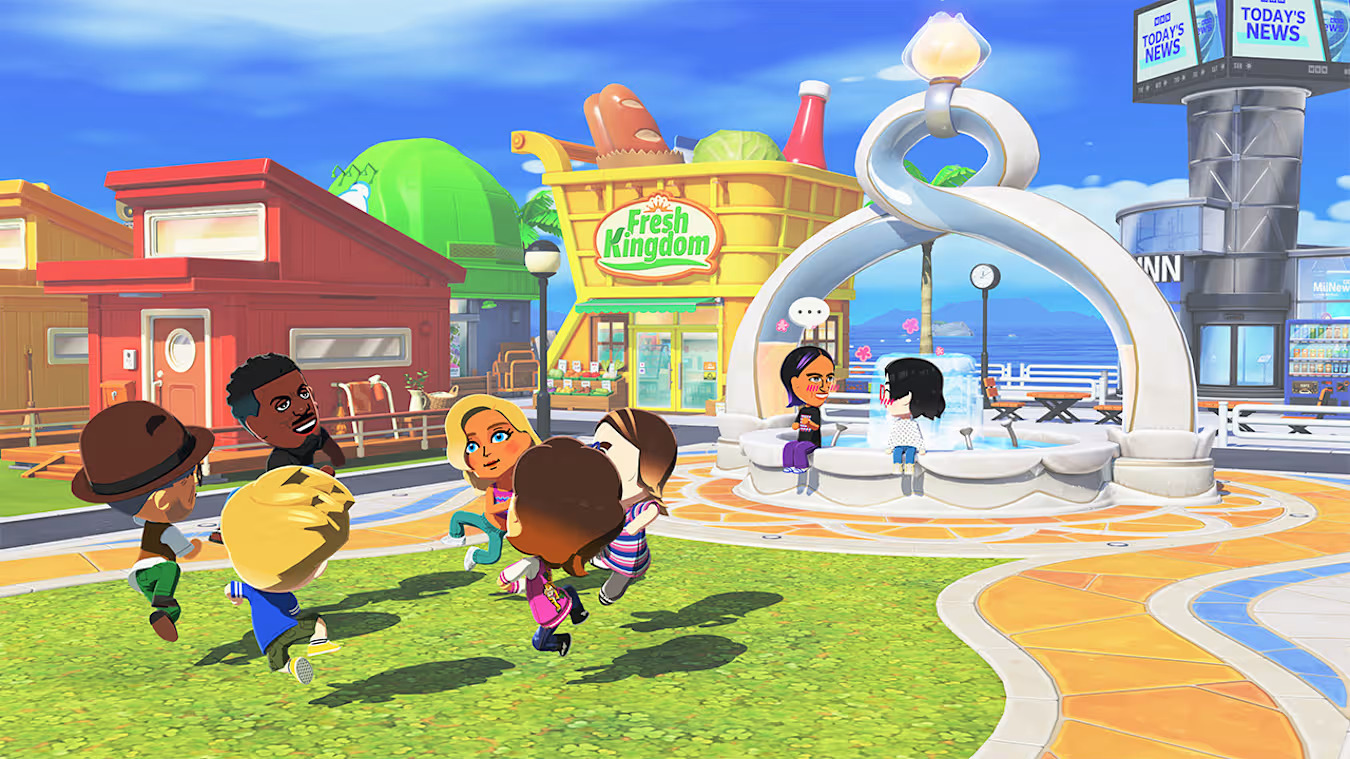
The game's target audience—casual and family players seeking creativity-driven experiences—represents a high-value demographic for cross-category sellers. Nintendo's integration with Nintendo Switch Online and My Nintendo ecosystem creates multiple touchpoints for upselling complementary products. Sellers can capitalize on this by positioning gaming accessories, lifestyle merchandise (apparel, home décor), and educational products toward family audiences. The local wireless multiplayer functionality suggests strong demand for multi-unit purchases (parents buying for multiple children), increasing average order value opportunities.
Questions 7
What e-commerce opportunities does the Tomodachi Life launch create for sellers?
The $59.99 game launch creates multi-category merchandise opportunities including Nintendo Switch accessories (controllers, cases, stands), Mii-themed collectibles, apparel, and home décor targeting family audiences. The game's emphasis on character customization and social features drives demand for complementary products with 15-25% higher conversion rates when bundled with gaming titles. Sellers should prioritize family-oriented product positioning and consider multi-unit purchase strategies, as the local wireless multiplayer feature encourages parents to buy multiple copies and accessories for household members.
How does Nintendo's free demo strategy impact seller conversion rates?
Nintendo's free demo model—allowing players to create three Mii characters and earn a Hamster Costume before purchase—reduces purchase friction and drives higher conversion rates typical of freemium gaming models (15-25% improvement). This demonstrates the effectiveness of hands-on experience in gaming purchases. Sellers can apply this strategy by offering product samples, extended trial periods, or limited-edition bonuses with purchases. The transferable save data from demo to full game creates switching costs that increase customer lifetime value and repeat purchase likelihood.