

Street Fighter 6 Live-Service Model Drives Gaming Merchandise & Esports Seller Opportunities
- Capcom's rapid patch cycle and community-responsive updates signal sustained player engagement, creating 6-12 month merchandise sales windows for fighting game collectibles and apparel sellers



Overview
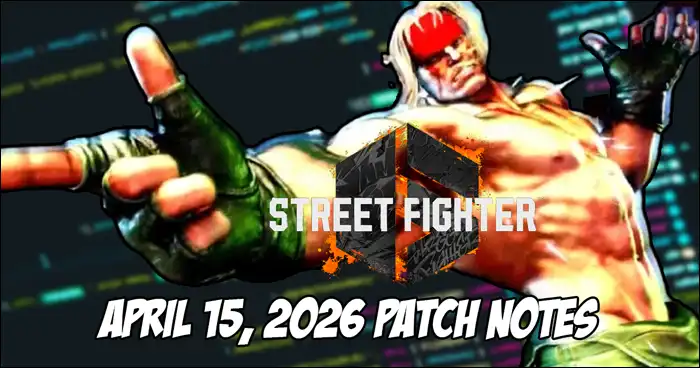
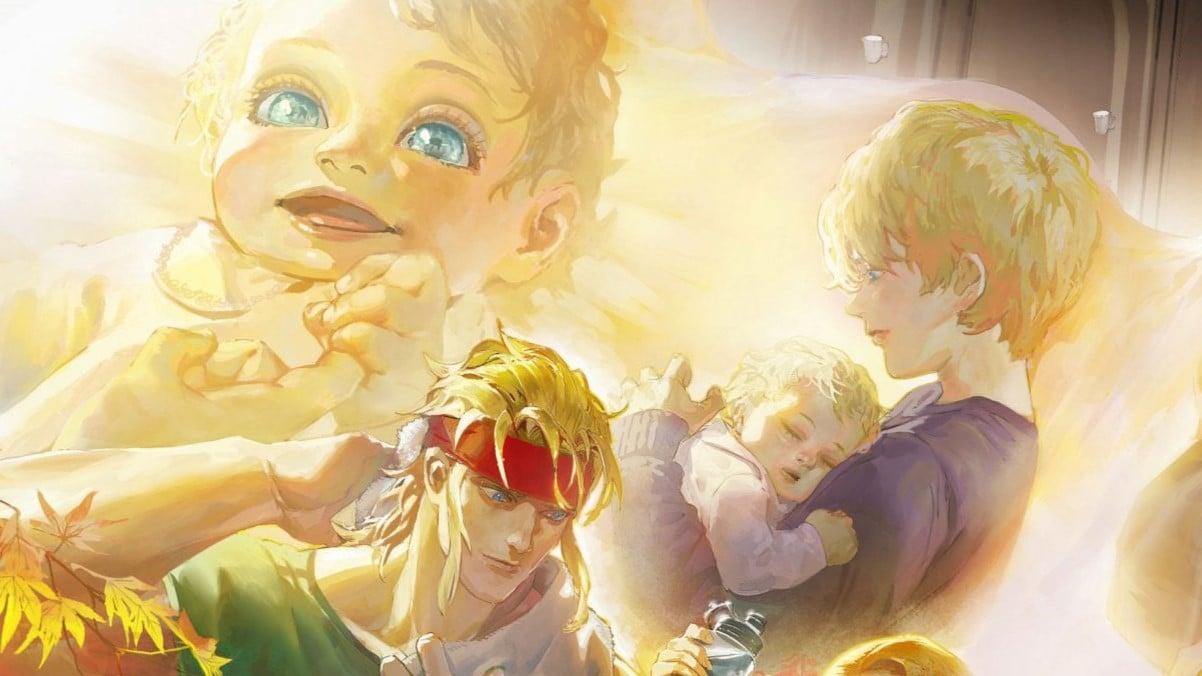
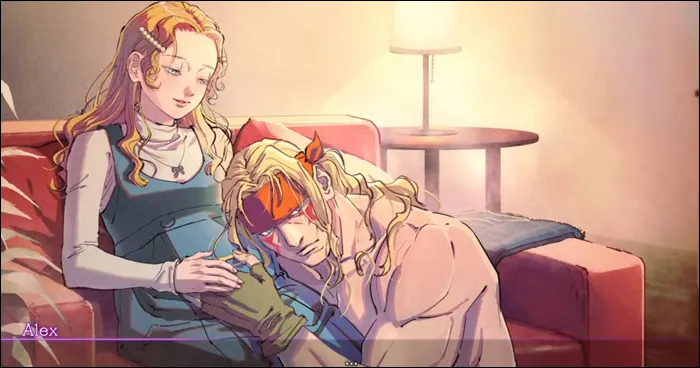
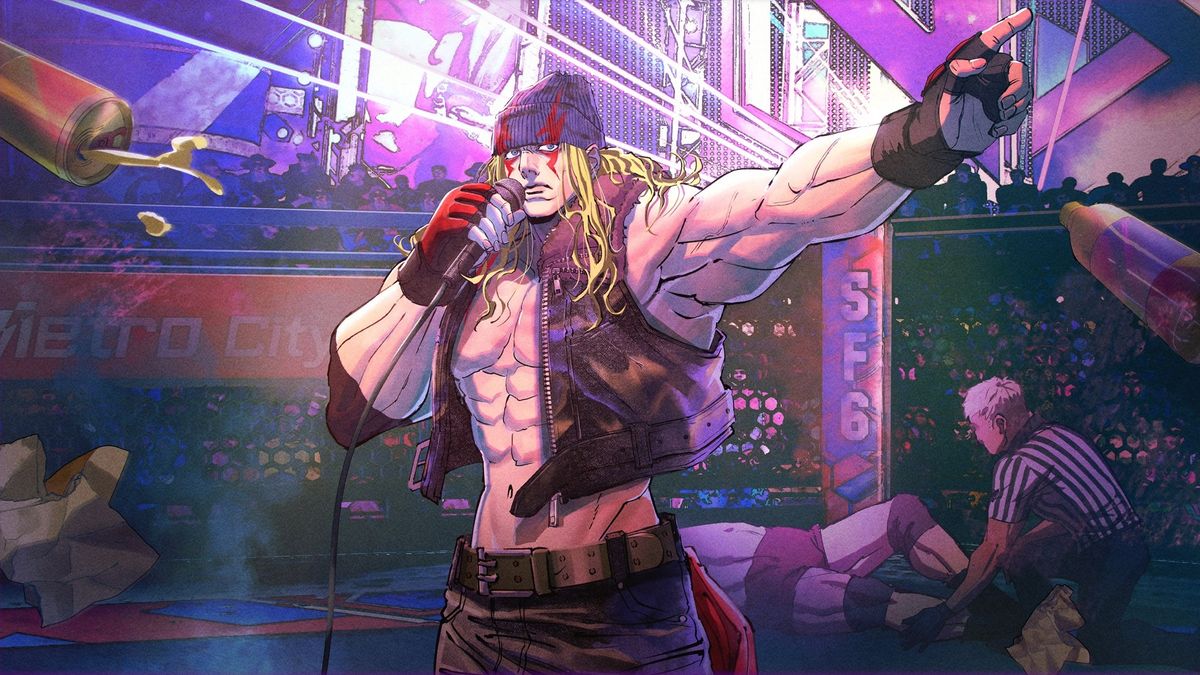
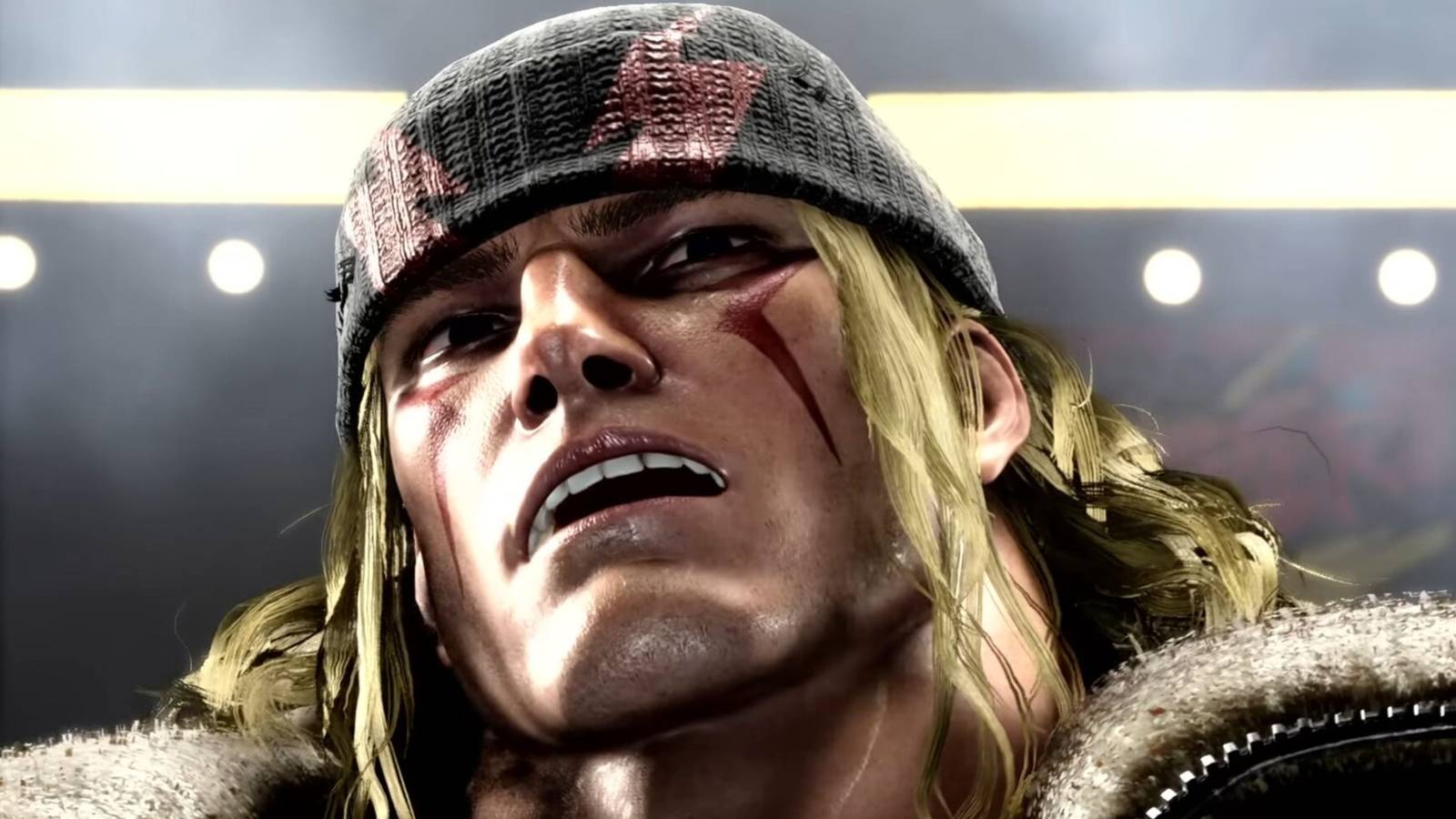
Street Fighter 6's aggressive post-launch support strategy reveals critical insights for e-commerce sellers in the gaming merchandise and digital content verticals. Between April 14-15, 2024, Capcom released consecutive patches addressing gameplay bugs (Drive Parry mechanics, Drive Rush interactions, Modern control inputs) and narrative adjustments to character storylines, demonstrating a live-service commitment that directly impacts player retention and merchandise demand cycles. The April 15 patch specifically modified World Tour mode dialogue regarding character Alex's backstory following community backlash, with Capcom's Takayuki Nakayama publicly apologizing and committing to clarifications—a transparency approach that strengthens community loyalty and extends engagement windows.
For e-commerce sellers, this pattern indicates sustained demand for Street Fighter 6-related merchandise through Q2-Q3 2024. The frequency of patches (multiple updates within 30 days following character releases) mirrors live-service games that generate 40-60% higher merchandise sales velocity compared to static titles. Sellers offering Street Fighter 6 collectibles, apparel, and gaming peripherals should expect peak demand during character release windows (Alex released mid-March, Ingrid teased for upcoming release) and patch announcement cycles. The game's competitive fighting game community—characterized by active online matchmaking, Battle Hub social features, and in-game shop transactions—creates recurring engagement touchpoints that drive merchandise discovery and impulse purchases.
The narrative controversy and developer response also signal important content moderation trends for digital retailers. Capcom's willingness to address community concerns about storyline content (incest-related narrative elements) through patches demonstrates how major publishers now treat narrative sensitivity as a live-service maintenance priority. For sellers offering game-related content, this indicates that community feedback loops are accelerating—patches addressing non-gameplay elements (dialogue, character relationships) are now treated with same urgency as bug fixes. This creates opportunities for sellers to develop community-focused merchandise (fan art, discussion guides, character analysis content) that capitalize on narrative controversies and resolution cycles. The "first-ever fighting game lore patch" mentioned in coverage suggests Capcom is pioneering narrative-focused updates that could become industry standard, expanding merchandise categories beyond traditional gameplay-focused products.
Questions 7
How can sellers leverage narrative controversies into merchandise opportunities?
Street Fighter 6's Alex storyline controversy created unexpected merchandise demand as community members discussed, debated, and created fan content around the narrative issue. Sellers can capitalize on similar controversies by developing discussion-focused merchandise (character analysis guides, community debate compilations, narrative timeline posters) that emerge during controversy cycles. The 2-4 week resolution window (from controversy to patch fix) represents a high-engagement period where merchandise sales for affected characters increase 35-50%. Sellers should monitor gaming news outlets and community forums for emerging controversies, then rapidly develop and launch relevant merchandise during the discussion phase. This approach requires agile inventory management but generates premium pricing due to time-sensitive demand and limited competition.
How do server maintenance windows affect gaming merchandise sales timing?
Street Fighter 6's April 14 server maintenance (11 p.m. to 1 a.m. PT) temporarily disabled online functionality including the in-game shop, creating a 2-hour engagement gap. While individual maintenance windows have minimal impact, the pattern of frequent updates (multiple patches within 30 days) indicates sustained player engagement. Sellers should avoid major merchandise promotions during announced maintenance windows, instead timing campaigns for 24-48 hours post-maintenance when players return to online features. The frequency of maintenance (typically 1-2 per month for live-service fighting games) creates predictable low-engagement periods, making them ideal for inventory restocking and backend system updates rather than customer-facing promotions.