




Australia Refinery Fire Cuts Petrol 40% | Logistics Cost Impact for E-Commerce Sellers
- Fuel production disruption at Geelong facility drives 8-15% shipping cost increases for Australian sellers and importers through May 2026






















Overview
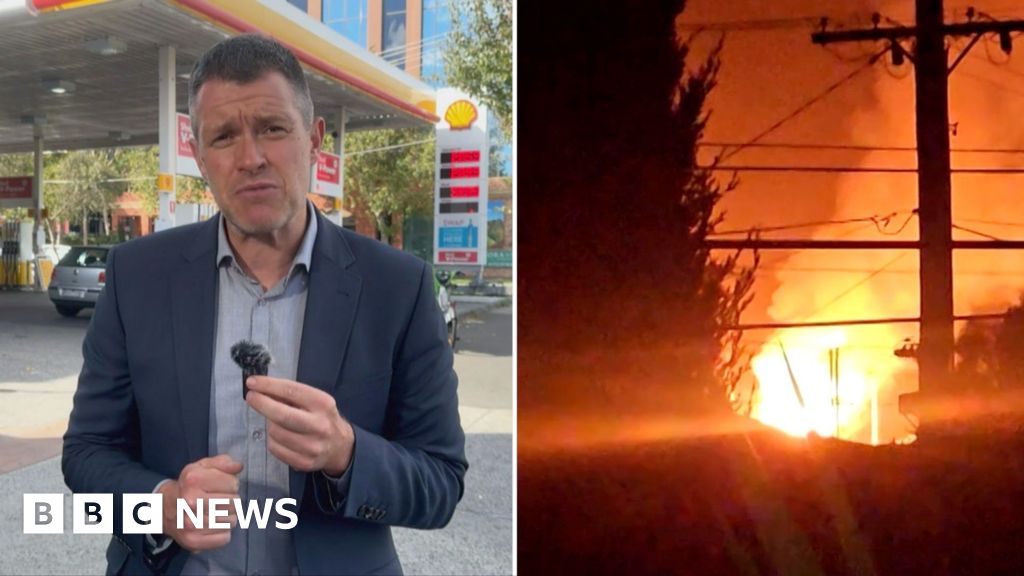

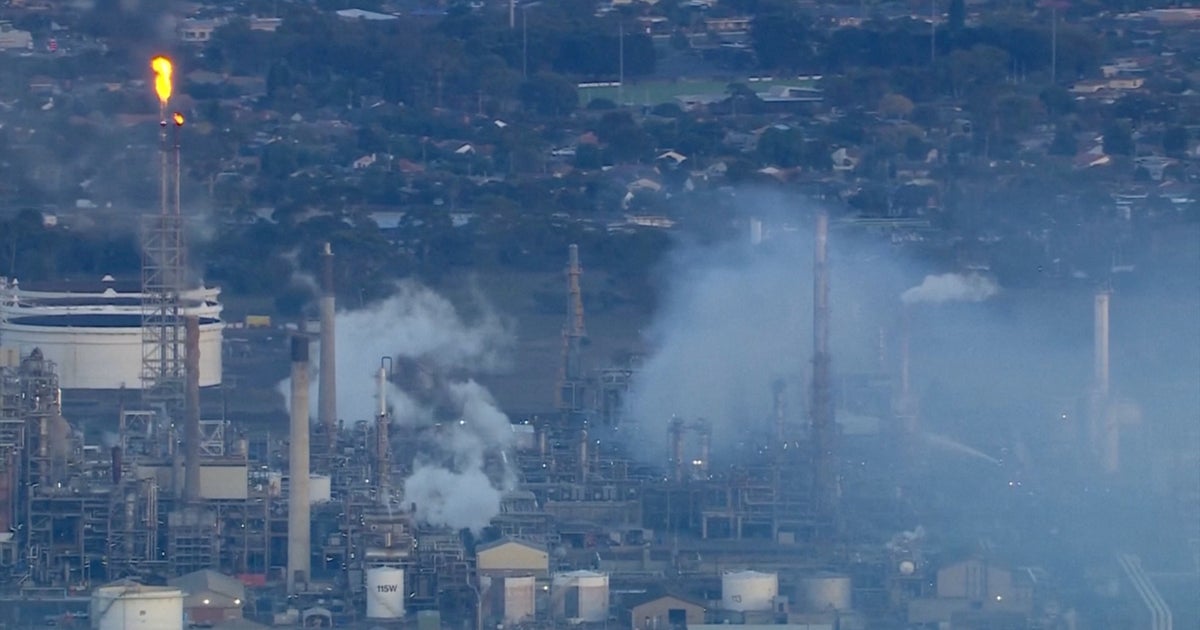
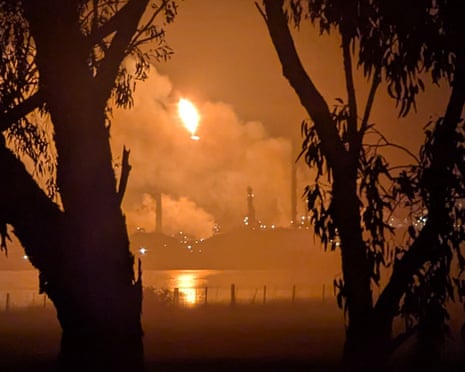
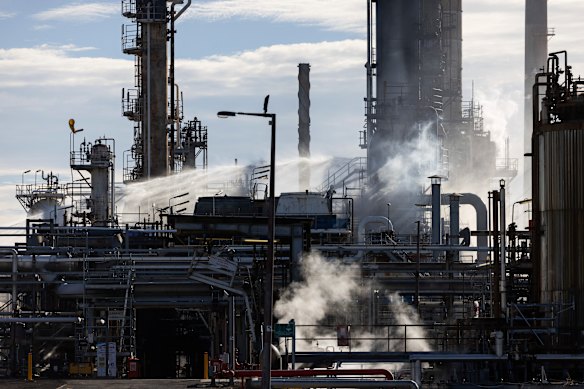
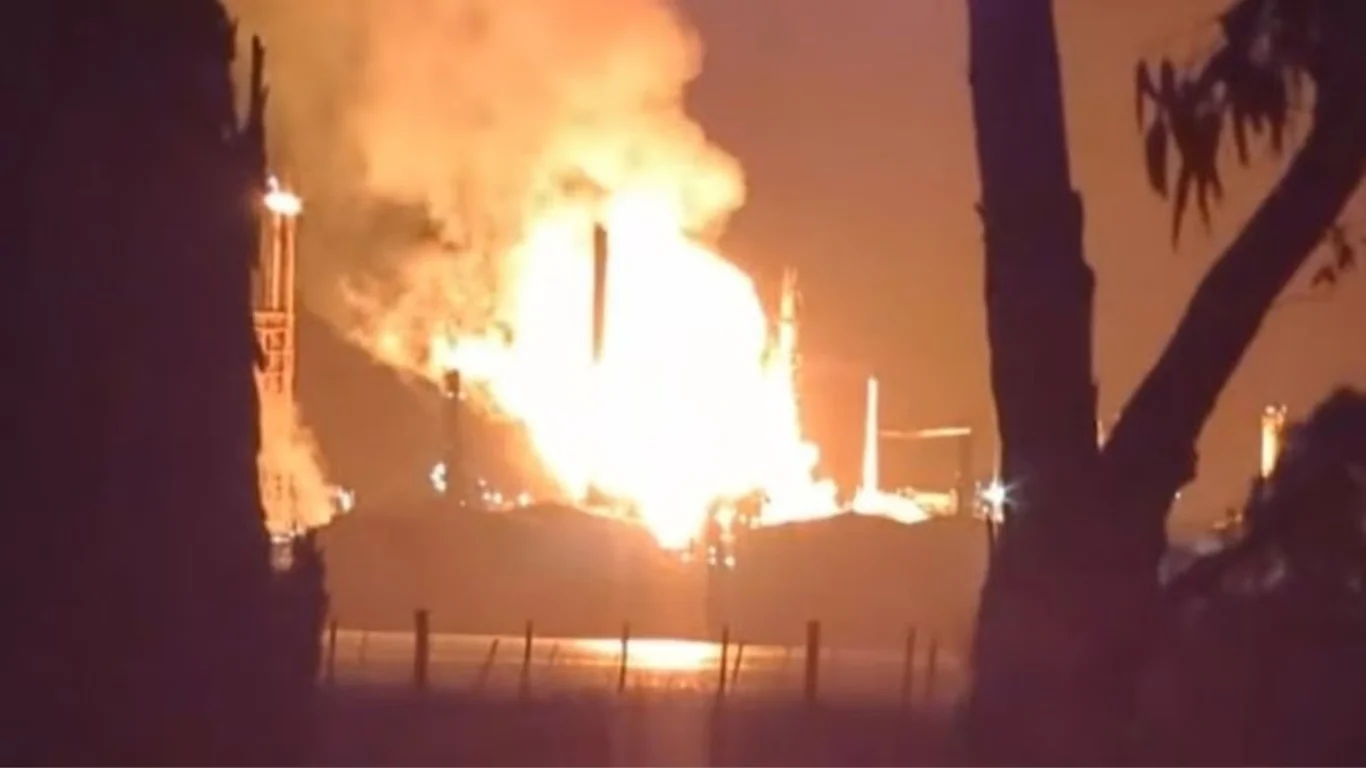
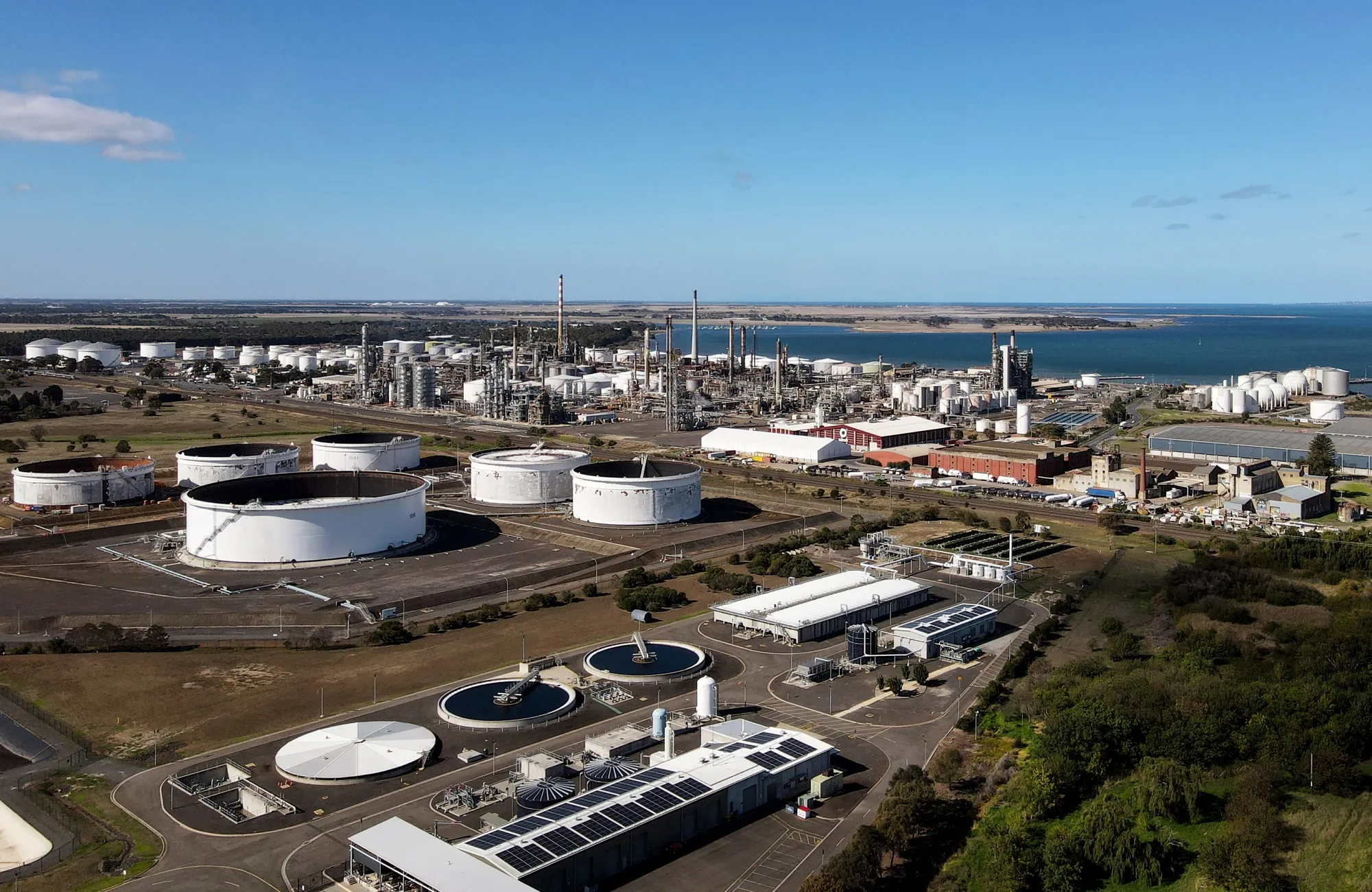
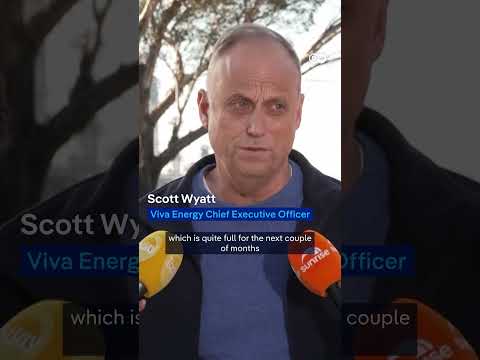
A major fire at Viva Energy's Corio refinery near Geelong, Victoria on April 15-16, 2026, has created significant supply chain disruptions affecting cross-border e-commerce operations across Australia and the Asia-Pacific region. The 13-hour fire damaged the LPG-to-gasoline conversion unit, reducing petrol production by 40% while diesel and aviation fuel output fell to 80% capacity. The facility processes approximately 120,000 barrels daily and supplies roughly 50% of Victoria's fuel and 10% of Australia's national output, making this a critical infrastructure incident during an already volatile global energy market.
Immediate logistics impact for e-commerce sellers: Australian-based sellers and those importing goods into Australia face 8-15% temporary increases in shipping costs due to fuel surcharges. The refinery supplies half of Victoria's fuel, creating regional supply constraints that elevate transportation expenses for last-mile delivery and warehouse operations. Sellers relying on 3PL providers in Victoria and New South Wales should expect fuel surcharge notifications within 7-14 days. Energy experts warned of a short-lived petrol price spike of up to 20 cents per litre, which translates to approximately $150-300 monthly cost increases for sellers operating 10-20 delivery vehicles or relying on frequent courier services.
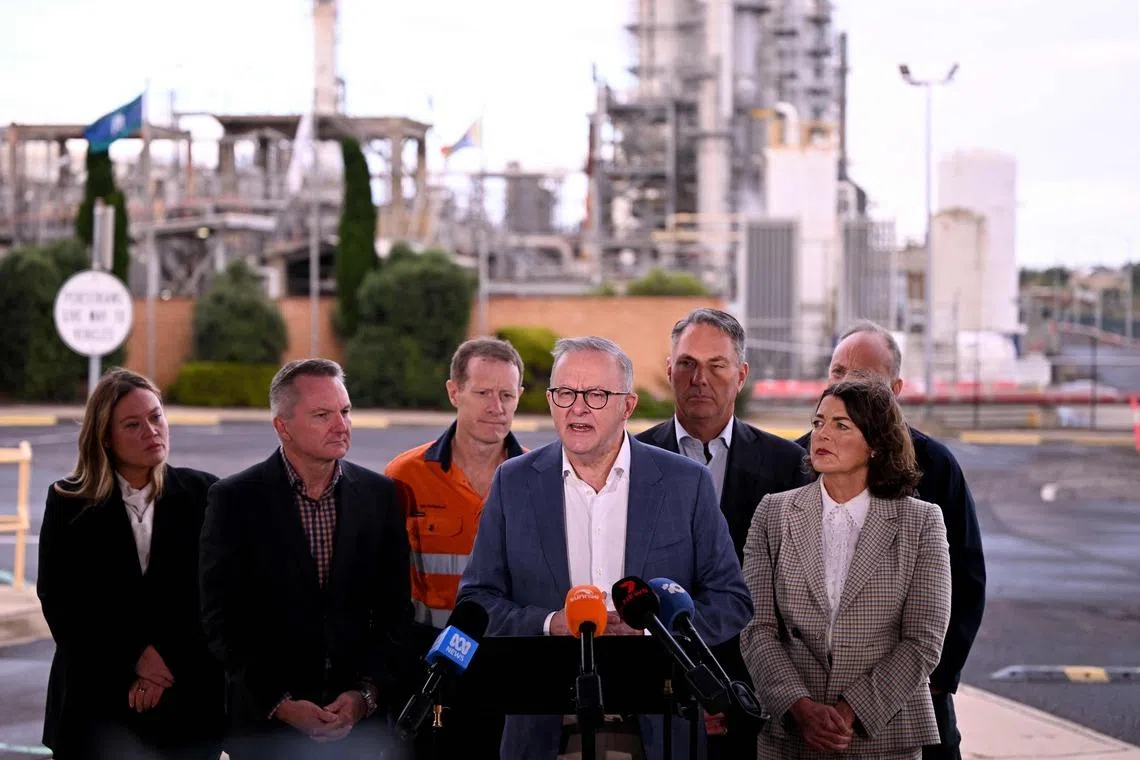
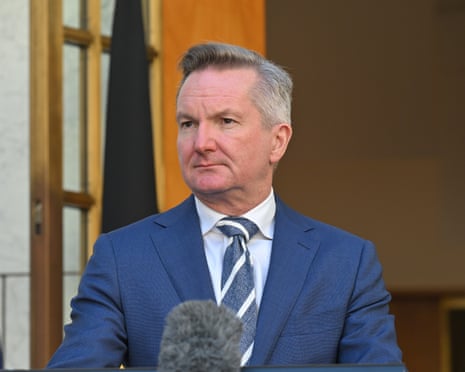
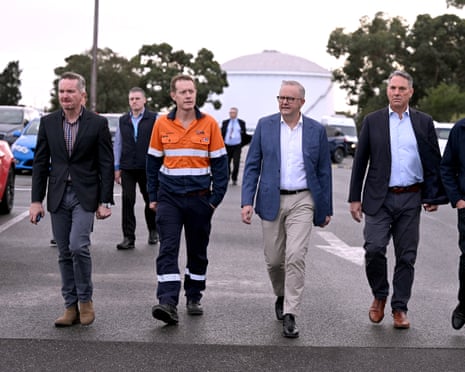
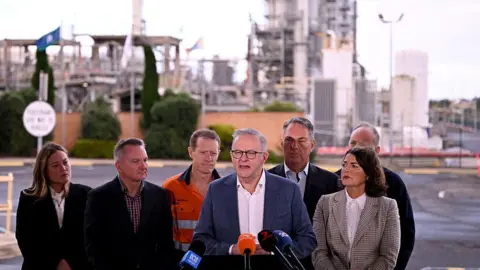
Supply chain resilience and recovery timeline: Prime Minister Anthony Albanese confirmed the incident will not trigger stage 3 fuel rationing, keeping Australia at level 2 (voluntary conservation). However, Viva Energy provided no specific timeline for full recovery, suggesting repairs could extend 4-8 weeks. The company stated it would maintain supplies through its fuel import program, indicating diversified sourcing strategies are in place. This demonstrates the vulnerability of Australia's energy infrastructure—the nation operates only two refineries and relies heavily on imported refined fuels. The government's rapid diplomatic response (securing 100 million liters of diesel from Brunei and South Korea) underscores the strategic importance of fuel security during geopolitical tensions affecting global oil markets.
Strategic implications for seller operations: This incident reveals broader energy market fragility affecting international commerce. Sellers should monitor fuel pricing developments and adjust shipping estimates accordingly. The disruption occurs amid existing Middle East supply constraints and European jet fuel shortages, compounding global energy cost pressures. Sellers with inventory in Australian warehouses should accelerate shipments to minimize storage costs during the supply disruption period. Those importing goods into Australia should review logistics partnerships and consider temporary shifts to alternative ports or 3PL providers outside Victoria to avoid regional fuel surcharges. The incident underscores the importance of supply chain diversification—sellers dependent on single logistics providers or regional warehouses face elevated operational risk during infrastructure disruptions.
Questions 8
Are there product opportunities from the refinery fire and fuel supply concerns?
Yes, several product categories benefit from fuel supply disruptions: fuel-efficient vehicle accessories (tire pressure monitors, aerodynamic products), electric vehicle charging equipment, alternative energy solutions (solar panels, battery systems), and logistics optimization tools (route planning software, fuel management apps). Sellers can capitalize on consumer interest in fuel efficiency and energy independence. Additionally, demand for local sourcing and regional supply chain solutions increases during infrastructure disruptions. Consider launching product listings in these categories or adjusting marketing messaging to emphasize cost savings and supply chain resilience benefits.
How can sellers mitigate fuel cost impacts from the refinery disruption?
Implement immediate cost mitigation: (1) Negotiate fuel surcharge caps with 3PL providers for 90-day contracts; (2) Consolidate shipments to reduce per-unit transportation costs; (3) Temporarily shift inventory to less-affected Australian regions; (4) Accelerate non-perishable inventory shipments before costs stabilize; (5) Review pricing strategy to pass 5-8% cost increases to customers where margin allows. Medium-term actions: diversify 3PL providers across multiple states, evaluate alternative import routes through less-affected ports, and consider temporary price increases for high-fuel-cost categories (electronics, apparel). Monitor government fuel security plan escalation and Viva Energy recovery updates. Sellers should also explore temporary inventory reduction strategies for low-velocity SKUs to minimize storage costs during the disruption period.