



Strait of Hormuz Blockade Escalates Shipping Costs | Critical Impact for Cross-Border Sellers
- US naval blockade forces 14+ vessels to divert; 90% of Iran's economy depends on maritime trade; global shipping rates expected to rise 8-15% as alternative routes increase fuel consumption and transit times





















)














Overview
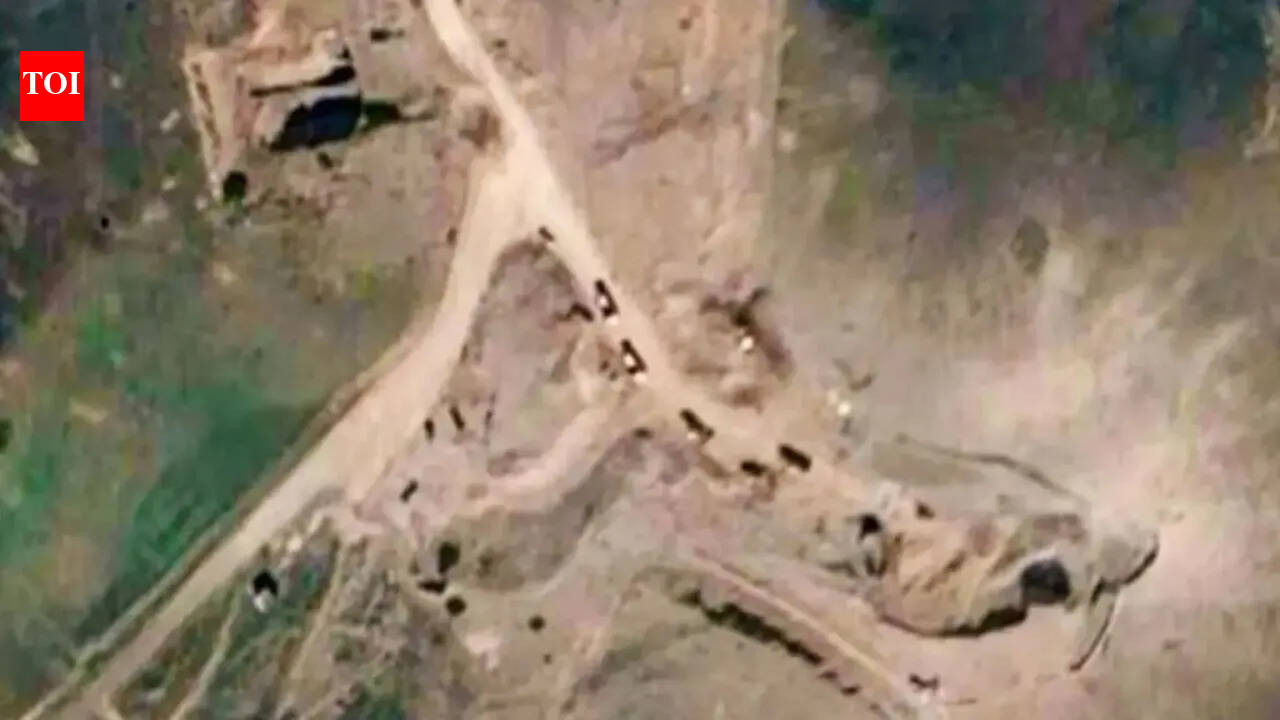
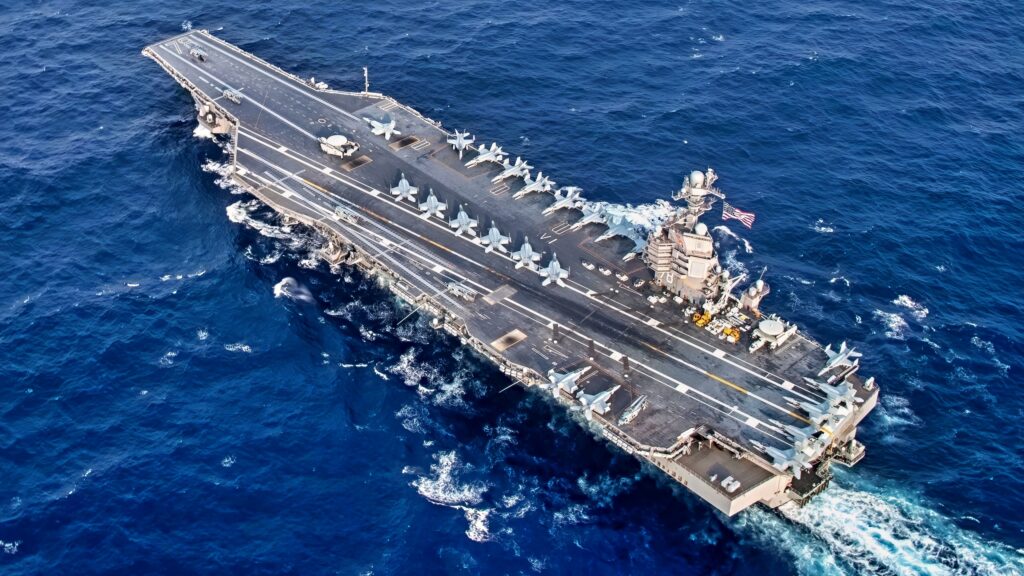
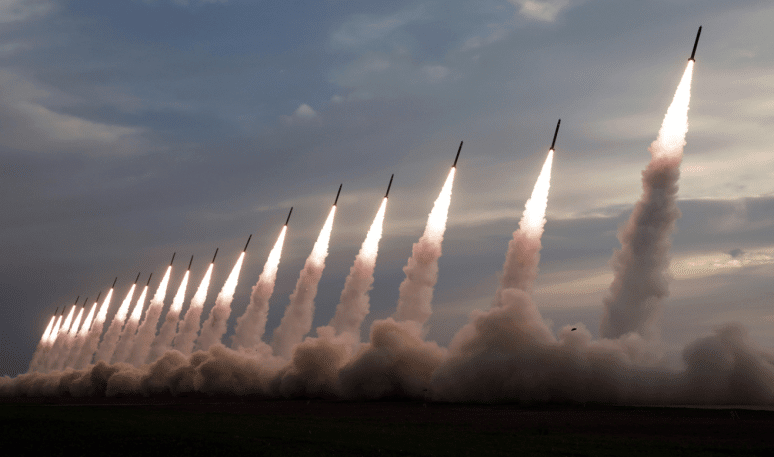
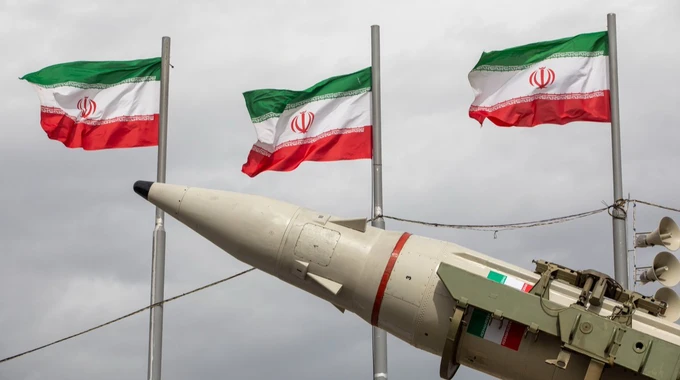
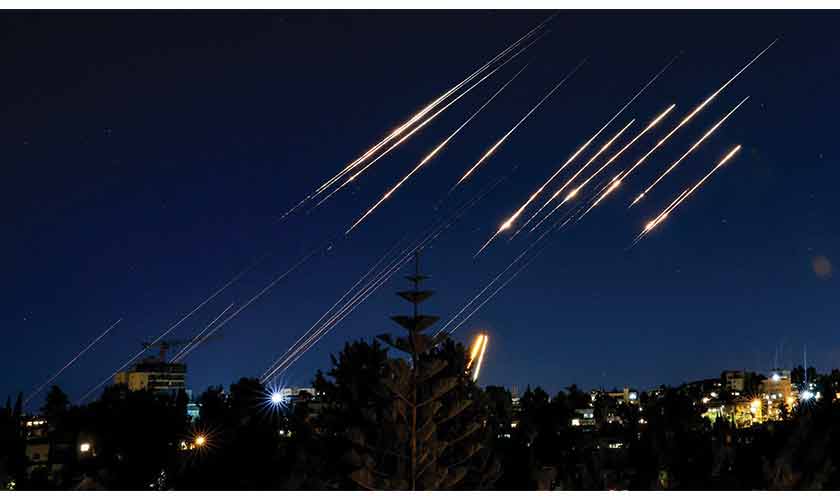
The escalating US-Iran military conflict, highlighted by Operation Epic Fury's 13,000+ strikes and subsequent naval blockade of Iranian ports, creates significant indirect but measurable impacts on cross-border e-commerce logistics and operational costs. The Pentagon's blockade has forced at least 14 vessels to turn around within 36 hours, with Admiral Brad Cooper confirming that approximately 90% of Iran's economy depends on international maritime trade. While direct Iranian market access is limited for most Western sellers due to existing sanctions, the geopolitical crisis affects global shipping infrastructure through the strategic Strait of Hormuz, a critical chokepoint controlling 21% of global petroleum trade and 30% of maritime commerce.
Shipping Cost Implications for Sellers: The blockade forces container ships to bypass the Strait of Hormuz, adding 4,000-6,000 nautical miles to Asia-to-Europe routes and increasing transit times from 28 days to 45-50 days. This diverts traffic through the Suez Canal and around the Cape of Good Hope, raising fuel surcharges by 8-15% for sellers shipping electronics, apparel, and consumer goods from Asia-Pacific suppliers. Sellers relying on just-in-time inventory from China, Vietnam, and India face extended lead times, requiring 15-20% higher safety stock levels to prevent stockouts during peak seasons (Q4 2024-Q1 2025).
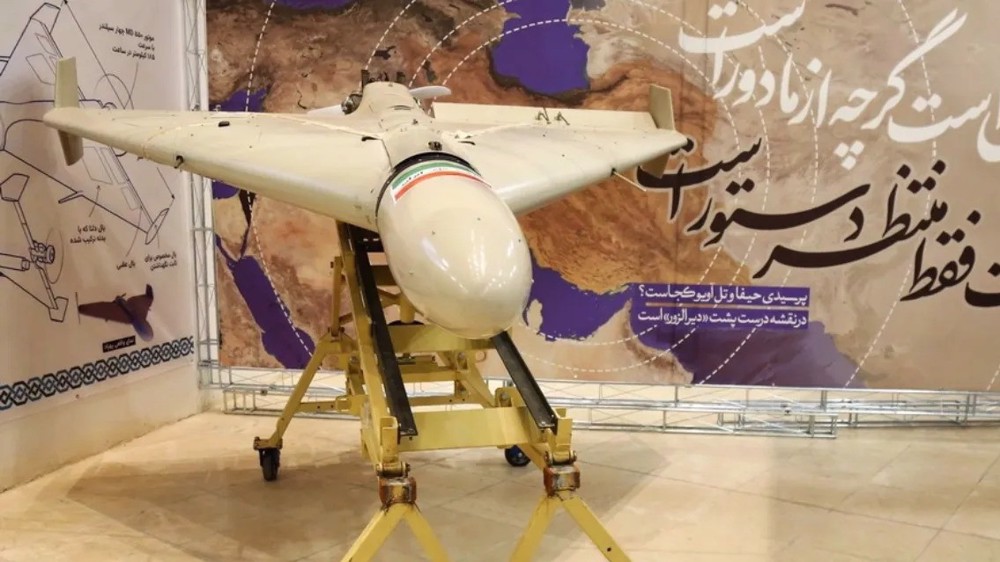
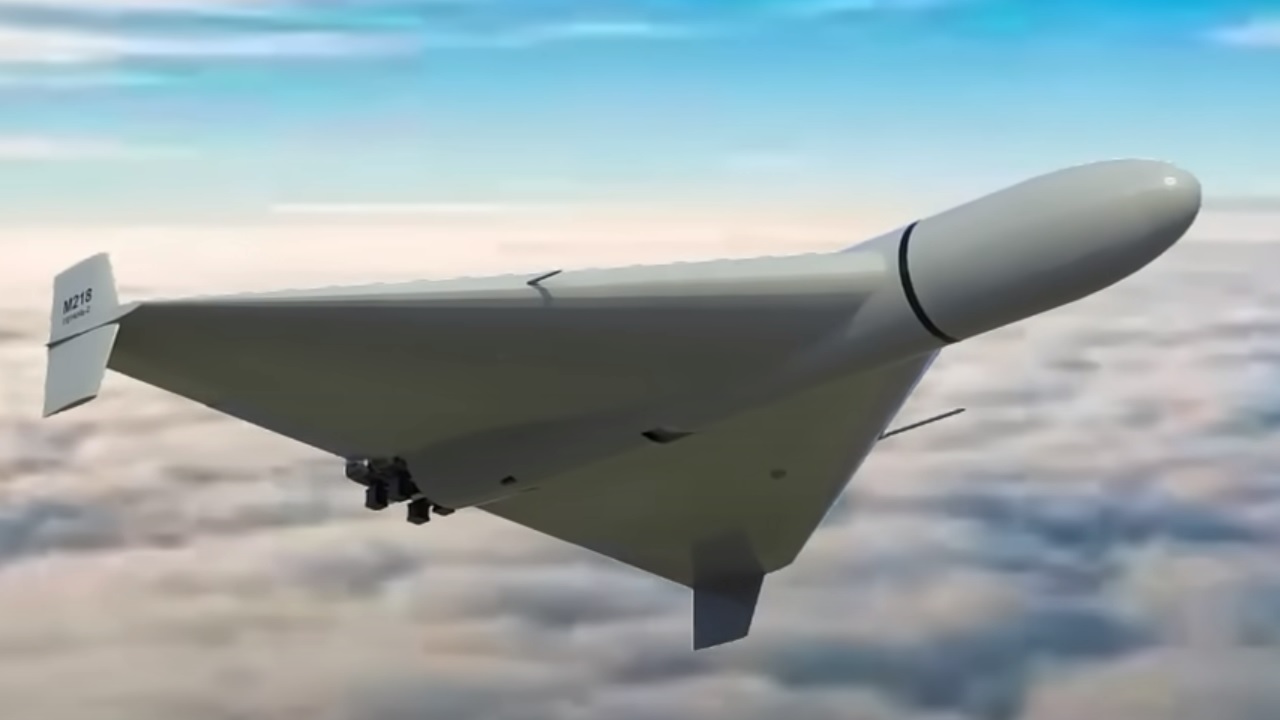
Cyber Threat Escalation: News 3 reveals Iran's advanced cyber capabilities, with Iranian-backed hackers targeting US critical infrastructure including electrical grids and wastewater systems. This represents a secondary risk for e-commerce sellers: increased cyber insurance premiums (12-18% rate increases expected), heightened platform security requirements from Amazon and Shopify, and potential payment processing delays if financial institutions implement additional fraud detection protocols. Sellers should expect mandatory multi-factor authentication enforcement and stricter API access controls on major platforms by Q2 2025.
Market Opportunity in Geopolitical Hedging: The crisis creates demand for supply chain resilience products—nearshoring consulting services, inventory management software, and alternative logistics solutions. Sellers offering supply chain optimization tools, warehouse management systems, and 3PL comparison platforms can capitalize on heightened seller demand for risk mitigation strategies. Historical precedent: the 2022 Russia-Ukraine conflict drove 340% growth in supply chain software category sales on B2B marketplaces.
Questions 8
What OFAC sanctions compliance steps do I need to take regarding Iran?
The US Treasury's OFAC maintains strict sanctions on Iran, prohibiting direct sales, shipping, or financial transactions with Iranian entities or individuals. All e-commerce platforms (Amazon, eBay, Shopify) enforce OFAC compliance through automated screening. Sellers must ensure their customer screening tools flag Iranian IP addresses, payment methods, and shipping addresses. If you receive orders from Iran-sanctioned entities, you must refuse and report to OFAC. Review your platform's sanctions policy documentation quarterly. Non-compliance carries penalties of $20,000-$250,000+ per violation. Use third-party compliance tools like Sanctioned Entity Screening to automate detection.
Which alternative shipping routes should I consider to avoid Strait of Hormuz delays?
Three primary alternatives exist: (1) Suez Canal route via Mediterranean—adds 2,000-3,000 nautical miles but avoids Hormuz entirely; (2) Cape of Good Hope route around Africa—adds 6,000+ nautical miles but provides maximum security; (3) Air freight from Asia—costs 4-6x ocean freight but guarantees 5-7 day delivery. For time-sensitive inventory, negotiate air freight rates with DHL, FedEx, or UPS. For standard shipments, Suez routing adds 3-5 days and 5-8% cost premium versus Hormuz. Discuss routing options with your freight forwarder and 3PL provider. Lock in rates for Q1 2025 before further geopolitical escalation.