



Entrepreneurial Focus vs. Public Sector Distractions: Musk's Strategic Pivot Reveals Critical Innovation Lessons
- Strategic recalibration signals the high opportunity cost of diverging from core business objectives






Overview
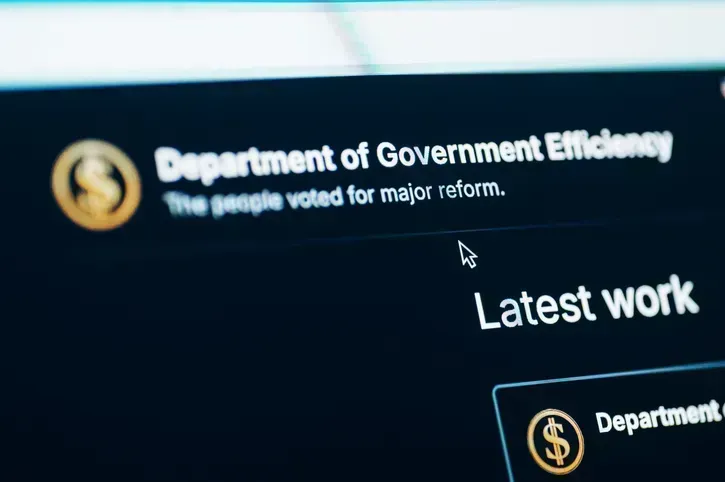
Entrepreneurial strategy demands ruthless prioritization, and Elon Musk's recent reflections on his government efficiency work provide a masterclass in strategic decision-making. In a candid podcast interview, Musk candidly admitted that his involvement with the Department of Government Efficiency (DOGE) was "only somewhat successful", revealing a critical insight for innovators: every moment spent on peripheral initiatives carries a substantial opportunity cost.
Strategic Opportunity Cost Analysis: Musk's retrospective highlights a fundamental entrepreneurial dilemma. Despite the potential for $200 billion in annual efficiency savings, his work with DOGE diverted critical attention from core businesses like Tesla and SpaceX. This admission underscores a profound lesson: even potentially impactful public sector initiatives can derail an entrepreneur's primary value creation mechanisms.
The narrative extends beyond Musk's personal experience into a broader commentary on innovation management. By referencing consumer protests and implying performance limitations caused by distraction, Musk illuminates the delicate balance between public service engagement and maintaining laser-focused business momentum. His entrepreneurial philosophy emerges crystal clear: maintaining strategic concentration trumps scattered, well-intentioned efforts.
Interestingly, Musk's reflection isn't a wholesale rejection of government collaboration but a nuanced critique of misallocated strategic resources. The technological solutions he remains optimistic about suggest that efficiency can be achieved through targeted, purposeful interventions rather than broad, unfocused initiatives. For entrepreneurs and innovators, this represents a critical framework: evaluate opportunities not just by their potential impact, but by their alignment with core competencies and strategic objectives.
The broader implication extends far beyond Musk's individual experience. It serves as a strategic warning for organizations and leaders: diversification must never come at the expense of core competency. In an increasingly complex business landscape, the ability to discern and ruthlessly prioritize becomes a competitive advantage more valuable than any single peripheral opportunity.
Questions 3
What specific risks did Musk identify in his government efficiency work?
Musk highlighted the risk of diverting attention from core business objectives, potentially impacting company performance. He suggested that his involvement with DOGE diverted critical resources from Tesla and SpaceX, demonstrating how even well-intentioned initiatives can create substantial opportunity costs.
How can entrepreneurs evaluate potential side projects more effectively?
Entrepreneurs should assess side projects by their strategic alignment, potential for core business enhancement, and precise resource requirements. The key is to maintain laser-focused prioritization and ensure that any external initiative directly supports or complements primary business goals.