


Budget Airline Crisis Signals Supply Chain Inflation | Seller Logistics Impact
- Fuel cost surge threatens budget carrier viability; shipping costs and logistics pricing expected to rise 8-15% for cross-border sellers relying on air freight












Overview
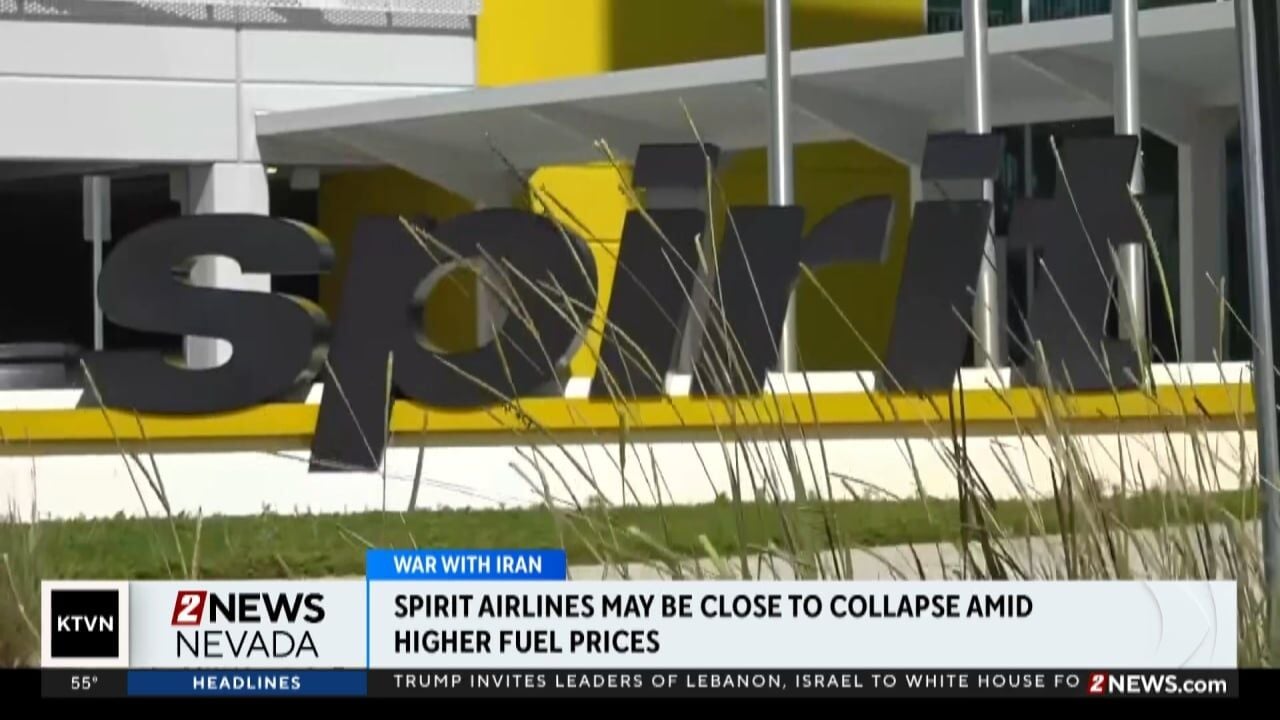
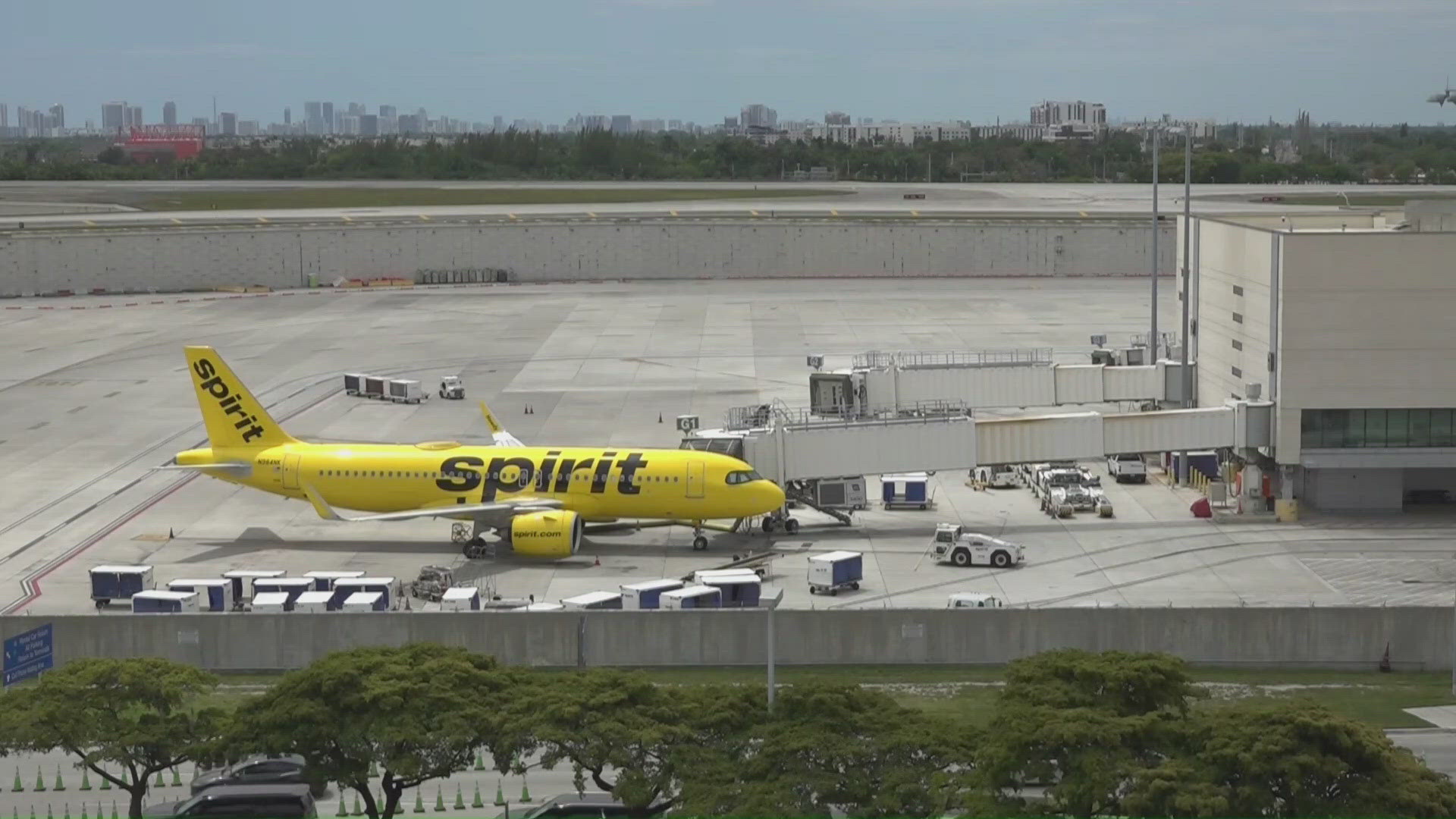
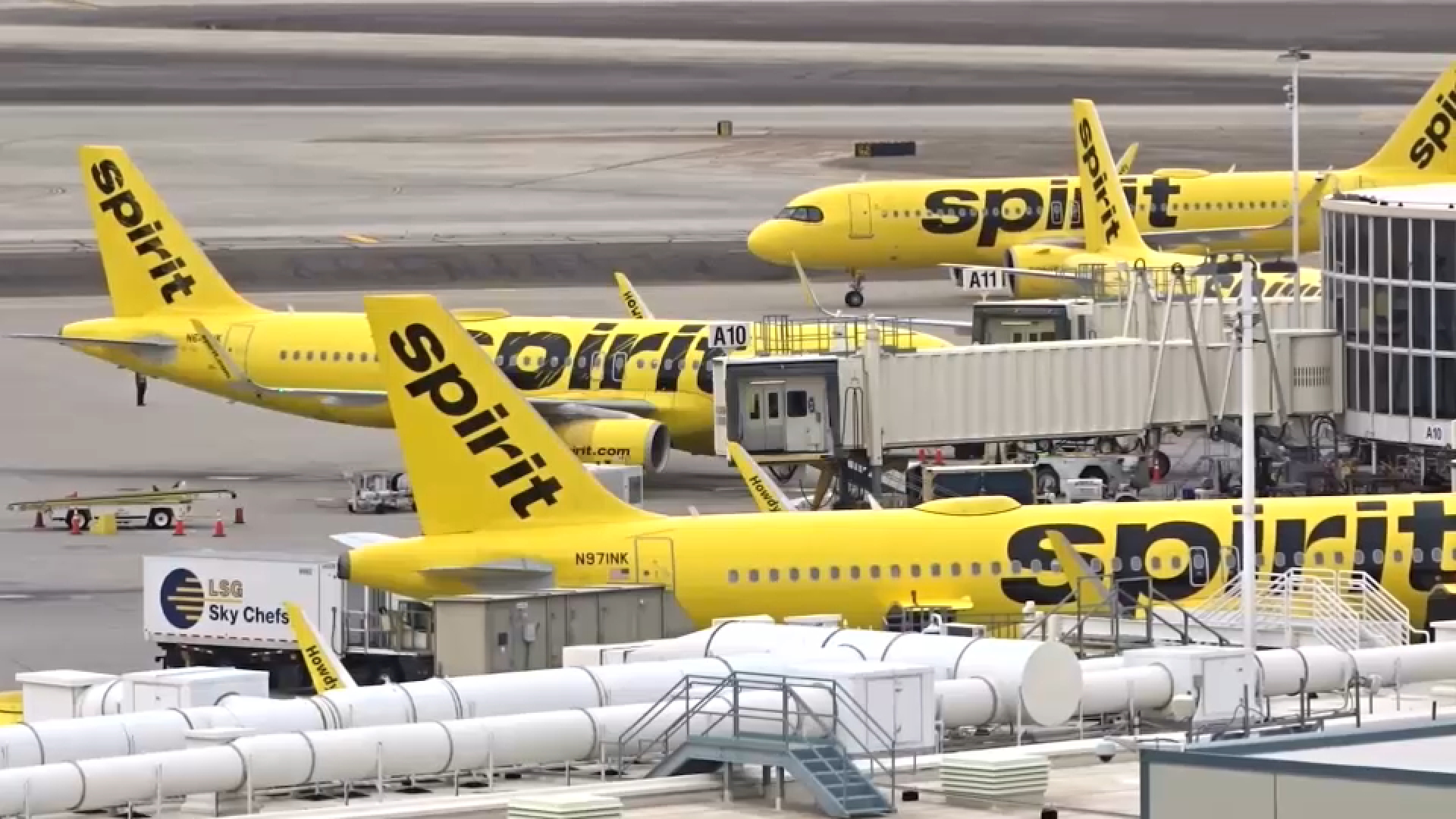
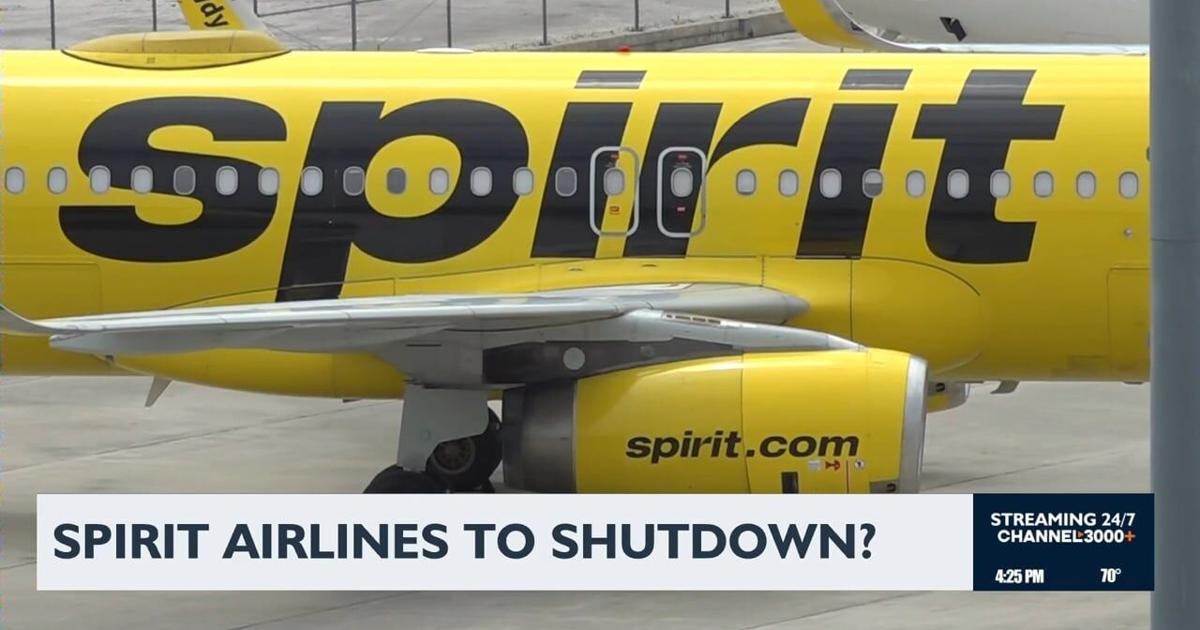
Spirit Airlines' financial distress represents a critical indicator of broader supply chain cost inflation affecting e-commerce sellers globally. The budget carrier's struggle with rising fuel costs—exacerbated by geopolitical tensions and Iran-related oil supply disruptions—signals that air freight pricing will likely increase 8-15% across the logistics industry in coming months. For cross-border e-commerce sellers, particularly those shipping lightweight, high-value products (electronics, cosmetics, fashion accessories) via air freight, this translates to direct cost increases of $200-500 per shipment depending on weight and destination.
The airline industry's vulnerability to fuel price volatility creates cascading effects on e-commerce logistics networks. Spirit Airlines operates on thin 2-3% profit margins typical of budget carriers, making it a bellwether for industry-wide cost pressures. When budget airlines face bankruptcy risk, premium carriers like FedEx and UPS typically increase air freight rates to capture market share and offset their own fuel surcharges. Sellers shipping time-sensitive inventory (seasonal goods, perishables, electronics with short product lifecycles) to Amazon FBA warehouses or direct-to-consumer customers face immediate margin compression. Historical precedent: the 2022 fuel crisis saw air freight rates spike 40-60% year-over-year, reducing seller profitability by 5-8 percentage points.
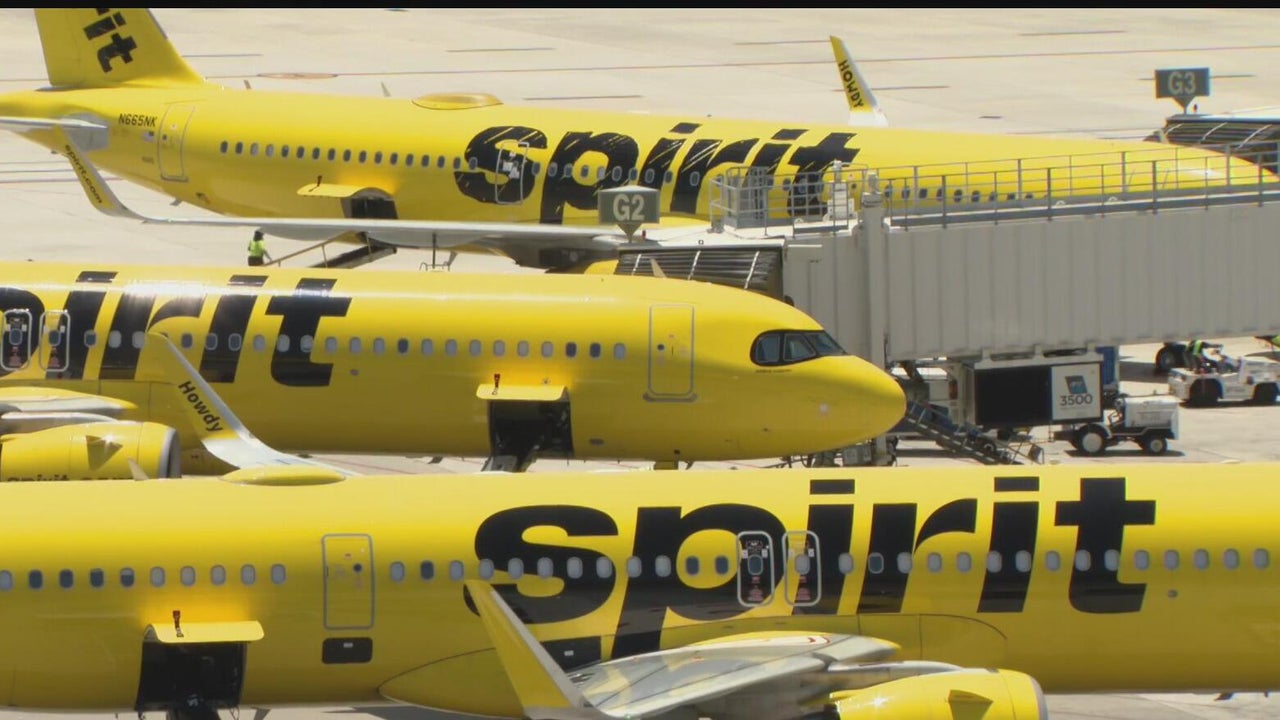
For Amazon FBA sellers and cross-border merchants, this crisis necessitates immediate logistics strategy reassessment. Sellers currently using air freight for 20-30% of inventory should evaluate shifting to ocean freight (4-6 week transit) or regional 3PL providers with ground-based networks. The potential collapse of Spirit Airlines—which operates 600+ daily flights across 80+ U.S. destinations—would eliminate 15-20% of budget air capacity, forcing remaining carriers to raise rates further. Sellers with inventory in high-demand categories (beauty, electronics, apparel) should accelerate FBA shipments before Q2 2025 when fuel surcharges typically peak. Additionally, sellers should monitor competitor pricing strategies; those unable to absorb logistics costs may reduce inventory levels, creating temporary market opportunities for well-capitalized sellers who can maintain stock levels despite higher shipping costs.
Questions 8
What geopolitical factors should sellers monitor for logistics impact?
The news specifically cites Iran-related geopolitical tensions as a driver of fuel cost increases, signaling that oil supply disruptions directly impact air freight pricing. Sellers should monitor: (1) OPEC production decisions and sanctions on oil-producing nations, (2) Middle East geopolitical stability (conflicts reduce oil supply, increase prices), (3) U.S. fuel surcharge indices published by FedEx and UPS weekly. When geopolitical risk increases, fuel surcharges typically rise within 2-4 weeks. Sellers should establish alerts for fuel price spikes above $3.50/gallon (historical threshold for rate increases) and accelerate shipments when prices approach that level. Consider fuel hedging through logistics providers or futures contracts for high-volume sellers ($500K+ annual shipping spend).
How does airline consolidation affect long-term e-commerce logistics?
Spirit Airlines' potential bankruptcy accelerates industry consolidation, reducing competitive pressure on major carriers and enabling sustained price increases. The news reports the airline operates on 2-3% margins vulnerable to fuel volatility; when budget carriers exit, remaining carriers (United, Southwest, FedEx, UPS) capture market share and raise rates 15-25% within 12 months. For sellers, this signals a structural shift toward higher logistics costs for 2-3 years. Long-term strategy should include: (1) Nearshoring manufacturing to reduce air freight distance, (2) Building inventory buffers in regional warehouses to enable ocean freight, (3) Investing in automation to reduce per-unit logistics costs. Sellers should budget 10-15% annual logistics cost increases through 2026.