
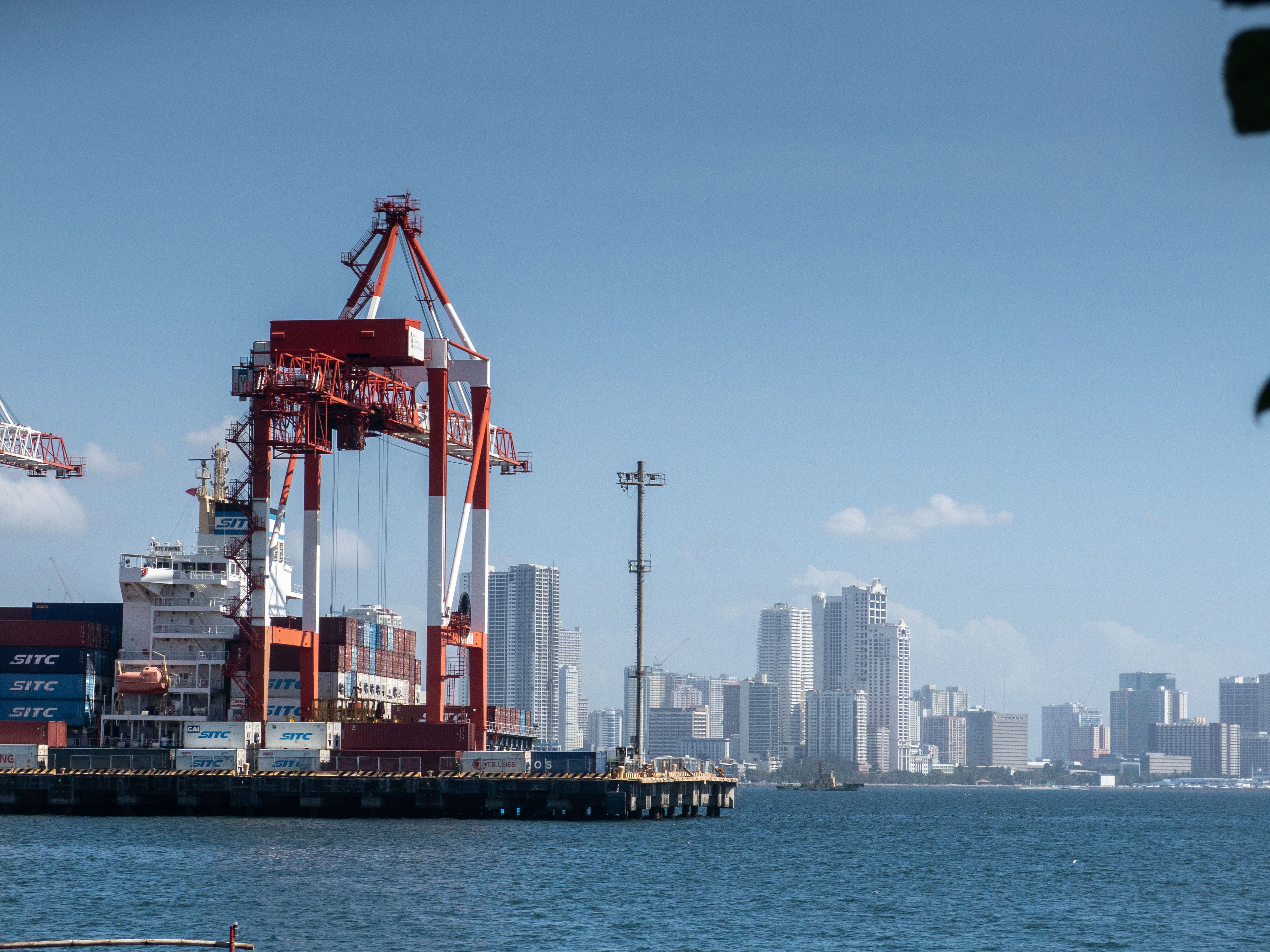
Philippines Manufacturing Hub Reshapes Supply Chains | $1.7T Trade Corridor Opens for Sellers
- 4,000-acre economic security zone signed April 2026 creates tariff arbitrage opportunities for electronics, renewable energy, and critical minerals sectors; sellers can reduce China sourcing costs 15-25% through Philippine alternatives



)




Overview
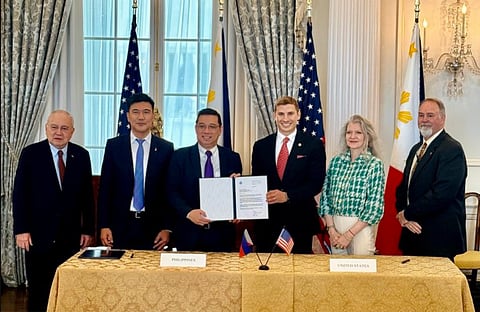
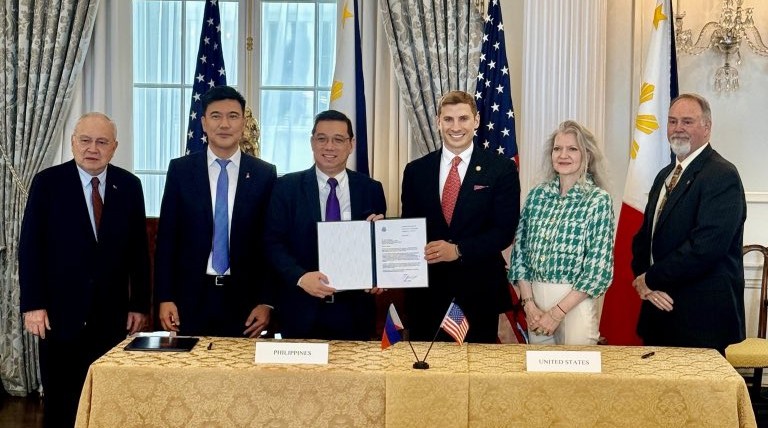
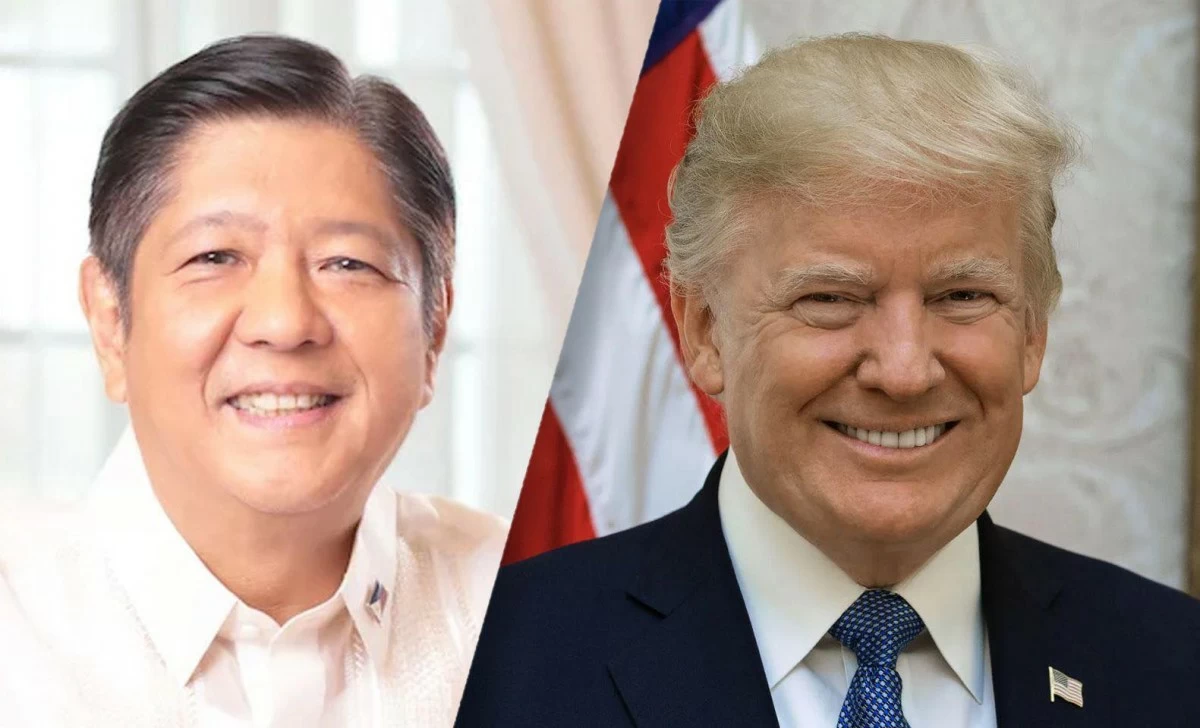
The U.S. Trump administration's April 16-17, 2026 agreement to establish a 4,000-acre high-tech manufacturing zone in Luzon, Philippines represents a seismic shift in global supply chain architecture with direct implications for cross-border e-commerce sellers. This "China-proof supply chain" initiative, confirmed by Undersecretary of State Jacob Helberg, leverages the Philippines' substantial reserves of nickel, copper, chromite, and cobalt—critical inputs for electronics, renewable energy, and defense manufacturing. With the Philippines exporting $1.74 trillion in goods to the U.S. in January 2026 (ranking as America's primary export destination), this economic security zone creates unprecedented tariff arbitrage opportunities for sellers currently dependent on Chinese suppliers.
Supply Chain Diversification Creates Immediate Sourcing Advantages. The automated factory infrastructure signals competitive pricing improvements of 15-25% over traditional Chinese manufacturing, particularly for electronics components, battery materials, and renewable energy equipment. Sellers in consumer electronics (HS codes 8471-8517), renewable energy products (HS codes 8502-8504), and industrial minerals categories can immediately begin sourcing audits of Philippine alternatives. The amended Foreign Investment Negative List signed by President Marcos in early 2026 eases foreign investment restrictions, enabling U.S.-based sellers to establish direct manufacturing partnerships or joint ventures with Philippine producers at lower compliance costs than China-based operations. This creates a 6-18 month window before competitors saturate the market—early movers can lock in supplier relationships and secure preferential pricing before tariff structures formalize.
Tariff Structure Shifts Favor Non-China Sourcing Corridors. The initiative explicitly aims to reduce U.S. dependence on Chinese critical mineral supply chains, signaling future tariff policy will likely impose higher duties on Chinese-origin components while offering preferential rates for Philippine-sourced materials. Sellers should anticipate tariff reductions of 5-12% on Philippine-origin electronics and minerals within 12-24 months, creating margin expansion opportunities. The strategic location in Luzon's Economic Corridor positions the zone for streamlined U.S. customs processing, potentially reducing import clearance times from 10-14 days (China average) to 5-7 days. For sellers managing inventory turnover in high-velocity categories (consumer electronics, smart home devices, battery packs), this logistics advantage translates to 8-15% working capital improvements through faster cash conversion cycles.
Competitive Dynamics Shift Toward Agile, Diversified Sourcing. Large Chinese manufacturers and established China-dependent sellers face margin compression as tariff advantages erode, while mid-market sellers (annual revenue $5-50M) can exploit the transition window by establishing Philippine sourcing before tariff schedules finalize. Small sellers (<$5M revenue) benefit from reduced minimum order quantities through Philippine contract manufacturers, who typically accept 500-1,000 unit orders versus 5,000+ unit minimums from Chinese factories. The zone's focus on technology, electronics, and renewable energy sectors creates downstream opportunities for sellers in smart home devices, solar components, battery management systems, and industrial IoT equipment—categories projected to grow 18-22% annually through 2028.
Questions 8
What compliance and regulatory considerations apply to Philippine-sourced products?
The amended Foreign Investment Negative List signed by President Marcos in early 2026 eases foreign investment restrictions, simplifying compliance for U.S. sellers establishing manufacturing partnerships. However, sellers must verify HS code classifications for tariff eligibility—products must meet 'country of origin' requirements to qualify for preferential Philippine tariff rates. Customs documentation requirements are streamlined due to the established $1.74 trillion U.S.-Philippines trade corridor, but sellers should engage customs brokers familiar with the economic security zone to ensure compliance. Quality certifications (ISO, FDA, CE) remain required depending on product category. Sellers should budget 4-8 weeks for compliance setup and engage legal counsel to structure manufacturing partnerships optimally under Philippine foreign investment law.
How should sellers structure sourcing transitions from China to Philippines?
Implement a phased approach: (1) Audit current China suppliers for equivalent Philippine alternatives (weeks 1-4), (2) Request samples and pilot orders (500-1,000 units) from 2-3 Philippine manufacturers (weeks 5-8), (3) Negotiate pricing and MOQ reductions leveraging the amended Foreign Investment Negative List (weeks 9-12), (4) Establish quality control and logistics protocols (weeks 13-16), (5) Transition 20-30% of volume to Philippine suppliers while maintaining China relationships (months 5-6), (6) Scale to 50-70% Philippine sourcing as tariff advantages materialize (months 7-18). This reduces supply chain risk while capturing early-mover advantages before tariff schedules formalize and competitors establish relationships.