



Strait of Hormuz Reopens | Cross-Border Sellers See 10%+ Shipping Cost Relief
- Oil prices drop $20/barrel from March peak; freight surcharges decline 8-15% for ocean/air shipping; 20% of global trade corridor stabilizes after geopolitical tensions ease















Overview
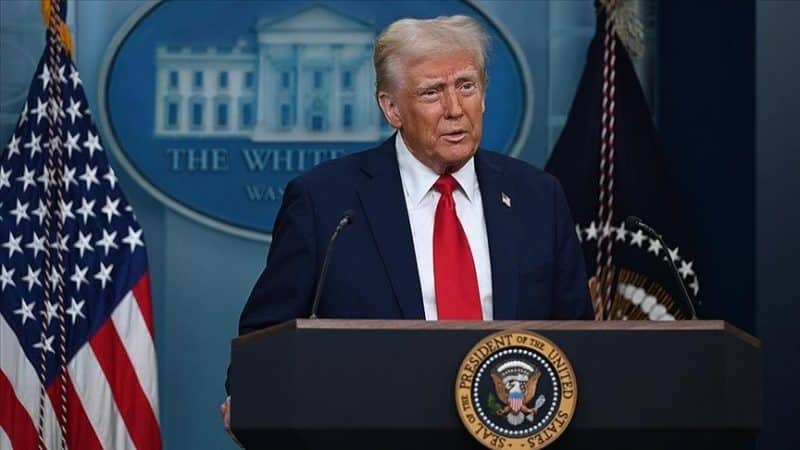
The Strait of Hormuz reopening following U.S.-Iran ceasefire negotiations represents a critical logistics inflection point for cross-border e-commerce sellers. Oil prices declined from March's $114/barrel peak to $93-98/barrel range following the April 7 ceasefire agreement brokered by Pakistan, where President Trump suspended bombing operations in exchange for Iran reopening the critical shipping corridor that handles approximately 20% of global oil trade. This 18-20% oil price reduction directly translates to measurable freight cost savings for sellers managing international logistics networks, with fuel surcharges on ocean and air shipments typically declining 8-15% when crude prices fall this magnitude.
For cross-border sellers operating on thin 10-15% margins, fuel surcharge reductions represent immediate profitability improvements. A mid-sized seller shipping 500+ units monthly via ocean freight from Asia to North America typically pays $0.80-1.20 per unit in fuel surcharges; the current price environment could reduce this to $0.68-1.02 per unit, translating to $60-300 monthly savings depending on shipment volume. Sellers using 3PL providers and fulfillment networks should expect carrier rate reductions within 30-45 days as fuel hedging contracts reset. Amazon FBA sellers shipping inventory via ocean freight benefit from lower inbound logistics costs, improving IPI (Inventory Performance Index) scores by reducing per-unit landed costs. However, the news also highlights critical risk: ING analysts warn that 13 million barrels per day of supply remains disrupted, and peace negotiations in Islamabad collapsed without agreement on Iran's nuclear weapons development, creating potential for rapid price reversals if geopolitical tensions resurface.
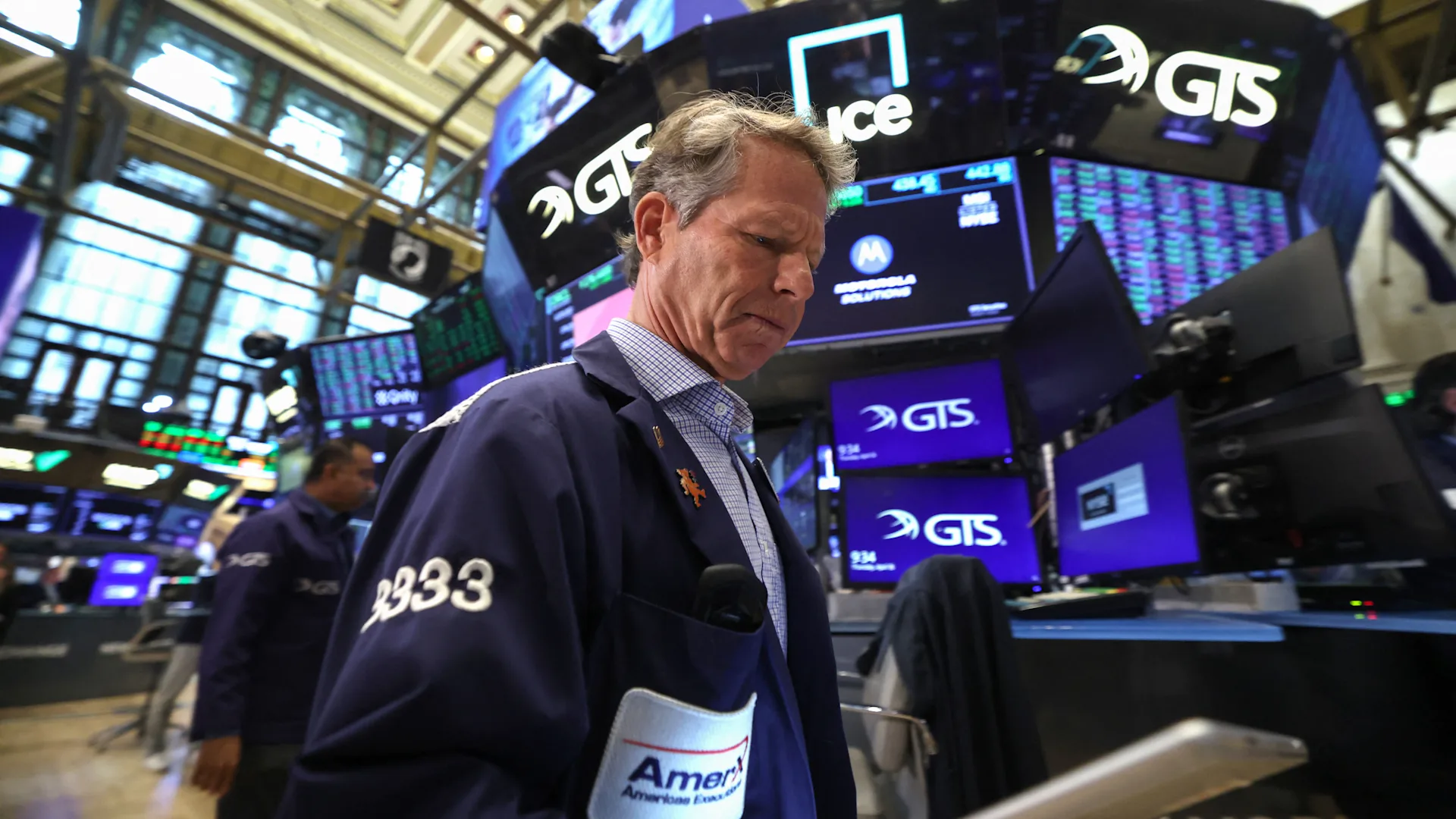
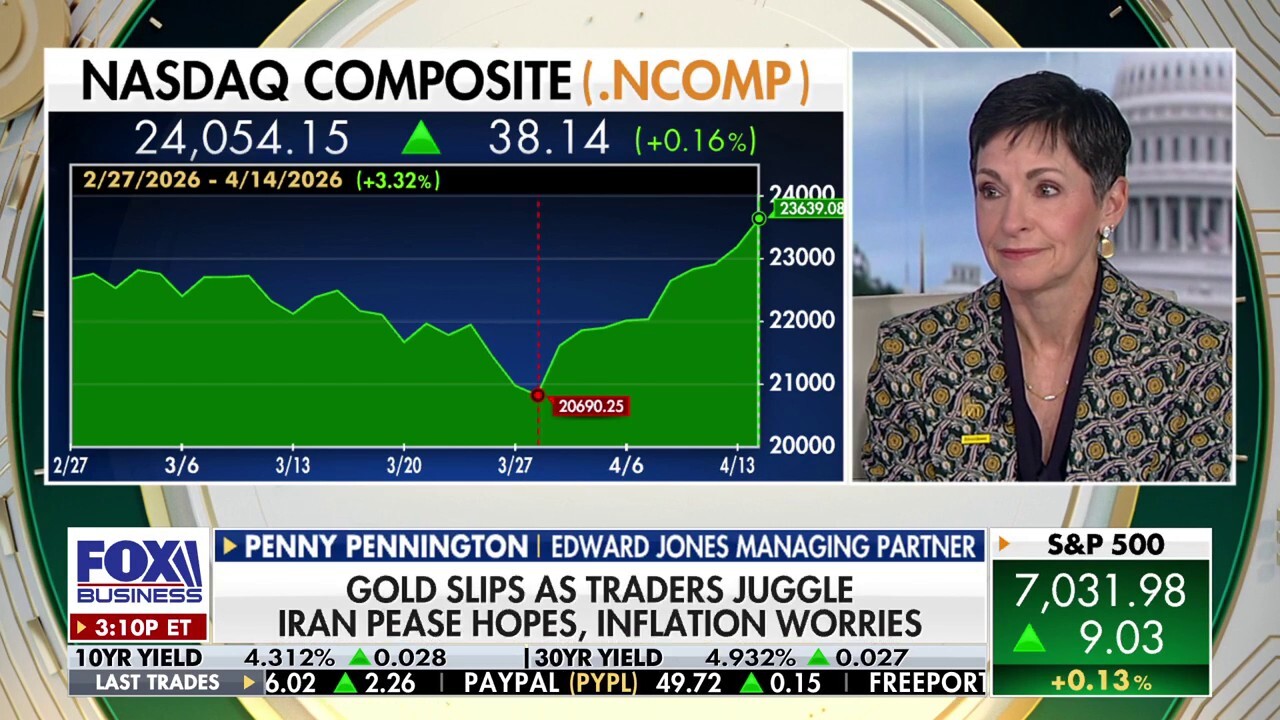
The stock market rally (S&P 500 above 7,000, up 10% over 11 sessions) signals improved consumer confidence and purchasing power, benefiting e-commerce demand. CNN's Fear and Greed Index moved from extreme fear in March to neutral readings, while VIX volatility declined in 10 of 12 sessions, indicating reduced market uncertainty. This sentiment shift supports consumer discretionary spending on cross-border marketplaces like Amazon, eBay, and Shopify-powered stores. However, gasoline and diesel prices remain significantly above pre-war levels despite stock gains, meaning consumer purchasing power improvements may be modest. Sellers should capitalize on the 30-60 day window before freight rates stabilize, as early movers can lock in lower costs while competitors still operate under higher fuel surcharge structures. The situation remains fluid—if peace talks break down, oil could spike back toward $110+/barrel, reversing all logistics gains.
Questions 8
What compliance or documentation changes should I expect from Strait of Hormuz reopening?
No immediate compliance changes are expected, as the Strait of Hormuz reopening simplifies rather than complicates logistics. However, monitor for potential changes in: (1) U.S. sanctions on Iranian goods—if negotiations progress, some Iranian product categories may become importable, creating new sourcing opportunities; (2) customs documentation for shipments transiting the Strait—some carriers may reduce security protocols as risk decreases; (3) insurance requirements—marine insurance premiums may decline as geopolitical risk premiums decrease. For now, maintain current customs documentation and compliance procedures. If Iran sanctions are lifted, review HS codes for Iranian-origin products (textiles, carpets, dried fruits) that could offer cost advantages. Most importantly, ensure your 3PL providers and freight forwarders update their routing algorithms to use the Strait of Hormuz again rather than longer, more expensive alternative routes around Africa.
How long will these lower freight costs last?
The current pricing window is likely 60-120 days, based on typical geopolitical risk cycles and carrier rate adjustment timelines. Oil prices typically stabilize 30-45 days after major geopolitical events, and freight rates follow 15-30 days later. However, this assumes the ceasefire holds—if negotiations break down, the window closes within days. The 30-day Israel-Lebanon ceasefire provides a near-term stability floor, but longer-term U.S.-Iran negotiations remain uncertain. Sellers should act within 30 days to lock in rate reductions with 3PL providers and increase inventory shipments. By June 2024, expect freight rates to stabilize at new levels reflecting the current oil price environment. If oil remains in the $90-100/barrel range through Q2, the cost savings become structural rather than temporary, supporting sustained margin improvements.