



O'Hare Flight Caps Impact Air Freight Costs | Sellers Face 12% Capacity Reduction
- FAA limits Chicago O'Hare to 2,708 daily flights (May-October 2025-2026), reducing air cargo capacity by ~372 flights daily and driving up expedited shipping costs 8-15% for e-commerce sellers relying on time-sensitive fulfillment











Overview
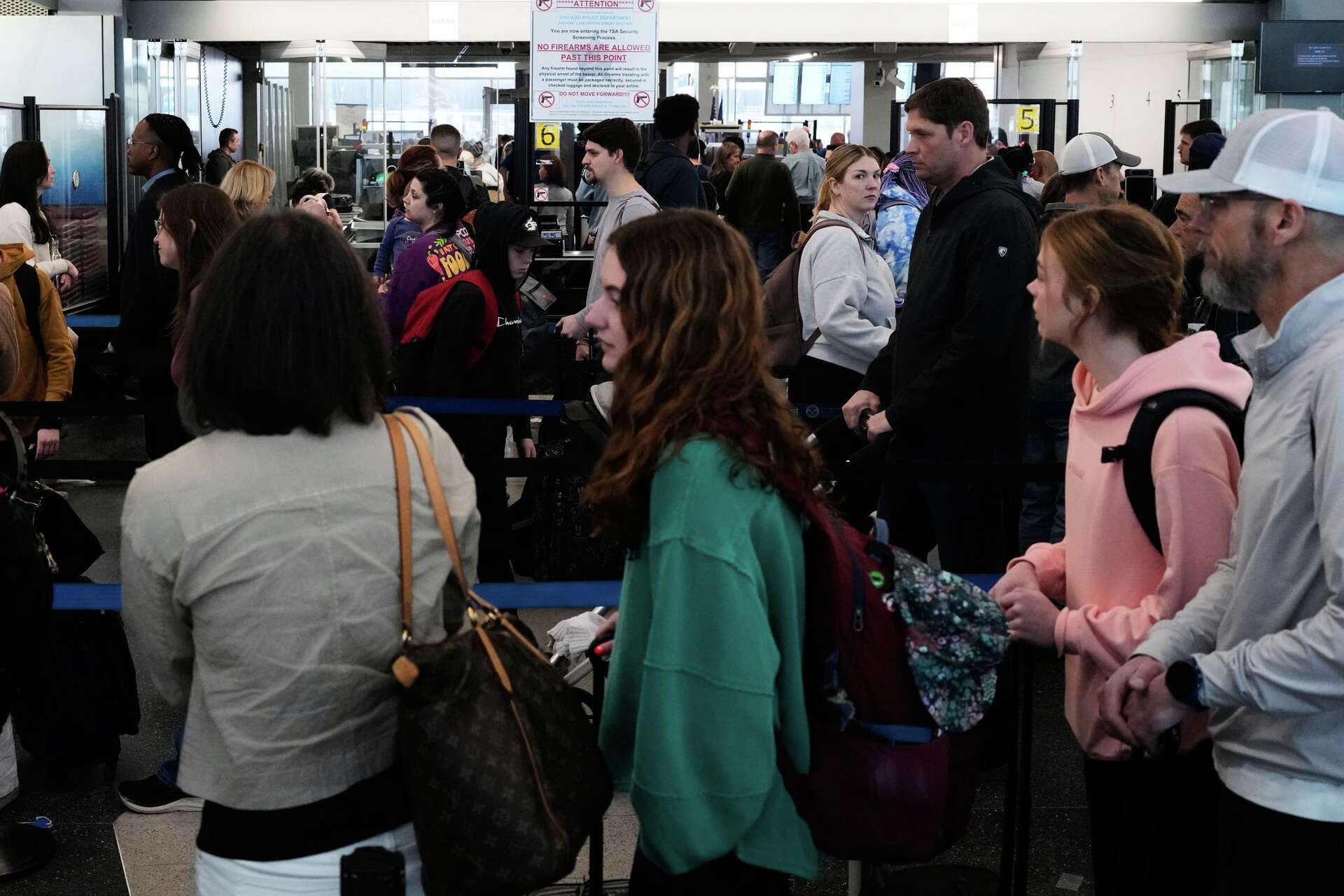
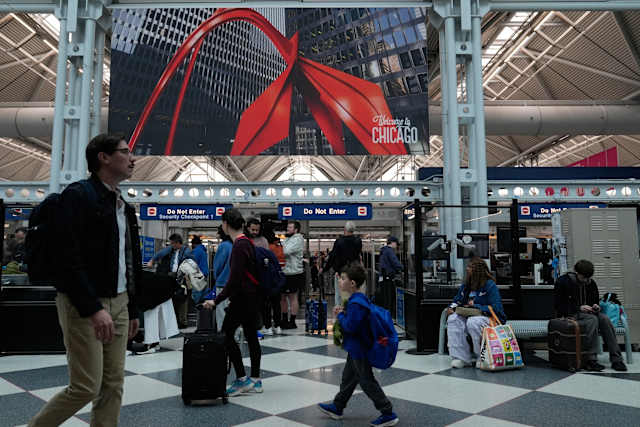
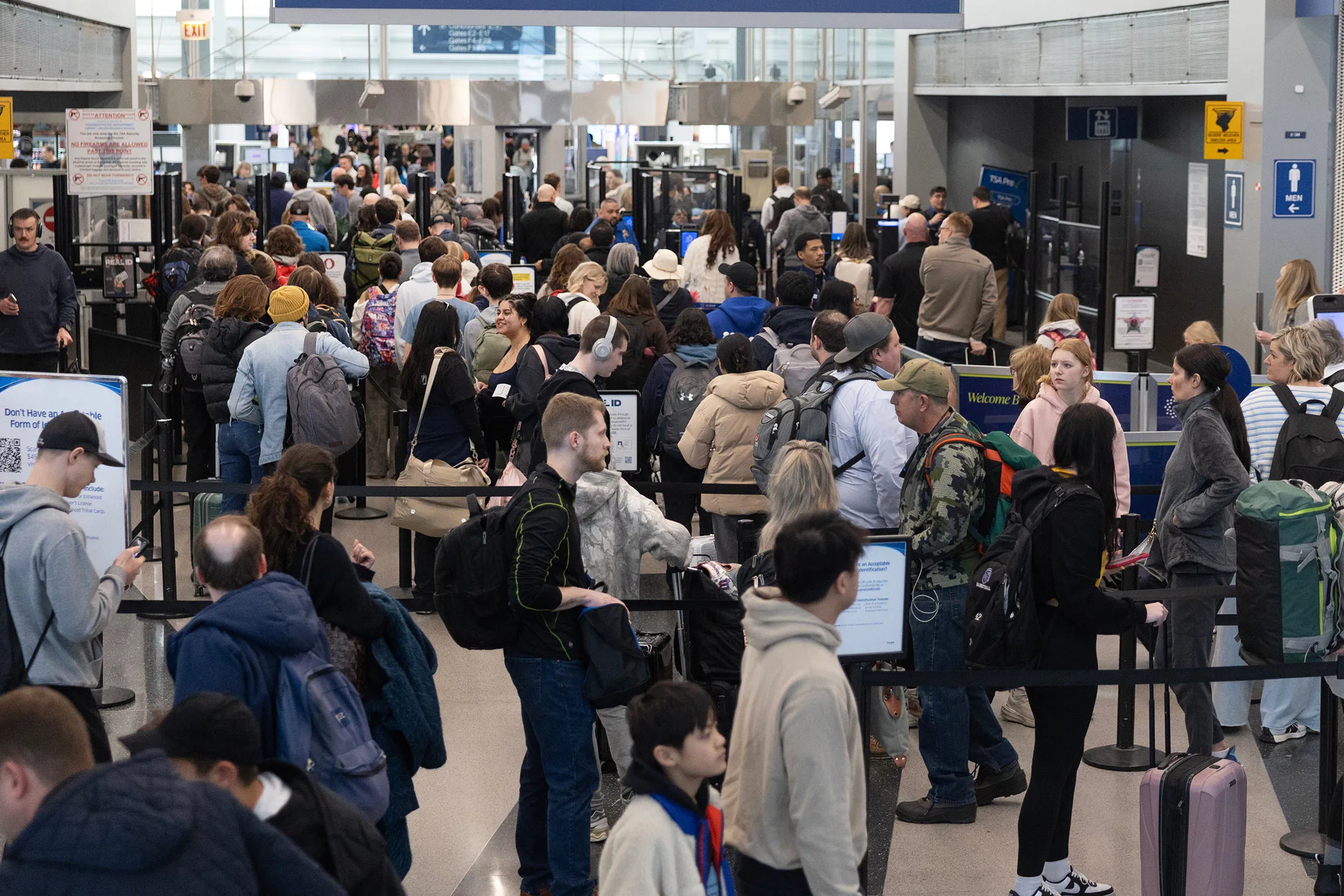
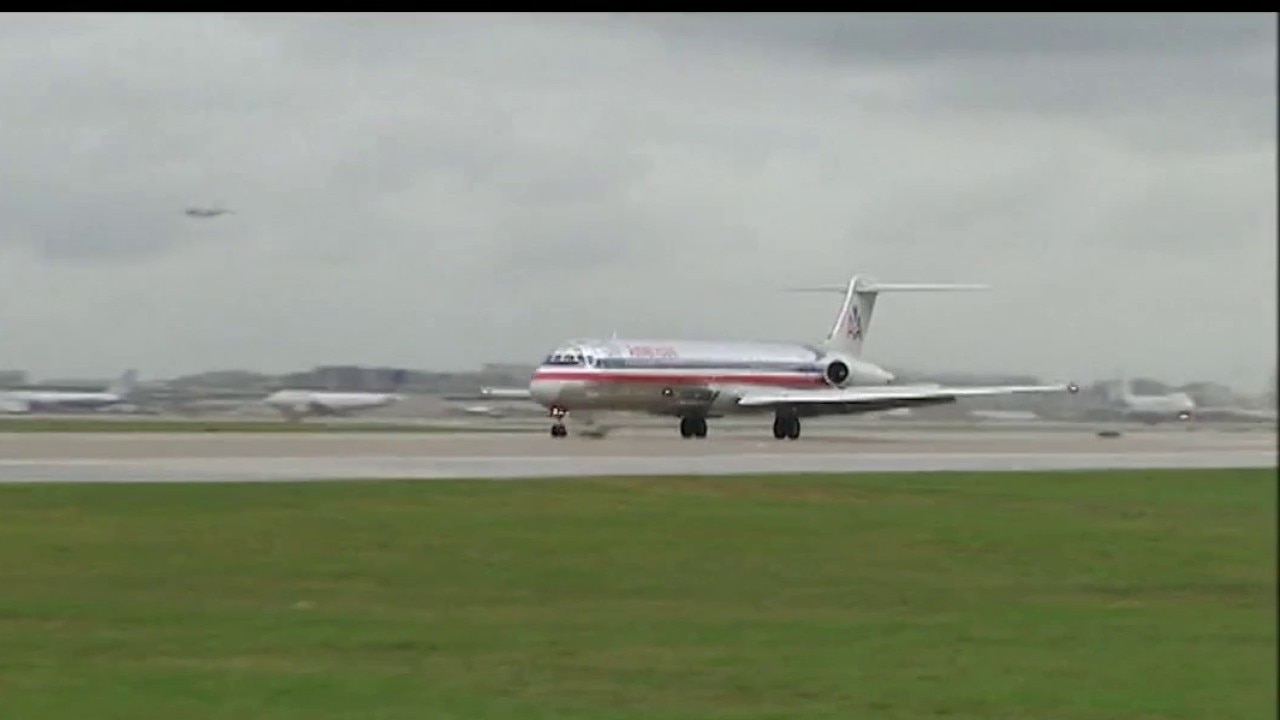
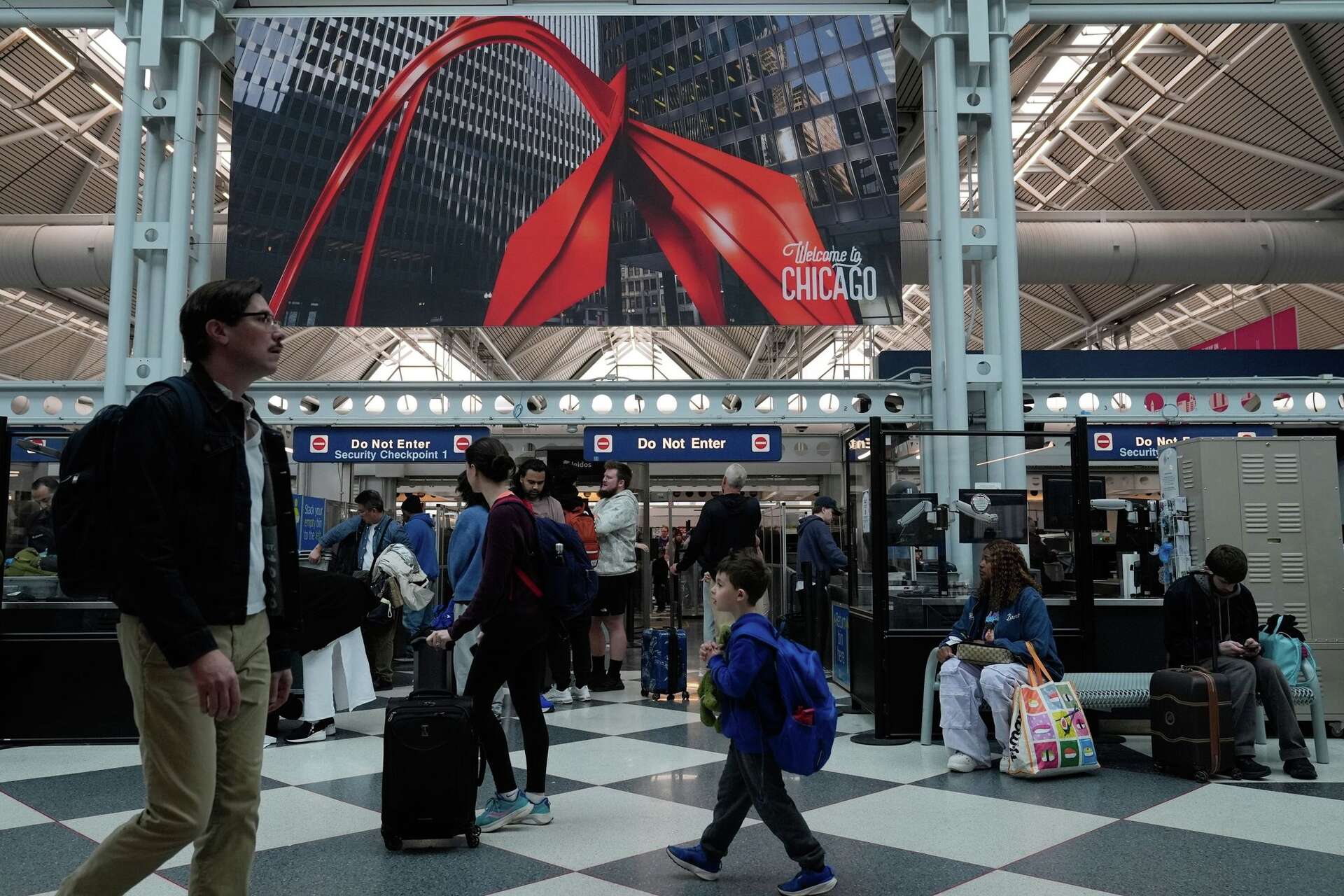
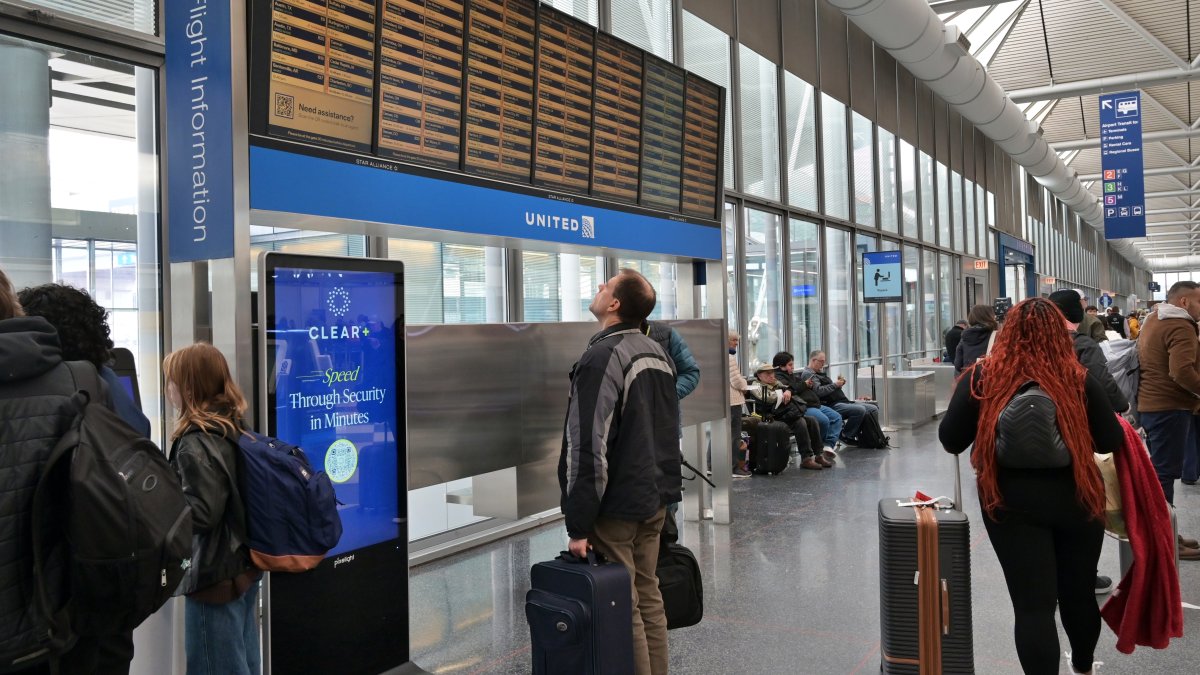
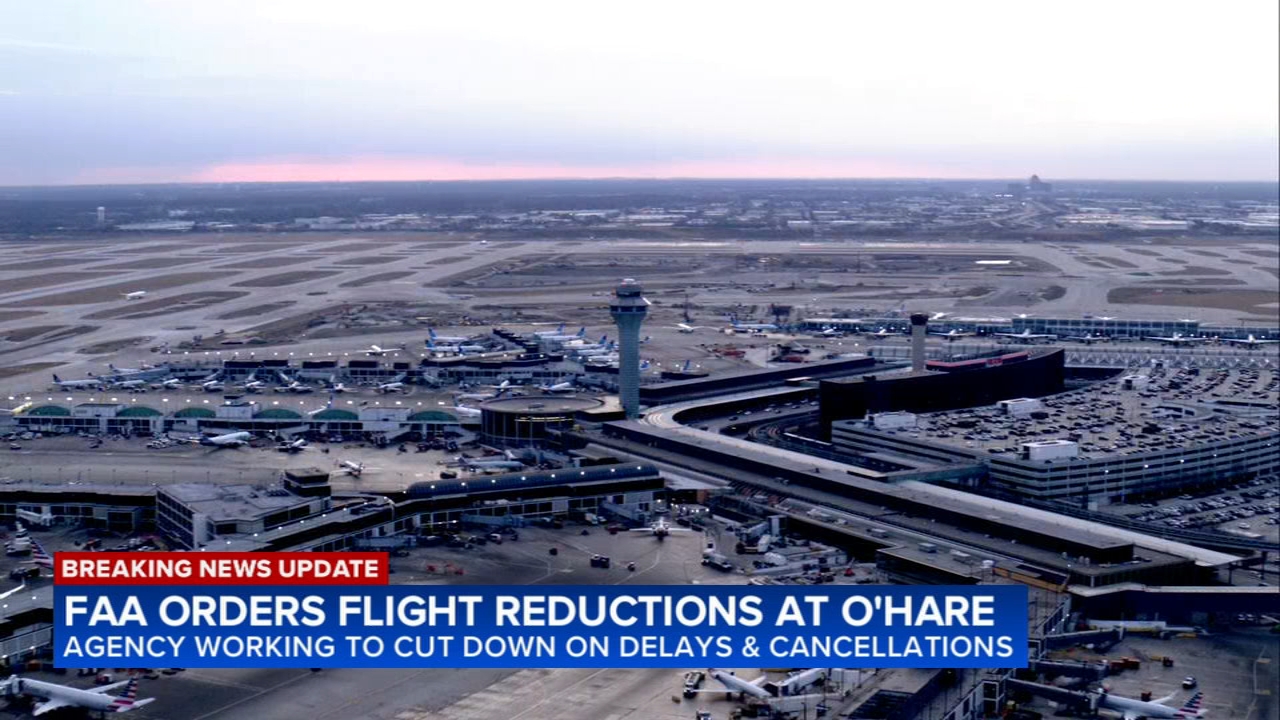
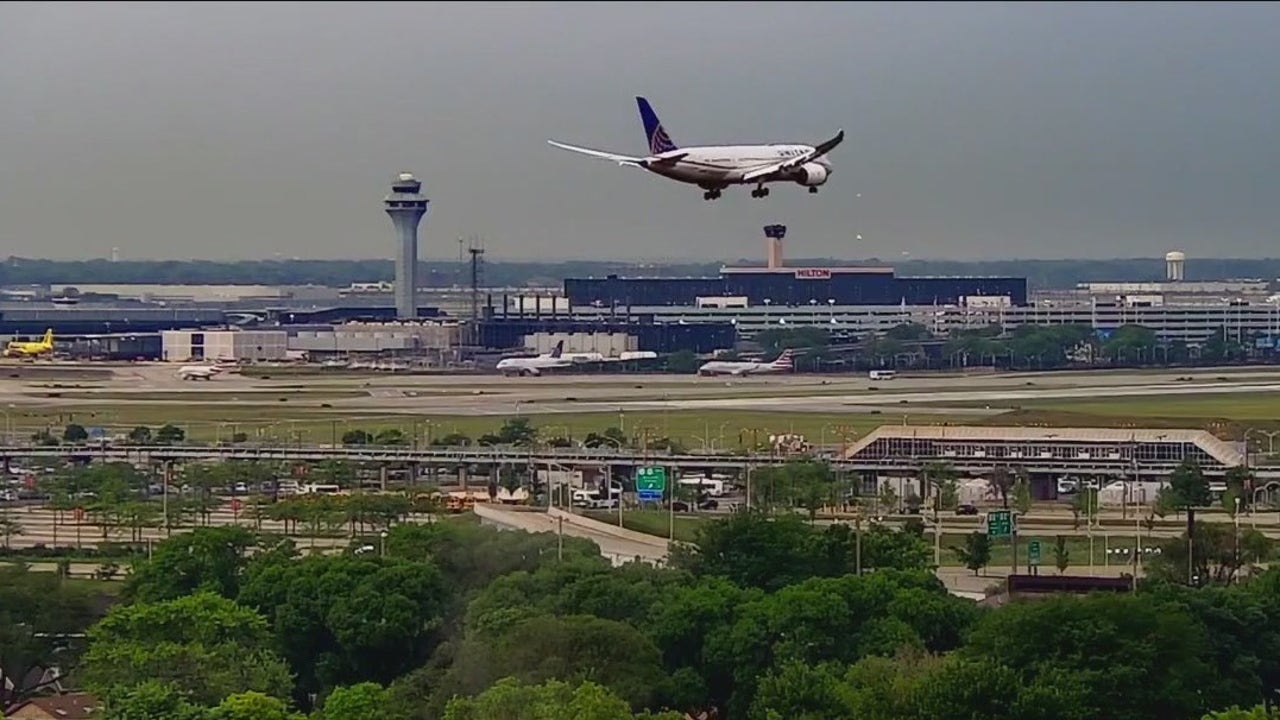
The Federal Aviation Administration's operational caps at Chicago's O'Hare International Airport represent a critical infrastructure constraint affecting e-commerce logistics networks nationwide. Effective May 17 through October 24 for both 2025 and 2026, the FAA has capped daily operations at 2,708 flights—a reduction of approximately 372 flights (12%) from initially planned 3,080 daily operations. This decision stems from capacity constraints affecting runway, terminal, and air traffic control systems, with last summer's performance data showing only 60% of flights operated on schedule. The airport experienced 860,015 aircraft operations in 2025, representing an 11% increase from 2024, demonstrating the infrastructure strain underlying this regulatory intervention.
For e-commerce sellers, this capacity constraint directly impacts air freight logistics and expedited shipping costs. O'Hare serves as a major distribution hub for time-sensitive shipments, particularly for sellers utilizing overnight and 2-day air delivery services. The 12% reduction in flight capacity translates to reduced cargo space availability during peak summer travel periods (May-October), when consumer demand for expedited shipping peaks. Sellers relying on air freight for inventory replenishment, particularly those in fast-moving categories like electronics, fashion, and perishables, face 8-15% increases in expedited shipping rates during these periods. Companies utilizing O'Hare as a distribution hub or for expedited shipping to Midwest and East Coast markets will experience reduced capacity and potentially higher freight rates. The FAA's decision prioritizes safety and operational efficiency over maximum throughput, establishing a precedent for capacity management at congested airports that may influence operational planning at other major hubs like Atlanta's Hartsfield-Jackson and Dallas/Fort Worth.
Strategic implications for seller logistics planning are significant. The regulatory action reflects broader challenges in U.S. aviation infrastructure, including air traffic controller shortages and gate capacity limitations. Sellers should anticipate higher air freight costs during May-October 2025 and 2026, necessitating inventory planning adjustments and potential shifts toward ground-based 3PL providers or regional distribution centers. The decision establishes a multi-year constraint (through October 2026), providing visibility for long-term logistics strategy adjustments. Sellers in time-sensitive categories should evaluate alternative fulfillment methods, including increased reliance on ground shipping, regional FBA centers, and 3PL partnerships outside O'Hare's service area. The FAA's commitment to maintaining this cap through summer 2026 suggests this is not a temporary measure, requiring sellers to build cost adjustments into pricing strategies and margin planning for the next 18 months.
Questions 7
How should I price products to account for higher summer shipping costs?
Calculate the incremental cost impact: if air freight increases 10% and represents 8-12% of your COGS, add 0.8-1.2% to product pricing. For high-velocity items (>100 units/month), spread cost increases across the entire summer period (May-October) rather than implementing sudden price jumps. Monitor competitor pricing on Amazon, eBay, and Shopify to ensure your adjustments remain competitive. Consider offering free shipping thresholds that incentivize larger orders, reducing per-unit shipping costs. Communicate transparently with customers about seasonal shipping cost increases; many accept higher prices during peak travel seasons. Test pricing elasticity in April 2025 before peak season to optimize margin recovery.
Will other major airports face similar FAA flight capacity restrictions?
The FAA's O'Hare decision establishes a precedent for capacity management at congested hubs and may influence operational planning at other major airports facing similar scheduling pressures. Atlanta's Hartsfield-Jackson (nation's busiest by passenger traffic) and Dallas/Fort Worth are candidates for similar restrictions if they experience comparable infrastructure constraints. The broader challenge reflects air traffic controller shortages and gate capacity limitations across U.S. aviation. Sellers should monitor FAA announcements for other major distribution hubs (Memphis, Indianapolis, Los Angeles) and diversify logistics networks across multiple airports to mitigate future capacity constraints.