





US Defense Manufacturing Shift Disrupts Auto Supply Chains | Seller Logistics Impact 2026
- Pentagon redirects GM, Ford capacity to weapons production; threatens 8-15% shipping cost increases for automotive parts sellers and 3-6 week delivery delays across logistics networks
























)






Overview
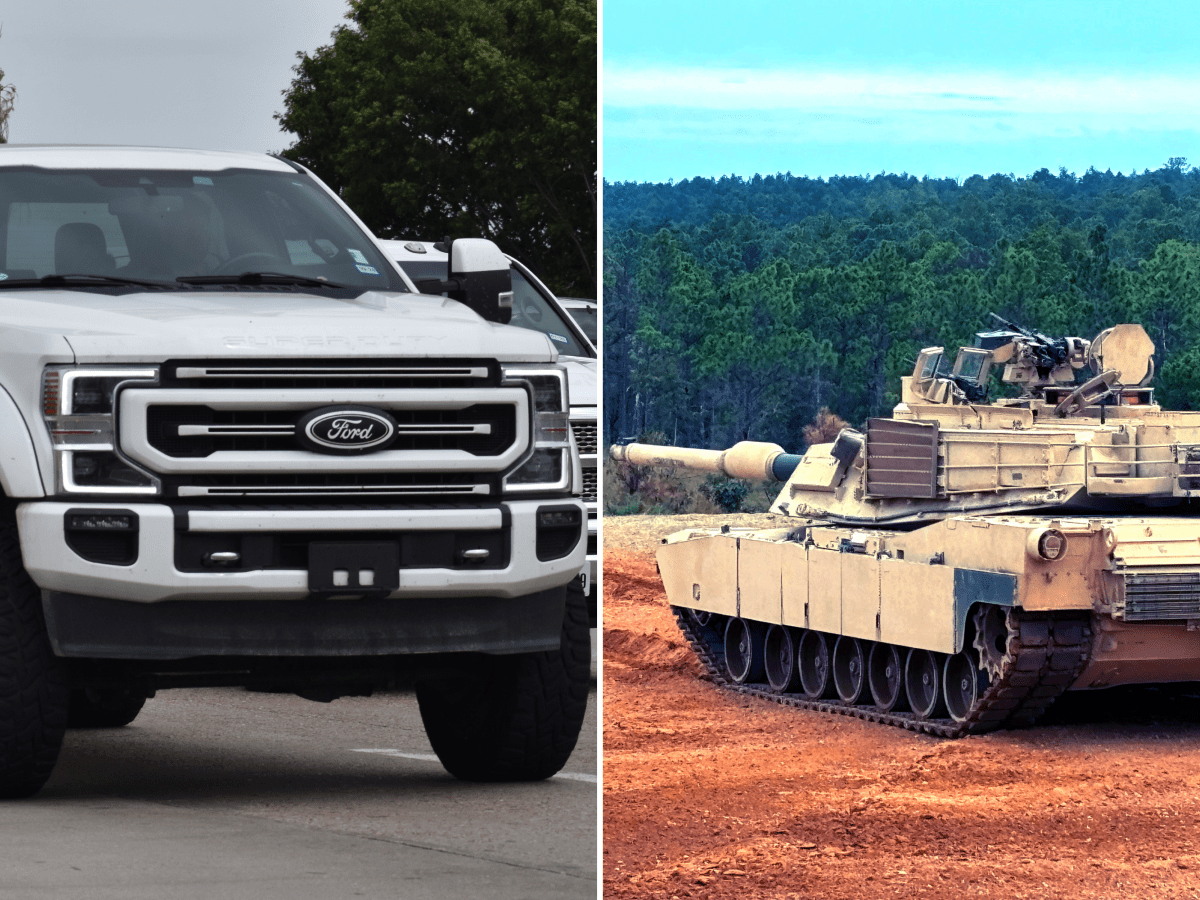
The Pentagon's April 2026 initiative to redirect civilian automotive manufacturing capacity toward military weapons production represents a significant supply chain disruption with cascading effects on cross-border e-commerce sellers. Senior defense officials approached General Motors CEO Mary Barra and Ford Motor CEO Jim Farley requesting assistance in expanding military equipment output, following $500 billion in military budget increases and weapons stockpile depletion from simultaneous conflicts in Ukraine and Iran. This strategic pivot—echoing World War II-era civilian-military manufacturing partnerships—targets component manufacturing and munitions production rather than complete weapons systems, with discussions involving GE Aerospace and Oshkosh Corporation alongside automotive giants.
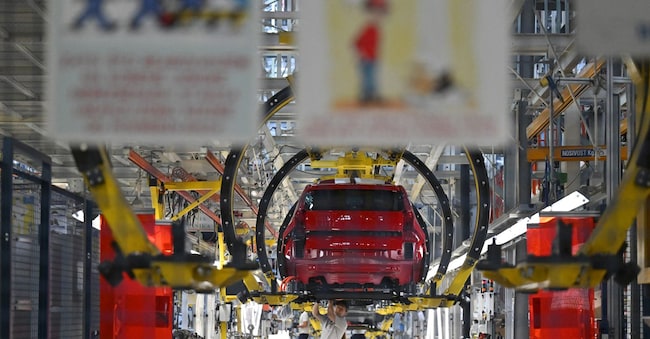
Supply Chain Disruption for E-Commerce Sellers: The redirection of automotive manufacturing capacity creates immediate operational challenges for cross-border sellers relying on automotive-related logistics infrastructure. Sellers dependent on automotive parts supply chains, vehicle-based fulfillment networks, and manufacturing components face potential 8-15% increases in shipping costs as production capacity shifts toward defense contracts. The Pentagon's strategy document explicitly criticizes traditional defense contractors for "slow manufacturing timelines and excessive pricing," positioning commercial automotive manufacturers as faster, more cost-efficient alternatives—a shift that will compress available civilian production capacity. Automotive parts sellers, logistics providers using vehicle-based distribution, and sellers sourcing components from GM/Ford supply chains face 3-6 week delivery delays as manufacturing facilities reallocate resources.
Labor Market and Manufacturing Constraints: The initiative signals potential workforce reallocation from civilian to military production, creating broader manufacturing sector constraints. Both GM and Ford possess "extensive production facilities, skilled labor forces, and supply chain networks" that the Pentagon seeks to leverage, meaning civilian automotive production may face labor shortages and extended lead times. Sellers sourcing automotive components, aftermarket parts, vehicle accessories, and logistics equipment should anticipate supply tightness through 2026-2027. The dual-conflict scenario (Ukraine + Iran simultaneously) creates "unprecedented demand pressures" on manufacturing capacity, suggesting this represents sustained policy rather than temporary emergency measures. Regional sellers in manufacturing-dependent areas (Michigan, Ohio, Indiana) face heightened logistics costs and inventory availability challenges.
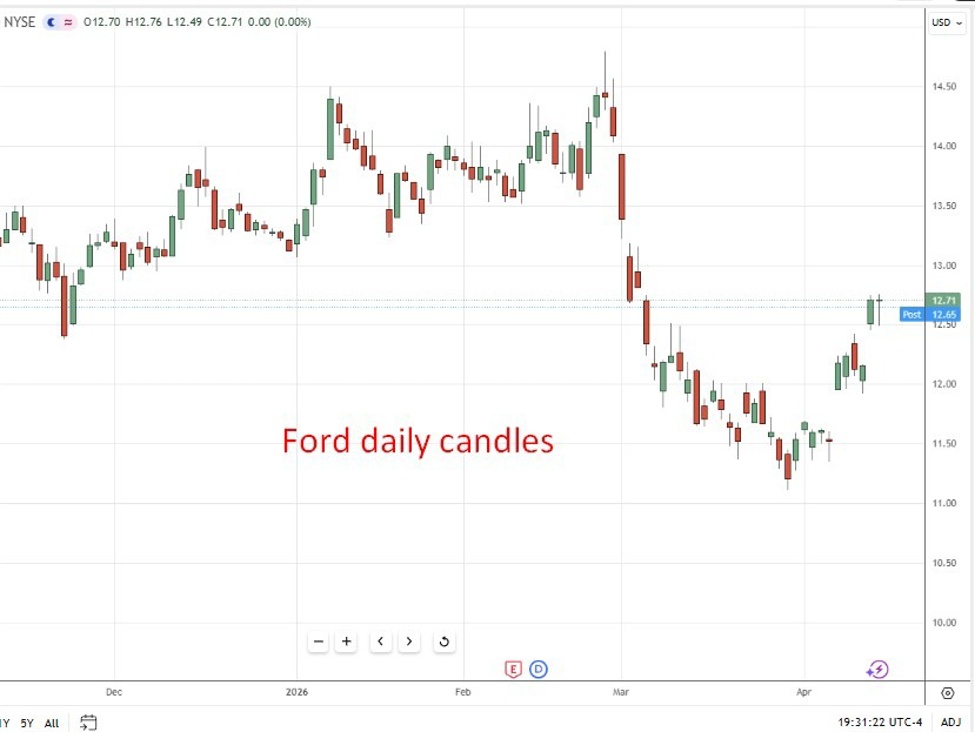
Strategic Implications for Seller Categories: Automotive parts sellers (BSR-ranked categories in automotive accessories, replacement parts, tools) face direct margin compression from increased sourcing costs. Logistics-dependent sellers using automotive-based fulfillment networks should diversify 3PL providers immediately. Electronics and consumer goods sellers relying on automotive supply chain components (semiconductors, metals, plastics sourced through automotive suppliers) face indirect cost increases. The Pentagon's emphasis on "off-the-shelf commercial components" and criticism of "obsolescent parts" suggests accelerated obsolescence cycles for sellers stocking legacy automotive components. Sellers should monitor GM and Ford earnings reports and supply chain announcements for specific facility closures or capacity reductions affecting their sourcing regions.
Questions 7
Should sellers increase inventory buffers or reduce stock ahead of supply chain disruption?
Sellers should increase inventory buffers for fast-moving automotive parts and components before Q2 2026 when supply constraints accelerate. Build 60-90 day safety stock for high-velocity SKUs (BSR under 10,000) in automotive categories. However, reduce inventory for slow-moving items and legacy components facing obsolescence from the Pentagon's 'cutting-edge technology' emphasis. The 3-6 week delivery delays mean longer lead times, so increase reorder points by 30-40% for critical components. Avoid long-term supplier contracts beyond 12 months. Implement inventory management systems that track supplier region dependencies and flag items sourced from affected automotive manufacturing hubs. Balance inventory investment against storage costs, which may increase 5-8% as 3PL providers face capacity constraints.
How does this military manufacturing shift affect Amazon FBA and Shopify sellers differently?
Amazon FBA sellers face greater disruption because FBA relies on automotive-based logistics networks and regional fulfillment centers concentrated in manufacturing regions. Shipping cost increases of 8-15% directly compress FBA profitability margins. Shopify sellers using third-party 3PL providers have more flexibility to switch providers and diversify fulfillment networks. Amazon sellers should audit their FBA inventory in automotive-related categories and consider shifting to Shopify with alternative 3PL providers. Both platforms will see increased shipping costs, but Shopify sellers can negotiate directly with 3PL providers while FBA sellers face Amazon's standardized fee increases. Monitor Amazon Seller Central announcements for FBA fee adjustments in Q2-Q3 2026 as logistics costs rise.