


Air Freight Crisis: Jet Fuel Shortage Forces 30-40% Rate Hikes for Cross-Border Sellers
- Jet fuel prices doubled to $200/barrel; air freight surcharges up $20/ticket; 6-week European supply window; Q2-Q3 2024 cost impact for electronics, fashion, perishables sellers













Overview
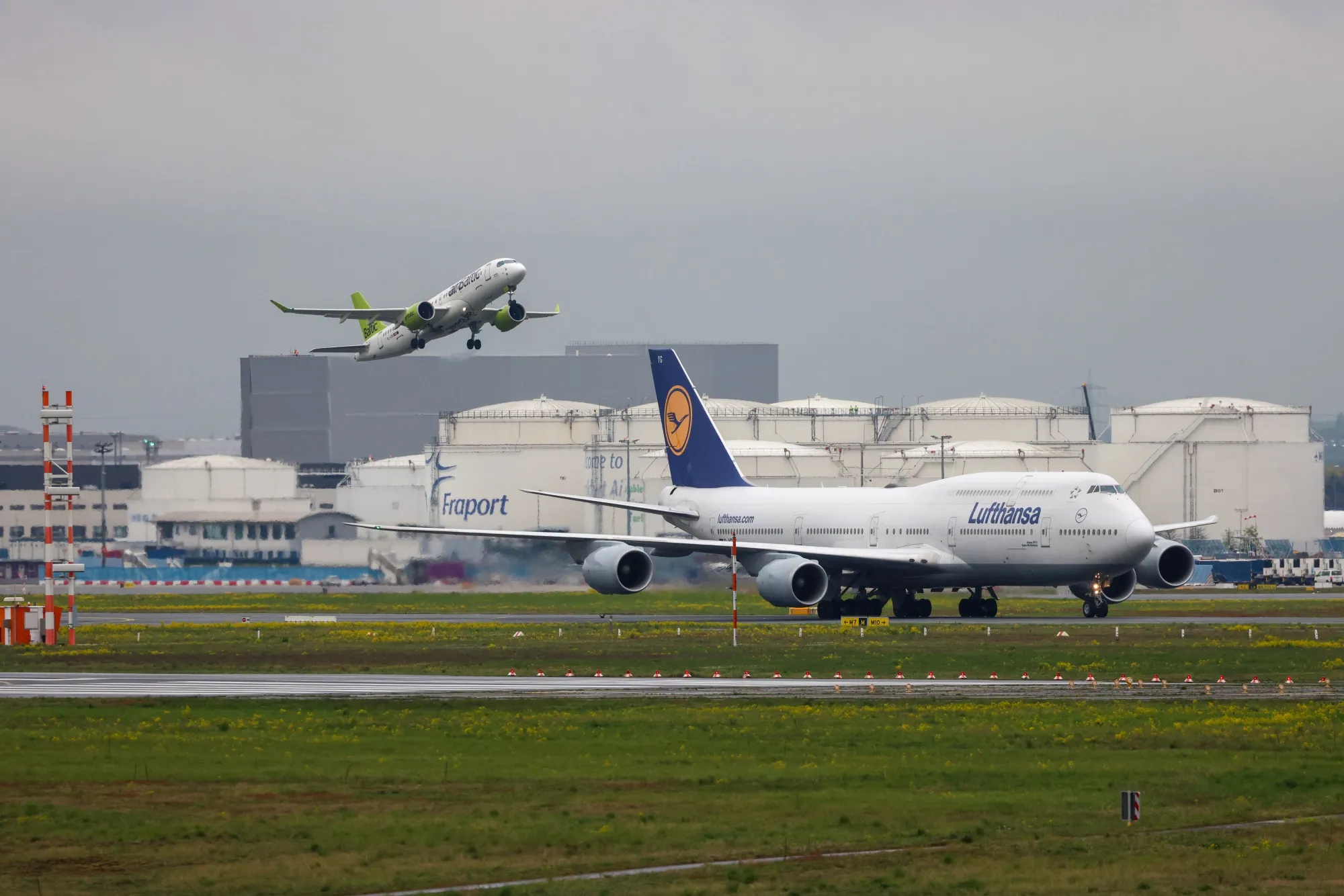
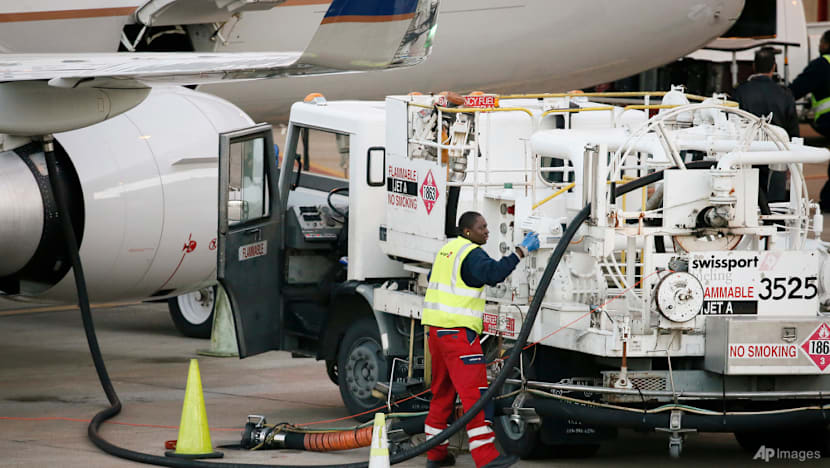
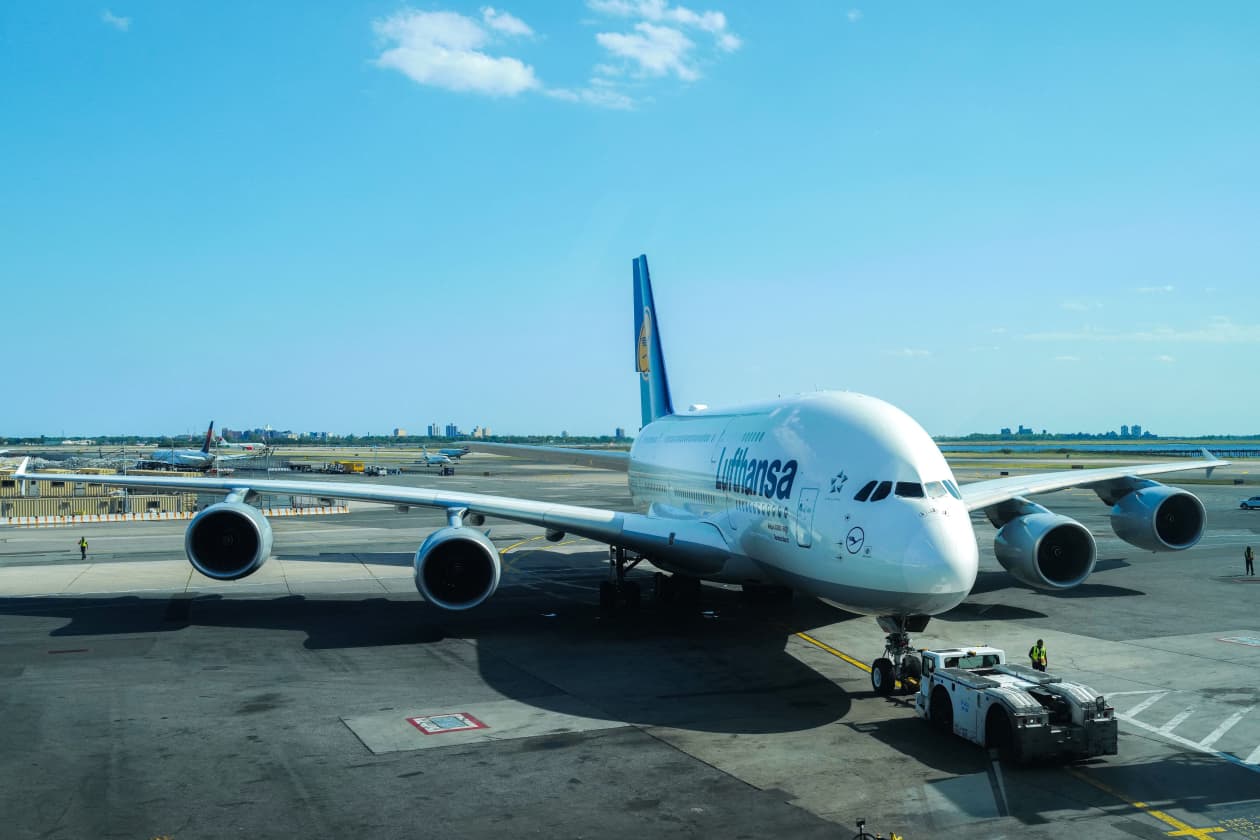
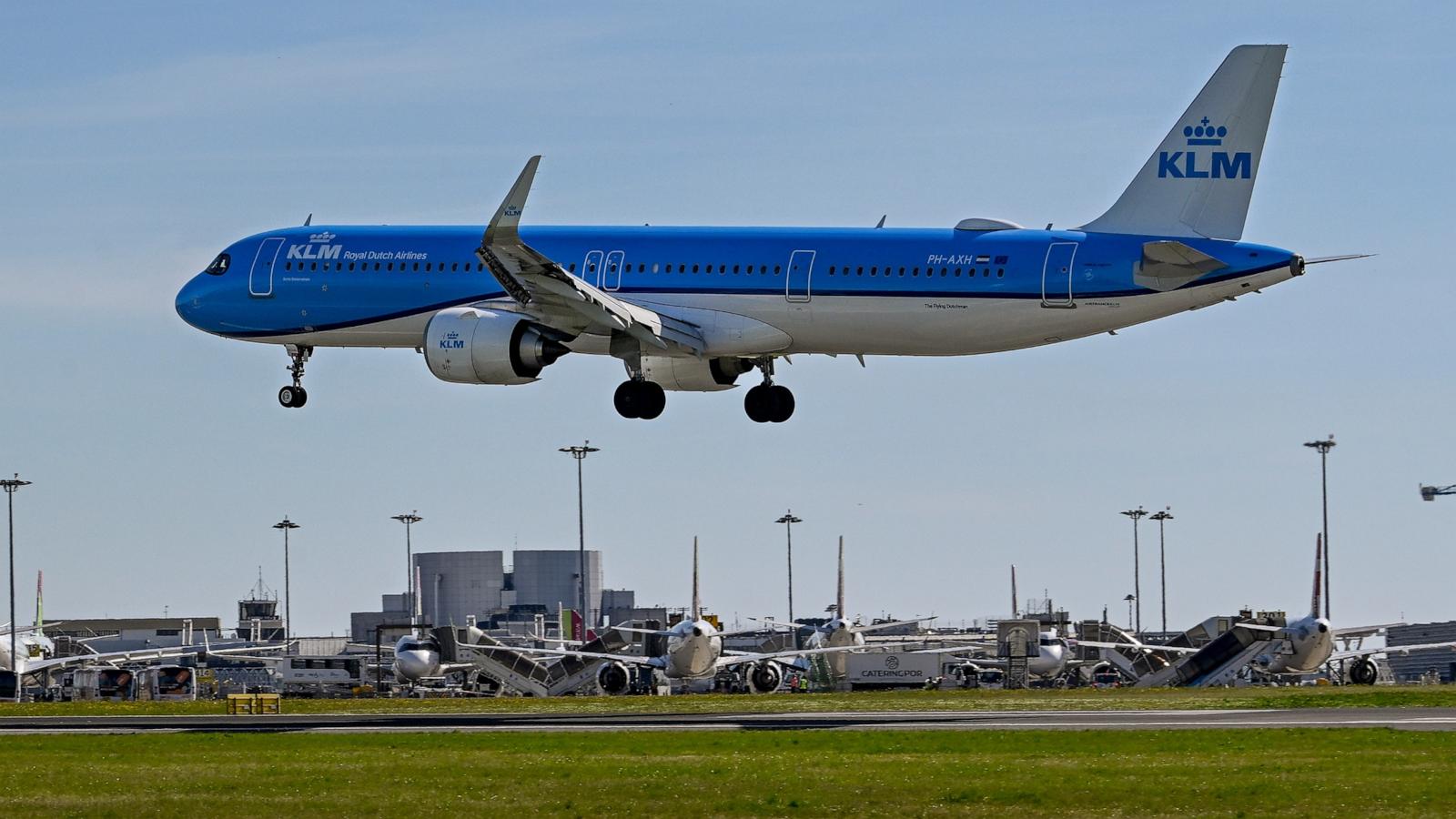
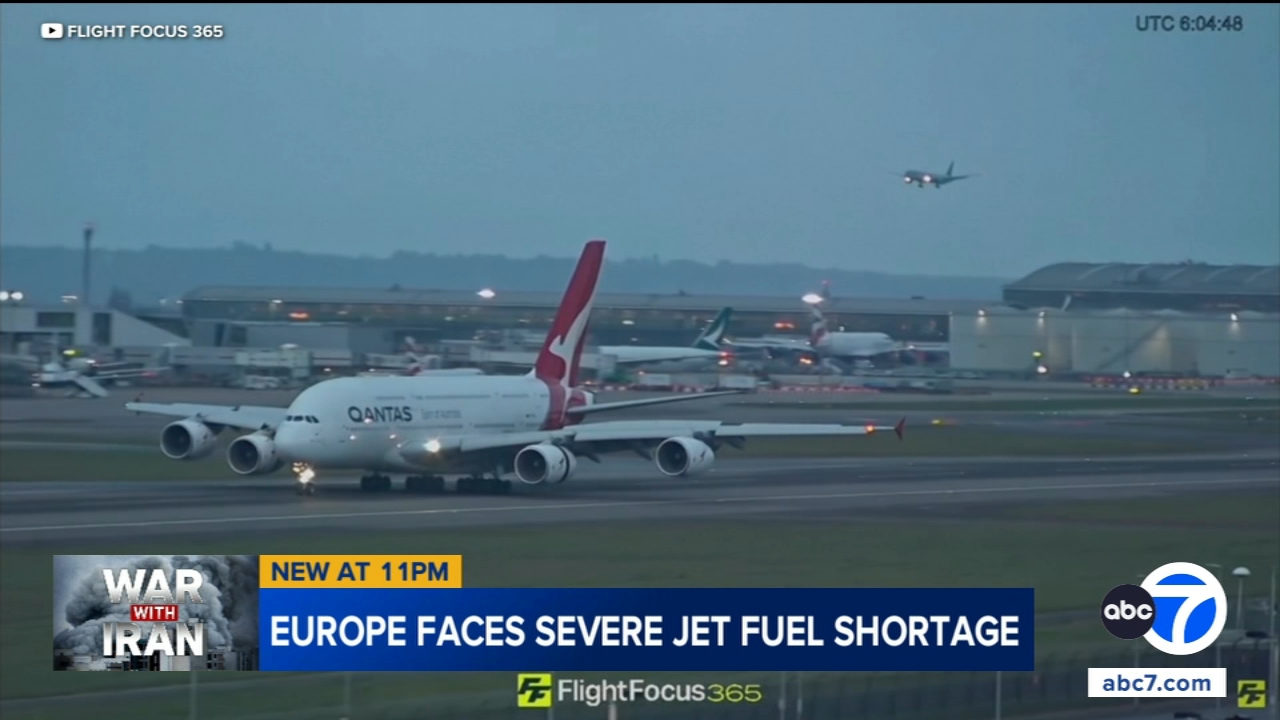
Global jet fuel supply disruptions stemming from the US-Israel-Iran conflict are creating an immediate logistics crisis for cross-border e-commerce sellers. The International Energy Agency warns Europe has approximately six weeks of jet fuel remaining, with jet fuel prices doubling to nearly $200 per barrel. Major airlines including Ryanair, KLM (80 canceled flights), Lufthansa, and Scandinavian Airlines (1,000 flights cut in April) have implemented emergency capacity reductions. AirAsia raised fares 30-40% and implemented fuel surcharges up to $20 per ticket, while United Airlines projects an additional $11 billion in annual jet fuel costs if prices remain elevated. This creates a critical window for sellers to restructure logistics strategies before Q2-Q3 2024 peak season.
For e-commerce sellers, the immediate impact is severe cost compression across air freight channels. Sellers relying on expedited air freight for time-sensitive categories—electronics, fashion, perishables, and luxury goods—face 25-35% shipping cost increases. A typical electronics shipment (50kg) via air freight from Asia to US/EU that cost $800-1,000 now costs $1,000-1,350 with fuel surcharges. Perishable sellers face the worst scenario: reduced flight capacity means longer transit times (5-7 days vs. 2-3 days), increasing spoilage risk and cold chain costs. Fashion sellers targeting seasonal windows (Q2 summer collections, Q3 back-to-school) face impossible choices: absorb costs (margin compression 8-12%), pass to consumers (demand destruction), or delay inventory (miss sales windows).
Strategic logistics repositioning is essential immediately. Sellers should shift 40-60% of Q2-Q3 inventory from air freight to ocean freight (30-45 day transit, $200-350/50kg), accepting longer lead times but saving $600-800 per shipment. Warehouse positioning becomes critical: pre-position inventory in US/EU fulfillment centers NOW (before May-June disruptions peak) to avoid air freight dependency. Consider 3PL providers with owned warehouse networks in destination markets—this eliminates air freight entirely for domestic distribution. For perishables, evaluate regional sourcing: source strawberries from Mexico/California instead of importing from Asia; source fashion from Turkey/Vietnam regional hubs instead of China. Dropshipping and print-on-demand models become attractive for low-velocity SKUs, eliminating inventory holding costs during the disruption window. Monitor Strait of Hormuz closure risk daily—if closed, air freight becomes unavailable (not just expensive), forcing emergency inventory liquidation or order cancellations.
Questions 8
How can perishable sellers mitigate spoilage risk during air freight delays?
Perishable sellers face the worst scenario: reduced flight capacity extends transit from 2-3 days to 5-7 days, increasing spoilage risk by 30-50%. Immediate actions: (1) Shift to regional sourcing—source strawberries from Mexico/California instead of Asia, reducing transit to 1-2 days; (2) Implement advanced cold chain packaging (phase change materials, insulated containers) adding $2-4 per shipment but reducing spoilage; (3) Use ocean freight only for shelf-stable products (nuts, dried goods, spices); (4) Reduce SKU velocity—focus on high-turnover items with 3-5 day shelf life instead of 10-14 day products. Monitor Strait of Hormuz closure risk daily; if closed, air freight becomes unavailable entirely, forcing emergency inventory liquidation.
What warehouse positioning strategy should sellers implement for Q2-Q3?
Pre-position 40-60% of Q2-Q3 inventory in US/EU fulfillment centers NOW (before May-June disruptions peak) to eliminate air freight dependency for domestic distribution. This requires 2-3 months advance planning and higher storage costs ($0.50-0.75/unit/month in US warehouses vs. $0.20-0.30 in Asia), but avoids $600-800 air freight surcharges per shipment. Consider 3PL providers with owned warehouse networks in destination markets—this converts air freight costs into storage costs (typically 30-40% cheaper). For sellers with 1,000+ monthly units, regional warehousing (US East Coast, EU Central, Asia Pacific) becomes cost-effective compared to air freight surcharges.