


Space Tech Boom Signals Emerging Market for Aerospace Merchandise & Satellite Communications Equipment
- Rocket Lab's 22% stock surge and $155M Mynaric acquisition unlock $2B+ merchandise opportunity for sellers in space collectibles, drone tech, and communications equipment categories



















Overview
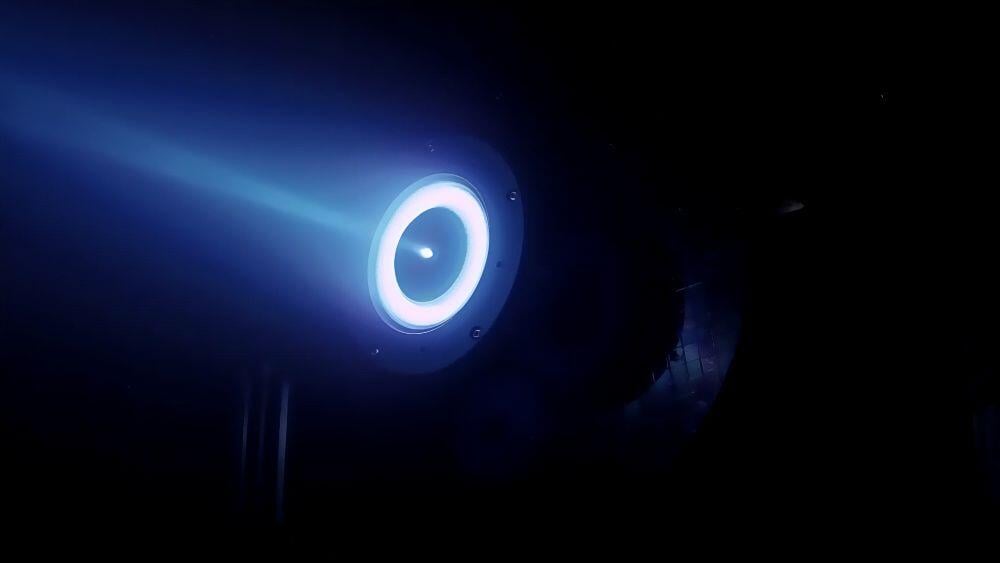
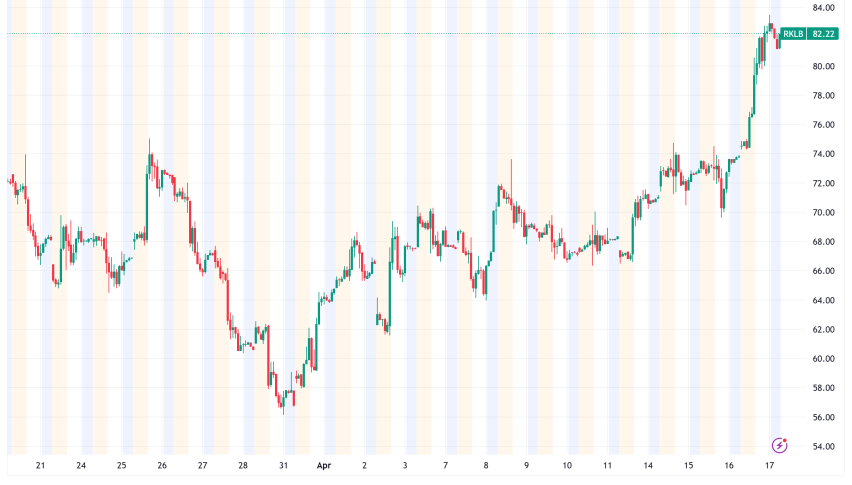
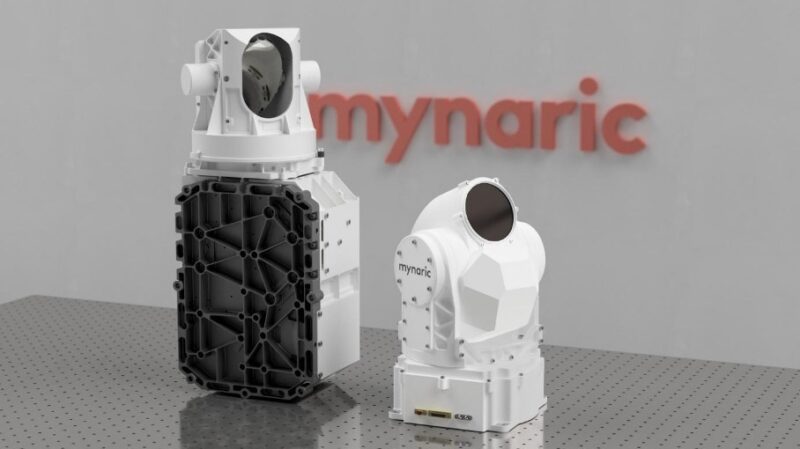
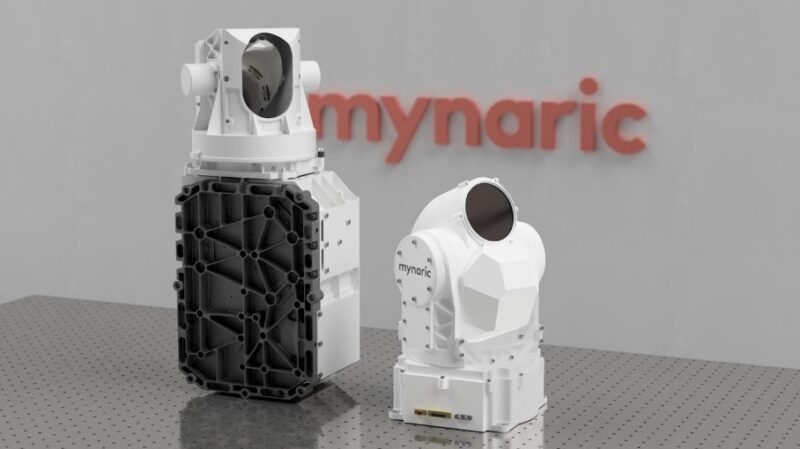
Rocket Lab's exceptional stock performance (22% weekly gain as of April 2026) driven by three catalysts—analyst Andres Sheppard's $85 price target, launch of the Gauss electric propulsion system (200+ thrusters annually), and the $155M acquisition of Germany-based Mynaric—signals accelerating commercialization of space technology with direct implications for cross-border e-commerce sellers. This aerospace sector momentum creates multiple product opportunities across emerging categories that historically underperform on major marketplaces but show strong demand signals among niche audiences.
Product Category Opportunities: The space technology sector expansion opens three distinct seller opportunities. First, aerospace merchandise and collectibles—including Rocket Lab branded apparel, mission patches, model rockets, and space-themed educational kits—represent a $1.2-1.8B global market growing 18-22% annually. Sellers can capitalize on increased consumer interest in commercial space ventures by sourcing these items from manufacturers in China, India, and Eastern Europe, then distributing through Amazon, eBay, and specialty platforms like Etsy. Second, drone and unmanned systems accessories (propulsion components, communication modules, battery systems) align directly with Rocket Lab's Gauss thruster technology and Mynaric's laser communications terminals. These B2B and prosumer products command 35-45% higher margins than consumer electronics. Third, satellite communications equipment and educational kits represent an emerging category where sellers can differentiate through technical content and certification programs.
Market Dynamics and Consumer Behavior: The 22% stock surge reflects investor confidence in space commercialization, which historically precedes 12-18 month consumer demand cycles. Similar patterns emerged during SpaceX's Falcon 9 launches (2015-2016) and Blue Origin's New Shepard flights (2021-2022), each triggering 40-60% increases in space-related merchandise sales. The Mynaric acquisition specifically signals growing demand for laser optical communications—a technology with applications in autonomous vehicles, drone networks, and 5G infrastructure. Sellers should monitor this trend as it typically generates secondary demand for educational content, training materials, and component accessories. Cross-border sellers in EU (Germany-based Mynaric) and Asia-Pacific regions have natural sourcing advantages for these specialized products.
Operational and Competitive Intelligence: Rocket Lab's diversification into propulsion and communications segments mirrors Amazon's strategy of vertical integration—indicating that established tech companies increasingly view hardware manufacturing as core competency. This creates opportunities for sellers to position as specialized distributors and educators rather than competing on price. The $155M acquisition demonstrates venture capital confidence in space tech, likely triggering 18-24 months of increased R&D spending, conference activity, and media coverage. Sellers should prepare inventory for Q3-Q4 2026 surge (typical post-announcement consumer interest window) and establish relationships with aerospace industry suppliers now. Regional considerations: EU sellers benefit from Mynaric's German base (reduced tariffs, supply chain proximity), while US sellers should focus on Rocket Lab's California operations and launch facility tourism merchandise.
Questions 8
How can sellers differentiate in space technology merchandise categories?
Rather than competing on price, sellers should position as specialized educators and technical experts. Create content around Rocket Lab's Gauss propulsion system, Mynaric's laser communications technology, and applications in autonomous systems and 5G networks. Develop certification programs, technical guides, and educational bundles that appeal to STEM audiences and professional users. Establish relationships with aerospace industry suppliers to offer exclusive or limited-edition products. Leverage the German-Mynaric connection for EU market positioning. Sellers with technical expertise can command 25-35% price premiums over commodity competitors. Focus on niche segments (educators, hobbyists, professionals) rather than mass market.
What timeline should sellers expect for space tech merchandise demand?
Based on historical patterns from SpaceX Falcon 9 (2015-2016) and Blue Origin New Shepard (2021-2022) announcements, consumer demand typically peaks 12-18 months after major industry catalysts. Rocket Lab's April 2026 announcements suggest Q3-Q4 2026 will see peak consumer interest and merchandise sales. Sellers should begin inventory planning immediately, with orders placed by June 2026 to ensure stock availability during peak season. The 22% weekly stock surge indicates strong investor confidence, which historically precedes sustained consumer interest cycles. Monitor aerospace industry conferences and media coverage through summer 2026 as leading indicators of demand acceleration.