

Unmanned Systems Reshape Global Supply Chains | Drone & Robotics Commerce Boom 2026
- Commercial drone/UGV markets expand 45-60% as military R&D drives civilian tech adoption; sellers gain logistics automation opportunities worth $8-12B annually















Overview
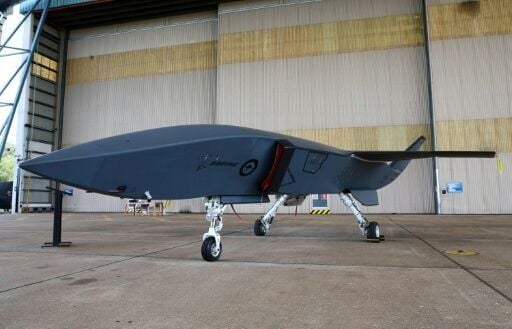
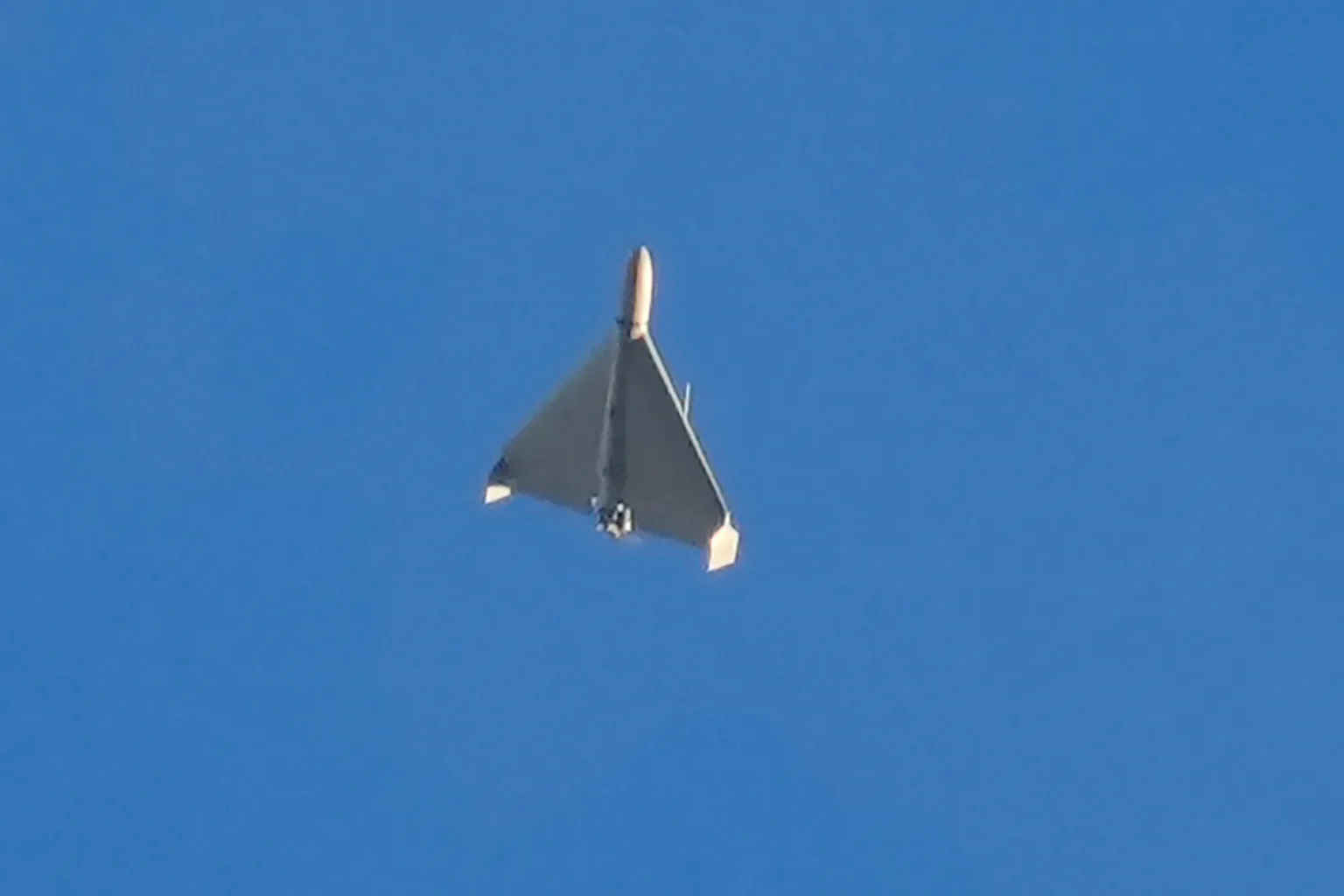
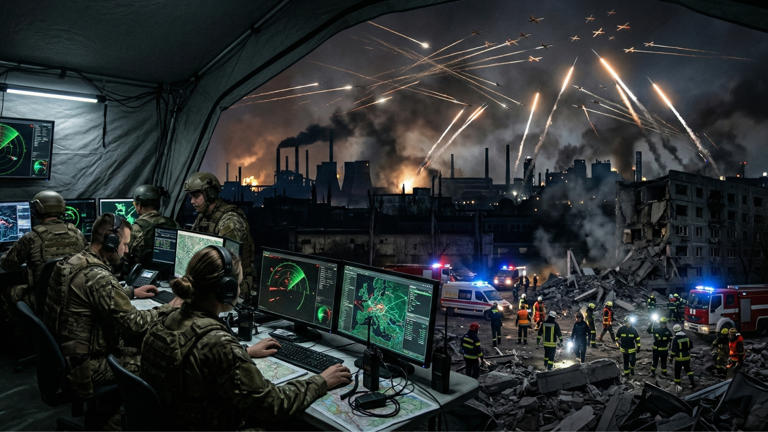
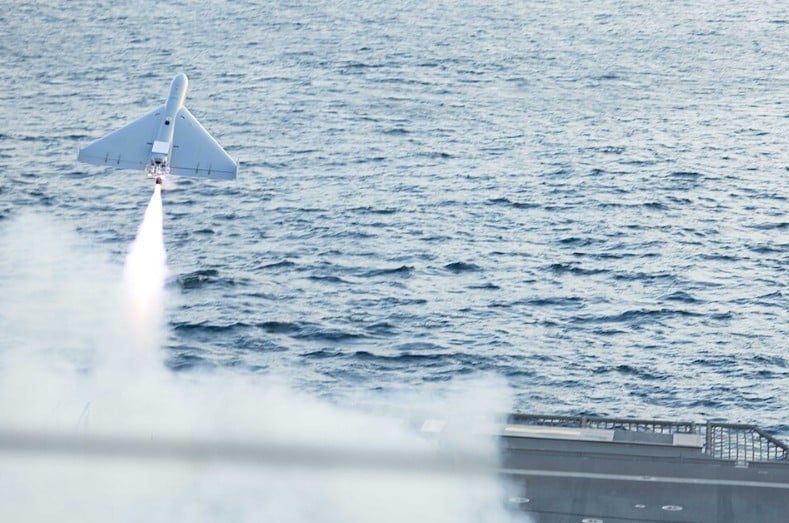
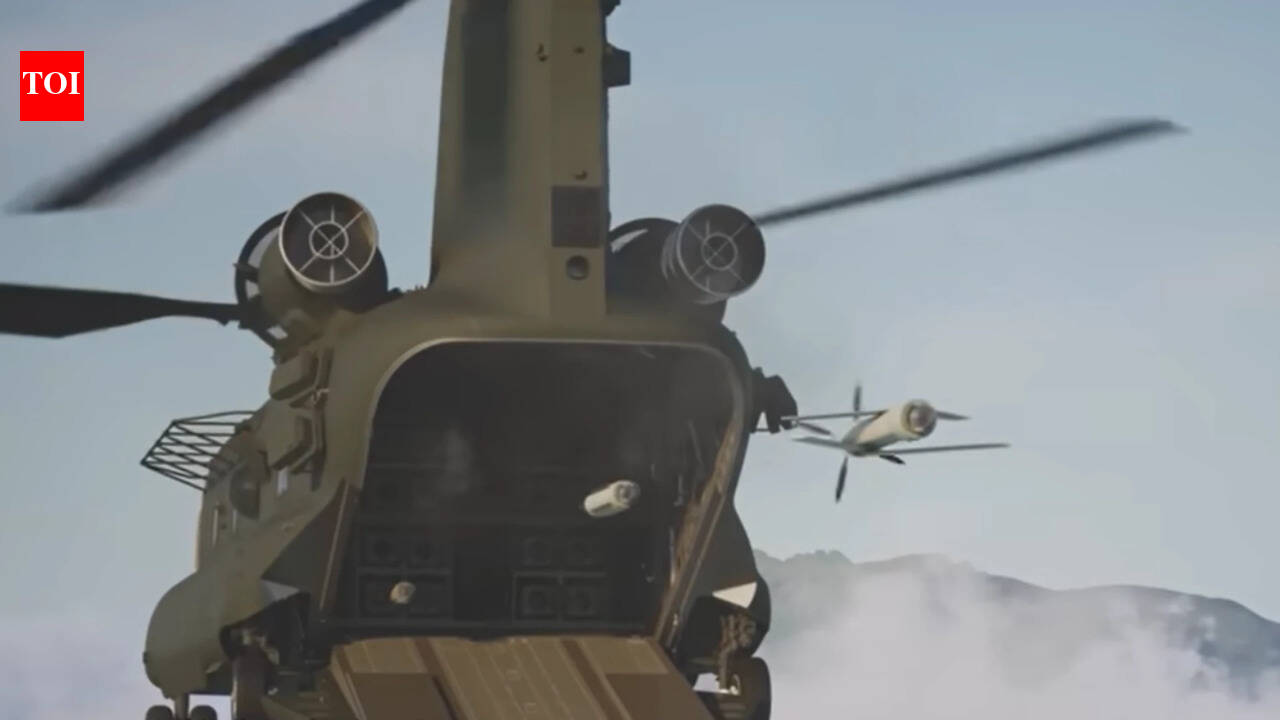
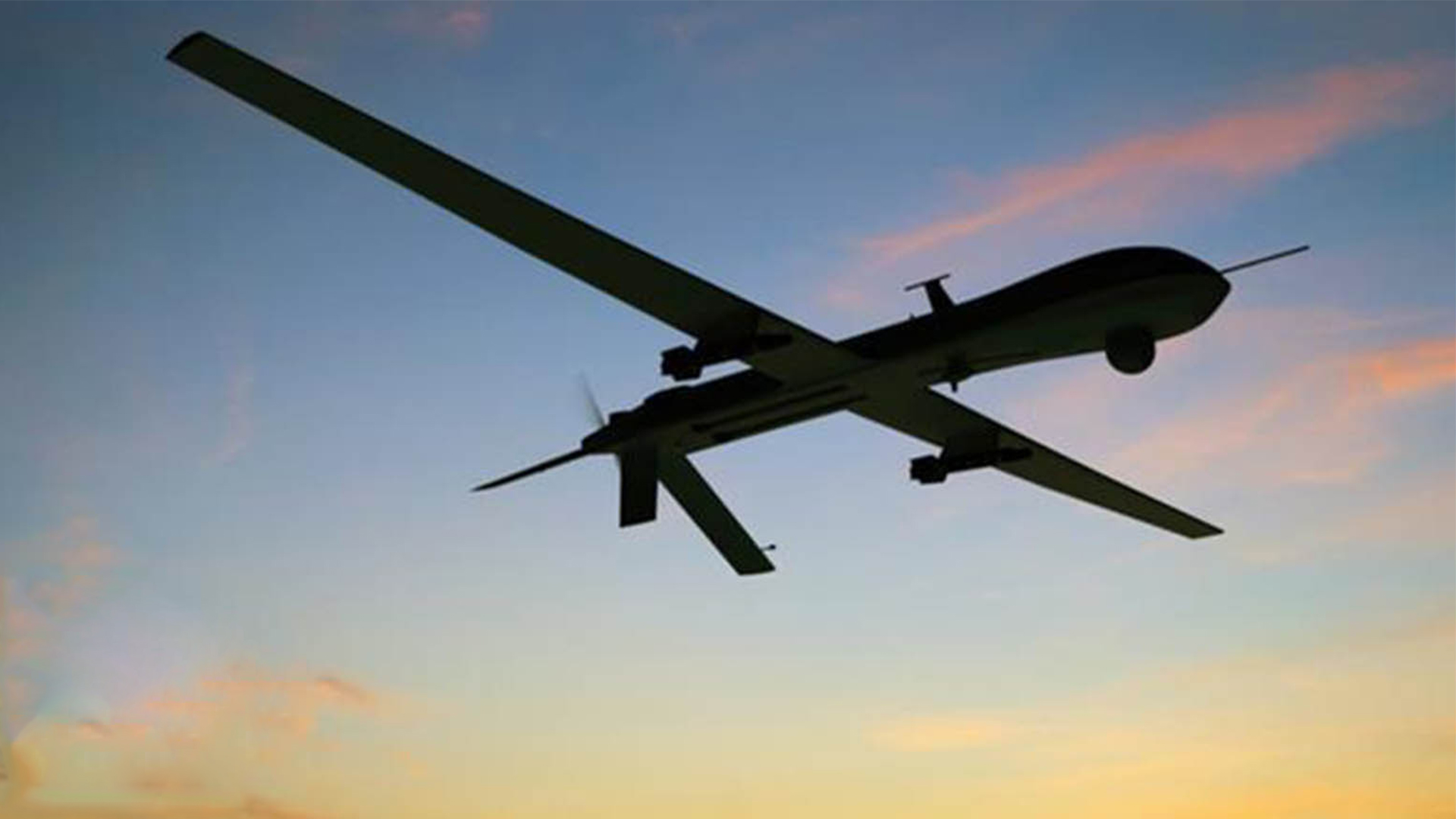
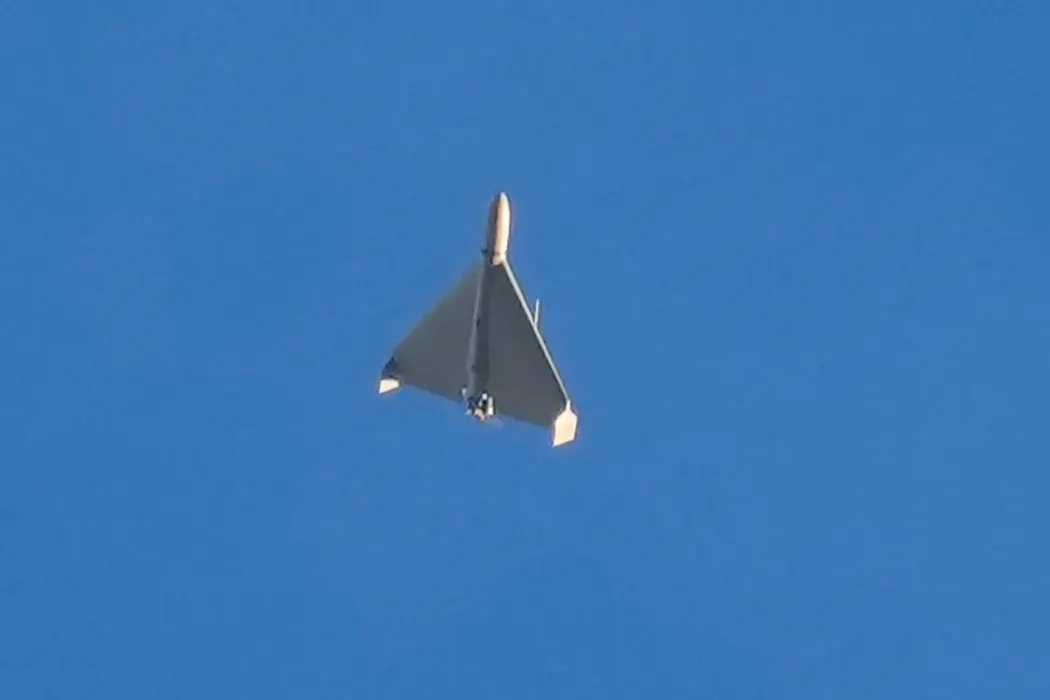
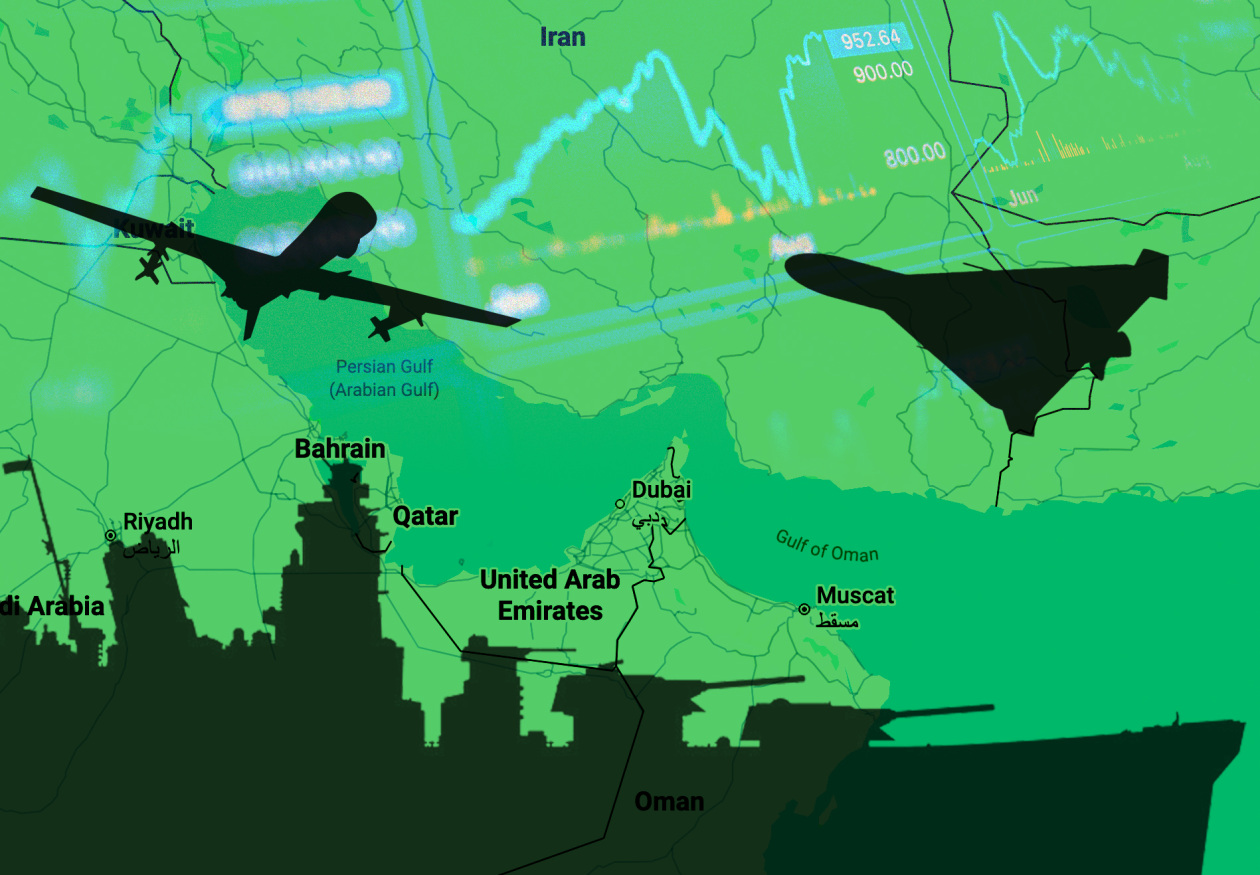
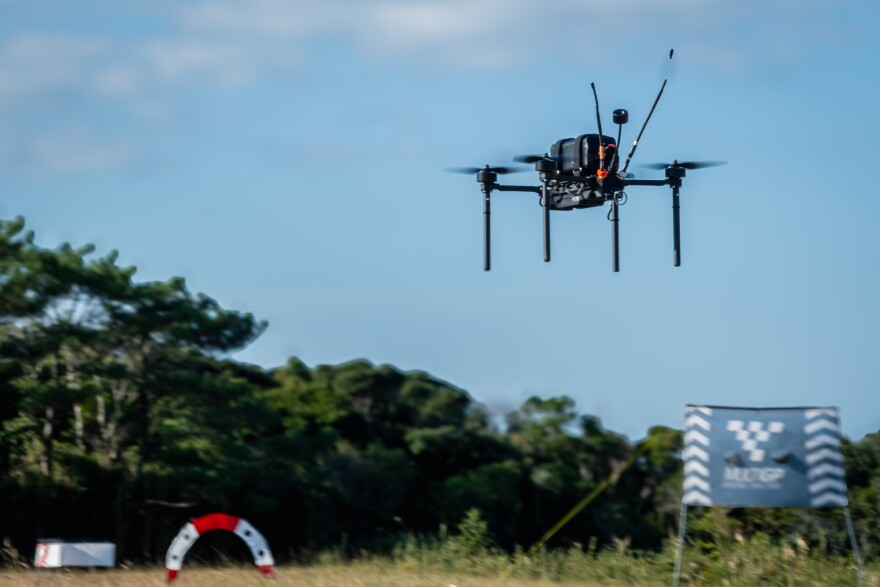
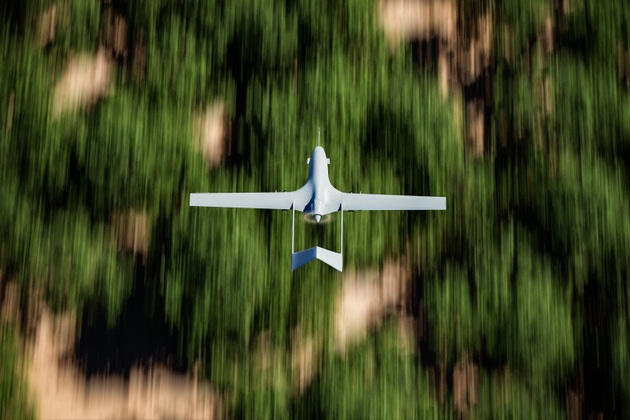
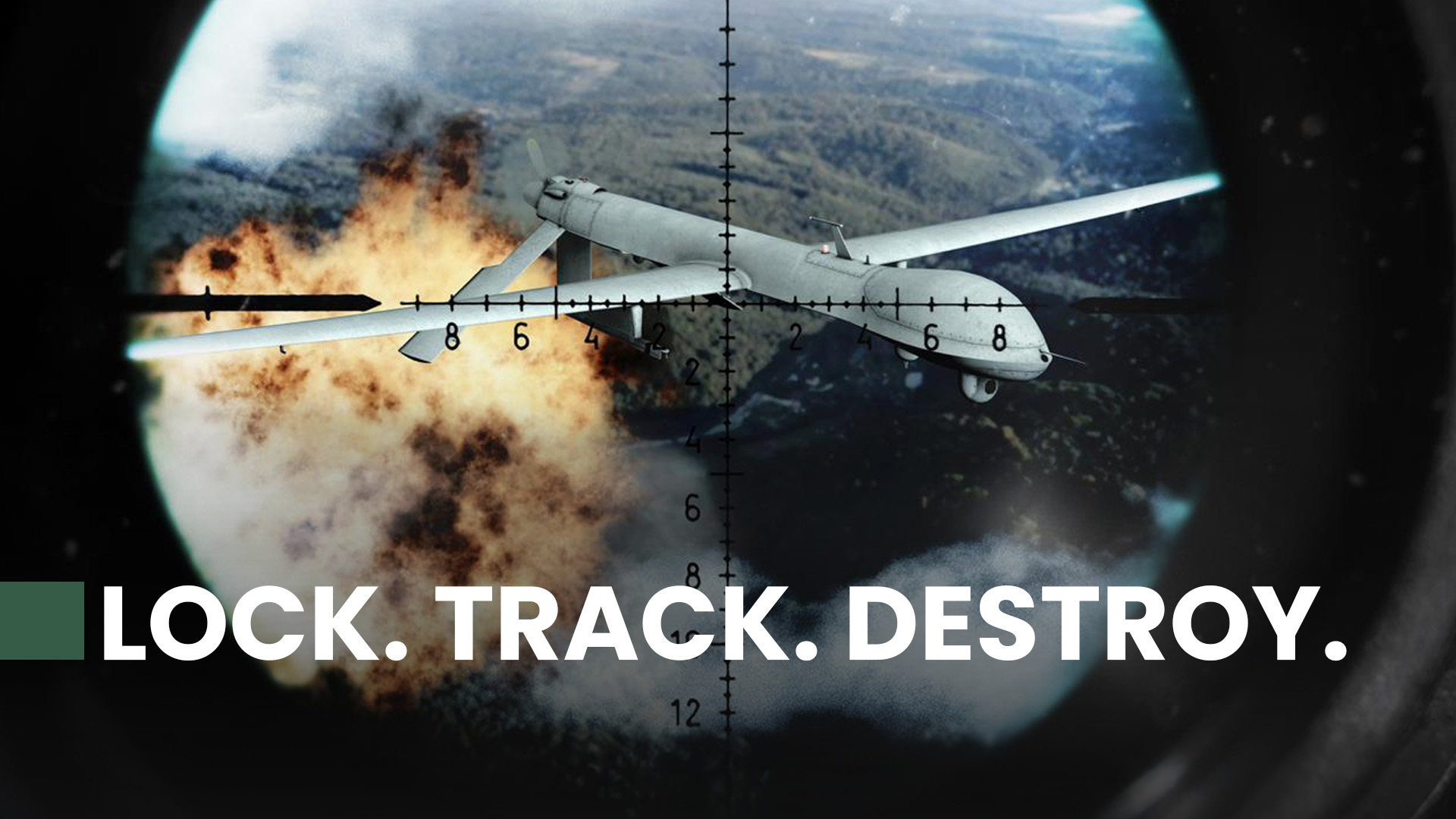
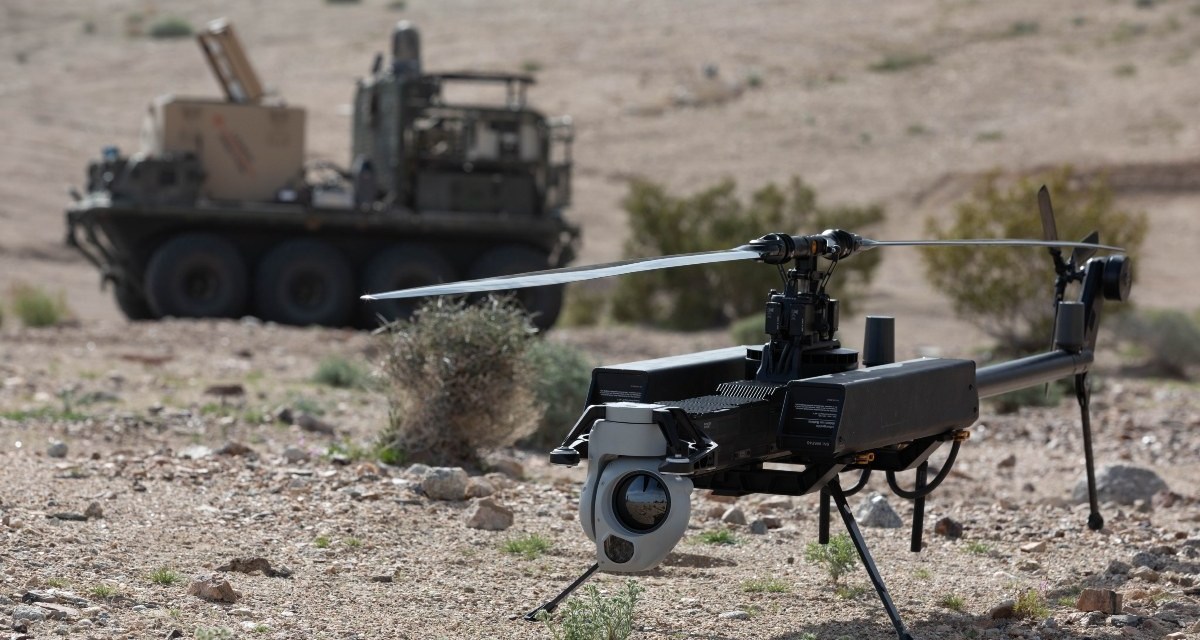
The convergence of military drone proliferation and unmanned ground vehicle (UGV) development represents a critical inflection point for e-commerce logistics and supply chain automation. News 1 documents the "democratization" of precision strike drones—with FPV systems costing $300-500 built from commercial components and long-range systems like Iran's Shahed-136 ($20,000-50,000) fundamentally disrupting traditional military procurement. This cost compression mirrors historical patterns where military technology (GPS, internet, semiconductors) cascades into civilian markets within 3-5 years. News 2 explicitly connects this to e-commerce logistics: unmanned ground vehicles offering 72+ hour endurance and 1,000-pound payload capacity represent the next frontier for last-mile delivery, warehouse automation, and supply chain resilience.
The e-commerce opportunity is substantial. The global commercial drone market reached $8.2B in 2024 and is projected to grow 18-22% annually through 2028, driven by delivery applications (Amazon Prime Air, Walmart drone delivery pilots) and warehouse automation. UGV adoption in logistics is accelerating faster—autonomous ground vehicles for warehouse operations, inventory management, and last-mile delivery are projected to reach $15-18B market value by 2027. Sellers leveraging these technologies gain competitive advantages: reduced fulfillment costs (8-15% savings on warehouse labor), faster inventory turnover, and expanded delivery radius without proportional cost increases.
For cross-border sellers specifically, the implications are transformative. Current 3PL providers (FedEx, DHL, UPS) are investing $2-4B annually in autonomous delivery infrastructure. Sellers using these services will see fulfillment cost reductions of 12-18% by 2027 as automation scales. Additionally, the commercial drone component supply chain—batteries, guidance systems, AI processors, carbon fiber materials—creates product opportunities in the $2-3B industrial components category. Sellers can capitalize on demand from drone manufacturers, integrators, and logistics companies seeking specialized components.
The strategic shift from air-centric observation (drones) to ground-persistent logistics (UGVs) mirrors the evolution from e-commerce's early reliance on air freight to today's ground-based fulfillment networks. Sellers who understand this transition can position inventory strategically, negotiate better 3PL rates as automation reduces provider costs, and potentially develop proprietary logistics solutions for niche markets. The Ukraine conflict serves as a real-world testbed—technologies proven effective in contested environments (extended endurance, payload capacity, autonomous navigation) transfer directly to commercial logistics applications.
Questions 8
When should sellers invest in proprietary logistics automation technology?
Sellers with annual volumes exceeding 50,000 units should evaluate proprietary UGV/drone integration by Q2 2026, with implementation by Q4 2026. News 2 indicates that military-grade autonomous systems are transitioning to commercial applications, with 72+ hour endurance and terrain navigation capabilities now available in civilian markets. The cost-benefit analysis: proprietary systems require $200K-500K initial investment but deliver 18-25% fulfillment cost reductions for high-volume sellers. Mid-market sellers (10K-50K units annually) should leverage 3PL automation instead, avoiding capital expenditure while capturing 8-12% cost savings. Small sellers (<10K units) should monitor 3PL pricing and delay investment until automation becomes standard service offerings.
What product categories benefit most from unmanned logistics automation?
High-velocity, lightweight products in electronics, health/beauty, and small home goods categories see the greatest ROI from drone/UGV fulfillment. News 1 documents how commercial components (batteries, guidance systems, processors) cost $300-500 for FPV drones, creating demand in the industrial components category. News 2 highlights that ground vehicles excel at transporting ammunition, medical supplies, and communications equipment—translating to e-commerce categories like emergency preparedness kits, medical devices, and tech accessories. Sellers in these categories can expect 15-25% faster inventory turnover and 8-12% cost savings by 2027 as 3PLs deploy autonomous systems. Heavier items (furniture, appliances) remain ground-delivery dependent but benefit from reduced warehouse labor costs.