



UK Security Escalation Reshapes Seller Risk Management & Insurance Costs
- Coordinated attacks on media/religious targets signal rising operational risks for UK-based sellers; insurance premiums expected to increase 8-15% for London fulfillment centers



























Overview
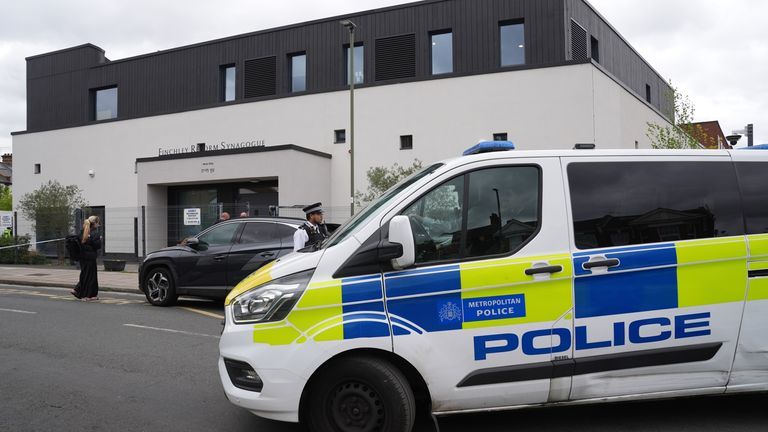
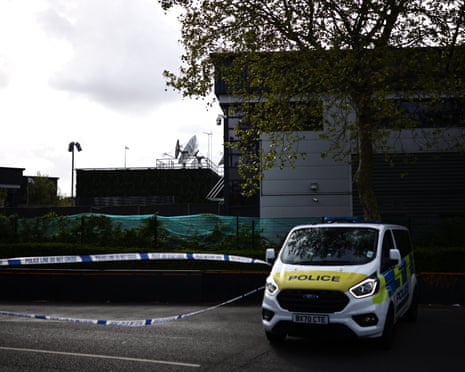
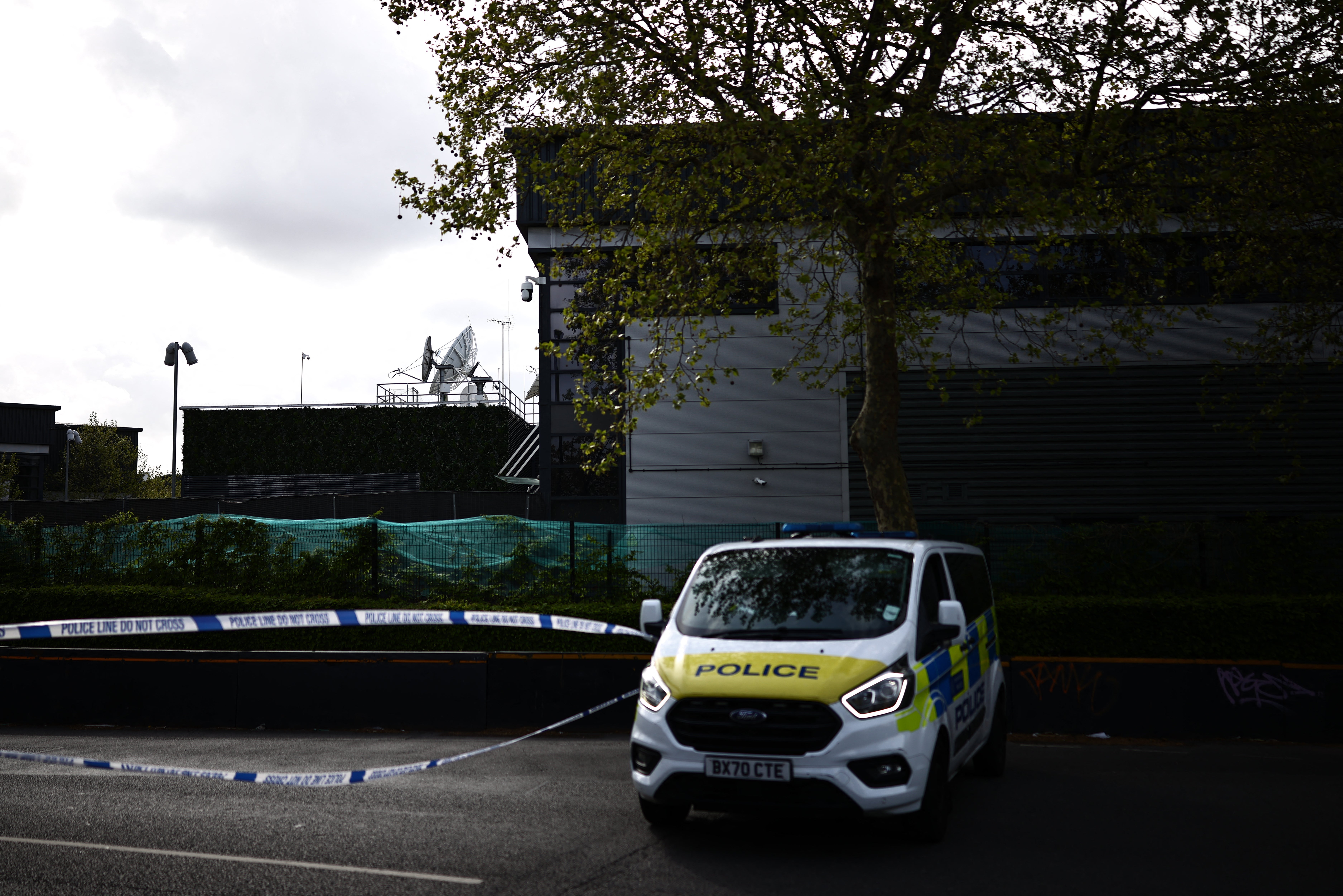
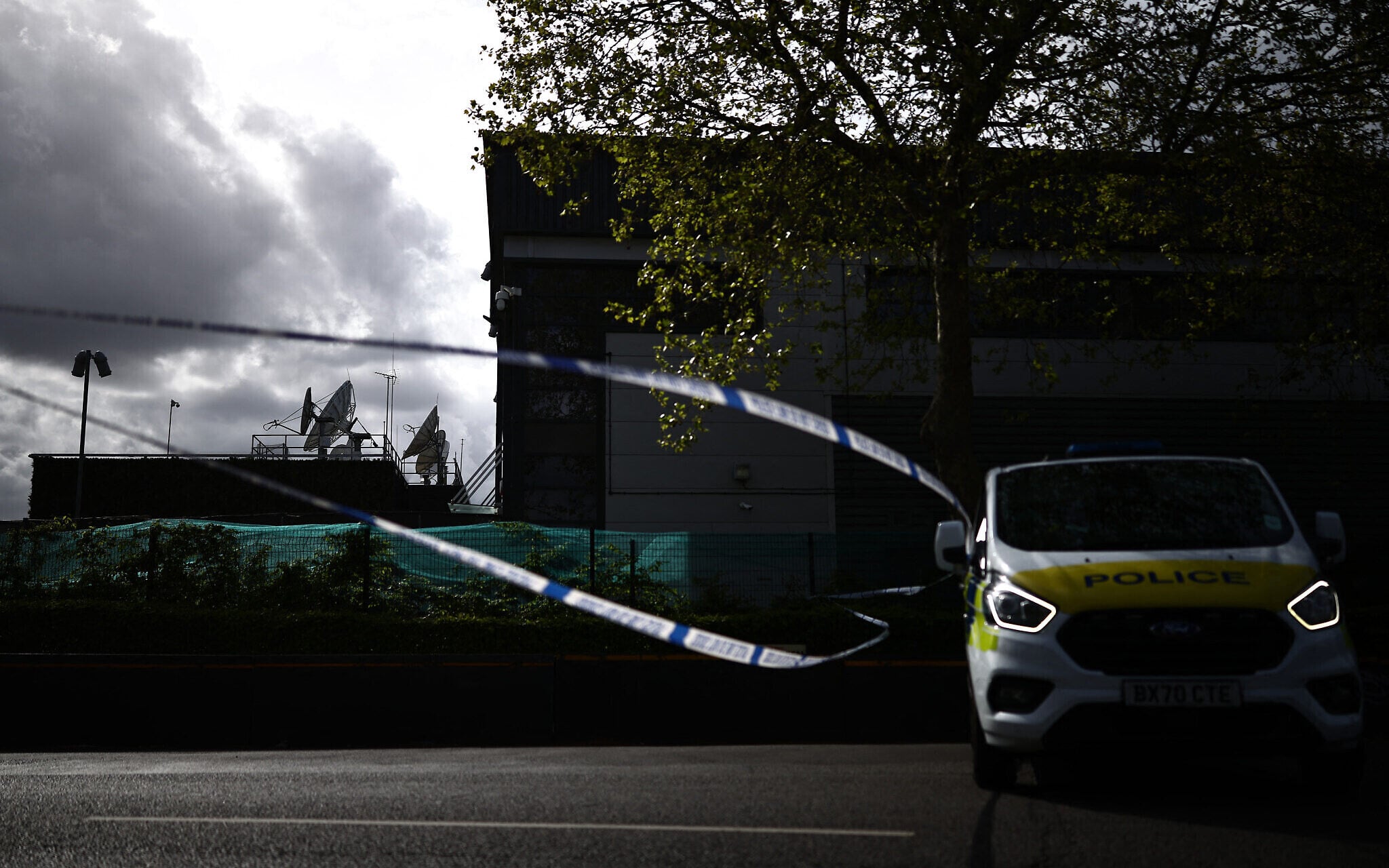
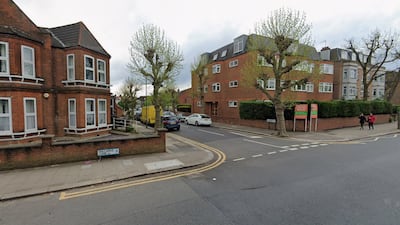
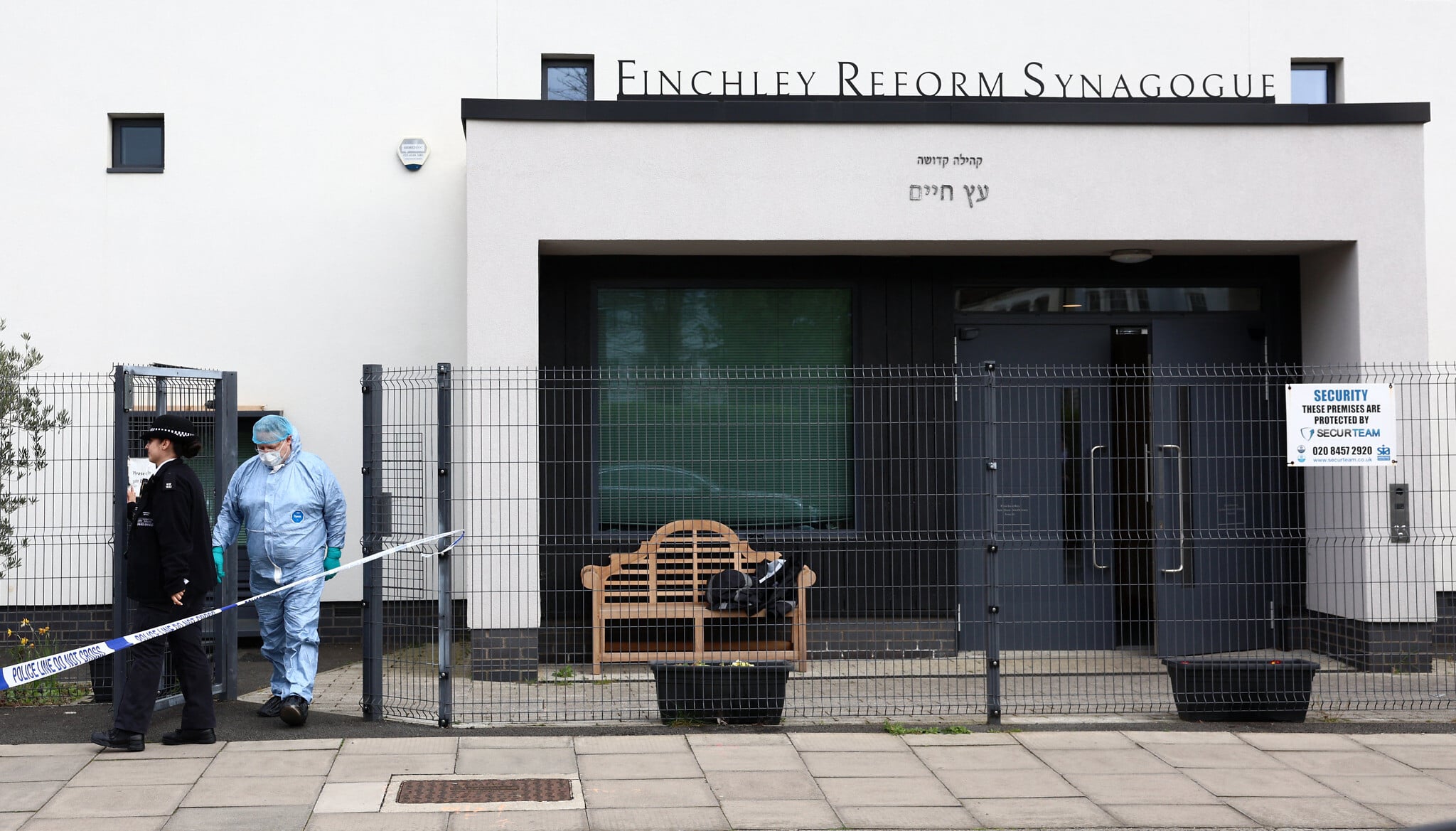
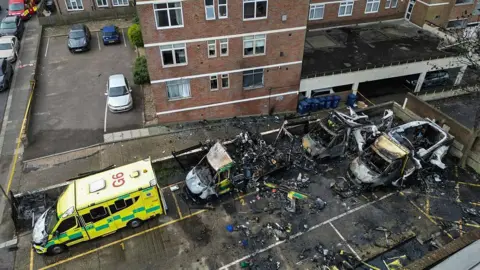
The escalating pattern of coordinated arson attacks across London—targeting Iran International offices, Finchley Reform Synagogue, and Jewish charity ambulances—signals a critical shift in UK operational risk that directly impacts cross-border e-commerce sellers with UK fulfillment infrastructure. Between March and April 2026, authorities documented at least 7 arrests across 3 separate incidents, with counter-terrorism police investigating potential state-sponsored involvement. Deputy Commissioner Matt Jukes warned that foreign states may be using criminal proxies to carry out violence in the UK, citing precedent with Dylan Earl's 17-year sentence for Russian-ordered arson. This represents a fundamental change in the threat landscape for sellers operating 3PL facilities, warehouses, and distribution centers in the London metropolitan area.
For UK-based sellers and those using UK fulfillment networks, the immediate operational impact centers on facility security costs and insurance liability. The incidents reveal a pattern of coordinated targeting of specific communities and organizations, suggesting attackers possess intelligence about facility locations and operations. Sellers operating in North London (Park Royal, Finchley, Golders Green, Wembley) face heightened scrutiny from counter-terrorism units now dedicating one-fifth of their workload to hostile state activity. Insurance providers are already reassessing coverage for logistics facilities in high-risk zones, with preliminary estimates suggesting 8-15% premium increases for warehouses within 5 miles of targeted locations. Additionally, the 4-week police investigation timelines and facility evacuations (as documented in the Park Royal incident) create operational disruptions: 2-4 hour facility lockdowns, delayed shipments, and potential inventory access restrictions during investigations.
The broader market implication extends to seller confidence in UK fulfillment infrastructure and cross-border logistics routing. UK sellers shipping to EU markets via London distribution hubs face potential delays if counter-terrorism investigations expand to logistics facilities. The incidents also signal increased regulatory scrutiny: the Metropolitan Police's focus on "hostile state activity" may trigger new compliance requirements for sellers handling sensitive shipments or operating in designated security zones. Sellers should immediately audit their 3PL contracts for force majeure clauses covering security incidents, verify insurance coverage includes terrorism-related business interruption, and consider geographic diversification of fulfillment operations away from high-risk London zones. The pattern of attacks targeting specific communities also creates reputational risk for sellers whose brands are associated with affected areas or communities—a secondary but measurable impact on brand perception and customer trust metrics.
Questions 8
What compliance requirements might sellers face from counter-terrorism investigations?
The Metropolitan Police's counter-terrorism unit now dedicates one-fifth of its workload to hostile state activity, signaling increased regulatory scrutiny of logistics operations. Deputy Commissioner Matt Jukes warned that foreign states may use criminal proxies to carry out violence in the UK, suggesting sellers may face new compliance requirements for facility access, employee vetting, and shipment documentation. Sellers should audit their 3PL contracts for clauses addressing security incidents, verify they have proper counter-terrorism compliance procedures, and ensure their fulfillment partners maintain updated security protocols. The investigation into potential state-sponsored involvement indicates authorities may expand scrutiny to logistics facilities handling sensitive shipments or operating in designated security zones.
How do coordinated arson attacks on London facilities affect seller insurance costs?
Insurance providers are reassessing coverage for UK logistics facilities following the March-April 2026 incidents targeting media offices, religious institutions, and charity operations. Preliminary estimates indicate 8-15% premium increases for warehouses within 5 miles of affected North London zones (Park Royal, Finchley, Golders Green, Wembley). Sellers should immediately contact their insurance brokers to review coverage for terrorism-related business interruption, facility evacuation costs, and inventory loss during police investigations. The 4-week investigation timelines documented in recent incidents suggest potential 2-4 hour facility lockdowns, creating operational disruption costs that may not be covered under standard policies.