

)

Strait of Hormuz Volatility Swings Oil Prices 8-9% | Shipping Cost Impact for Cross-Border Sellers
- Brent crude drops to $91/barrel then faces blockade threat; fuel surcharges expected to shift 4-6 weeks; sellers managing 1000+ monthly units face $150-400 cost volatility







Overview
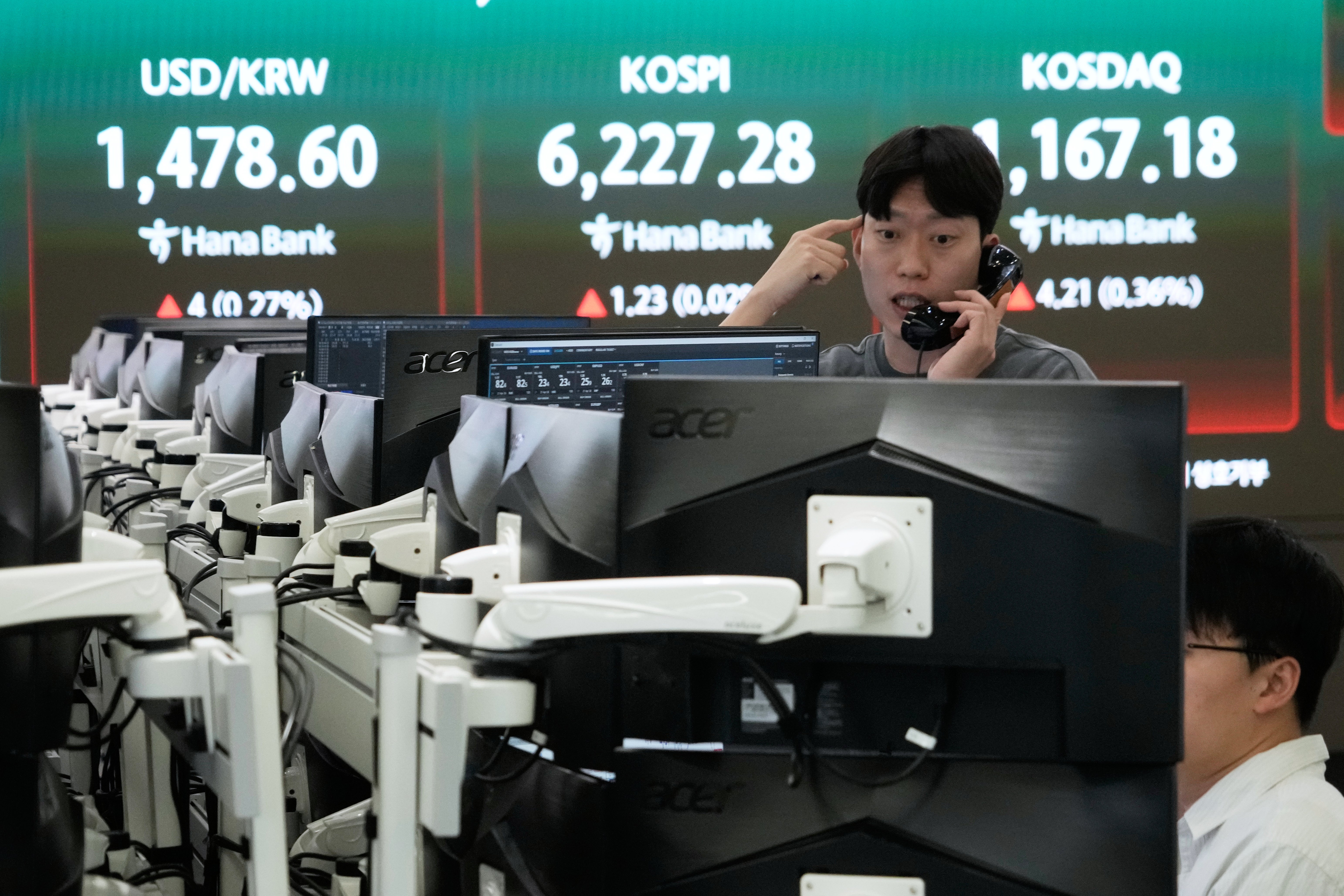
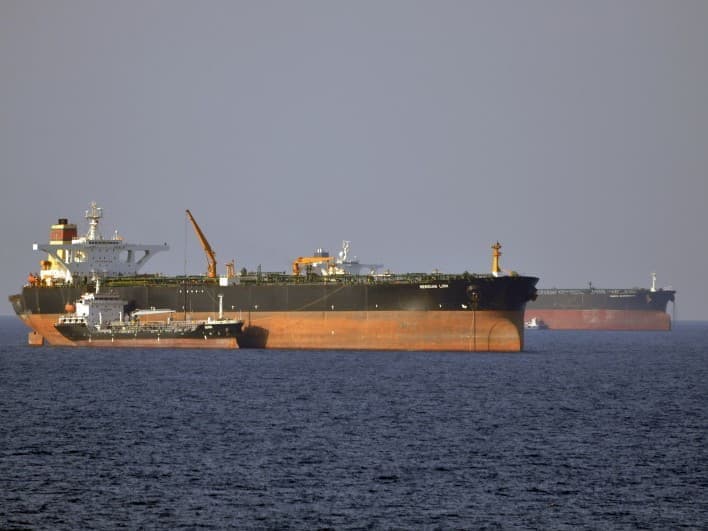
The Strait of Hormuz—through which 20-30% of global petroleum trade flows daily—experienced dramatic geopolitical swings in April 2026 that directly impact cross-border e-commerce logistics costs. On April 17, Iranian Foreign Minister Abbas Araghchi declared the waterway completely open following a Lebanon ceasefire, triggering an immediate 8-9% oil price collapse: Brent crude fell below $91/barrel while WTI dropped to approximately $82/barrel. However, this optimism reversed when the Trump administration implemented a comprehensive blockade halting 90% of Iran's maritime trade within 36 hours, threatening to spike energy prices substantially and creating supply chain uncertainty for affected sellers.
For cross-border e-commerce sellers, this volatility creates a critical 4-6 week window for logistics cost optimization. Reduced crude costs typically translate to lower shipping expenses, but carriers historically delay fuel surcharge adjustments 4-6 weeks following sustained commodity price changes. Sellers relying on air freight and ocean freight for inventory movement—particularly those shipping 1000+ units monthly—should expect $150-400 monthly cost fluctuations depending on shipment volume and routing. The blockade's undefined duration creates immediate risk: military officials acknowledge that maintaining the blockade beyond several days will drive U.S. energy prices substantially higher, potentially reversing the April 17 gains and increasing fuel surcharges by 8-12% above baseline rates.
Strategic sourcing implications are significant. Sellers currently sourcing from or shipping to Iran face complete market closure under the blockade, eliminating $340M+ in annual seaborne trade opportunities. However, the broader Middle East supply chain remains viable for sellers sourcing from UAE, Saudi Arabia, and other Gulf states—though Persian Gulf routing now carries geopolitical risk premiums. The blockade's operational complexity (13 vessels already turned around, 18 Iranian ports monitored, military boarding operations authorized) suggests extended duration is likely, making alternative routing through Suez Canal or around Africa increasingly attractive despite 2-3 week transit time increases.
Immediate seller actions should focus on three areas: (1) Monitor carrier fuel surcharge announcements weekly—most major 3PLs (DHL, FedEx, UPS) publish surcharge updates on 7-14 day cycles; (2) Lock in freight rates for Q2-Q3 shipments before fuel surcharges adjust upward, targeting 30-45 day rate locks; (3) Diversify routing away from Persian Gulf for non-Iran sourcing, accepting 5-8% transit time increases to reduce geopolitical exposure. Sellers with inventory in transit through the Strait should expect 2-5 day delays as military operations create congestion; those with 60+ day inventory buffers can absorb delays, while just-in-time operations face stockout risk.
Questions 8
How much will my shipping costs change from the Strait of Hormuz oil price swings?
Shipping costs will fluctuate 8-12% depending on your volume and routing. The April 17 oil price drop (Brent to $91/barrel, WTI to $82/barrel) typically translates to fuel surcharge reductions within 4-6 weeks, potentially saving $150-400/month for sellers shipping 1000+ units. However, the subsequent blockade threatens to reverse these gains. Carriers like DHL, FedEx, and UPS adjust surcharges on 7-14 day cycles, so monitor their published rates weekly. Lock in freight rates now for Q2-Q3 shipments before surcharges adjust upward, targeting 30-45 day rate locks to protect margins.
How does the Strait of Hormuz blockade affect my inventory in transit?
Inventory currently transiting through the Strait of Hormuz should expect 2-5 day delays due to military operations and vessel congestion. The blockade has already turned around 13 vessels, with 18 Iranian ports monitored by U.S. forces. If your shipments are routed through this waterway, contact your 3PL provider immediately to confirm transit status and expected delays. Sellers with 60+ day inventory buffers can absorb these delays, but just-in-time operations face stockout risk. Consider rerouting future shipments through the Suez Canal or around Africa to avoid the blockade zone, accepting 2-3 week additional transit time for supply chain stability.