


Chicago Mall Closure Crisis Signals Retail Real Estate Vulnerability | O2O Sellers Must Audit Physical Locations
- Emergency closure of 16-tenant mall due to 2-year fire suppression failure creates urgent O2O strategy reassessment for sellers with physical retail presence in aging shopping centers



Overview
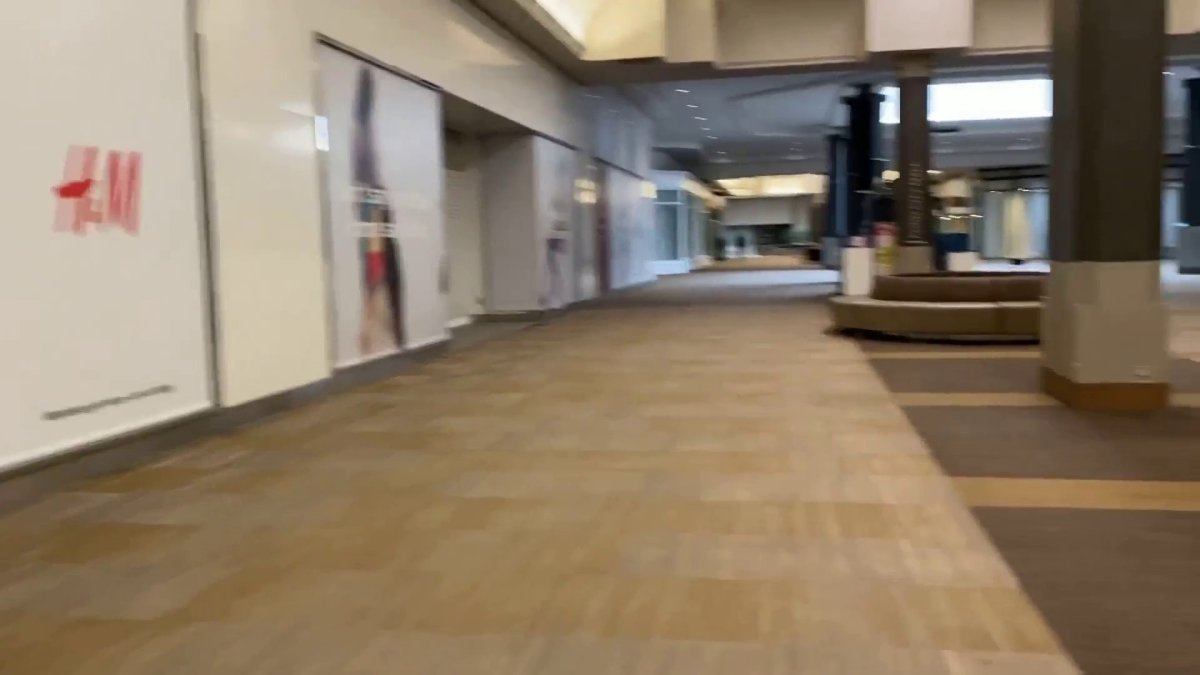
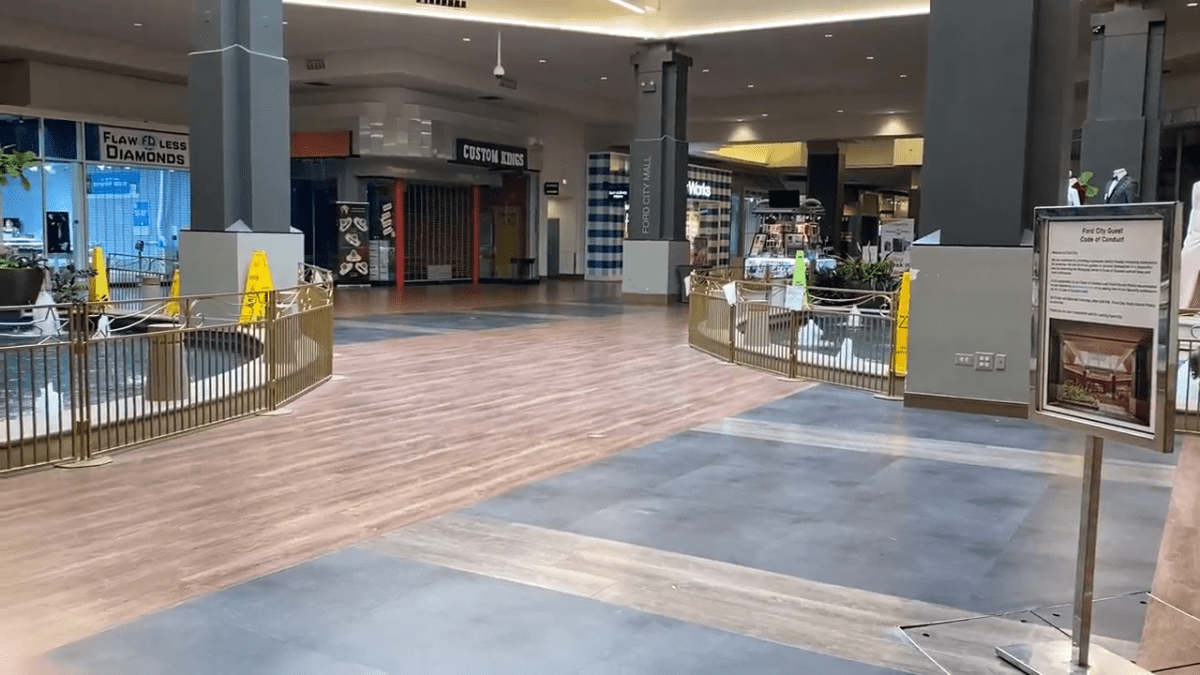
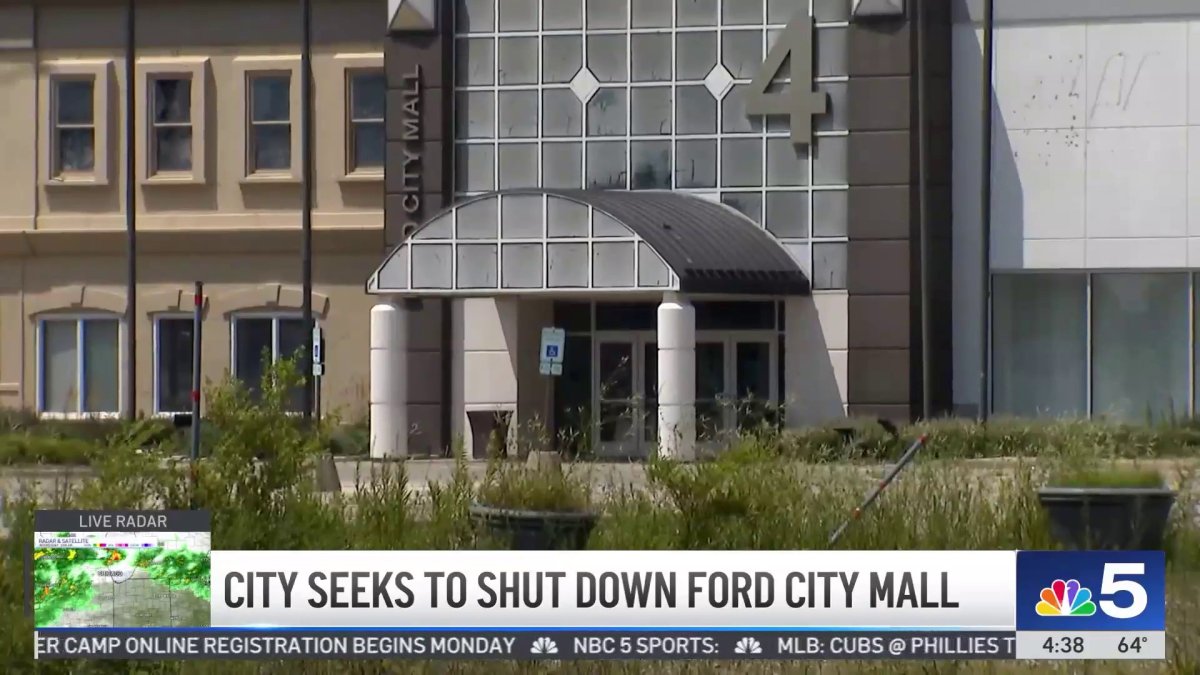
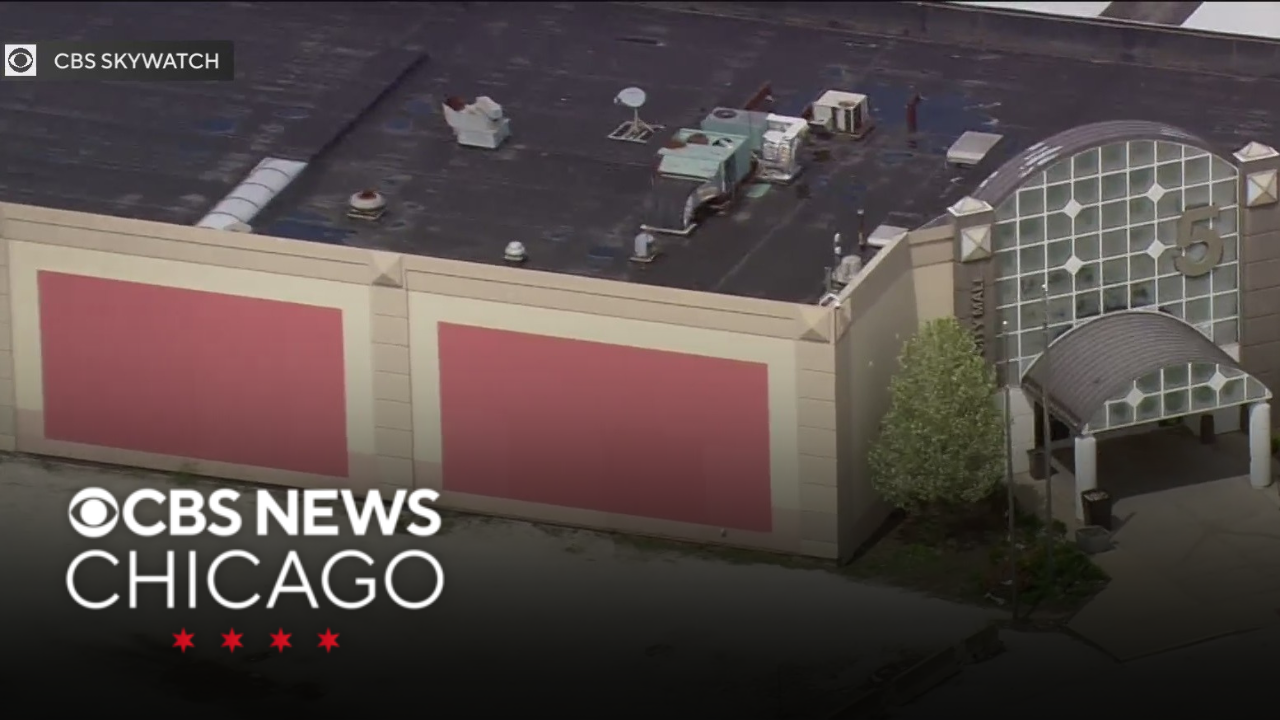
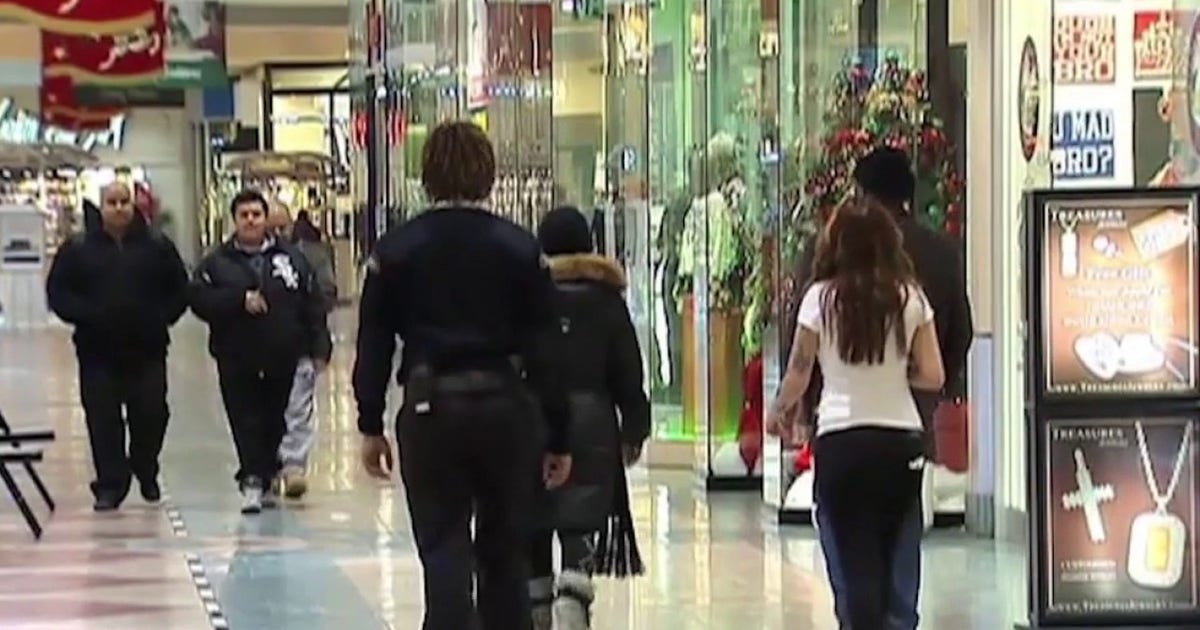
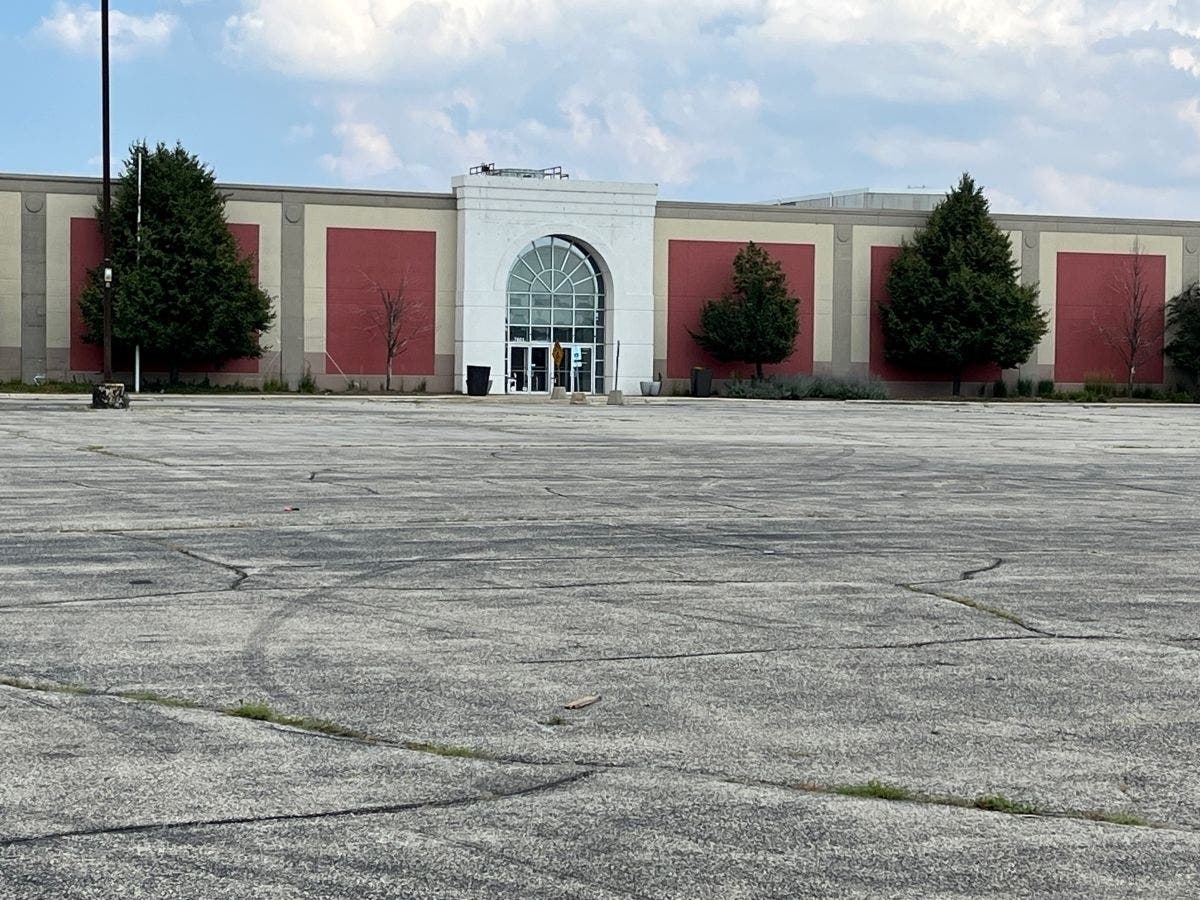
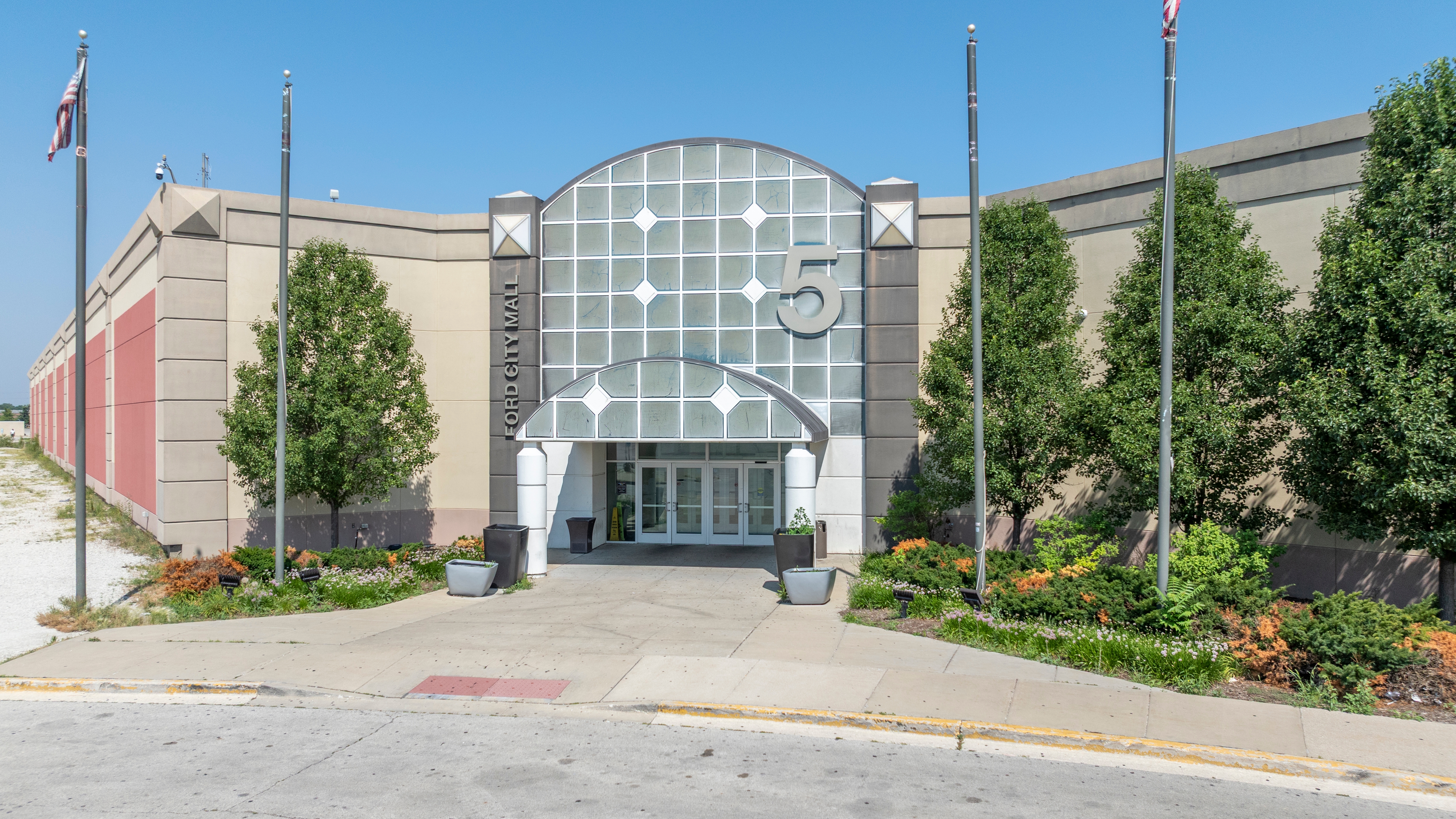
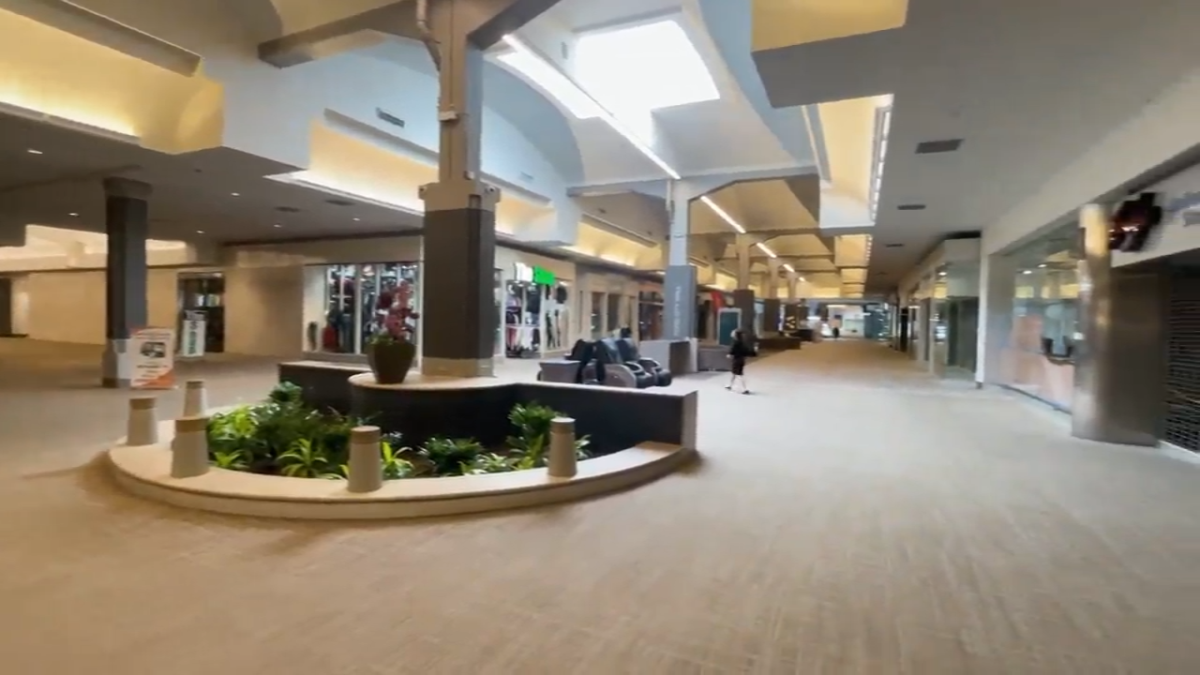
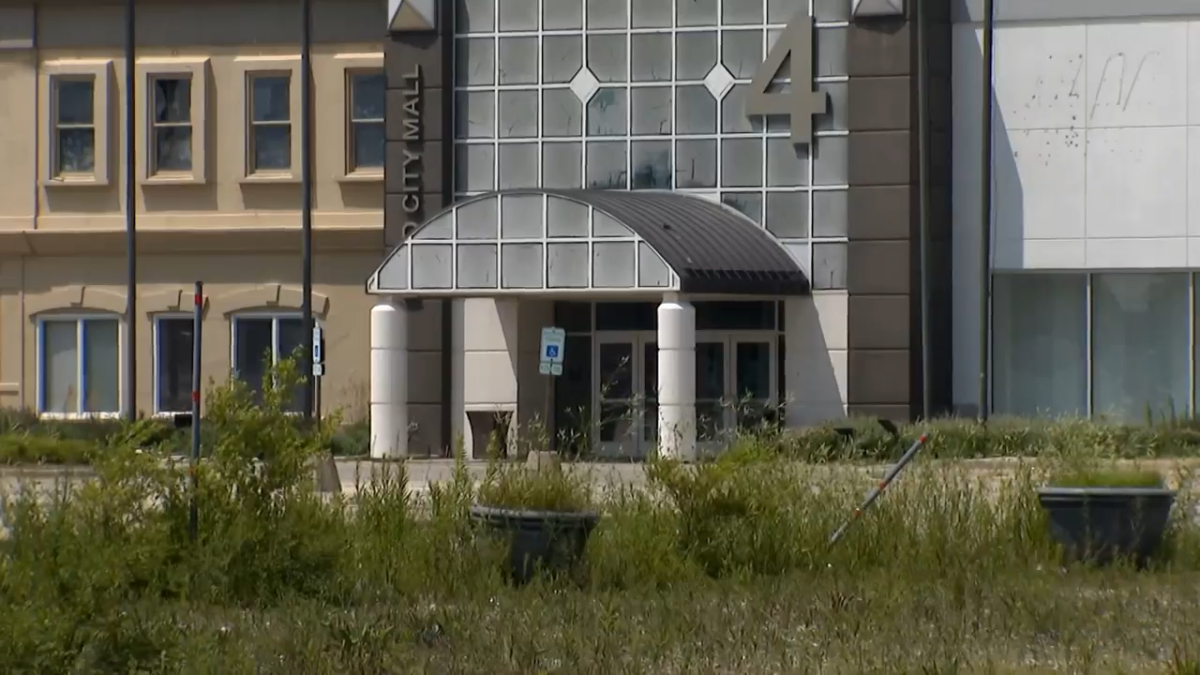
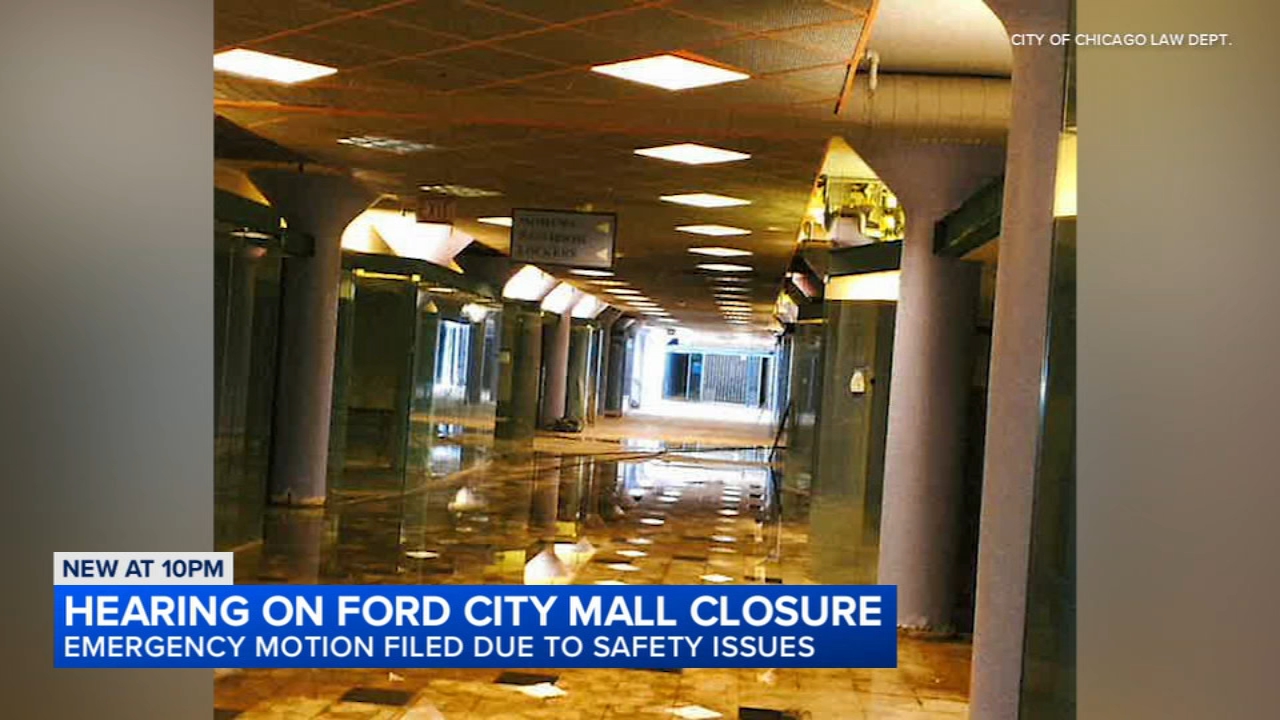
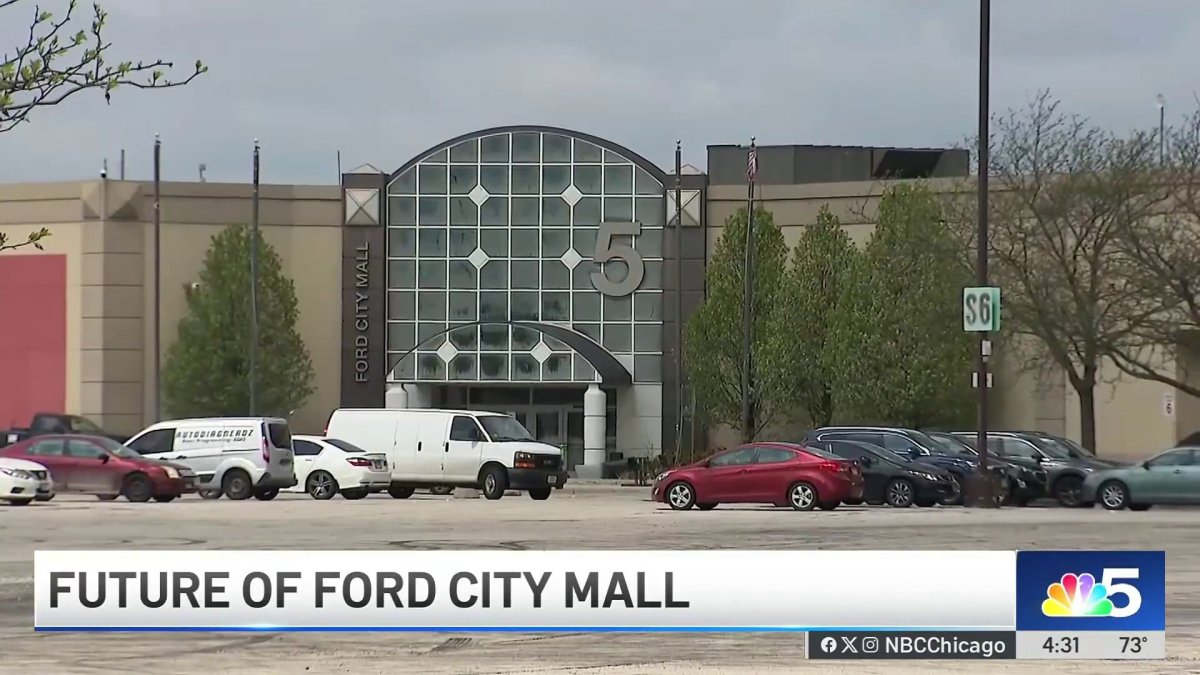
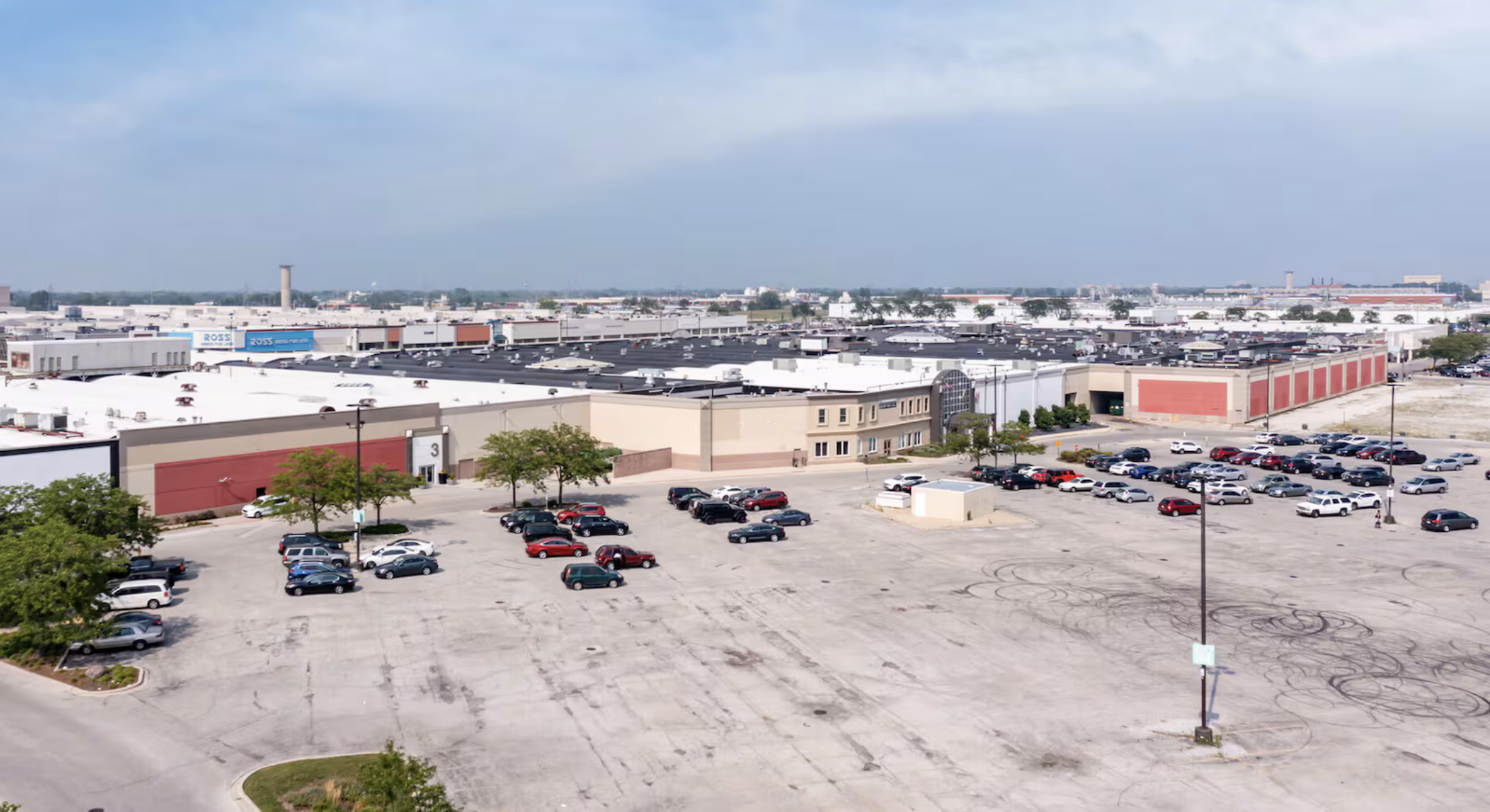
The emergency closure motion filed April 16, 2026, against Ford City Mall (7601 S. Cicero Avenue, Chicago) represents a critical wake-up call for e-commerce sellers operating physical retail locations or pursuing O2O expansion strategies. The City of Chicago Department of Law identified a defective fire suppression system non-functional for two years, creating catastrophic structural risks including potential sinkhole formation beneath the 16-tenant facility. This incident directly impacts sellers with pop-up stores, showrooms, or retail partnerships in aging shopping centers across North America.
For O2O sellers, this closure demonstrates three critical operational vulnerabilities: First, infrastructure failures in shared retail spaces create sudden business suspension risks that can destroy brand momentum and customer relationships built through offline presence. The mall's 16 remaining tenants face immediate displacement without alternative fulfillment channels—a scenario that could have been mitigated through hybrid O2O strategies. Second, facility maintenance compliance is now a material business risk; sellers operating in third-party retail locations must conduct immediate safety audits of fire suppression, electrical, and structural systems. Third, the Chicago market signals broader mall vulnerability—the city has experienced 12+ major shopping center closures since 2015, indicating that retail real estate in Midwest industrial cities carries elevated risk.
Strategic implications for O2O expansion: Sellers considering pop-up stores or showroom locations in shopping centers should now prioritize newer mixed-use developments (built post-2010) over legacy malls. The ROI calculation for temporary retail presence must now include facility risk premiums; insurance costs for locations in aging centers could increase 15-25% post-closure. Alternatively, sellers should shift toward street-level retail, lifestyle centers, or experiential venues (food halls, entertainment districts) where infrastructure maintenance is typically more rigorous. For sellers already operating in shopping centers, immediate actions include: (1) requesting third-party structural/fire safety certifications from landlords, (2) negotiating lease termination clauses tied to safety violations, and (3) developing rapid pivot plans to shift inventory to 3PL fulfillment or alternative retail partners within 30 days.
Market opportunity emerging from displacement: The 16 displaced Ford City Mall tenants represent immediate acquisition targets for regional retail chains and 3PL providers. Sellers with available showroom space in safer locations or established relationships with alternative retail partners can now negotiate favorable terms with displaced retailers seeking emergency relocation. This creates a 60-90 day window for O2O sellers to establish partnerships with displaced merchants, potentially expanding their retail network while competitors remain focused on legacy locations.
Questions 8
How should sellers pivot their O2O strategy if their retail location faces closure?
Implement a 30-day emergency response plan: (1) Within 48 hours, shift 60-70% of inventory to 3PL fulfillment partners (Amazon FBA, Flexport, or regional 3PLs), (2) Within 5 days, identify alternative retail partners or street-level locations for showroom relocation, (3) Within 14 days, execute lease agreements for new location or establish pop-up partnerships with lifestyle centers, (4) Within 30 days, complete inventory transfer and resume offline operations. The Ford City Mall tenants faced 7-day notice before closure hearing; sellers with pre-arranged 3PL relationships can maintain fulfillment continuity. Maintain 15-20% of inventory in mobile/flexible formats (display units, sample kits) that can be deployed to alternative venues within 48 hours.
Which Chicago retail locations offer lower infrastructure risk for pop-up stores?
Prioritize newer mixed-use developments built after 2010, including: (1) Riverwalk retail districts with active property management, (2) food halls and entertainment venues (Lacuna Lofts, Morgan Manufacturing) with modern infrastructure, (3) street-level retail in downtown/Loop areas with municipal oversight, and (4) lifestyle centers in suburban growth corridors (Naperville, Schaumburg). Avoid legacy shopping malls built 1980-2005 in industrial areas like the South Side. Newer venues typically have 15-25% higher rent but offer 40-50% lower infrastructure risk. The ROI trade-off favors premium locations: a $5,000/month pop-up in a safe venue generates 25-35% higher conversion than a $3,000/month location in a declining mall.