



Federal Reserve Leadership Uncertainty Signals Interest Rate Volatility | Seller Financing Impact 2025
- Powell's May 15 term expiration creates 4-month policy uncertainty window affecting seller financing costs, inventory carrying expenses, and cross-border payment processing fees






Overview
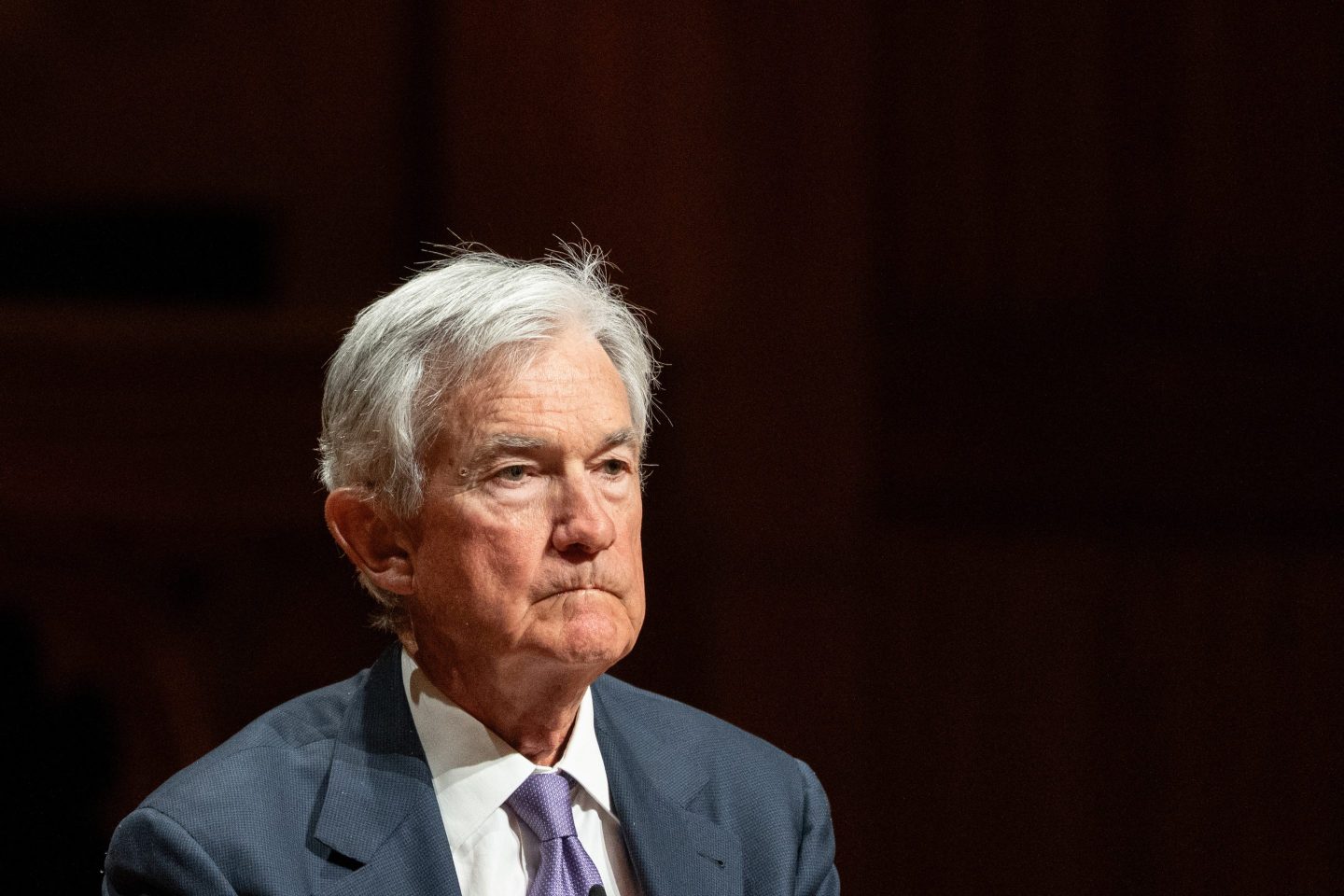
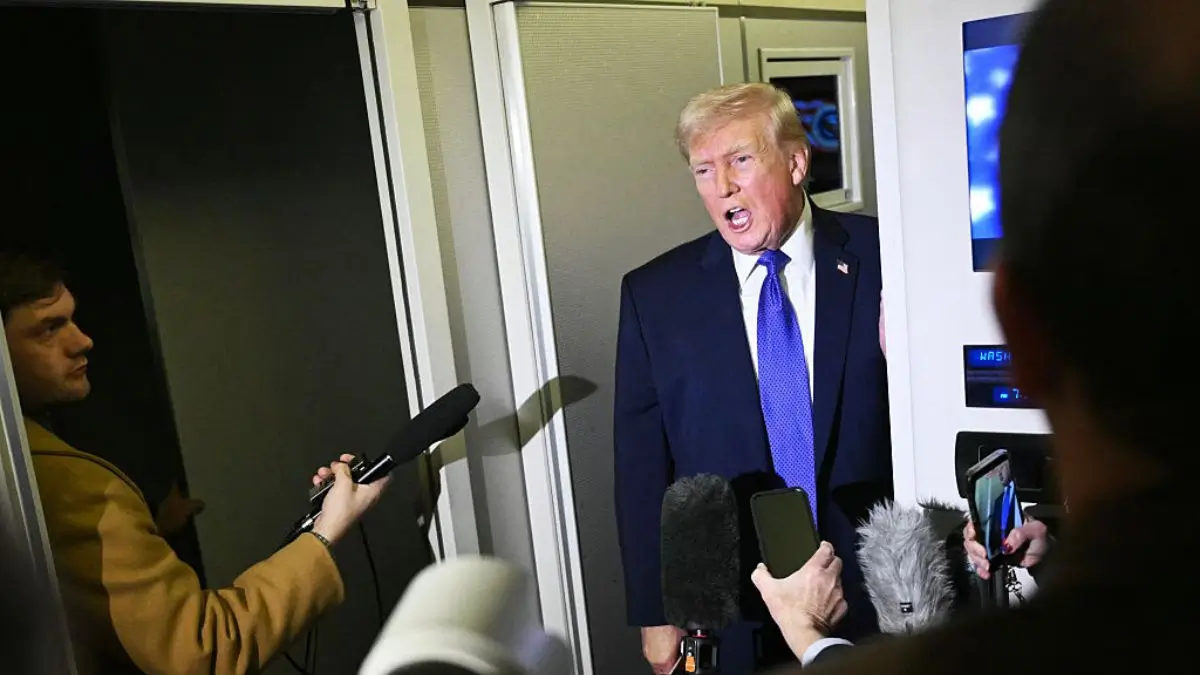
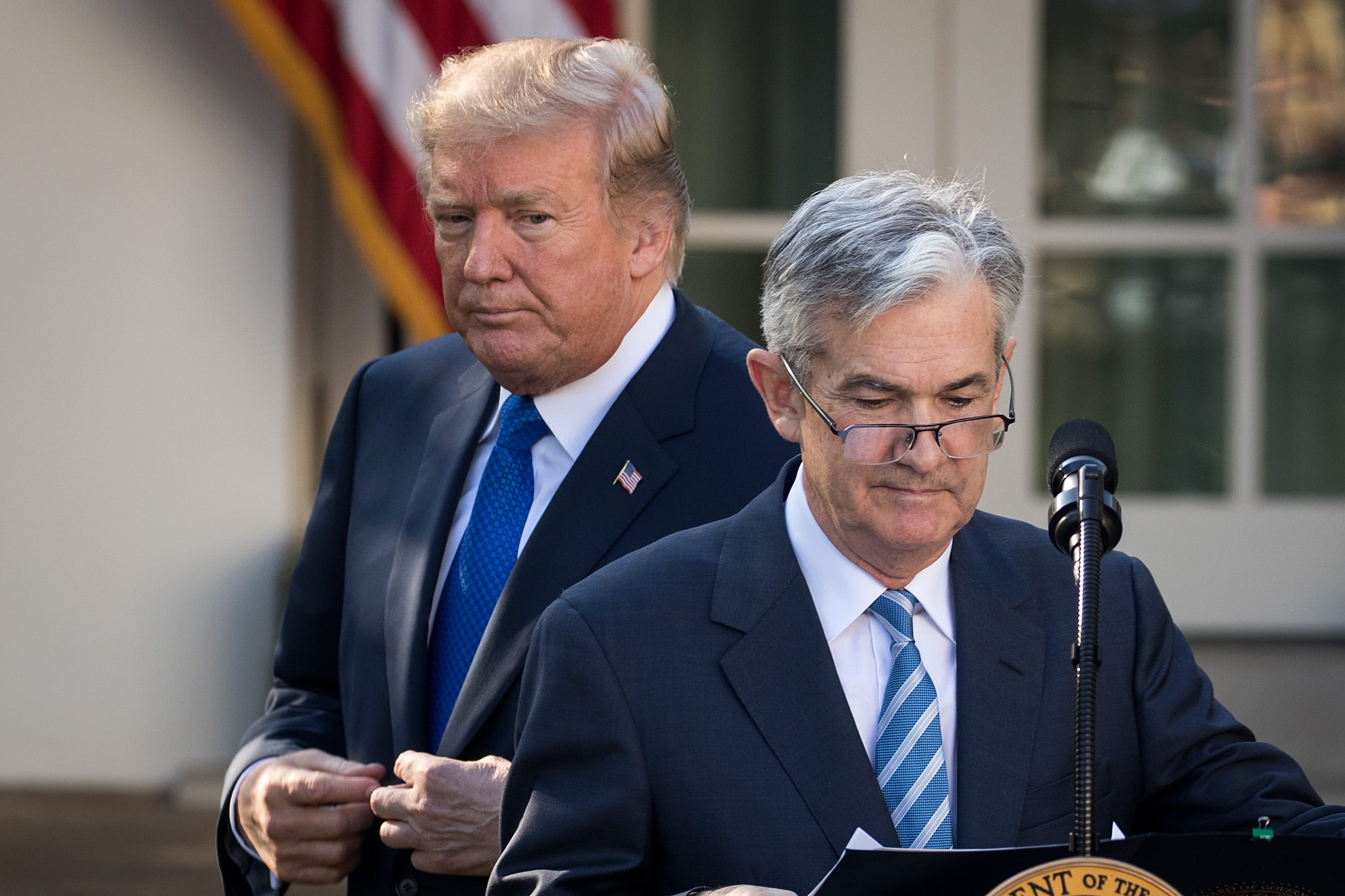
The ongoing political standoff between President Trump and Federal Reserve Chair Jerome Powell—with Powell's term expiring May 15, 2025—creates significant macroeconomic uncertainty that directly impacts e-commerce seller operations and profitability. Federal Judge James Boasberg's invalidation of subpoenas in January 2025 eliminated Trump's leverage to force Powell's removal, but the unresolved leadership question maintains policy uncertainty through Q2 2025. This leadership vacuum affects sellers through three critical mechanisms: (1) Interest Rate Volatility Risk: With Powell's successor (potentially Kevin Warsh) still unconfirmed, the Federal Reserve faces 4 months of potential policy drift. Sellers relying on business credit lines, inventory financing, and working capital loans face unpredictable borrowing costs. Current Fed rates at 4.25-4.50% could shift 50-150 basis points depending on successor philosophy, translating to $200-800 monthly cost increases for sellers carrying $100K+ inventory. (2) Payment Processing Fees: Cross-border sellers using platforms like Amazon Pay, Shopify Payments, and PayPal face variable processing fees tied to Fed rate expectations. Payment processors typically adjust merchant discount rates (MDR) 30-60 days ahead of anticipated rate changes. Sellers shipping internationally may see 0.15-0.35% fee increases as processors hedge against rate volatility. (3) Currency Fluctuation Exposure: The political uncertainty surrounding Fed leadership creates forex volatility for sellers operating in multiple currencies. Sellers with UK, EU, or Canadian operations face 2-4% currency swings during policy uncertainty windows, directly impacting cross-border margins. The May 15 deadline creates a critical decision point: sellers must decide by March 2025 whether to lock in financing rates, increase cash reserves, or shift inventory strategies. Small sellers (under $500K annual revenue) are most vulnerable, as they lack hedging tools available to larger enterprises. The Trump administration's stated philosophy—articulated by Deputy Chief of Staff Stephen Miller—that "power and force govern international relations" extends to domestic monetary policy, suggesting continued pressure on Fed independence through 2025. This political approach creates structural uncertainty that persists even after Powell's term resolution, affecting seller planning horizons through Q4 2025.
Questions 8
How does Fed leadership uncertainty impact inventory financing for small sellers?
Small sellers (under $500K annual revenue) relying on business credit lines face the most exposure. Traditional lenders tie working capital loan rates to the Fed Funds Rate plus 2-4% spreads. With the Fed Funds Rate at 4.25-4.50% and potential 50-150 basis point swings depending on Powell's successor, small sellers could see borrowing costs increase from 7-8% to 8-9.5% by Q3 2025. This increases inventory carrying costs by $200-600 monthly per $100K financed. Review your credit line terms by February 2025 and consider fixed-rate alternatives like invoice factoring or supply chain financing platforms.
What is the impact on cross-border sellers using Shopify Payments or PayPal?
Payment processors adjust merchant discount rates (MDR) based on Fed rate expectations. During policy uncertainty windows, processors typically increase MDR by 0.15-0.35% to hedge against volatility. For a seller processing $50K monthly in cross-border transactions, this translates to $75-175 additional monthly costs. Shopify Payments and PayPal both adjust rates quarterly, with the next adjustment window in March-April 2025. Consider locking in rates with alternative processors like Stripe or 2Checkout if they offer fixed-rate contracts.