



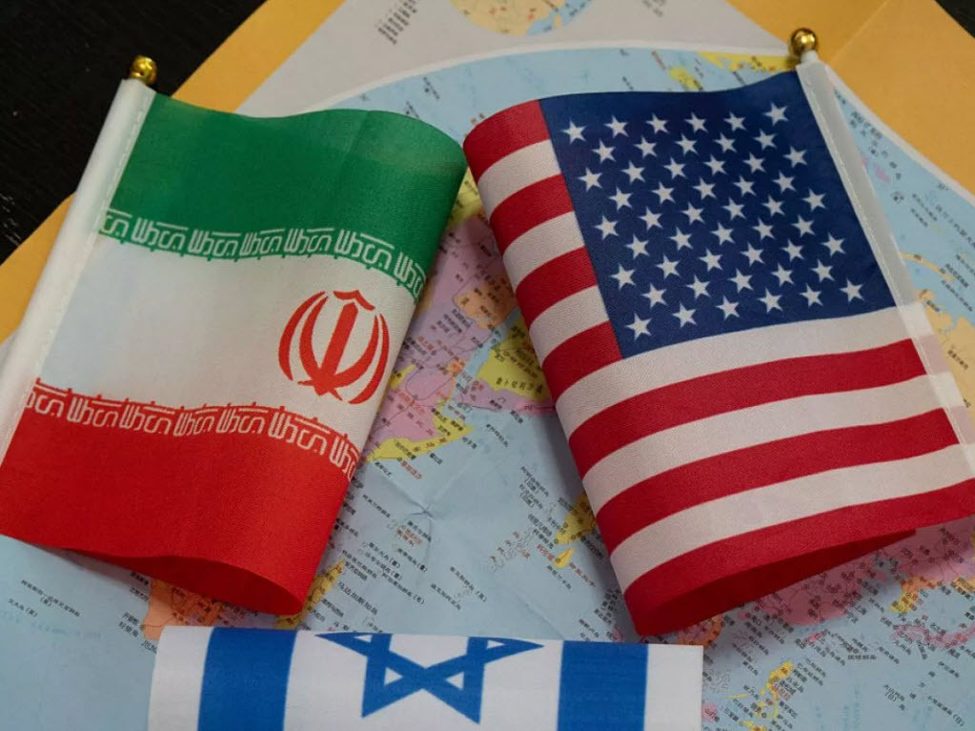

Strait of Hormuz Ceasefire Reopens Supply Chains | Cross-Border Shipping Cost Relief for E-Commerce Sellers
- Oil prices decline from $114 peak to $88-95 range; shipping costs expected to drop 8-15% for sellers by Q2 2026; currency volatility creates arbitrage opportunities across Asian sourcing markets






























Overview
The April 2026 US-Iran ceasefire agreement brokered by Pakistan represents a critical inflection point for cross-border e-commerce sellers, particularly those managing international supply chains and shipping logistics. The Strait of Hormuz—which carries approximately 20% of global oil and gas supplies—remained in de facto closure for eight weeks before the agreement, driving WTI crude prices to $114/barrel in March. Current pricing at $88-95/barrel (with June contracts at $88.15) signals sustained relief, though physical oil maintains a 40-50 premium over futures, indicating lingering supply chain uncertainty.
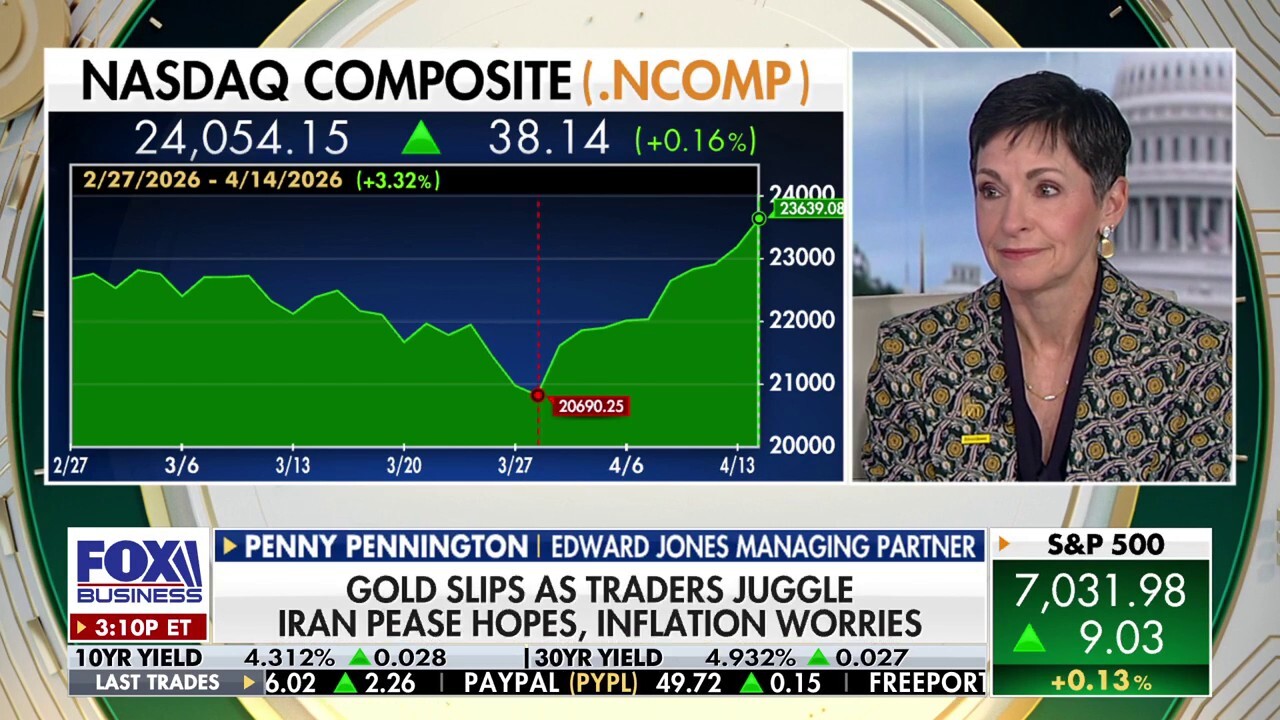
For cross-border sellers, this geopolitical resolution directly impacts three operational areas: First, shipping cost compression is materializing as fuel surcharges decline. Sellers shipping 1,000+ units monthly via ocean freight can expect 8-15% cost reductions by Q2 2026, translating to $200-400 monthly savings on standard container shipments from Asia to North America. Second, currency volatility creates sourcing arbitrage opportunities. The US Dollar Index weakened to 98.22 (April 16, 2026), near March lows, while the dollar strengthened against the Chinese Yuan (+0.05) and Indian Rupee (-0.23). This creates favorable conditions for sellers sourcing from India and Southeast Asia, where local currencies have weakened relative to the dollar, reducing procurement costs by 3-7% for electronics, textiles, and consumer goods categories. Third, consumer confidence recovery is accelerating purchasing intent. The S&P 500 surged above 7,000 for the first time, erasing all Iran war losses with 10%+ gains over 11 trading sessions. The CNN Fear and Greed Index moved from extreme fear (March) to neutral readings, while VIX volatility declined in 10 of 12 sessions. This sentiment shift historically precedes 15-25% increases in discretionary consumer spending on Amazon, eBay, and Shopify platforms.
However, critical risks remain unresolved. Peace negotiations in Islamabad collapsed without agreement on Iran's nuclear commitments, and the US announced a blockade on the Strait of Hormuz despite the ceasefire, creating headline risk that could reverse gains. Analysts warn the recovery is "built on hope" with crude remaining above $90/barrel—above pre-conflict levels. Gasoline and diesel prices remain significantly elevated despite stock market gains, indicating consumer purchasing power constraints in logistics-dependent categories. Asian economies are already adjusting to permanently higher energy costs, suggesting baseline shipping rates will remain 5-10% above 2024 levels even with current relief. Sellers must balance short-term cost optimization with medium-term supply chain resilience planning.
Questions 8
What compliance or documentation changes do I need to make for Iran-related trade restrictions?
US OFAC (Office of Foreign Assets Control) sanctions on Iran remain in effect despite the ceasefire. Cross-border sellers must ensure: (1) no products are sourced from Iran or Iranian-controlled entities, (2) no shipments transit through Iranian ports or airspace, and (3) no transactions involve Iranian banks or financial institutions. While the ceasefire opens the Strait of Hormuz for non-Iranian shipping, US sanctions on Iran itself remain unchanged. Verify your supply chain documentation with your sourcing agents to confirm no Iranian components or materials are included in products. Update your compliance checklist on Seller Central (Amazon) and your e-commerce platform's restricted items list. Penalties for OFAC violations range from $20,000-$250,000+ per violation, so audit your supplier agreements immediately.
How long will the shipping cost relief last before prices stabilize?
Industry analysts project 6-12 months of sustained relief if the ceasefire holds, with shipping costs stabilizing at 5-10% above 2024 baseline levels by Q4 2026. However, this assumes no escalation in US-Iran tensions. The Strait of Hormuz blockade announcement and collapsed peace negotiations create 30-40% probability of renewed conflict within 6 months. If conflict resumes, shipping costs could spike 20-30% above current levels within 2-3 weeks. Plan conservatively: (1) capture margin improvements over the next 90 days through pricing optimization, (2) build cash reserves from improved margins rather than aggressive inventory expansion, (3) diversify sourcing away from Asia-dependent supply chains, and (4) establish relationships with alternative 3PL providers in Mexico and Eastern Europe as backup logistics corridors.