



Capcom's Performance Optimization Playbook: How AI and Iterative Updates Are Reshaping Game Development
- Strategic performance improvements reveal the future of game development responsiveness





































Overview
In the rapidly evolving landscape of video game development, Capcom's Monster Hunter Wilds has become a critical case study in how modern game studios must leverage AI-driven optimization and responsive development strategies to maintain player trust and competitive edge.
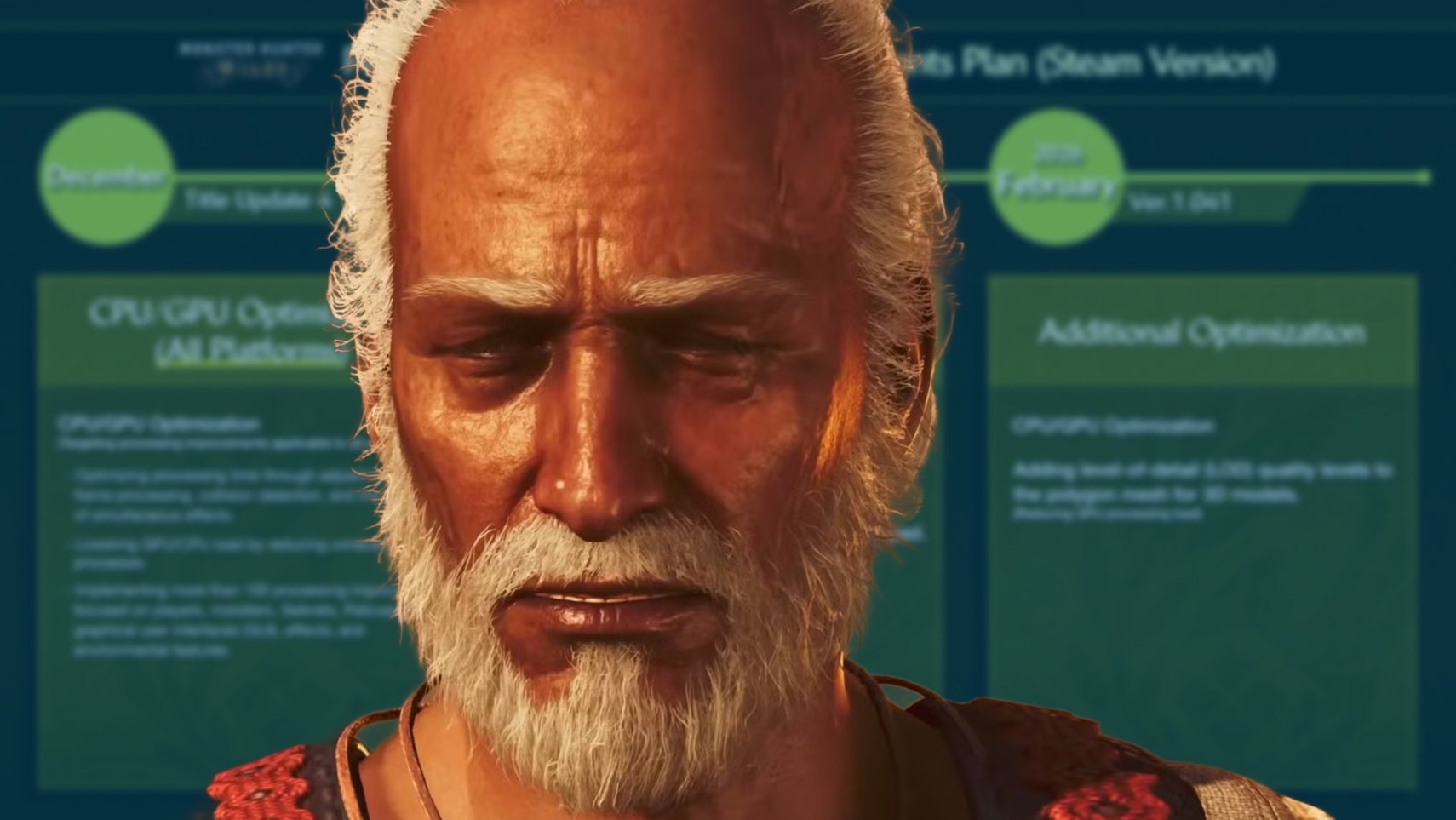
The company's multi-phase performance improvement roadmap represents more than just technical fixes—it's a sophisticated approach to rebuilding player confidence through transparent, data-driven iterations. By announcing a comprehensive optimization strategy spanning December 2025 to February 2026, Capcom is essentially rewriting the playbook for post-launch game support. The roadmap includes over 100 under-the-hood improvements across platforms, targeting critical performance bottlenecks like CPU/GPU processing, shader compilation, and texture streaming.
What makes this approach particularly noteworthy is Capcom's systematic, phased strategy. The December Title Update 4 focuses on fundamental processing improvements, while subsequent updates in January and February progressively enhance platform-specific optimizations. This granular, iterative approach suggests a deeper understanding of modern game development: performance is no longer a one-time achievement but an ongoing conversation with the player community.
The stakes are significant. The prolonged performance issues have already triggered review bombing and potentially impacted sales and stock prices. By proactively addressing these challenges, Capcom is not just fixing a game—they're demonstrating a new model of technological responsiveness that could become the standard for game developers worldwide.
Critically, this strategy reveals an emerging paradigm where game development becomes a continuous, AI-assisted optimization process. The ability to rapidly diagnose, communicate, and resolve technical issues is becoming as important as the initial game design itself. For the gaming industry, this represents a fundamental shift from static product delivery to dynamic, responsive service models.
Questions 3
How do these performance updates impact game development economics?
These updates reveal that post-launch support is now a critical economic factor. Poor performance can lead to review bombing, reduced sales, and stock price impacts. Investing in ongoing optimization becomes a key strategy for maintaining game value and player trust.
What role does AI play in these performance improvements?
While not explicitly AI-driven in this instance, the systematic, data-driven approach suggests AI will play an increasingly important role in diagnosing performance issues, predicting optimization needs, and automating technical improvements in future game development.