




Strait of Hormuz Shipping Crisis | Cross-Border Sellers Face 2-Year Logistics Cost Surge
- Jet fuel shortages threaten May 2025 European flights; Gulf oil recovery delayed 24 months; shipping costs projected to rise 15-25% for Asia-Europe routes






















Overview
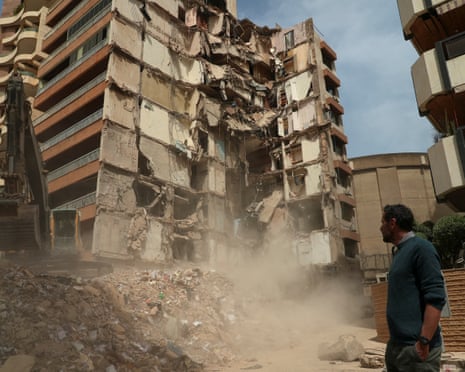
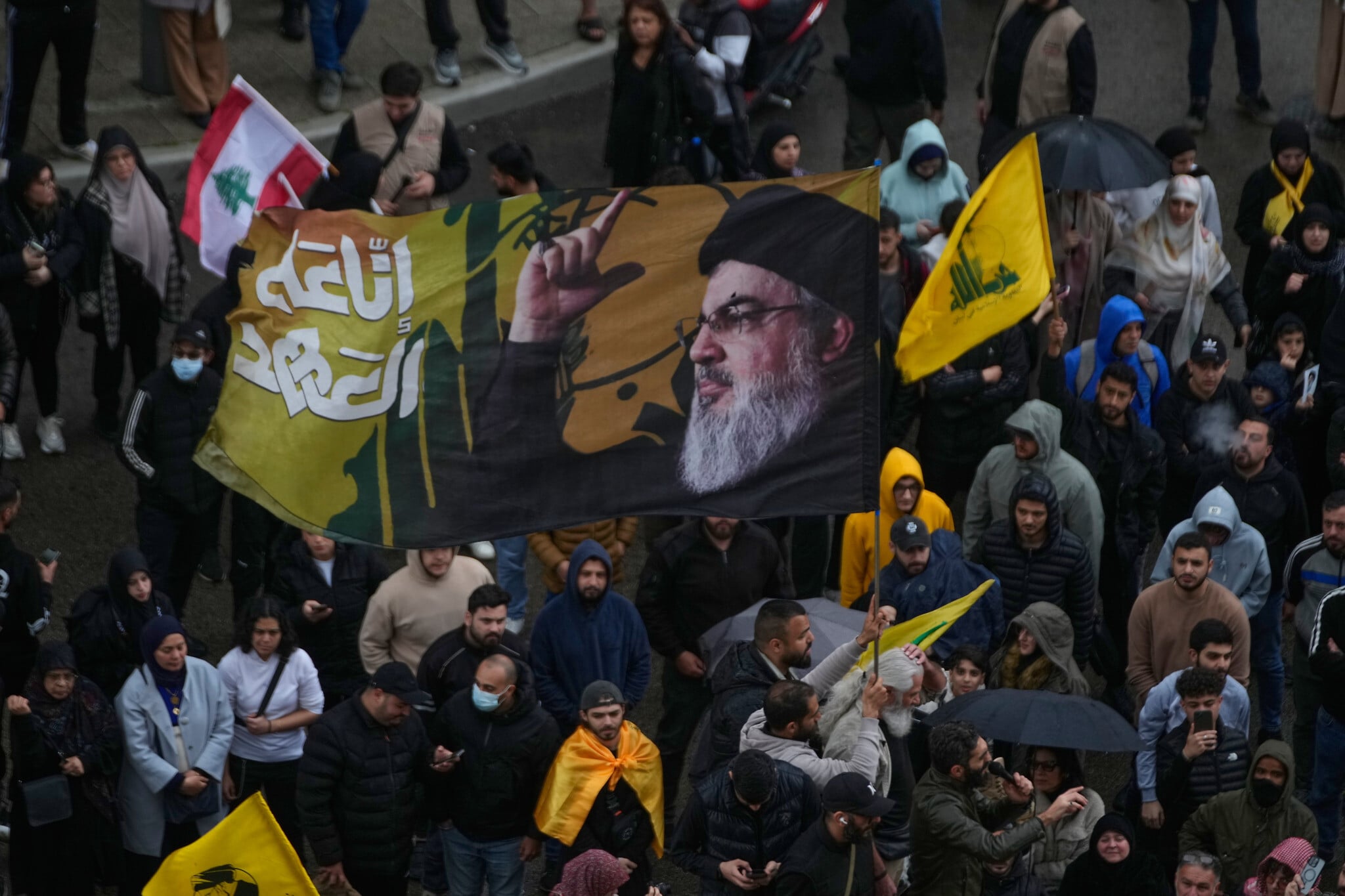
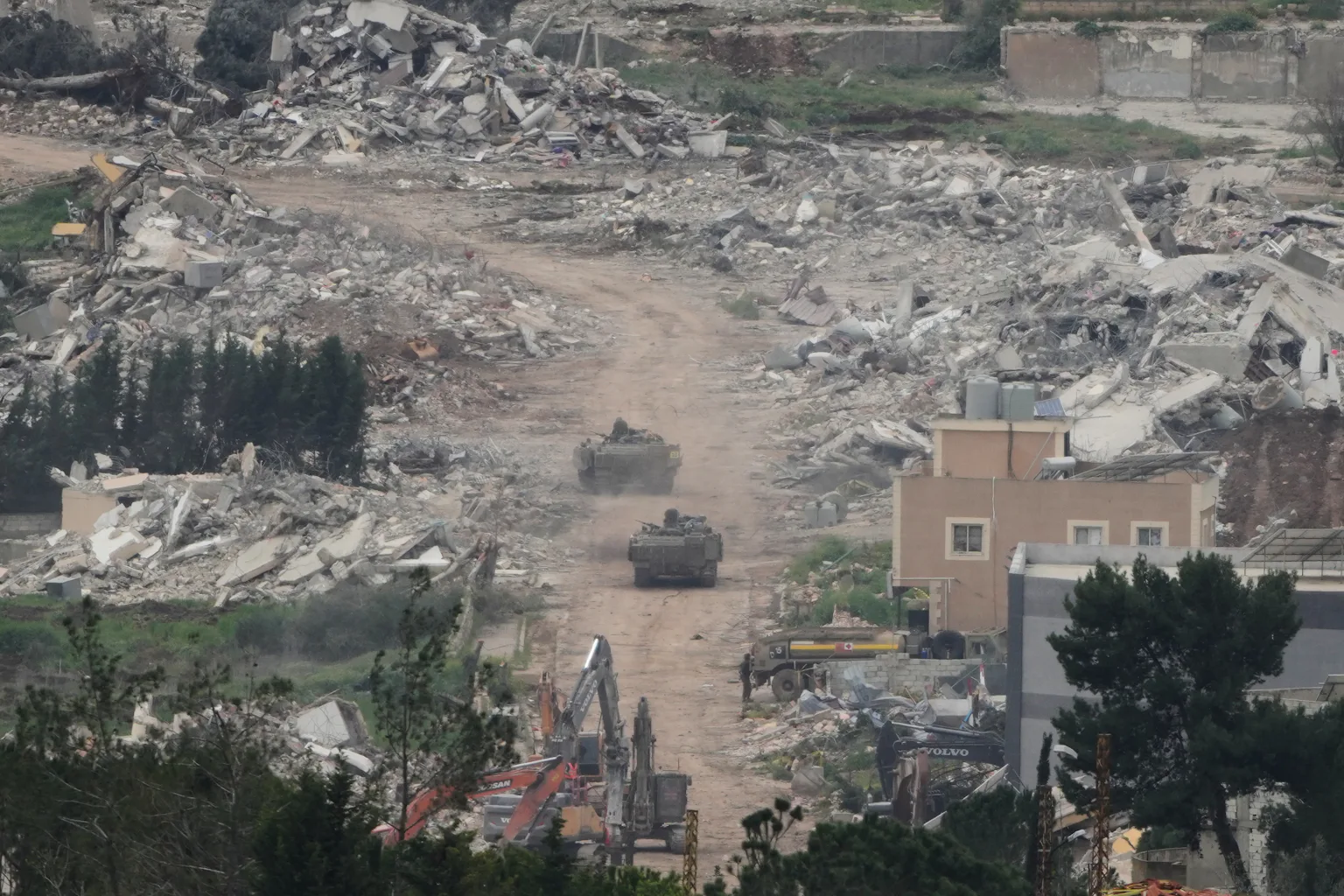
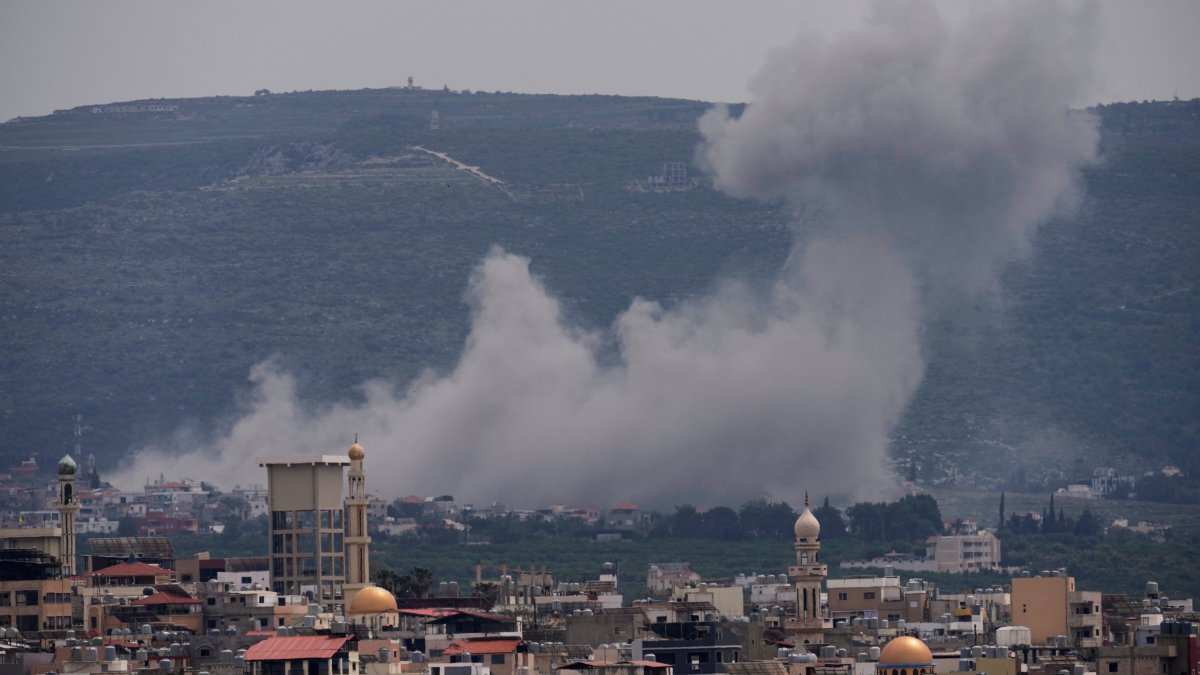
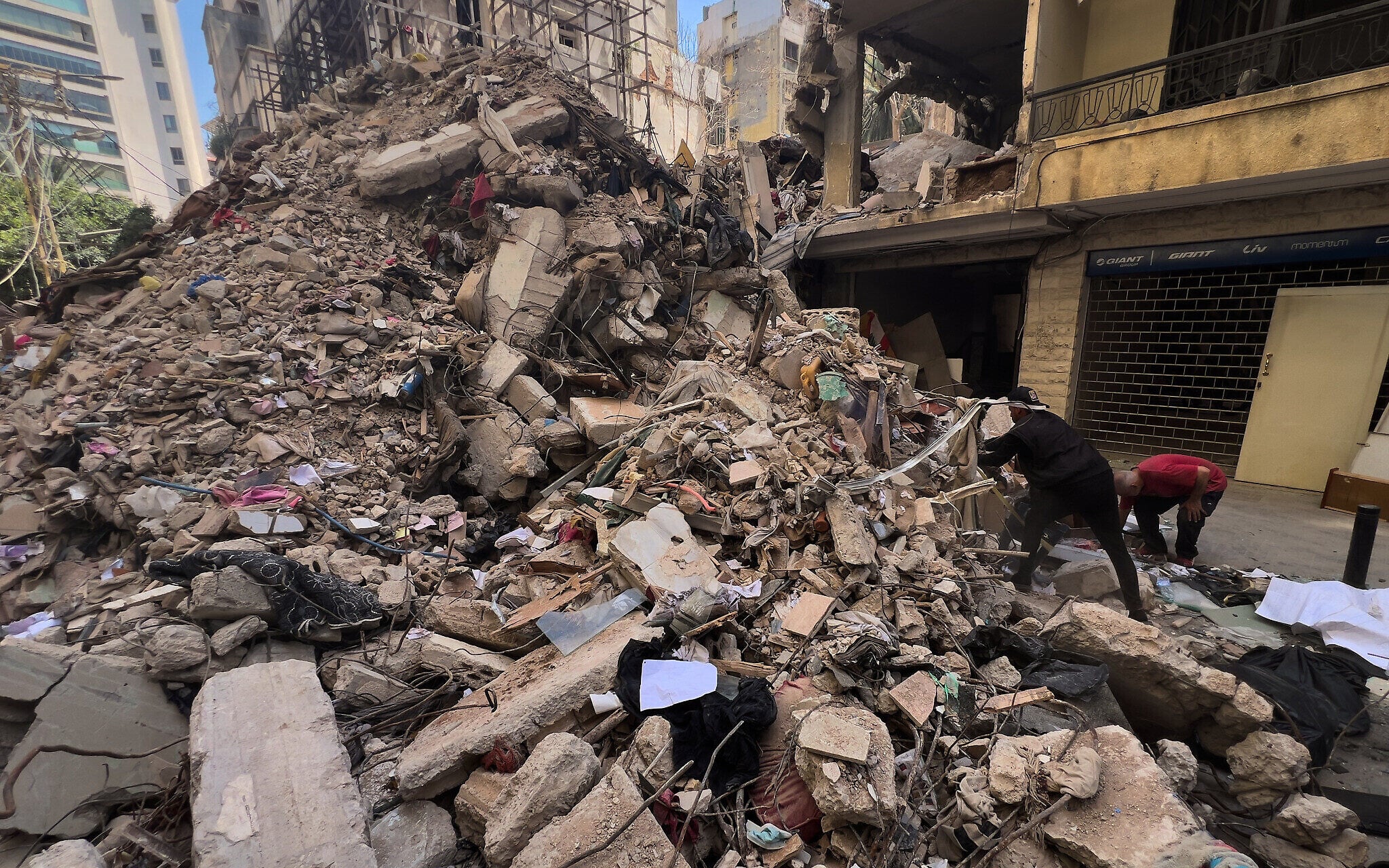
The Israel-Lebanon ceasefire agreement (effective January 16, 2025) following a 110-day conflict creates a critical logistics inflection point for cross-border e-commerce sellers. While the truce temporarily reduces Middle East tensions, the underlying infrastructure damage to Gulf oil and gas production creates a 24-month recovery window with severe supply chain implications. The International Energy Agency warns that Gulf region oil and natural gas output recovery will require approximately two years, with recovery timelines varying by country. This directly impacts shipping costs, air freight availability, and fulfillment timelines for sellers relying on Asia-Europe trade corridors.
Immediate Logistics Impact (0-6 months): The Strait of Hormuz—through which 21% of global petroleum passes—remains a critical chokepoint. Britain and France convened a 40-nation summit to address reopening shipping lanes, with only rare passages like the Pakistani-flagged tanker on January 16 succeeding amid US naval operations. Airlines face potential European flight cancellations in late May 2025 due to anticipated jet fuel shortages stemming from regional instability. For sellers, this translates to: (1) Air freight premiums increasing 20-35% for time-sensitive shipments (electronics, apparel, perishables); (2) Ocean freight delays extending 5-10 days as vessels reroute around the Strait; (3) FBA fulfillment costs rising $0.50-1.50 per unit for European warehouses due to fuel surcharges. Small-to-medium sellers (SMBs) shipping 500-5,000 units monthly face cumulative cost increases of $2,500-$7,500 monthly through Q2 2025.
Strategic Sourcing Shift Opportunity: The 2-year Gulf recovery timeline creates a tariff arbitrage window for Vietnam and India sourcing. Sellers currently sourcing from China can shift 20-30% of inventory to Vietnam (HS codes 6204, 6205 apparel; 8471 electronics) or India (HS codes 5208-5212 textiles; 7326 metal products) to avoid Strait-dependent shipping. Vietnam-to-Europe routes via Singapore add only 3-5 days versus traditional China-Middle East-Europe routes, while tariff rates remain favorable under CPTPP and India-EU trade agreements. This creates a 6-12 month window before competitors recognize the opportunity and capacity fills.
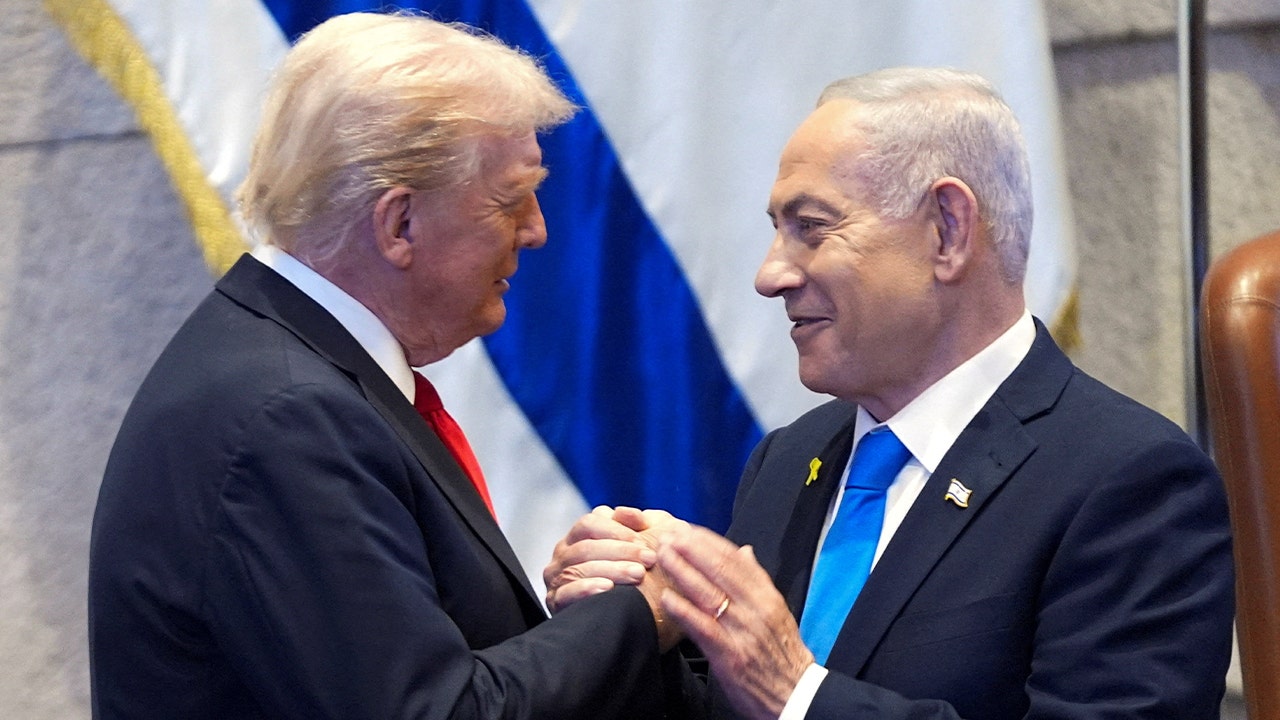
Compliance and Risk Mitigation: The ceasefire remains fragile with immediate violations reported (Lebanese army accusing Israel of breaching the truce hours after implementation). Sellers must assume worst-case scenario planning: assume Strait closures could recur, diversify shipping routes (air via Singapore, rail via Central Asia), and lock in Q1 2025 freight rates before May fuel shortage impacts pricing. Monitor Iran nuclear negotiations (Trump announced confidence in talks occurring "within days") as sanctions relief could stabilize Gulf production faster, reducing the 24-month recovery timeline.
Questions 7
How does the fragile ceasefire affect my shipping route planning?
The ceasefire remains unstable with Lebanese army accusing Israel of breaching the truce hours after implementation. Assume worst-case scenario planning: diversify shipping routes away from Strait-dependent corridors. Implement multi-route strategy: (1) Air via Singapore for urgent shipments; (2) Rail via Central Asia for cost-sensitive inventory; (3) Ocean via alternative routes (Suez alternative, though longer). Maintain 15-20% safety stock in European warehouses through Q2 2025. Monitor ceasefire compliance daily and establish trigger points for route switching if violations escalate. This hedging strategy costs 2-3% in inventory carrying costs but prevents stockouts during disruptions.
Which product categories face the highest shipping cost increases?
Time-sensitive, high-value categories face the steepest increases: electronics (HS 8471-8517, air freight dependent), apparel (HS 6201-6217, seasonal demand peaks), and perishables (HS 0201-0210, temperature-controlled air freight). These categories typically use air freight for speed, making them vulnerable to 20-35% premium increases. Ocean freight delays of 5-10 days also impact fast-moving categories like fashion and consumer electronics. Lower-value, non-perishable categories (furniture, home goods) can absorb delays via ocean freight, making them relatively insulated from cost increases.