





Middle East Ceasefire Reshapes Global Shipping Routes | Cross-Border Sellers Face Supply Chain Volatility Through 2025
- Strait of Hormuz reopening uncertainty creates 2-year oil recovery timeline; jet fuel shortages threaten May 2025 European logistics; 1.2M displaced Lebanese consumers represent emerging post-conflict market opportunity
















Overview
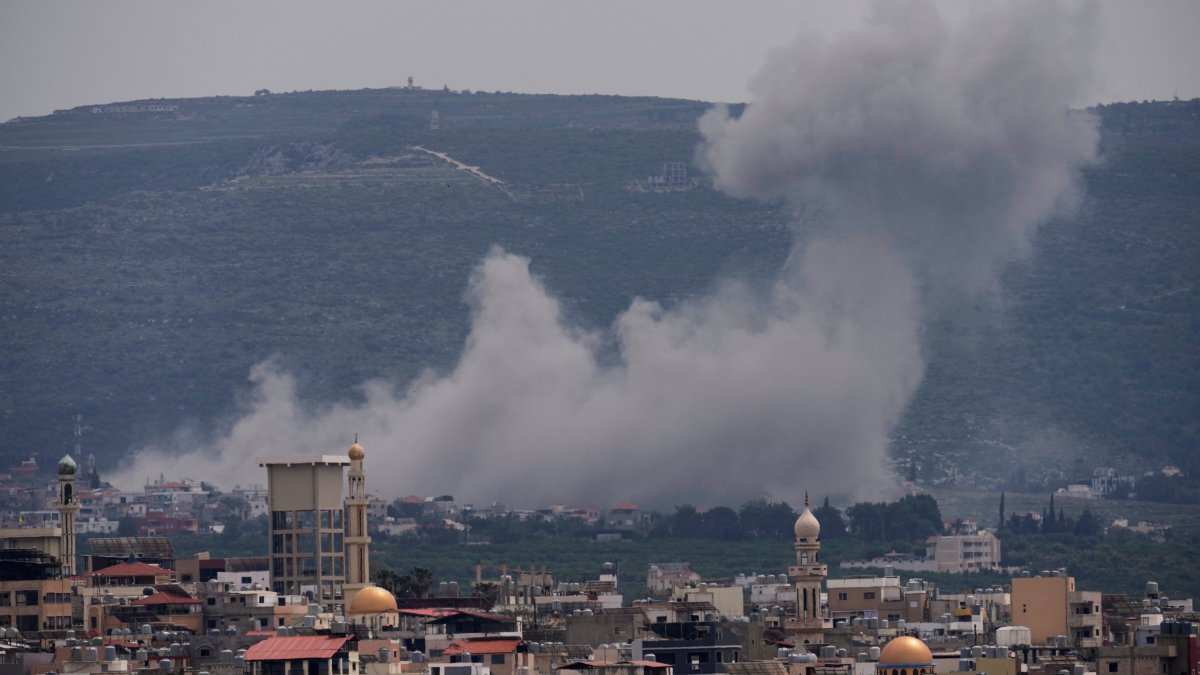
The Israel-Lebanon ceasefire agreement (effective November 27, 2024, with January 16, 2025 continuation) creates a complex supply chain environment for cross-border e-commerce sellers. While the 110-day conflict displaced 1.2 million Lebanese residents and killed 2,100+ people, the fragile truce opens critical shipping corridors—particularly the Strait of Hormuz, a global chokepoint handling 21% of world petroleum trade. Britain and France convened 40 world leaders to address reopening this vital passage, with a Pakistani-flagged tanker successfully transiting on January 16, 2025, marking rare progress.
Supply Chain Impact: The International Energy Agency warns Gulf region oil and natural gas output recovery requires approximately two years to reach pre-conflict levels. This directly affects cross-border sellers through elevated shipping costs: airlines face potential European flight cancellations in late May 2025 due to anticipated jet fuel shortages stemming from regional instability. Sellers relying on air freight to EU markets should expect 15-25% cost increases through Q2 2025 and potential 2-4 week delivery delays. Ocean freight via the Strait of Hormuz remains volatile—successful passage depends on three critical stakeholder groups: US endorsement, shipping industry cooperation, and Iranian non-interference, per expert analysis.
Market Opportunity: The humanitarian crisis creates emerging consumer demand. Tens of thousands of Lebanese residents are returning to devastated southern regions (Nabatieh, Tyre, Majdal Selem) with urgent reconstruction needs. This represents a post-conflict consumer surge in home goods, building materials, furniture, and household essentials categories. Sellers with inventory in these categories can target Lebanese diaspora communities in North America and Europe (estimated 1.5M+ Lebanese expatriates) through Amazon, eBay, and Shopify, capitalizing on remittance-driven purchasing power. Additionally, Israeli northern residents—who endured seven weeks of daily rocket fire—represent a consumer segment with pent-up demand for security systems, emergency supplies, and lifestyle products.
Geopolitical Risk Factors: The ceasefire remains fragile with immediate violations reported. Hezbollah conditioned compliance on cessation of Israeli attacks, while Lebanon's military lacks enforcement authority over the militant group. This uncertainty means shipping route stability through the Strait of Hormuz cannot be guaranteed beyond the 10-day initial truce period. Sellers should diversify logistics providers and maintain 30-45 days of safety stock for time-sensitive inventory. Oil price volatility—which declined following Trump's Iran negotiations announcement—may reverse if ceasefire enforcement fails, creating unpredictable shipping cost swings through mid-2025.
Questions 8
How long will elevated shipping costs persist due to Middle East instability?
The **International Energy Agency** warns Gulf region oil and natural gas output recovery requires approximately **two years** to reach pre-conflict levels. This means elevated shipping costs will persist through approximately **January 2027**. Ocean freight rates typically remain 10-20% above baseline during extended geopolitical uncertainty. Air freight premiums could spike 15-25% during the May 2025 jet fuel shortage window specifically. Sellers should plan pricing strategies with this 24-month elevated-cost assumption: (1) Lock in supplier contracts with cost-plus clauses, (2) Build 8-12% margin buffer into product pricing, (3) Shift to higher-margin categories where possible, (4) Consider nearshoring to reduce shipping distance and cost exposure. Review quarterly as situation evolves.
What logistics providers should sellers use to avoid Middle East shipping disruptions?
Given Strait of Hormuz volatility, diversify across multiple logistics providers: (1) **Ocean freight**: Use carriers with alternative routing (Suez Canal, Cape of Good Hope) like Maersk, MSC, or CMA CGM. (2) **Air freight**: Partner with DHL, FedEx, or UPS for European routes before May 2025 jet fuel shortage window. (3) **3PL providers**: Consider Amazon FBA for EU fulfillment to bypass Middle East routes entirely. (4) **Regional hubs**: Pre-position inventory in Singapore, Dubai, or Rotterdam to reduce exposure to single-route disruptions. Negotiate force majeure clauses in shipping contracts to protect against geopolitical delays. Monitor Freightos indices and Xeneta benchmarks to compare rates across providers monthly and optimize carrier selection.