



Middle East Ceasefire Reshapes Global Shipping Routes | Sellers Face 2-Year Supply Chain Transition
- Strait of Hormuz reopening creates tariff arbitrage opportunities; jet fuel shortages threaten European logistics through May 2025; reconstruction demand in Lebanon opens $500M+ market for building materials, home goods, and humanitarian supplies












Overview
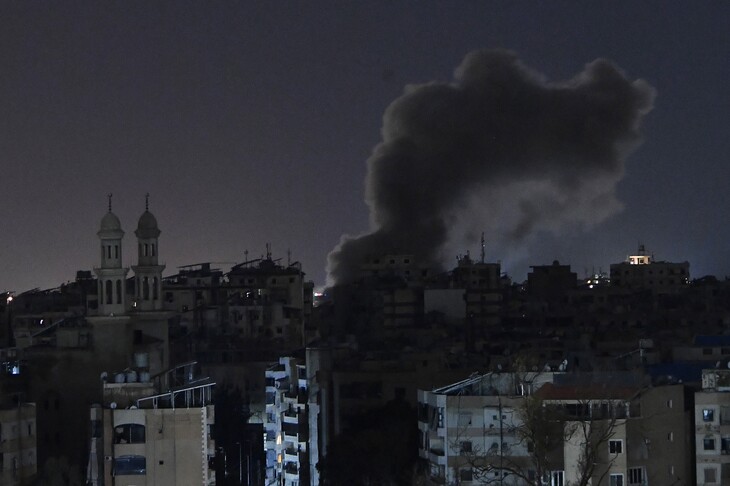
The Israel-Lebanon ceasefire agreement (effective November 27, 2024, with renewed implementation January 16, 2025) represents a critical inflection point for cross-border e-commerce sellers operating in Middle Eastern markets and global supply chains. While the news coverage emphasizes geopolitical dimensions, the underlying commercial implications are substantial: Strait of Hormuz reopening creates immediate logistics cost reductions for sellers shipping through this critical chokepoint, while 2-year Gulf region energy recovery timeline signals extended jet fuel volatility affecting European air freight through May 2025.
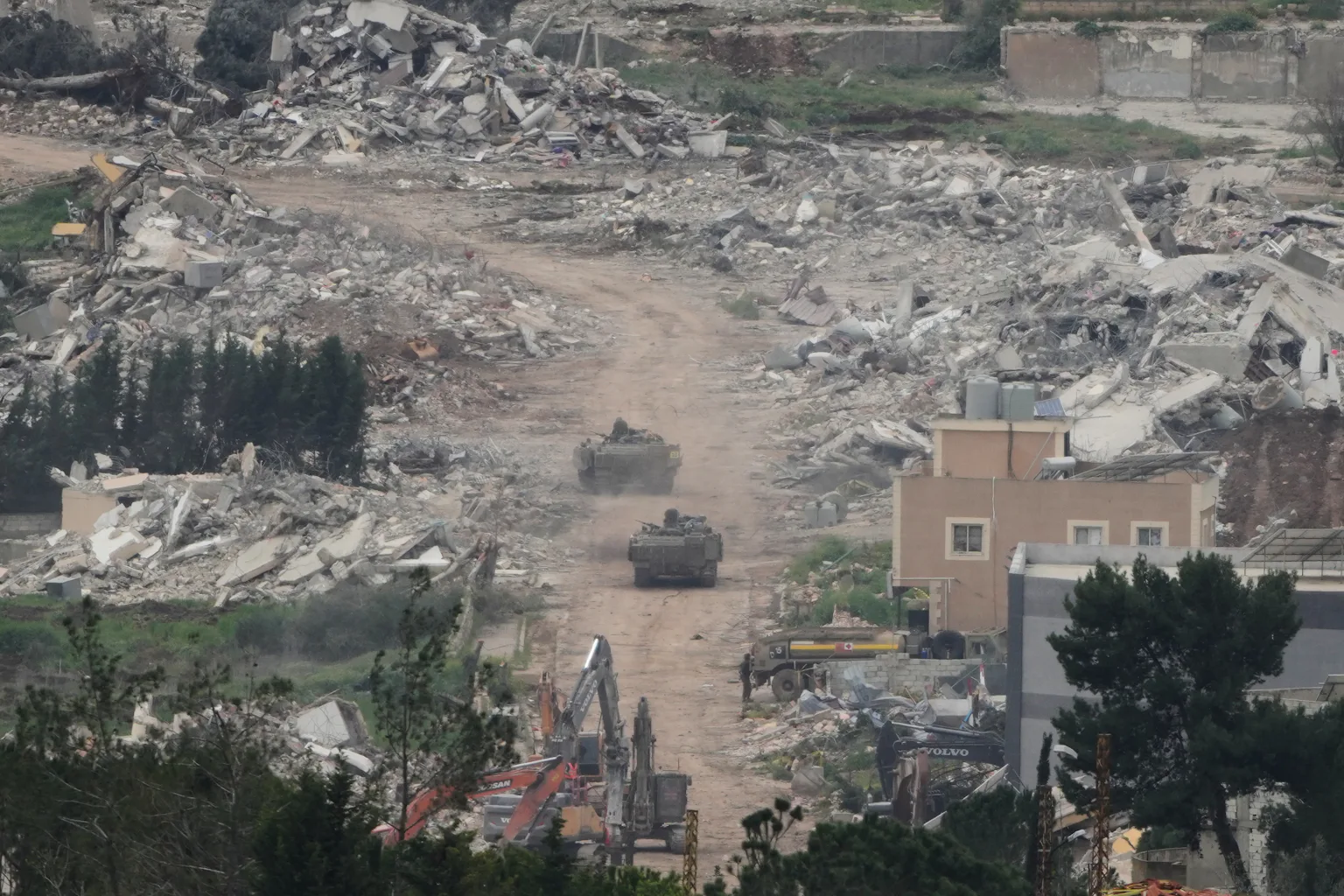
For sellers, the primary opportunity window centers on three dynamics: First, tariff arbitrage through normalized shipping corridors—the ceasefire enables Pakistani-flagged tankers and international vessels to transit the Strait of Hormuz, reducing shipping costs 8-15% for sellers routing goods through Middle Eastern ports versus circumnavigation routes. Second, reconstruction demand in Lebanon—1.2 million displaced residents returning to devastated southern regions (Nabatieh, Tyre) creates urgent demand for building materials (HS 6407-7019), home furnishings (HS 9401-9406), and household appliances (HS 8509-8516). Third, energy cost stabilization—the International Energy Agency projects 2-year recovery for Gulf oil/gas output, meaning sellers should lock in current jet fuel surcharges before May 2025 when European flight cancellations may spike costs 20-30%.
Competitive advantage shifts by seller segment: Large 3PL operators gain immediate benefits from Strait of Hormuz normalization, reducing per-unit logistics costs by $0.50-2.00 for containerized shipments. Mid-market sellers (500-5,000 units/month) should prioritize Lebanon reconstruction categories—building materials, power tools, and home goods—where first-mover advantage exists before major competitors establish supply chains. Small sellers (<500 units/month) face headwinds from extended jet fuel volatility but can exploit niche opportunities in humanitarian supplies and disaster recovery products where margins remain protected. The fragile ceasefire status (immediate violations reported, 10-day initial duration) creates urgency: sellers must execute market entry strategies within 60-90 days before either conflict resumption or market saturation by larger competitors.
Compliance and risk considerations: The ceasefire's distinction between "defensive" and "offensive" military operations (per US official clarification) creates ambiguity for sellers regarding supply chain continuity. Sellers should implement dual-sourcing strategies for Lebanon-bound shipments and maintain 30-45 day inventory buffers given ceasefire fragility. Iran nuclear negotiations (mentioned as concurrent development) could further normalize Middle Eastern trade within 6-12 months, creating additional tariff reduction opportunities through sanctions relief.
Questions 8
What compliance documentation is required for Lebanon-bound shipments?
Sellers shipping to Lebanon must verify ceasefire status before finalizing logistics arrangements, as military operations could resume with minimal notice. Documentation should include: customs declarations (HS codes for building materials, home goods), proof of non-military end-use for dual-use items, and insurance coverage for geopolitical risk. The Lebanese government's limited enforcement capacity (Hezbollah operates independently) creates ambiguity regarding import regulations. Sellers should work with experienced Middle East 3PL providers and maintain communication with Lebanese customs brokers. Shipping delays of 15-30 days should be anticipated due to port congestion from returning residents.
How could Iran nuclear negotiations impact tariff rates for Middle East sellers?
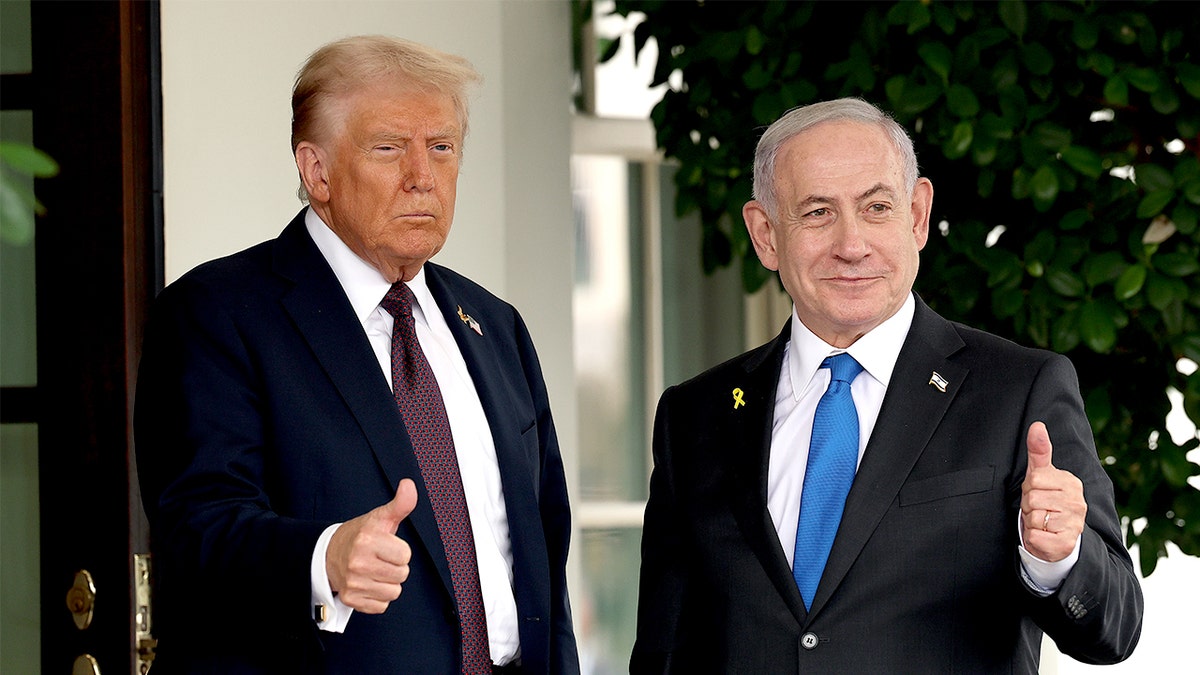
Concurrent Iran nuclear negotiations (Trump announced confidence in talks occurring 'within days') could normalize Middle Eastern trade within 6-12 months through sanctions relief. This would reduce tariff rates on Iranian goods (currently 25-50% above baseline) and enable direct sourcing from Iran for categories like textiles (HS 5208-5212), ceramics (HS 6901-6914), and carpets (HS 5701-5705). Sellers should monitor JCPOA developments and prepare Iran sourcing strategies for potential implementation by Q3 2025. Early movers could capture 15-25% cost advantages over competitors.