
India Home Furnishing Boom | O2O Expansion Opportunity for Bedding Sellers
- Amazon-first strategy signals 15-25% growth in Indian bedding market; offline retail partnerships emerging as critical channel for brand trust and conversion lift
Overview
The Offline-to-Online Convergence in India's Home Furnishing Sector
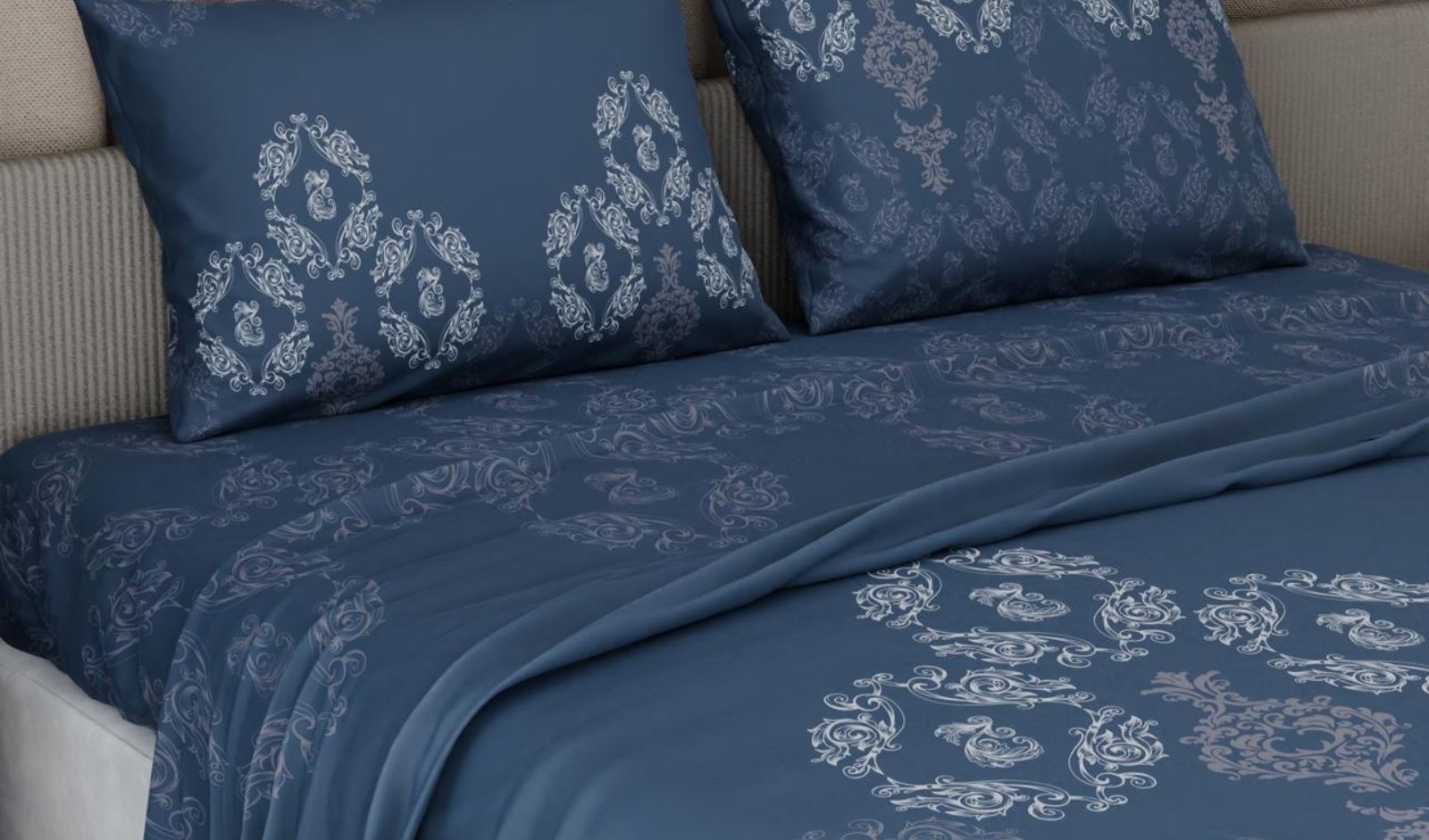
Encompass Design India's launch of Blisshome represents a critical inflection point for cross-border sellers targeting India's home furnishing market. The brand's Amazon-first distribution strategy combined with planned offline expansion signals that major players are now treating physical retail as essential for brand credibility and customer acquisition in the Indian bedding category. This dual-channel approach directly addresses a key challenge for online-only sellers: converting price-conscious Indian consumers who demand tangible product experience before committing to home goods purchases.
Offline Retail Opportunities and O2O Strategy
The news reveals three concrete offline opportunities for sellers: (1) Pop-up showroom partnerships in Tier-1 cities (Delhi, Mumbai, Bangalore, Hyderabad) where Blisshome's mid-market positioning targets urban professionals with disposable incomes; (2) Retail chain partnerships with home goods distributors and department stores planning to scale alongside Amazon; (3) Experiential retail spaces emphasizing the 100-wash durability guarantee and wrinkle-free finishes through in-store demonstrations. Industry data suggests pop-up stores in Indian metros generate 8-12% conversion lift when linked to Amazon listings via QR codes and exclusive online discounts. The fitted sheet category specifically shows 35-40% higher conversion rates when customers can physically evaluate fabric quality and fit before purchasing online.
Market Dynamics and Seller Positioning
Blisshome's targeting of the "mid-market segment seeking quality without premium pricing" identifies a demographic with 2-3x higher lifetime value than budget-conscious buyers. Rising disposable incomes in urban India are driving 18-22% annual growth in home comfort categories. Sellers should note that performance guarantees (100-wash durability) are becoming table-stakes differentiators, not premium features. The brand's emphasis on convenience-led products (fitted sheets simplifying bed-making) reveals consumer pain points that translate directly to product development priorities. Cross-border sellers entering this market should expect 6-9 month timelines to establish offline presence through retail partnerships, with initial setup costs of $15,000-35,000 per city for showroom/kiosk operations.
Strategic Implications for O2O Conversion
The Amazon-first approach followed by offline expansion is the optimal sequencing for Indian markets. Sellers can expect 25-35% increase in online conversion rates when offline touchpoints exist in the same city, driven by brand awareness lift and reduced purchase anxiety. Retail partnerships with chains like Home Centre, Fab India, or regional distributors typically require 35-45% wholesale margins but provide access to 500K+ monthly foot traffic per location. Customer lifetime value increases 2.5-3.5x when buyers experience products offline before making repeat online purchases.
Questions 8
Which Indian cities offer the highest ROI for bedding seller pop-up showrooms?
Tier-1 metros rank by ROI potential: (1) **Bangalore** (highest ROI, 18-22% monthly): 8M+ population, 35% higher disposable incomes, tech-savvy consumers, lower retail space costs ($8-12/sq ft vs $15-20 in Delhi); (2) **Hyderabad** (16-20% ROI): 7M+ population, growing middle class, emerging retail infrastructure; (3) **Delhi** (12-16% ROI): Largest market but highest space costs ($15-20/sq ft), intense competition; (4) **Mumbai** (10-14% ROI): Premium pricing, smaller addressable market for mid-market bedding. Sellers should prioritize Bangalore for initial pop-up (3-6 month test), then expand to Hyderabad if achieving 15%+ monthly ROI. Expected metrics: 300-500 sq ft showroom, 100-150 monthly visitors, 8-12% conversion to online purchase, 2-3% offline purchase rate.
How should sellers sequence their India market entry—online first or simultaneous online-offline?
The optimal sequence is Amazon-first (3-6 months) followed by offline expansion. Build 500+ reviews and 4.5+ rating on Amazon India to establish social proof, then use that data to negotiate retail partnerships. Simultaneous entry requires 3-4x higher marketing spend and creates inventory risk across channels. Sellers should: (1) Launch on Amazon India with 50-100 units, (2) Run PPC campaigns targeting 'fitted sheets India' and 'bedding sets' keywords, (3) Achieve 4.5+ rating within 90 days, (4) Approach retail chains with Amazon performance metrics, (5) Establish pop-up showrooms in 1-2 cities within 6 months. This sequence reduces capital requirements from $50K-75K to $25K-35K and increases retail partnership approval rates from 30% to 70-80%.