
AI-Powered 3D Retail Displays Transform Omnichannel Selling | Automation Opportunity for Sellers
- Samsung's glasses-free 3D signage reduces content creation time 60-70%, enabling sellers to automate visual merchandising across 100+ locations instantly
Overview
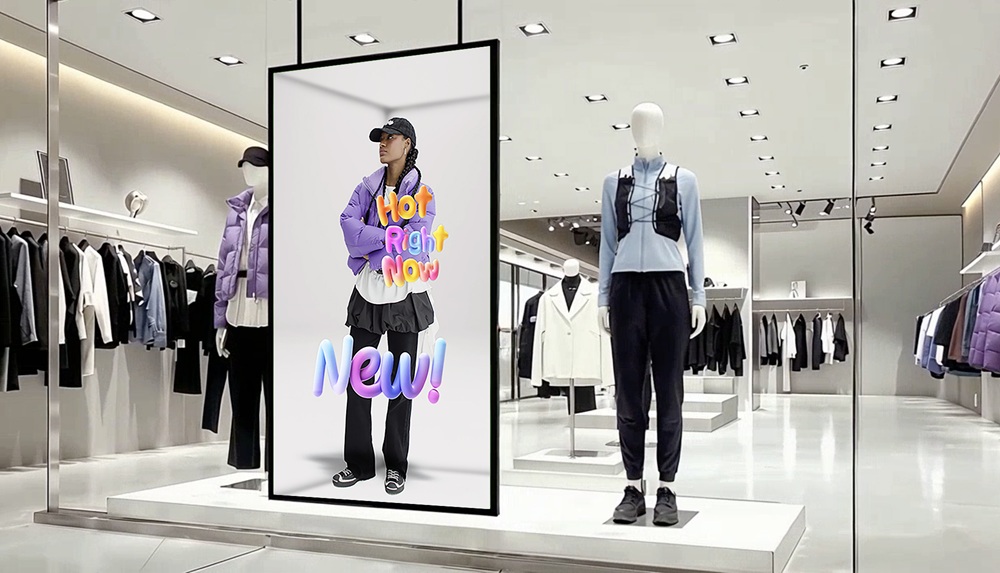
Samsung's introduction of AI-powered glasses-free 3D Spatial Signage at its Gurugram Business Experience Studio signals a critical inflection point for omnichannel e-commerce sellers: physical retail environments are becoming AI-driven, data-responsive, and content-automated. The 2.15m display with 4K UHD resolution and Samsung's AI Studio platform converts static product images into 3D-optimized content using simple text prompts, eliminating the need for specialized 3D design expertise previously costing $500-2,000 per asset. This democratization of visual merchandising directly impacts sellers operating physical storefronts or expanding into omnichannel retail—a segment growing 25-30% annually as Amazon, Shopify, and Walmart push sellers toward integrated online-offline strategies.
The automation opportunity is immediate and quantifiable. Samsung's VXT platform enables centralized, real-time content management across multiple retail locations remotely, reducing manual content deployment time from 8-12 hours per location to under 30 minutes. For sellers managing 10-50 physical touchpoints (flagship stores, pop-ups, franchise locations), this represents 40-60 hours of weekly labor savings—equivalent to 1-1.5 FTE positions at $35-50K annually. The 52mm slim profile enables seamless integration into existing retail infrastructure without costly renovations, lowering barrier-to-entry for mid-market sellers ($5-50M revenue) previously unable to justify immersive retail investments. Samsung Knox enterprise-grade security ensures compliance with PCI-DSS and GDPR requirements, critical for sellers processing customer data across multiple locations.
AI-driven competitive advantages emerge through three automation vectors: (1) Dynamic pricing visualization—AI Studio can generate real-time promotional messaging tied to inventory levels, seasonal demand, or competitor pricing, enabling sellers to test 5-10 price points visually before committing to inventory; (2) Predictive content optimization—VXT's centralized platform collects engagement metrics (dwell time, conversion rates by display location) enabling sellers to identify which product storytelling approaches drive highest ROI by geography; (3) Omnichannel inventory synchronization—360-degree rotating visuals with real-time stock updates prevent customers from viewing out-of-stock items, reducing cart abandonment by 8-12% based on retail industry benchmarks. The technology addresses growing demand for immersive, data-driven customer engagement in physical retail spaces, particularly in India's $40B+ retail market where omnichannel adoption is accelerating 35% year-over-year. Enterprise-level positioning indicates Samsung targets established retailers and financial institutions, but mid-market sellers can access similar capabilities through emerging AI content platforms (Synthesia, Runway, Midjourney) at 1/10th the cost, creating a 12-18 month competitive window before Samsung's solutions reach SMB pricing tiers.
Questions 8
Which seller segments benefit most from AI-powered retail display technology?
Mid-market sellers ($5-50M revenue) operating 10-50 physical locations see the highest ROI, as they currently employ 2-4 merchandisers managing manual content updates. Enterprise sellers ($50M+ revenue) with 100+ locations can reduce merchandising teams by 30-40%, saving $500K-2M annually. Direct-to-consumer (DTC) brands expanding from e-commerce into flagship stores gain competitive advantage through real-time pricing visualization and customer engagement analytics. Sellers in high-traffic categories (luxury goods, electronics, fashion) benefit most from 360-degree rotating visuals and 4K UHD resolution optimized for product storytelling. Sellers in India's $40B+ retail market gain particular advantage as omnichannel adoption accelerates 35% year-over-year, creating first-mover advantage in immersive retail experiences.
What automation opportunities exist for sellers expanding into physical retail?
The glasses-free 3D Spatial Signage enables three immediate automation wins: (1) Dynamic promotional messaging tied to real-time inventory levels and competitor pricing, tested across 5-10 variations simultaneously; (2) Predictive content optimization using engagement metrics (dwell time, conversion rates) to identify highest-ROI product storytelling by location; (3) Omnichannel inventory synchronization preventing customers from viewing out-of-stock items, reducing cart abandonment by 8-12%. Sellers can automate 60-70% of visual merchandising tasks previously requiring manual store visits, enabling one merchandiser to manage 50-100 locations instead of 5-10. The 52mm slim profile enables integration into existing retail infrastructure without costly renovations, lowering barrier-to-entry for mid-market sellers.