

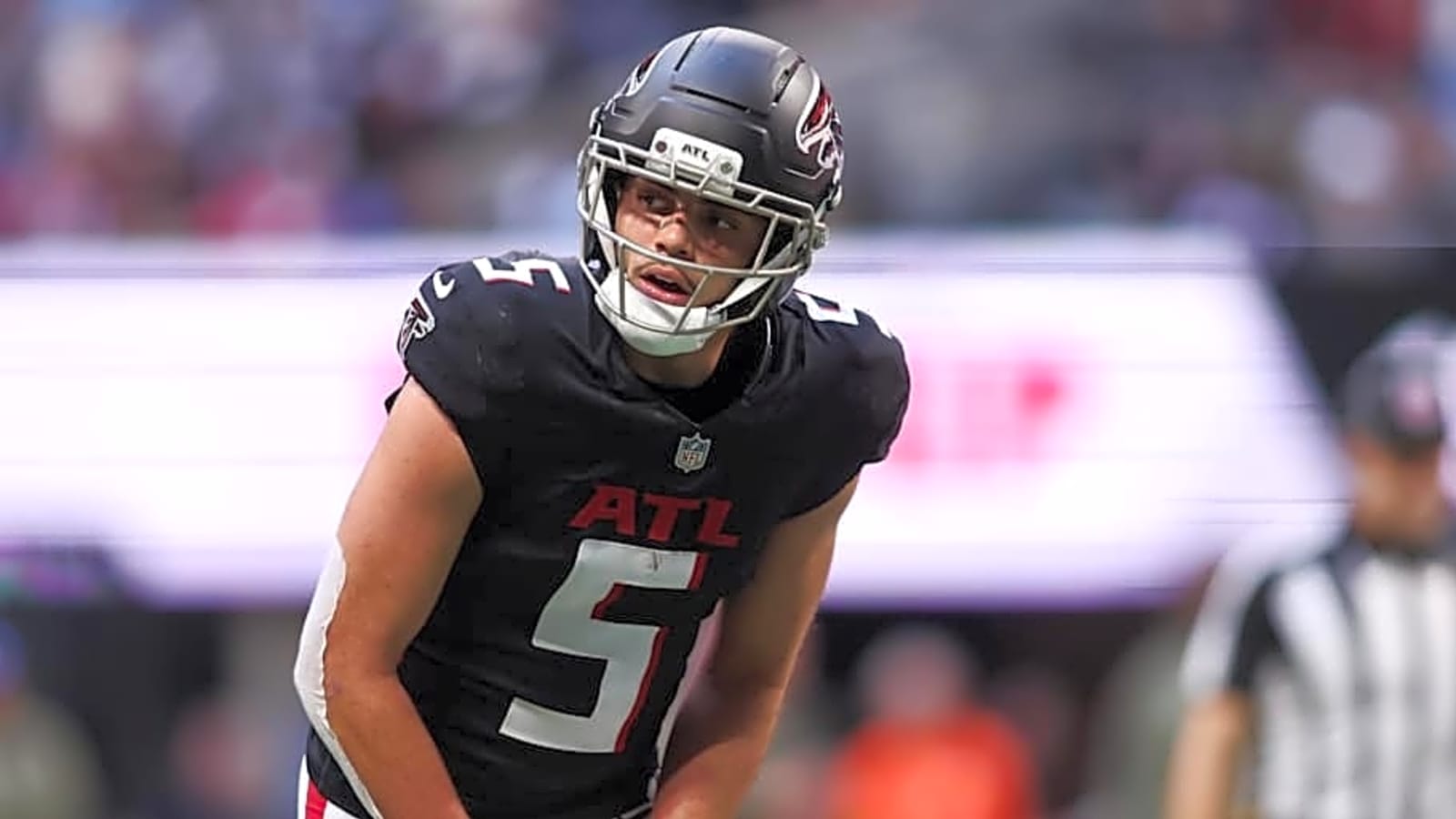


Falcons Offensive Depth Tested: Drake London's Absence Reveals Critical Receiver Challenges
- Injury crisis exposes vulnerabilities in Atlanta's passing game strategy












Overview
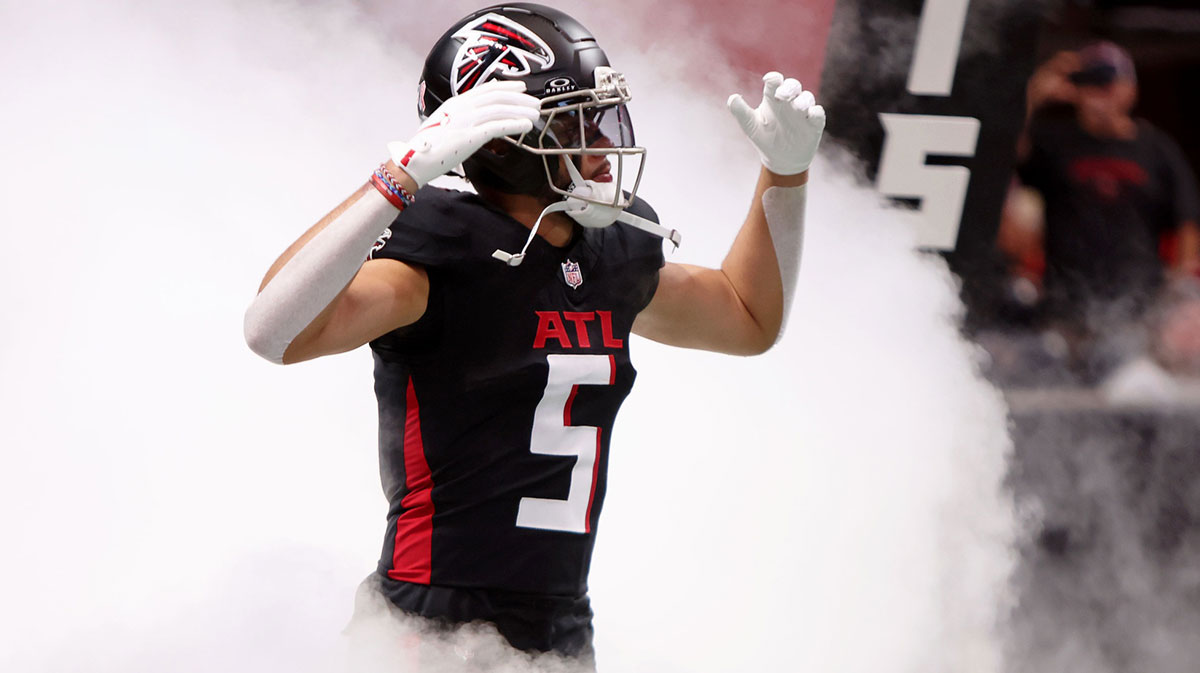
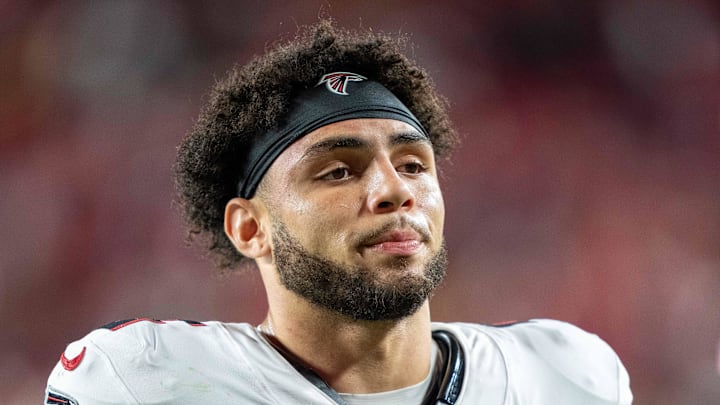
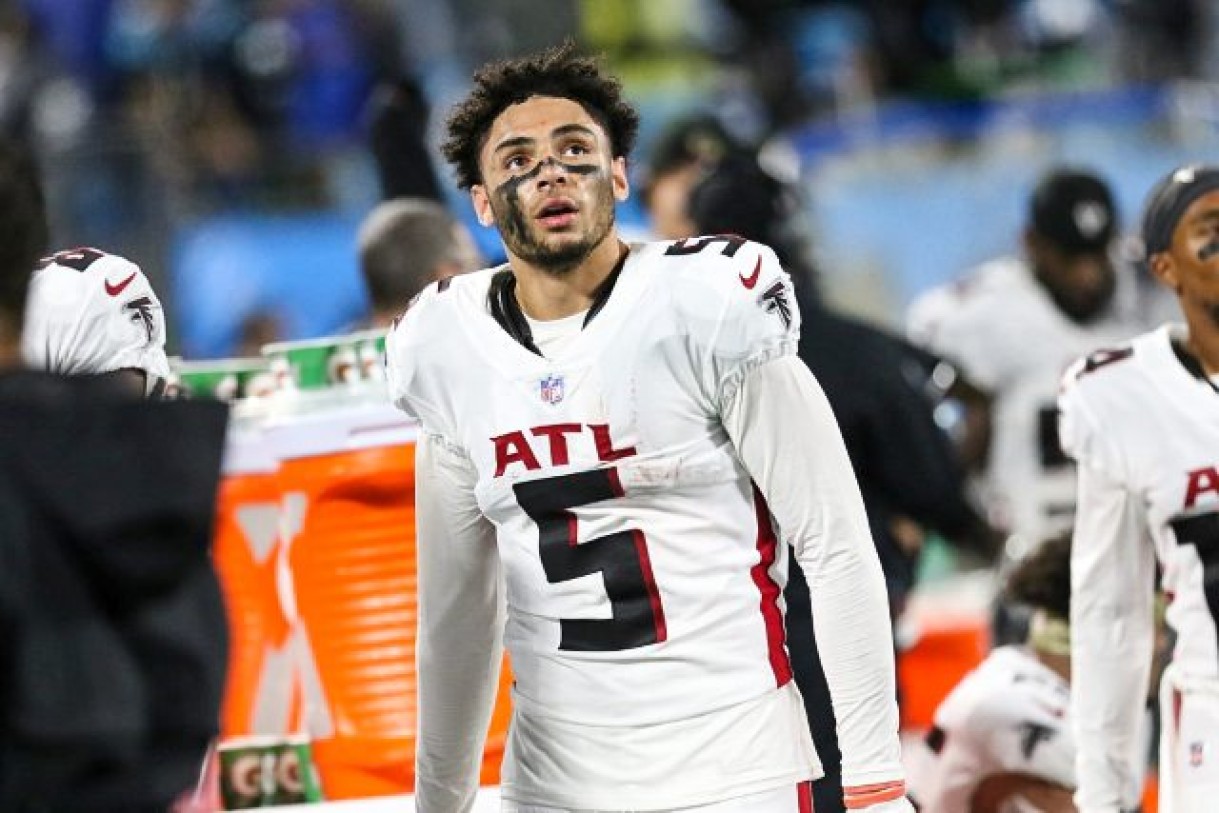
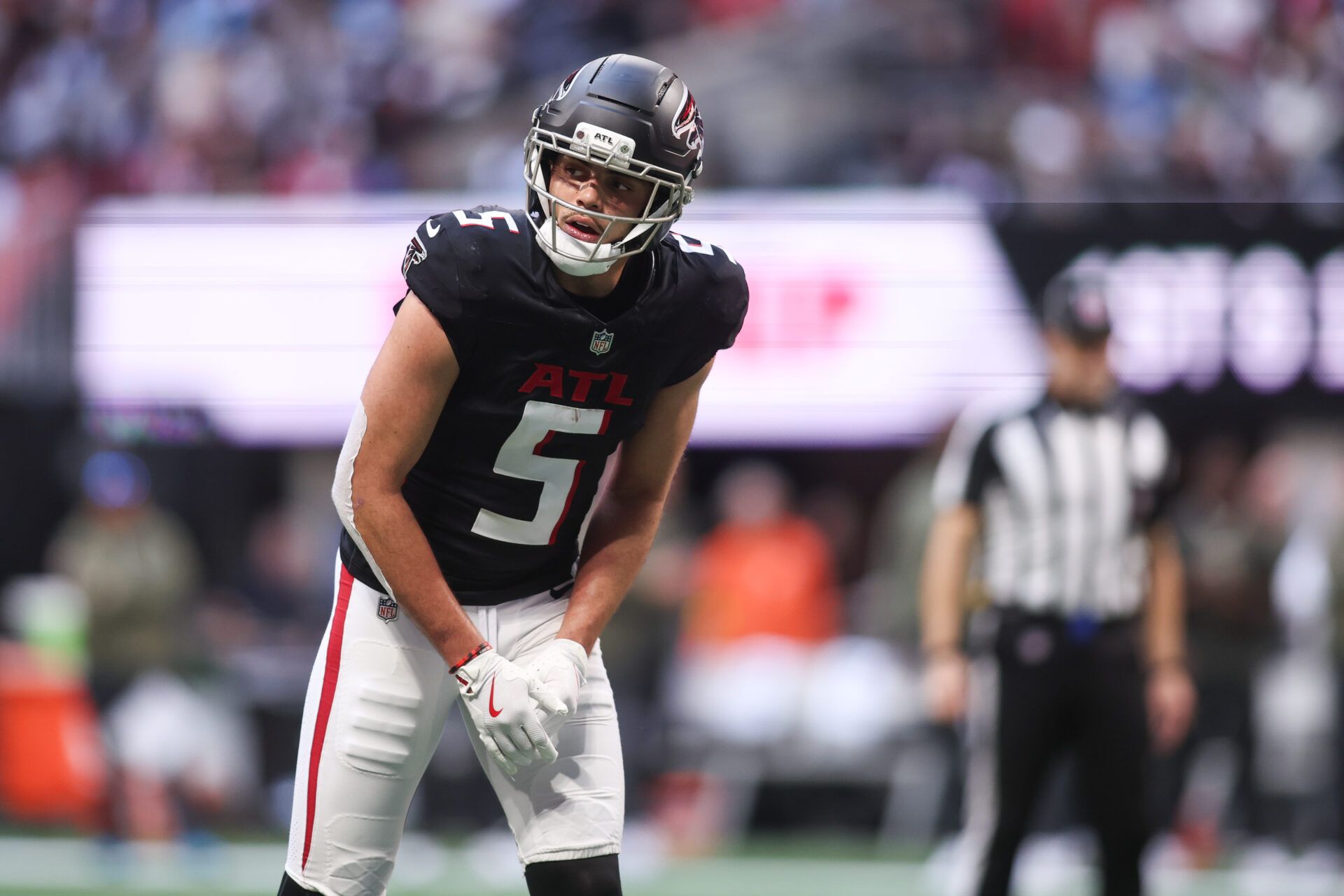
The Atlanta Falcons are facing a critical juncture in their offensive strategy as wide receiver Drake London continues to be sidelined with a PCL knee sprain, highlighting the team's fragile receiving corps. Despite London's impressive season stats—60 receptions, 810 yards, and 6 touchdowns in just nine games—his absence has exposed significant depth challenges for the team.
Receiver Depth Crisis: London's injury has created a cascading problem for the Falcons' offensive game plan. With his 13.5 yards per catch representing the highest mark of his career and averaging 90 yards per game before the injury, his absence leaves a massive void. The potential replacement, Darnell Mooney, has been underwhelming, ranking 53rd in fantasy points and managing only three catches for 31 yards in recent weeks.
The situation is further complicated by the Tampa Bay Buccaneers matchup, which paradoxically presents a favorable defensive scenario. Tampa Bay ranks 27th in pass defense and 13th in fantasy points allowed to receivers, yet the Falcons seem ill-equipped to capitalize on this opportunity. The potential return of Kyle Pitts, who is currently questionable with a knee injury, adds another layer of uncertainty to the offensive strategy.
Strategic Implications: The Falcons are essentially operating with a compromised offensive weapon set. The injury report reveals a broader challenge—with multiple key players like Brandon Dorlus, Jalon Walker, and David Onyemata also dealing with injuries, the team must rapidly adapt its game plan. The lone bright spot is A.J. Terrell, who is expected to play despite a neck injury, providing some defensive stability.
This injury scenario underscores a critical vulnerability in the Falcons' roster construction. The team's over-reliance on London's performance has been brutally exposed, forcing a reevaluation of their receiver depth and offensive strategy. Moving forward, the Falcons must develop more robust backup plans and invest in developing alternative offensive threats to prevent such strategic paralysis when key players are unavailable.
Questions 3
Who might step up in Drake London's absence?
Darnell Mooney was considered a potential replacement, but his recent performance has been disappointing, ranking 53rd in fantasy points with only three catches for 31 yards. Kyle Pitts' potential return might help redistribute targets, but his questionable status adds uncertainty.
How significant is Drake London's injury to the Falcons' offensive performance?
Drake London's injury is critically impactful. He was the Falcons' leading receiver with 810 yards and 6 touchdowns in just nine games, averaging 90 yards per game. His absence leaves a substantial void in the team's passing strategy and exposes their lack of receiver depth.