



Ukraine's Diplomatic Chess: Navigating US Peace Proposals and Russian Territorial Ambitions
- A high-stakes geopolitical negotiation revealing the complex power dynamics between Ukraine, US, and Russia



















&format=webp&quality=medium)




Overview
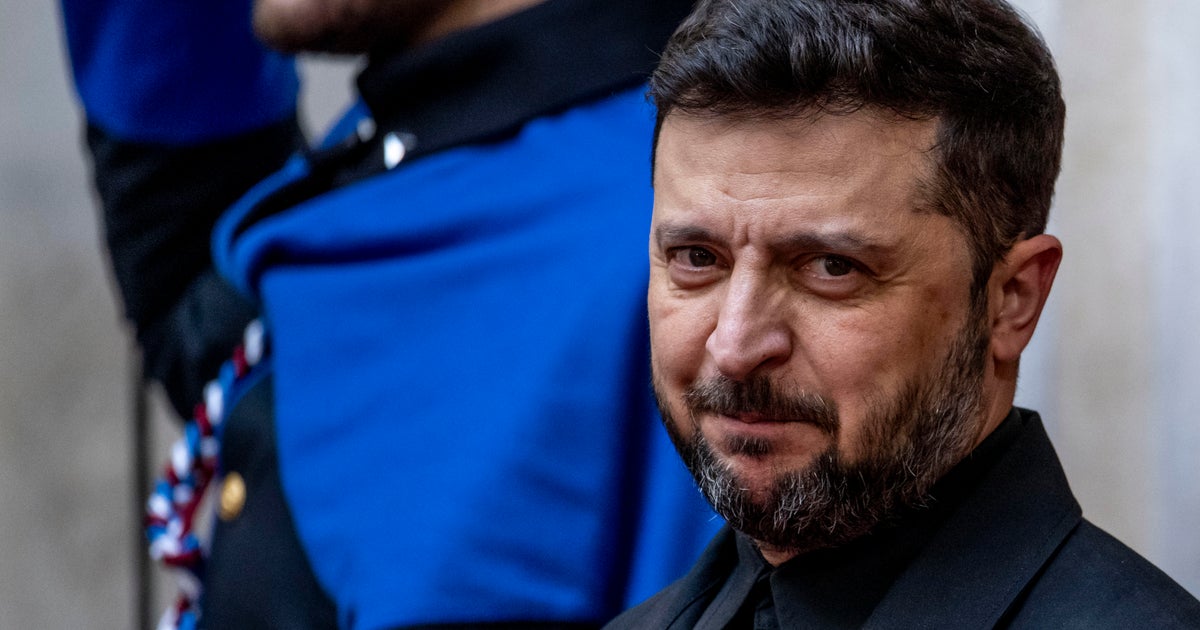
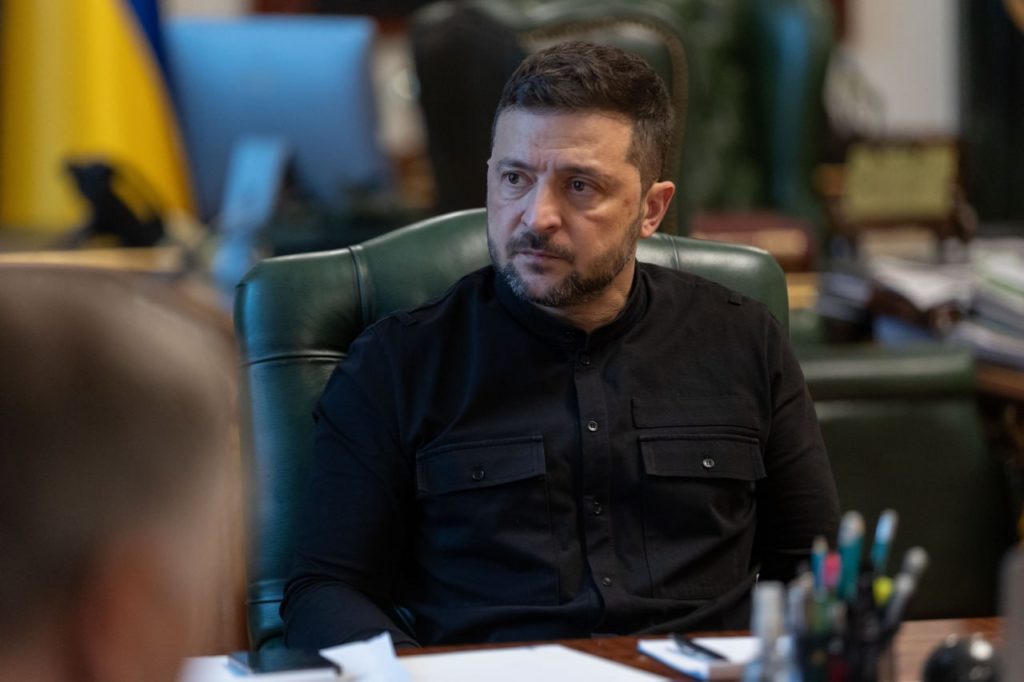
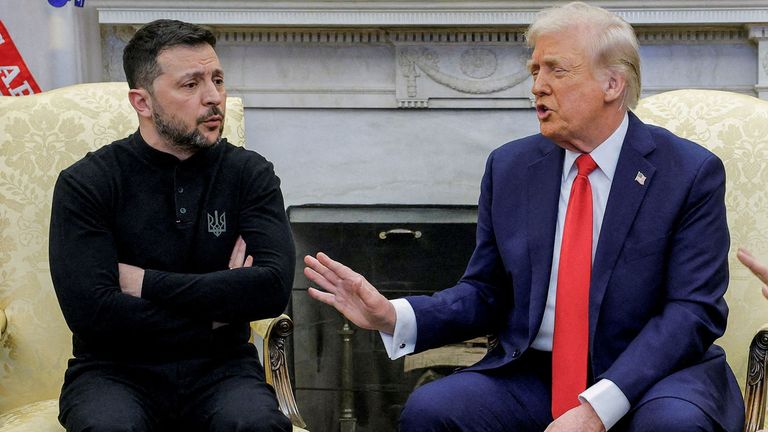
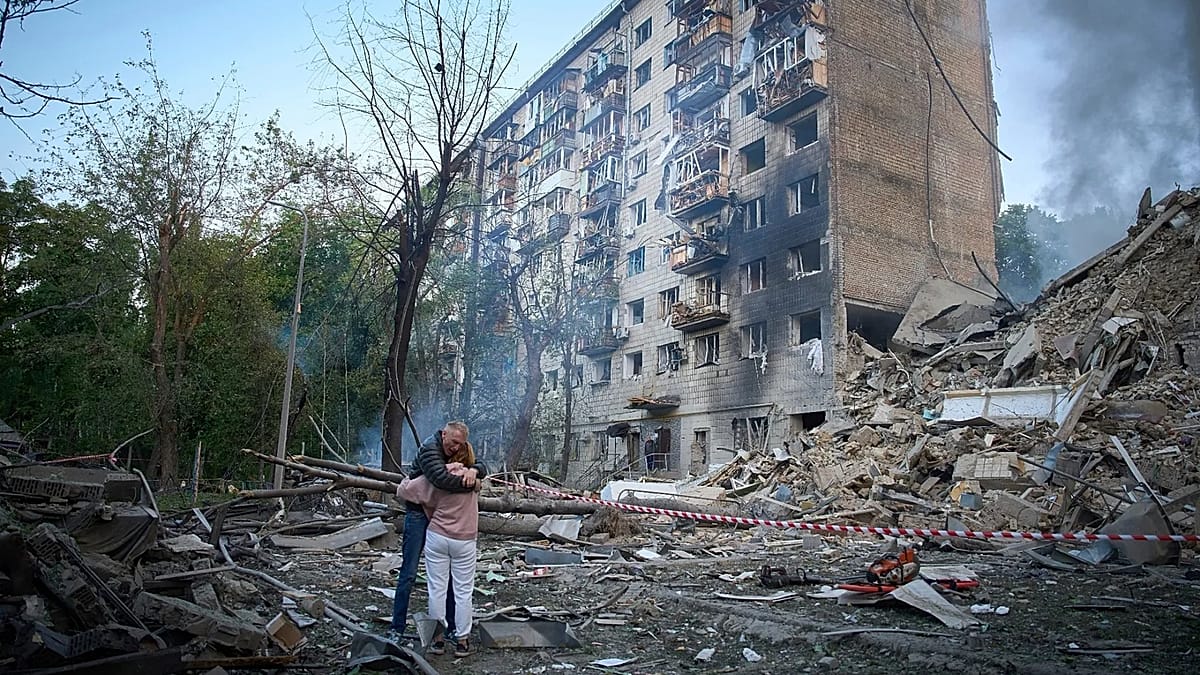
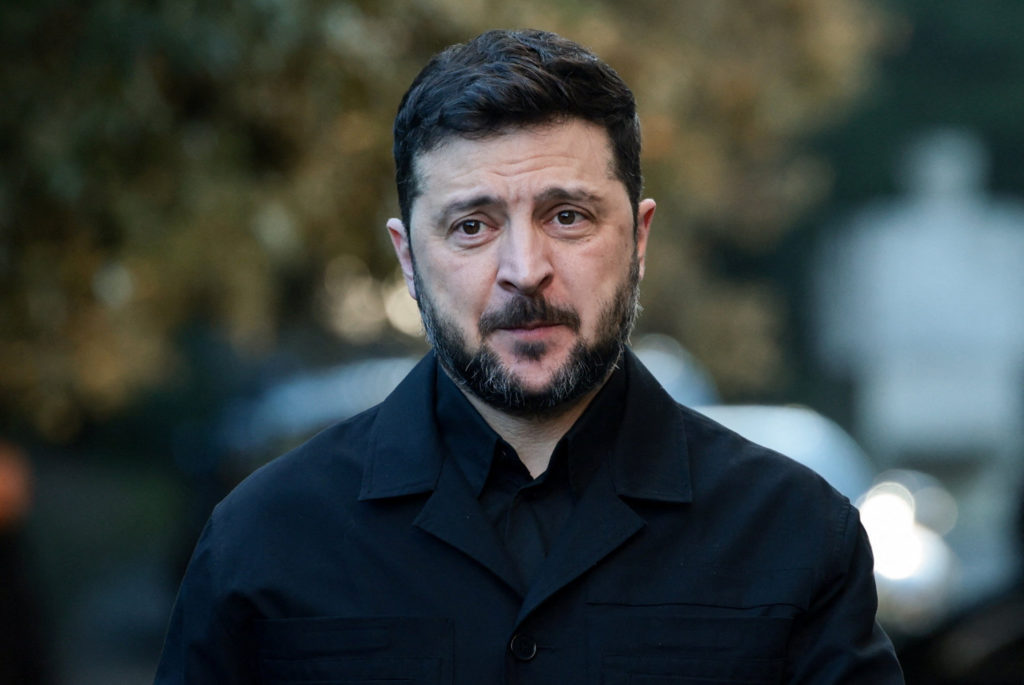
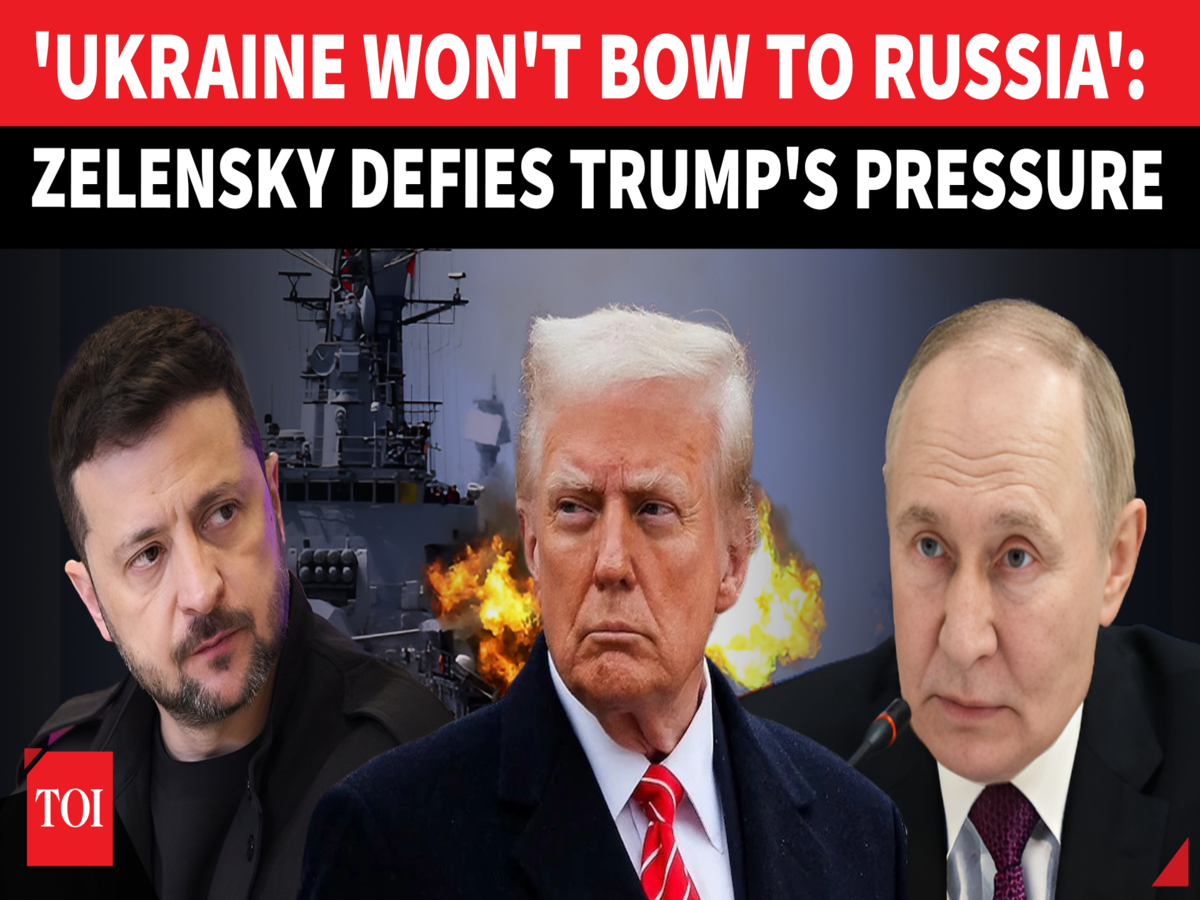
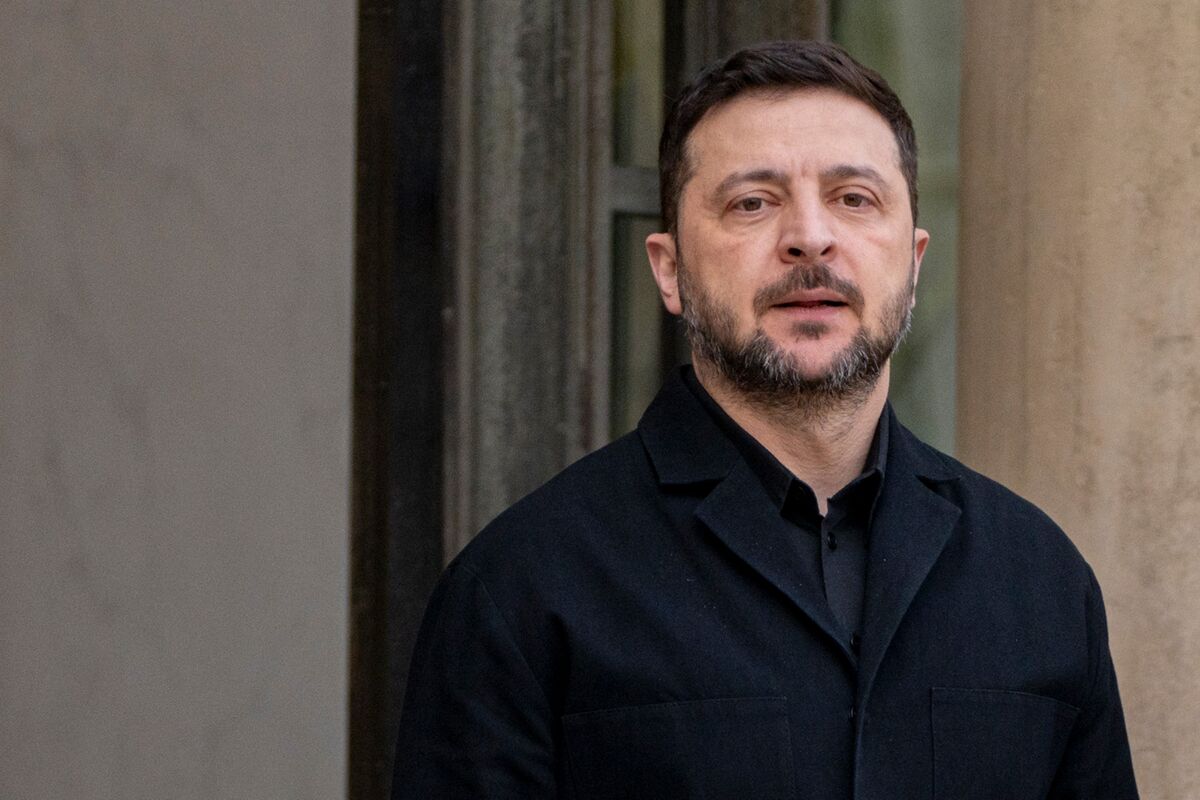
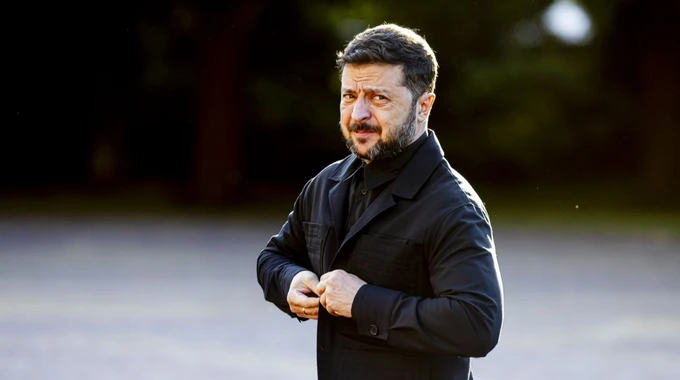
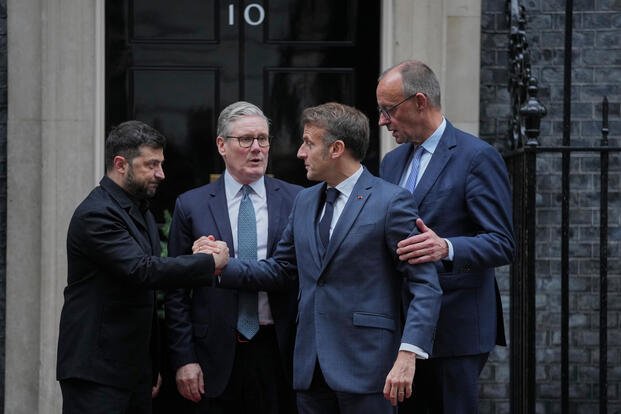
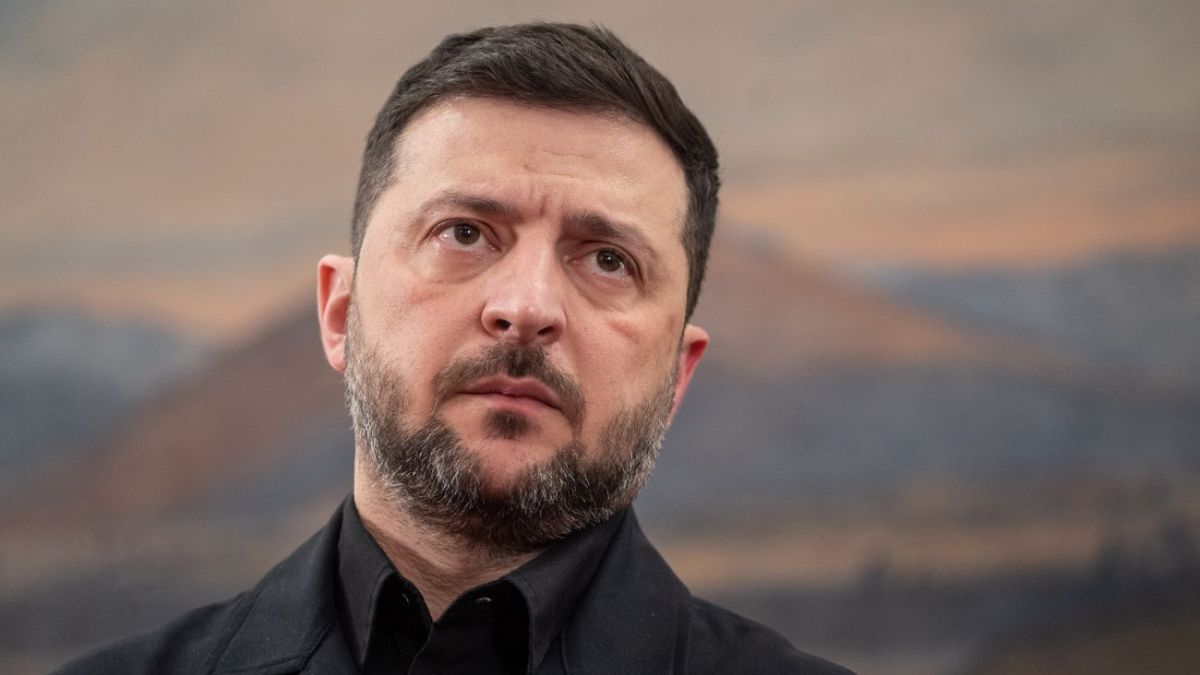
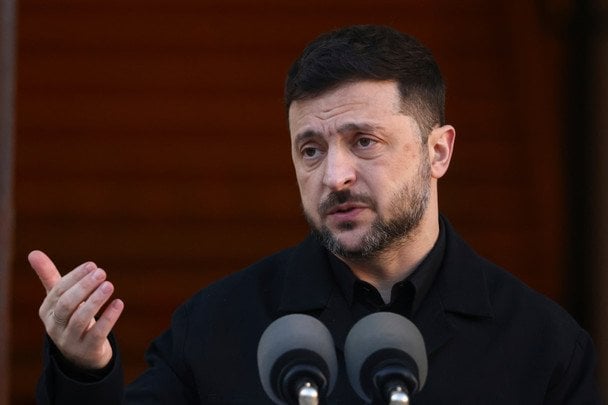
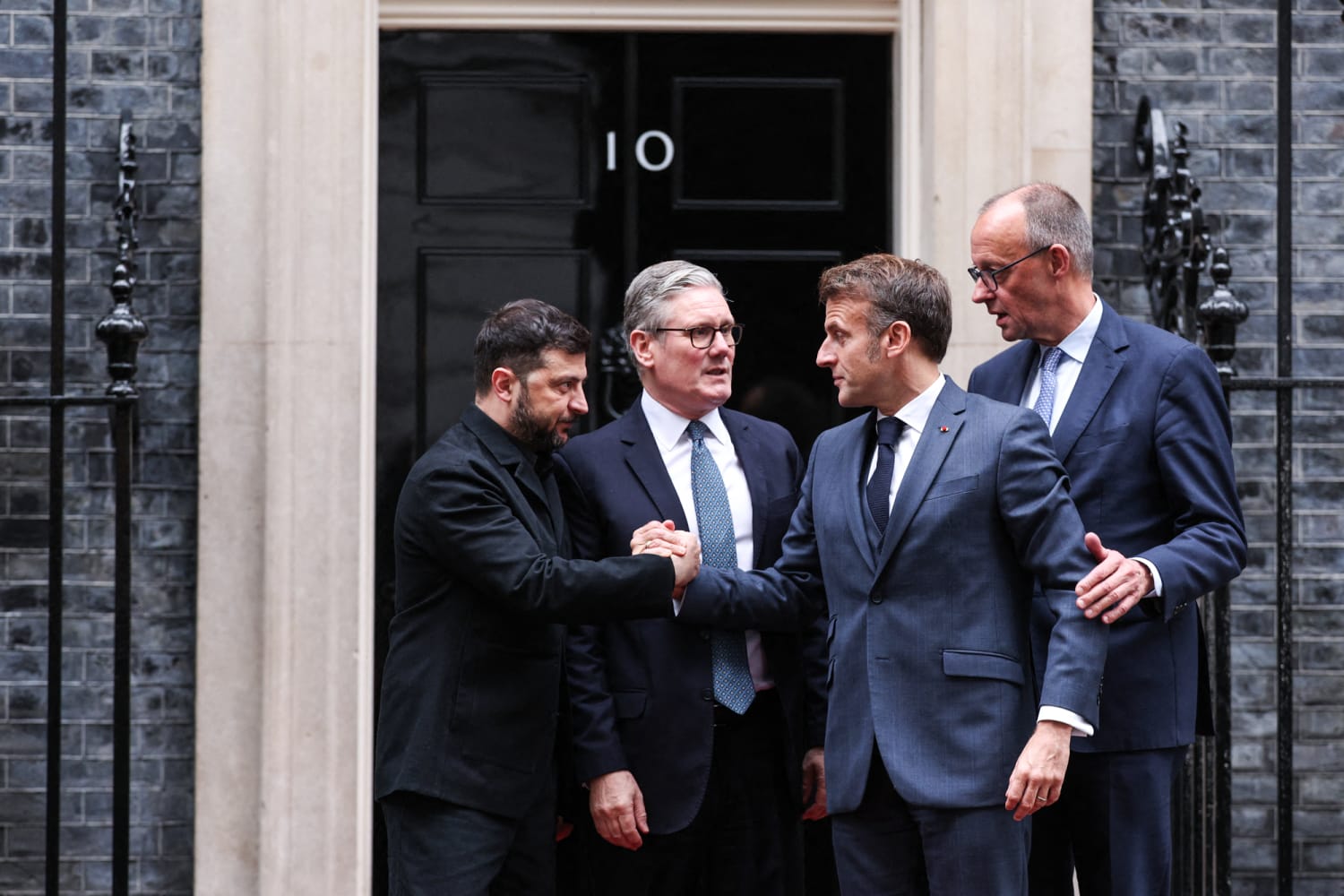
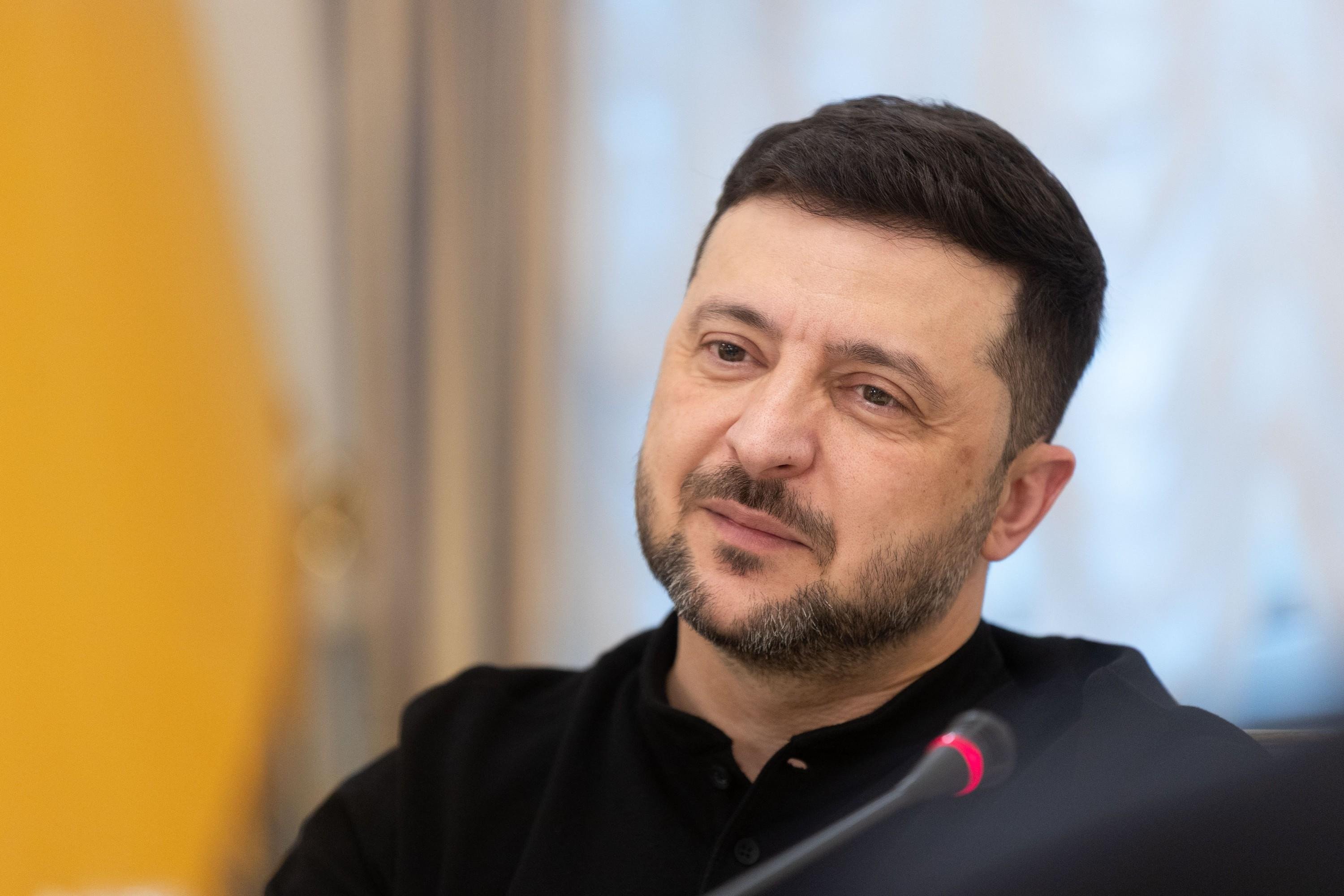
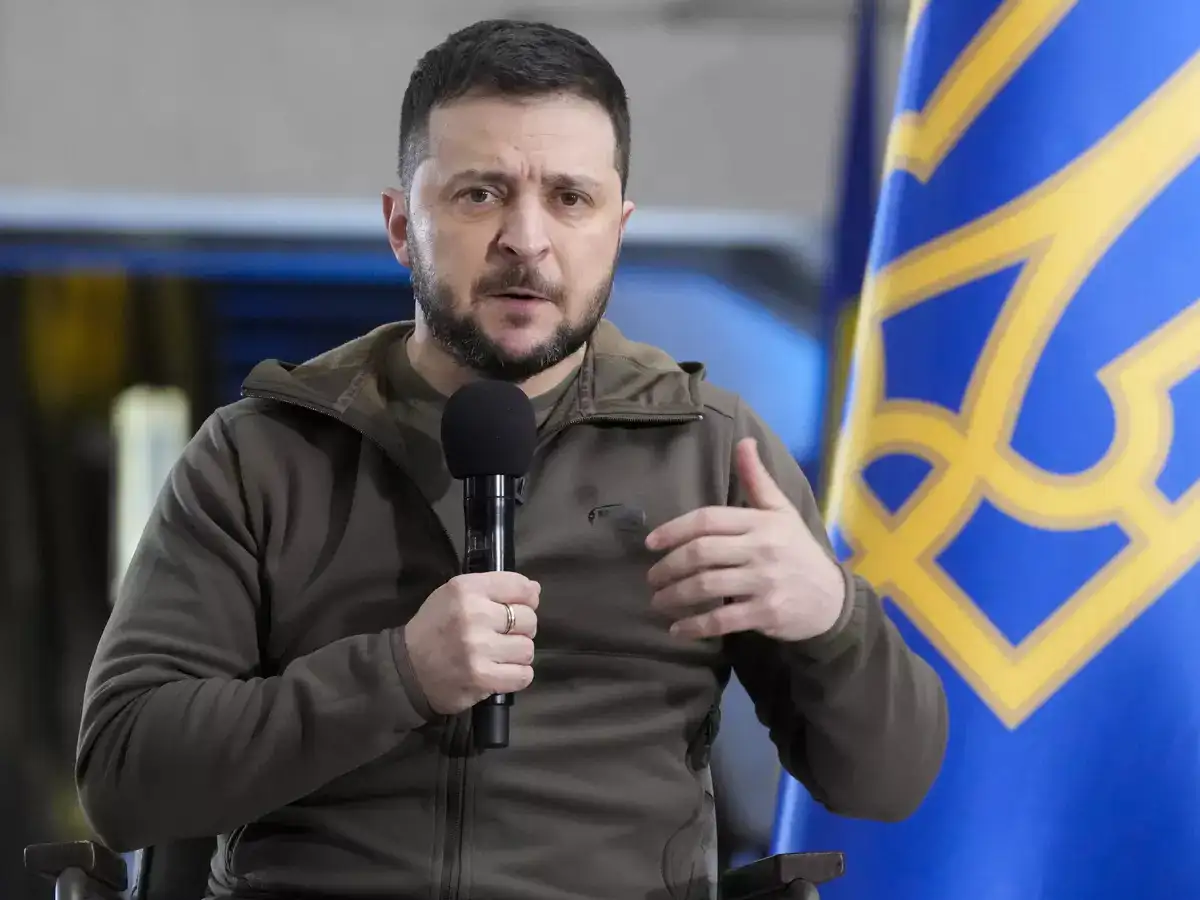
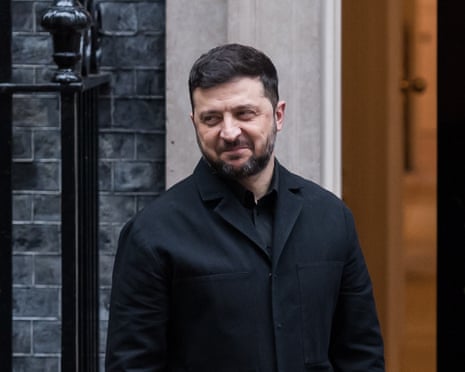
The ongoing Ukraine-Russia conflict has entered a critical diplomatic phase, characterized by intricate negotiations that reveal the delicate balance of geopolitical power. President Zelenskyy's strategic maneuvering demonstrates a nuanced approach to territorial disputes, using the potential of a Donbas referendum as a sophisticated diplomatic instrument.
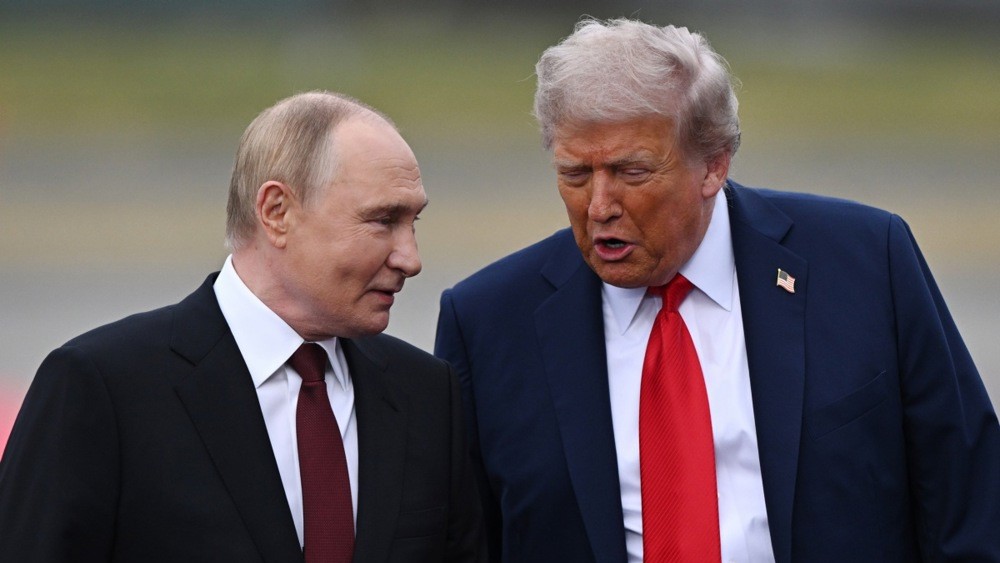
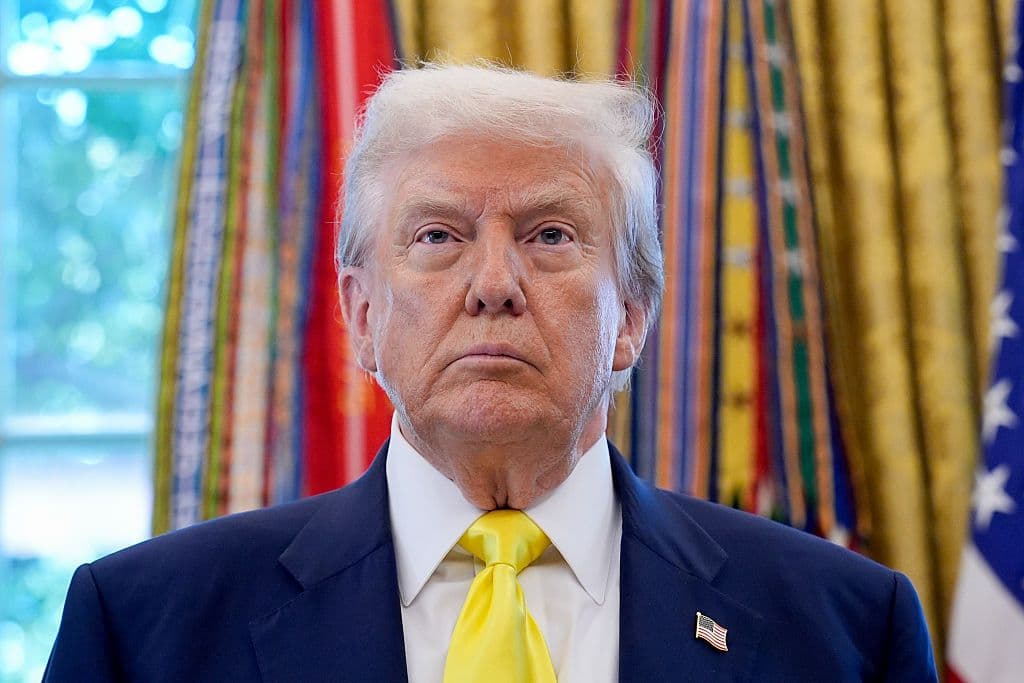
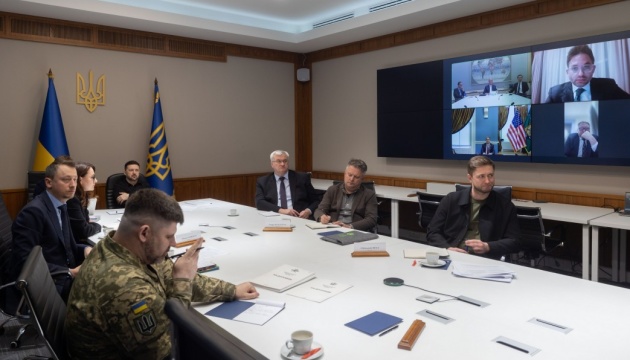
The emerging peace framework represents a complex multilateral chess game, with the United States proposing a free economic zone in the Donbas region that would require significant Ukrainian territorial concessions. This proposal highlights the intricate diplomatic pressures facing Ukraine, where maintaining sovereignty must be balanced against the pragmatic need for conflict resolution.
Key strategic indicators suggest a profound shift in negotiation dynamics. The US-proposed plan, initially a 28-point draft condensed to 20 points, includes critical provisions like creating a demilitarized zone, offering NATO-like security guarantees, and proposing EU membership for Ukraine by 2027. Notably, the draft removes previous language barring NATO membership, signaling a potential recalibration of geopolitical alignments.
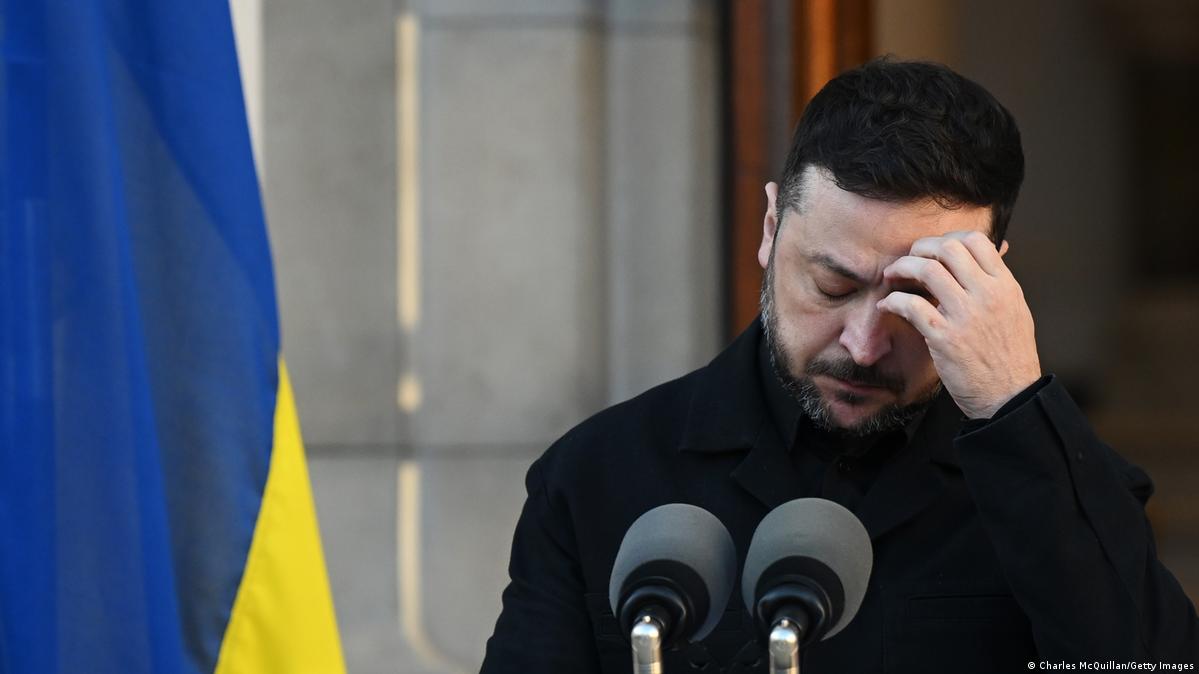
Zelenskyy's skepticism about the proposed peace plan reveals the complex challenges of implementing such an agreement. His primary concerns revolve around security guarantees, given Ukraine's previous negative experience with the 1994 Budapest Memorandum. The president has consistently emphasized the need for robust safeguards that prevent potential Russian military re-engagement or infiltration.
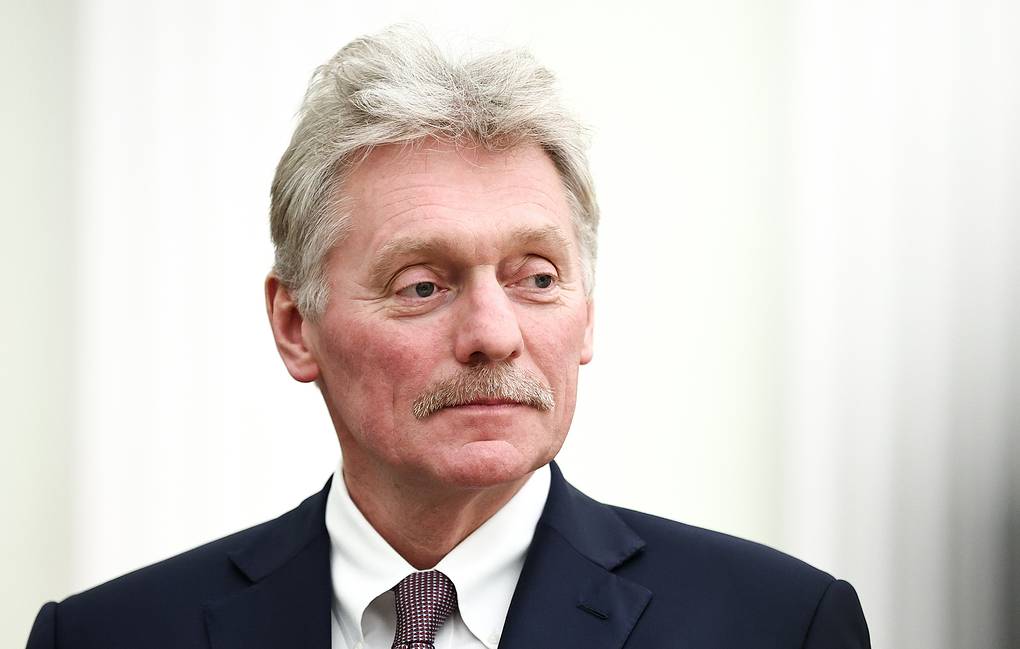
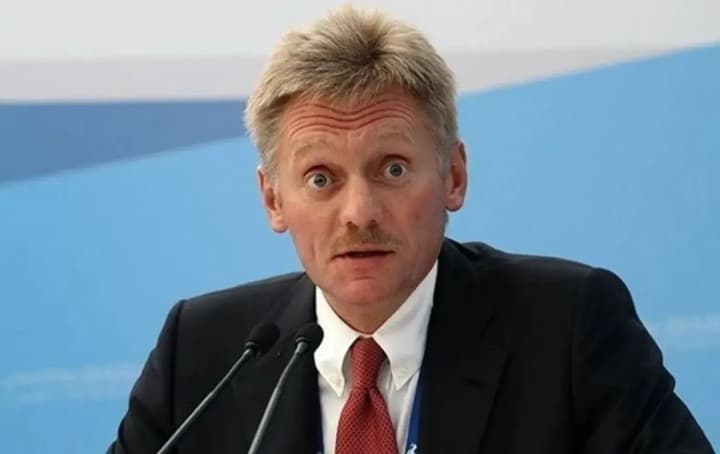
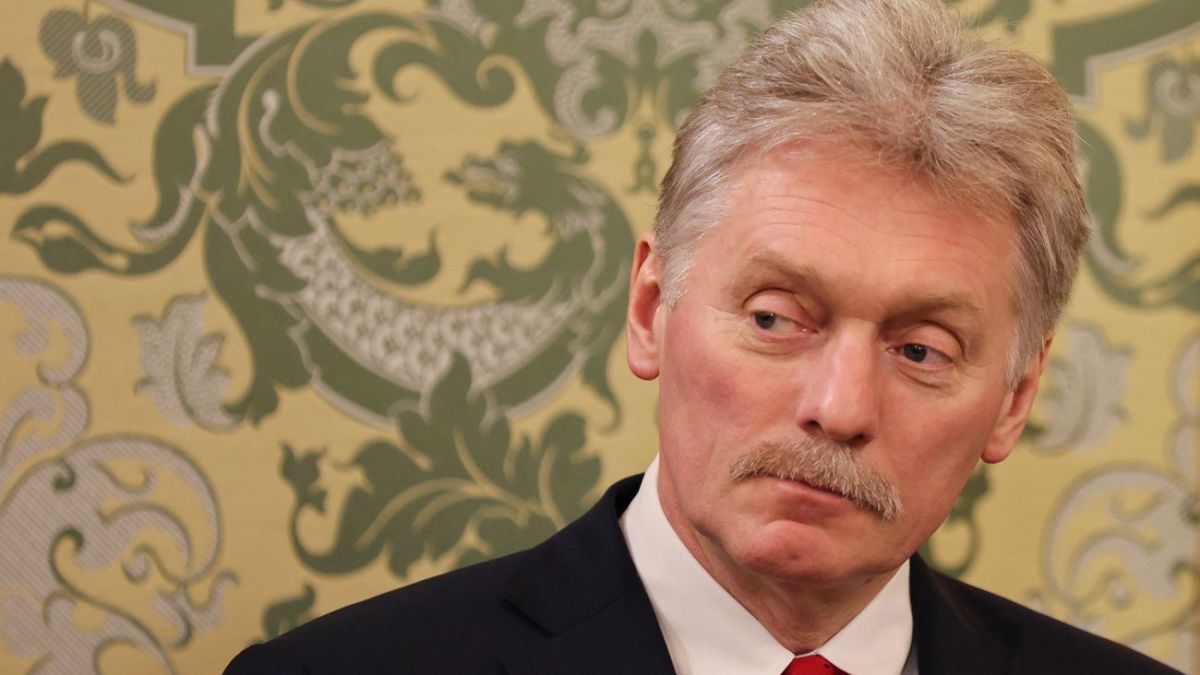
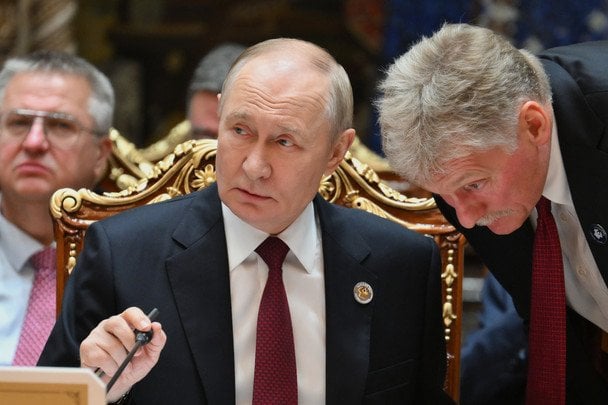
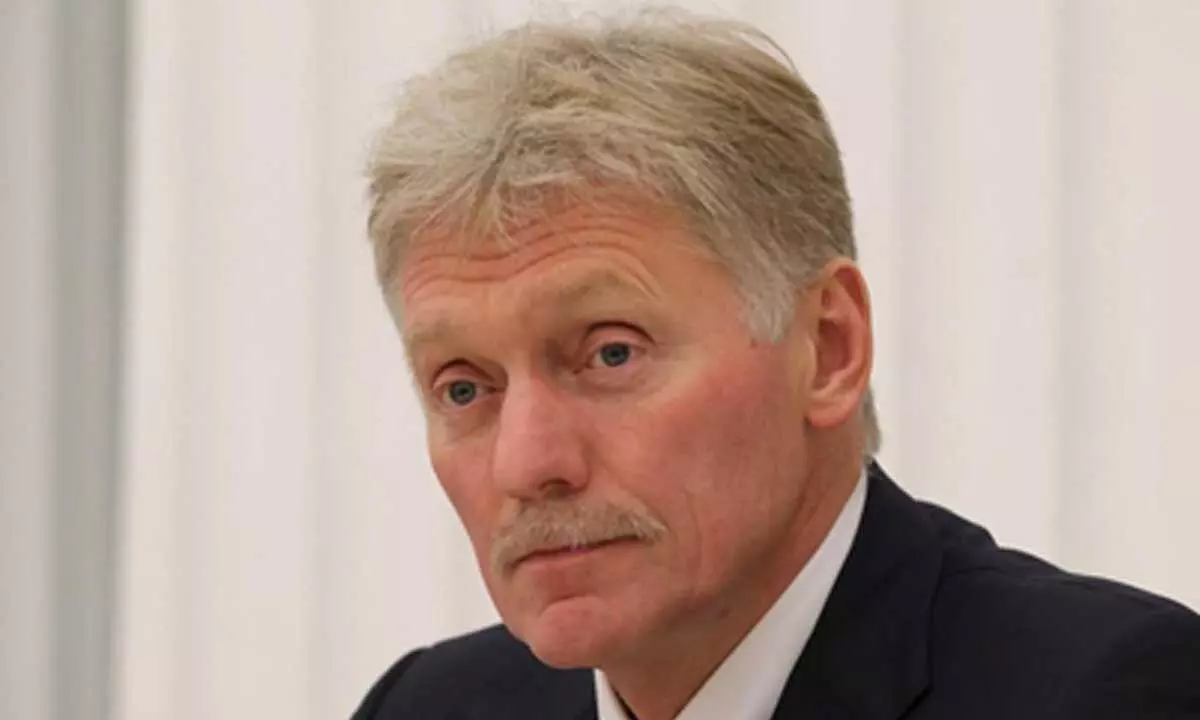
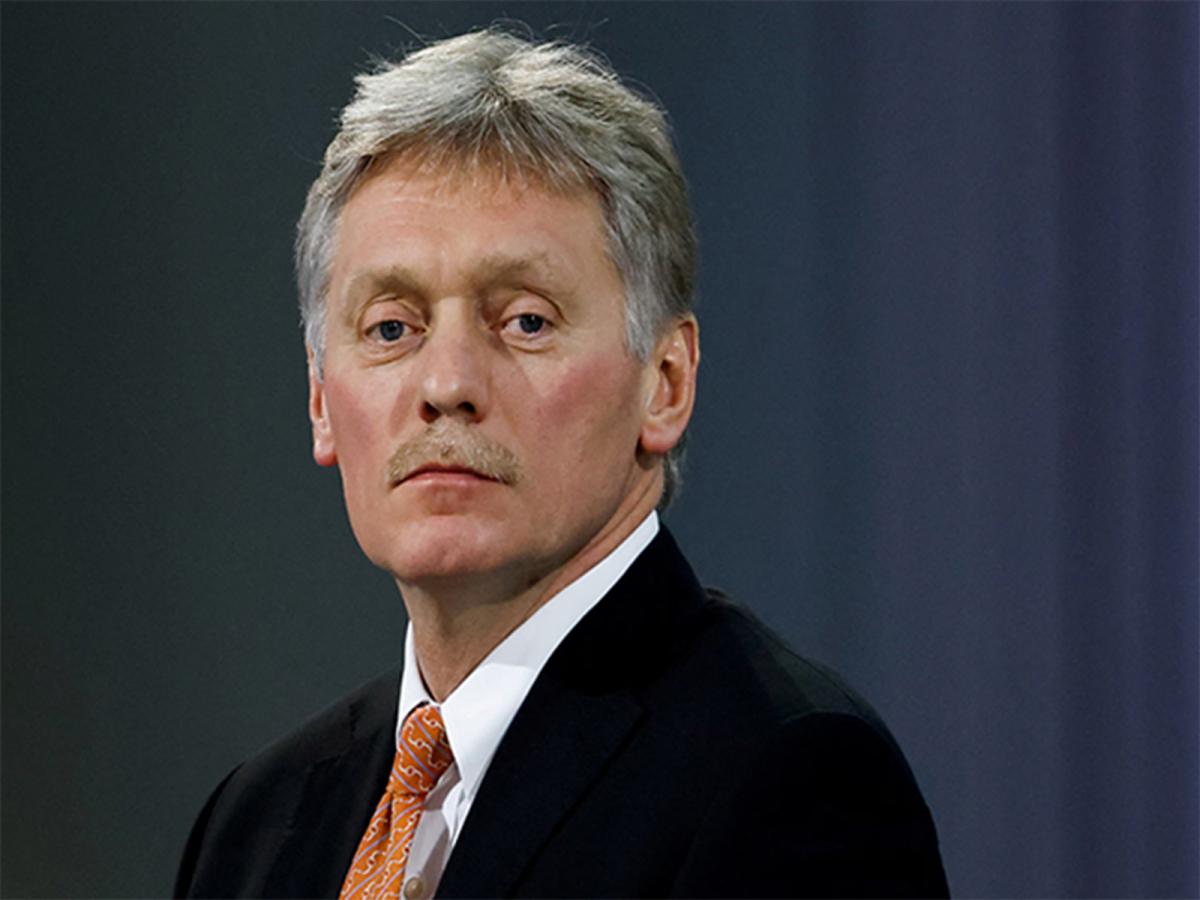
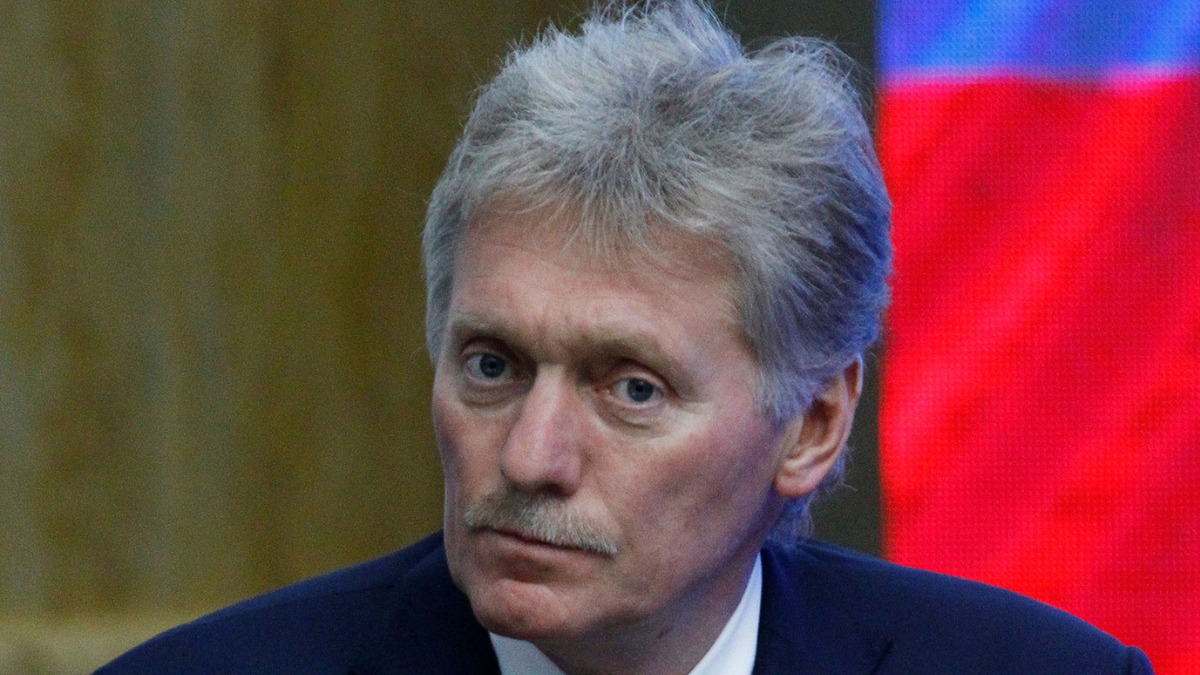
The Kremlin's simultaneous declaration of an "absolute priority for peace" adds another layer of complexity. Russian spokesperson Dmitry Peskov's emphasis on a "sustainable, guaranteed, long-term peace" appears to be a strategic repositioning, potentially aimed at mitigating international criticism while maintaining geopolitical influence.
This diplomatic landscape suggests a critical inflection point where territorial integrity, international support, and pragmatic compromise intersect. The negotiations are not merely about resolving a regional conflict but about reshaping the broader geopolitical architecture of Eastern Europe.
Questions 3
What strategic motivations might Russia have in declaring an 'absolute priority for peace'?
Russia's peace declaration appears to be a strategic diplomatic maneuver aimed at reshaping international perceptions. By emphasizing 'sustainable peace' and minority rights, Russia potentially seeks to mitigate international criticism, maintain geopolitical influence, and create more favorable negotiation conditions while avoiding direct military confrontation.
How might the proposed free economic zone impact Ukraine's territorial integrity?
The free economic zone represents a complex compromise that could potentially compromise Ukraine's territorial control. While offering economic opportunities, it requires Ukrainian troop withdrawals and creates a neutral zone that could be vulnerable to Russian influence. Zelenskyy is pushing for clear mechanisms to protect Ukraine's sovereignty during this process.