



Diplomatic Chess: Ukraine's Delicate Peace Negotiation Balancing Act
- Geopolitical Maneuvering Reveals Complex Negotiation Dynamics Amid US-European Tensions
















Overview
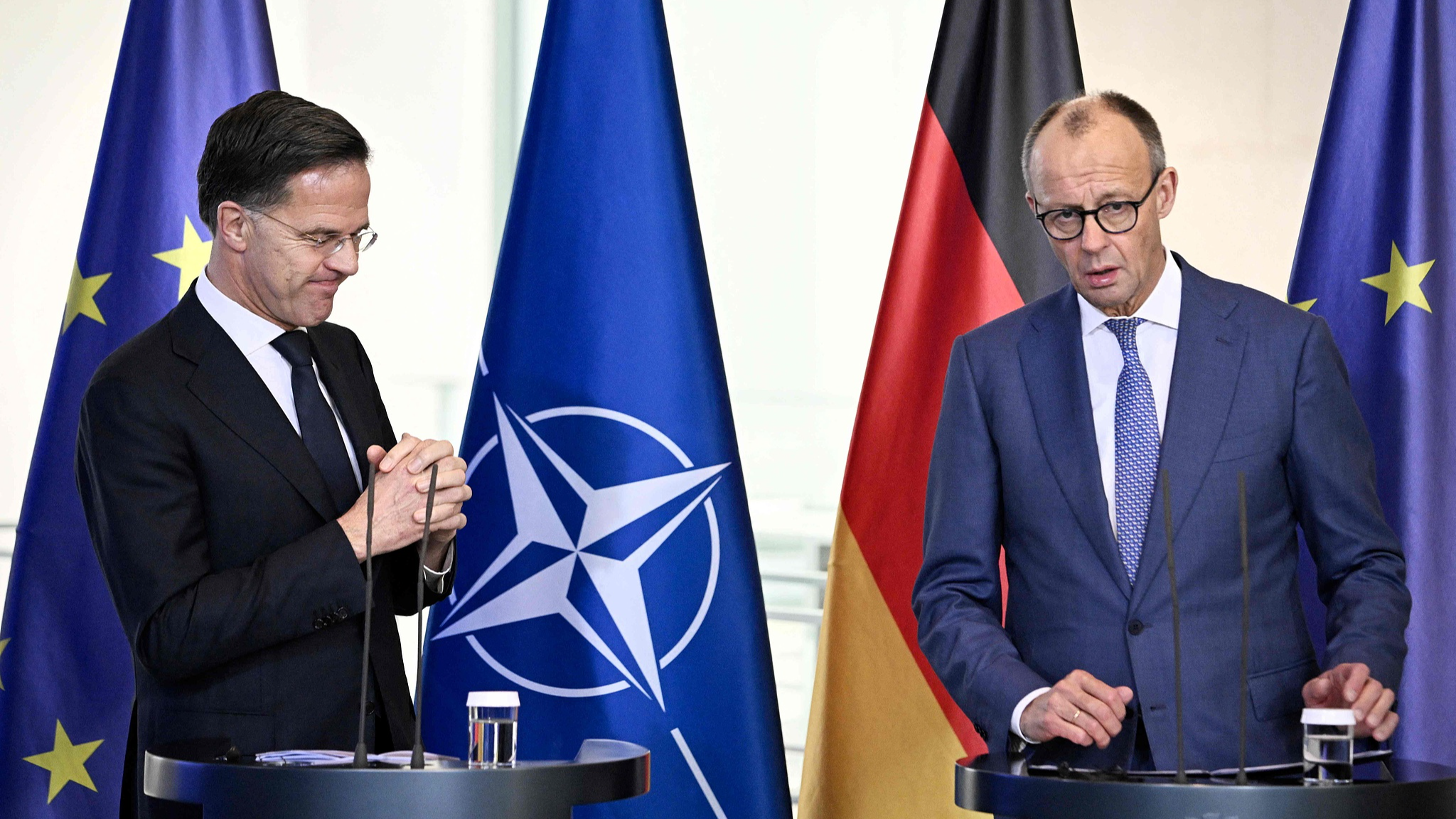
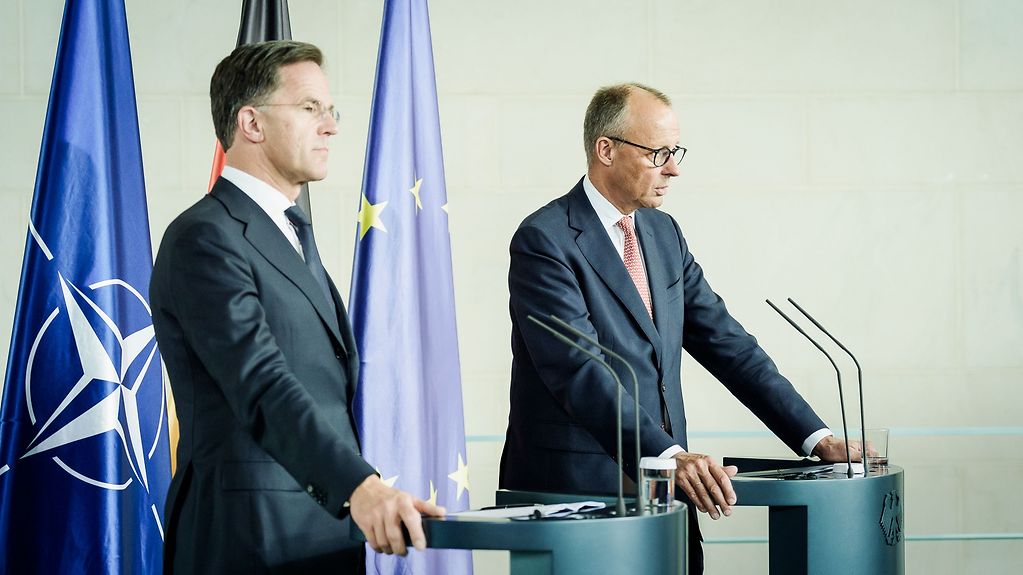
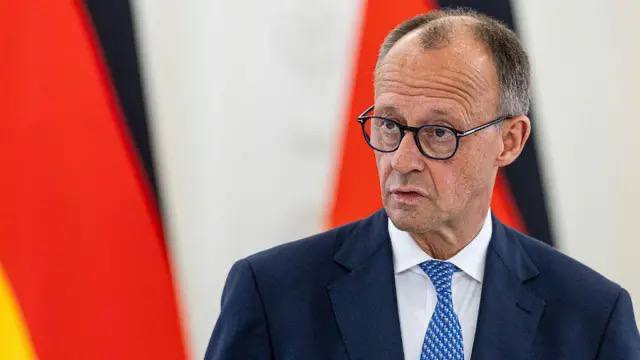
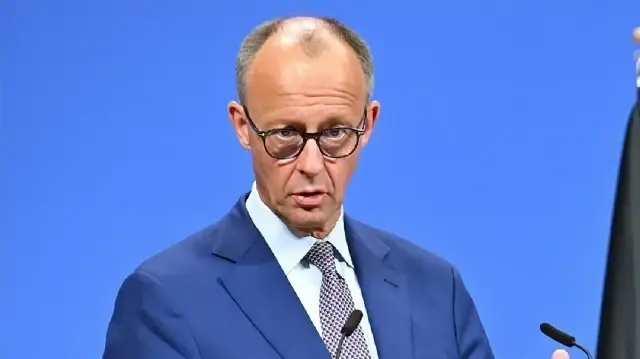
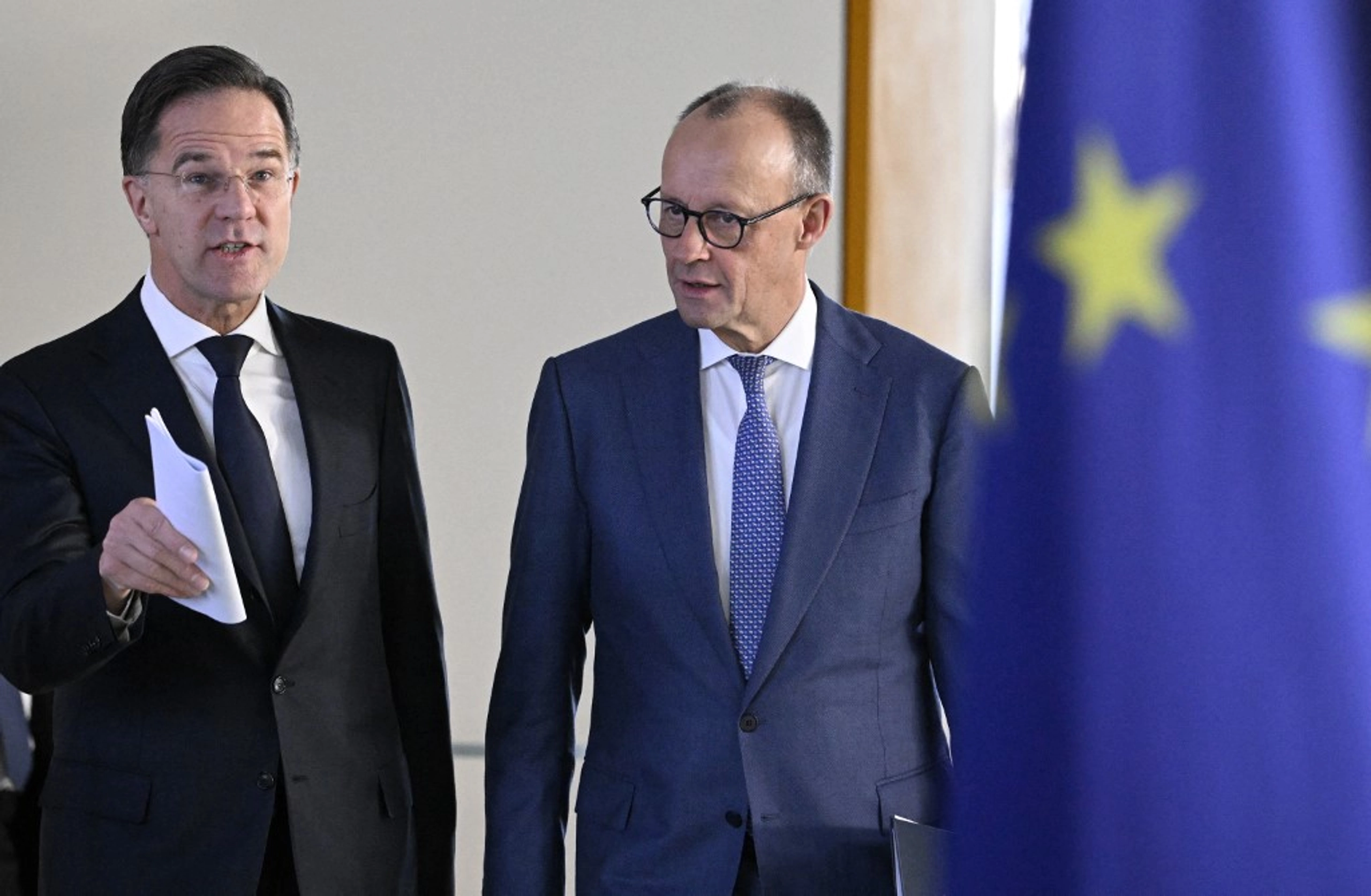
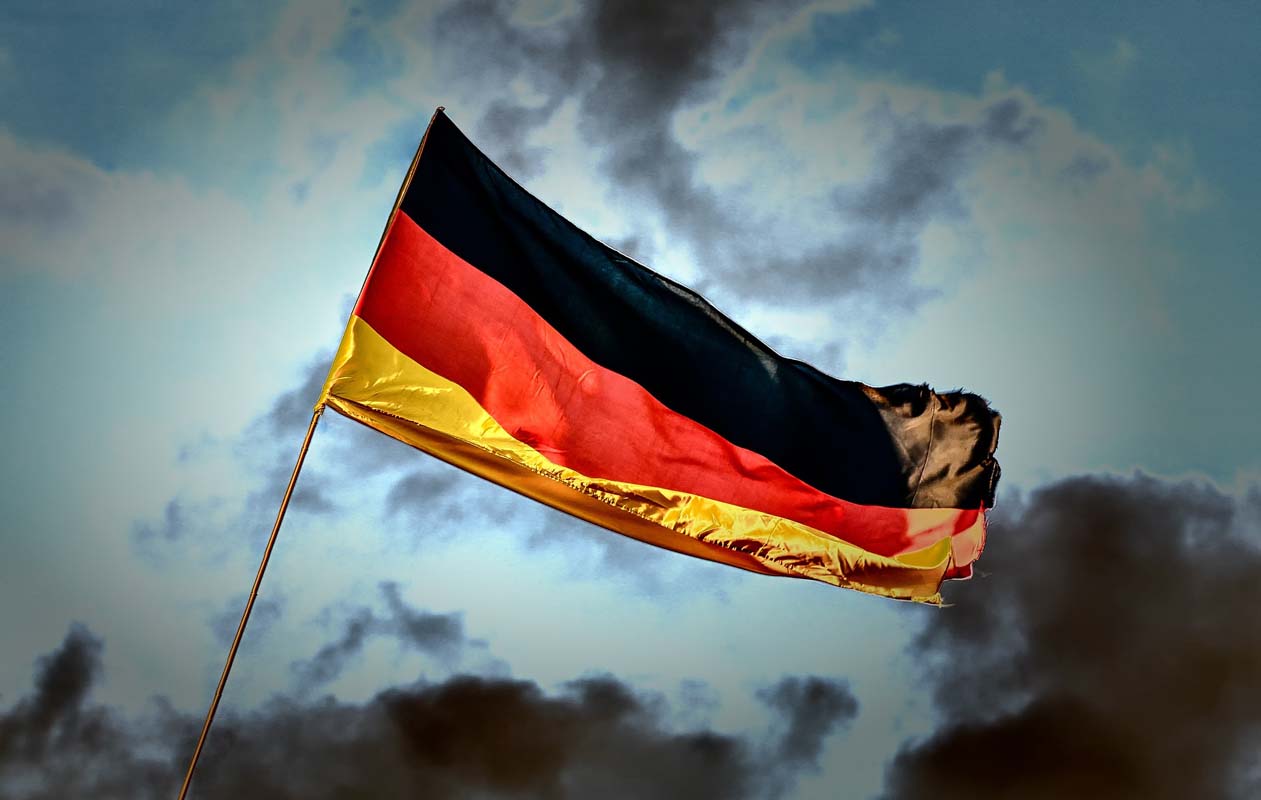
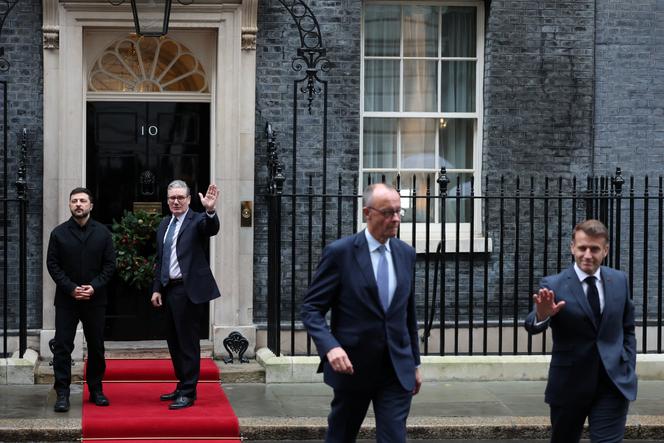
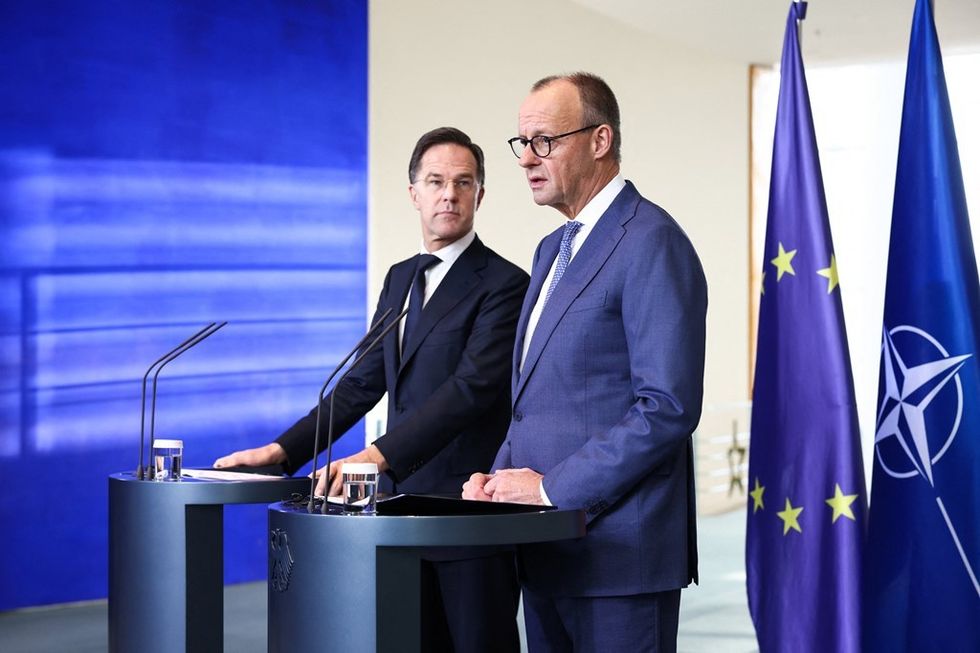
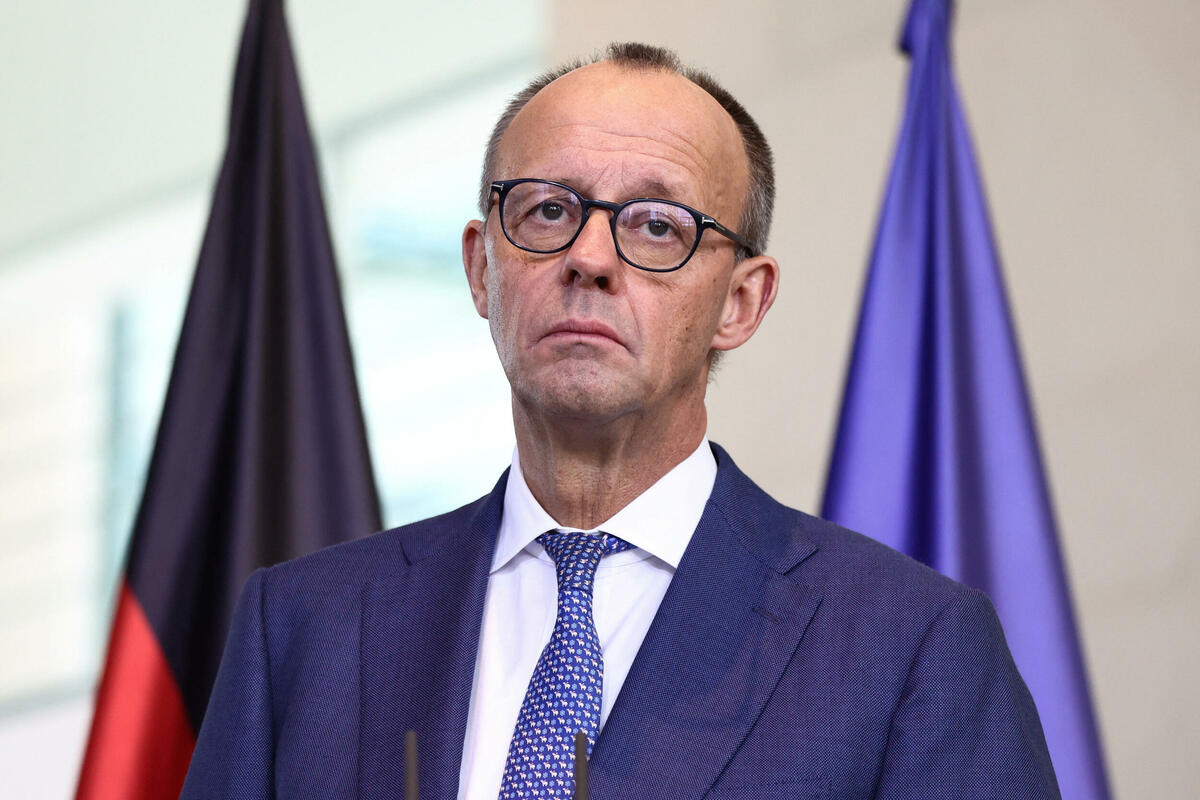
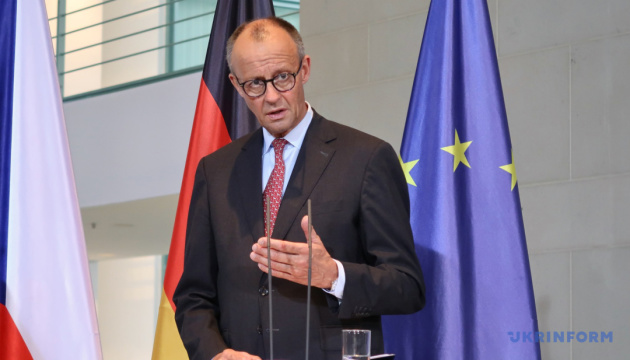
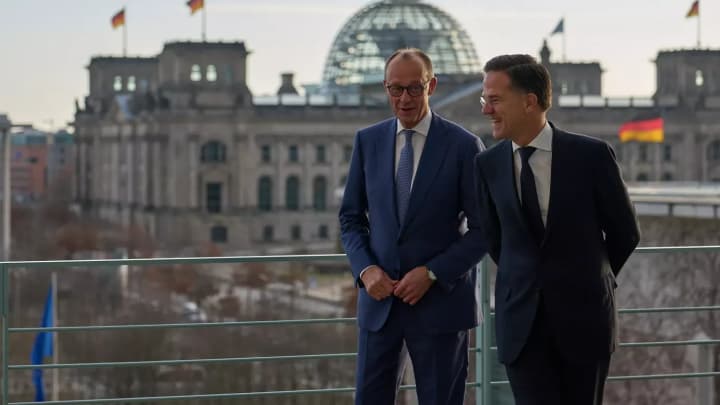
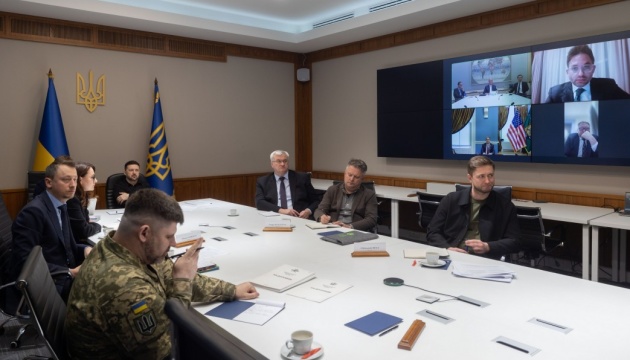
The emerging diplomatic landscape surrounding the Ukraine conflict represents a high-stakes geopolitical chess match with profound strategic implications. Germany's diplomatic initiative to bring the United States into peace negotiations signals a critical inflection point in resolving the ongoing conflict, revealing deep fractures in international alignment and negotiation approaches.
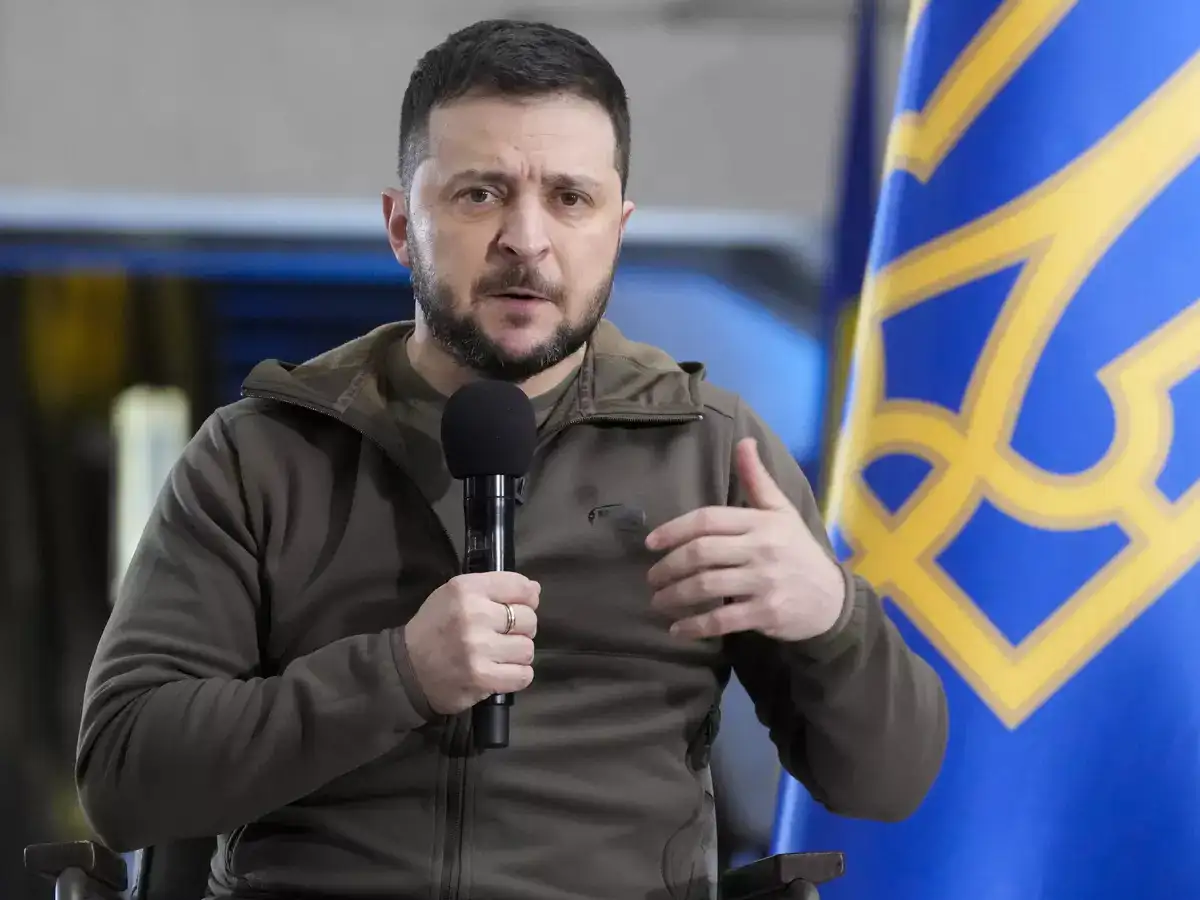
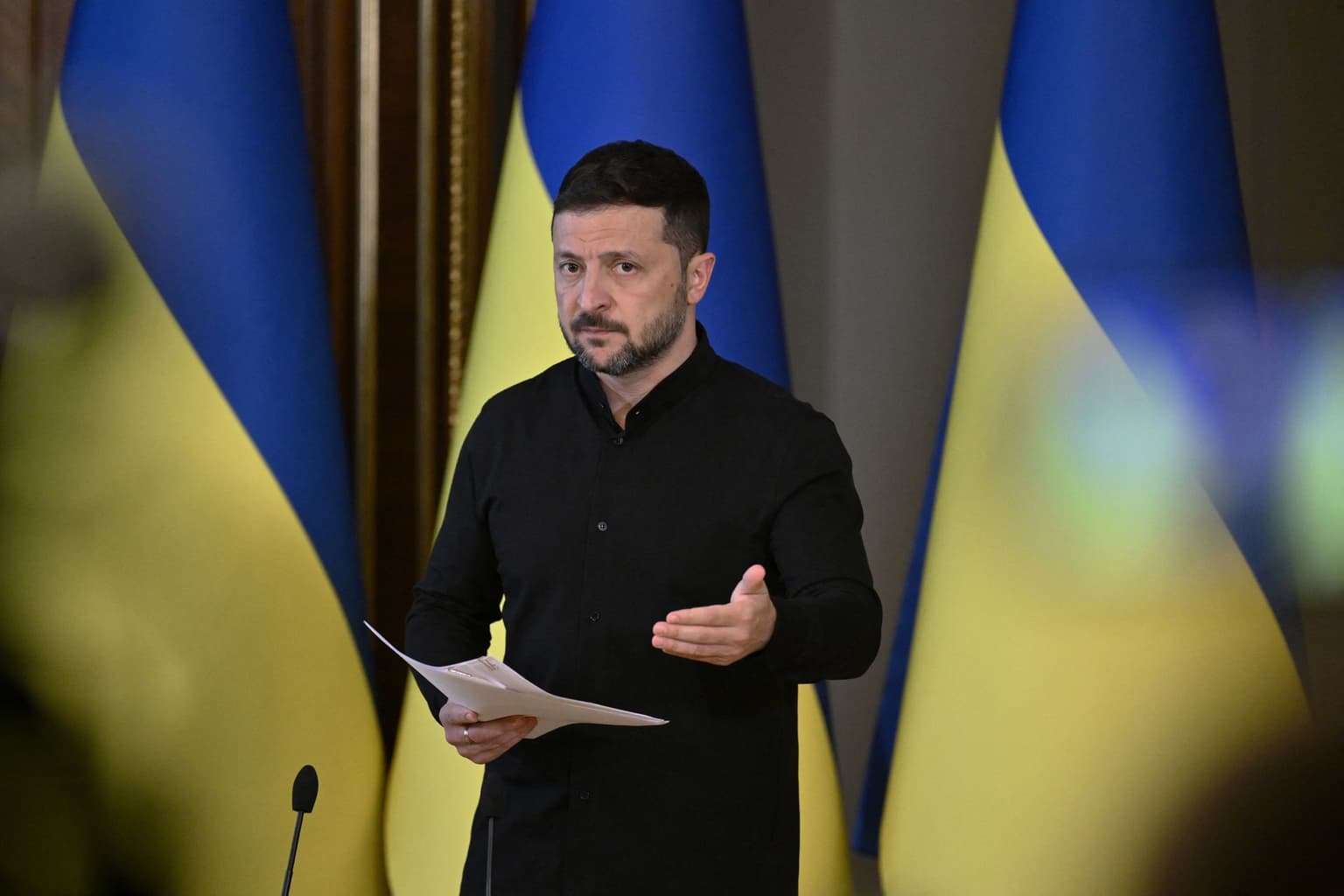
At the core of these negotiations lies a complex web of competing interests. President Zelensky's 20-point peace proposal demonstrates Ukraine's strategic sophistication, carefully balancing territorial preservation with potential compromise. The proposal's key elements—including a demilitarized contact line, security guarantees reminiscent of NATO's Article 5, and potential EU membership by 2027—reveal a nuanced approach to maintaining national sovereignty while seeking diplomatic resolution.
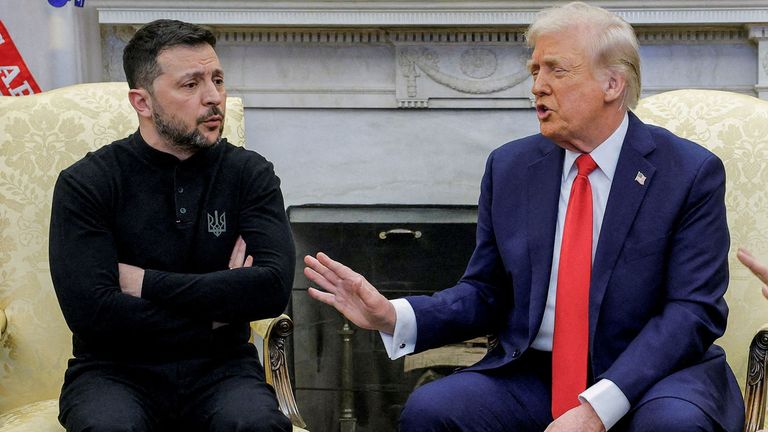
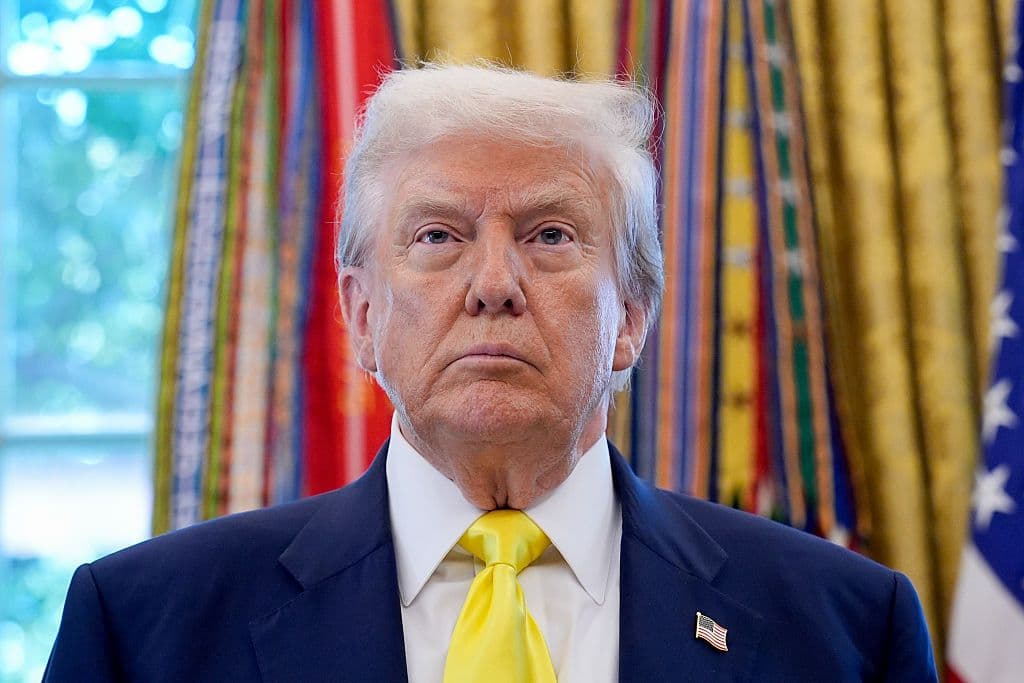
The most significant tension emerges from divergent perspectives between the United States and European allies. President Trump's pressure tactics contrast sharply with European leaders' more measured approach, creating a diplomatic minefield. European stakeholders, particularly Germany, are pushing for negotiations that provide robust security guarantees and protect Ukraine's fundamental interests, while the US appears more focused on expediting a resolution.
Critical negotiation dynamics are emerging around three pivotal areas: territorial control in the Donetsk region, management of the Zaporizhzhia nuclear power plant, and establishing credible security mechanisms. The proposal's suggestion of potential elections within 60-90 days under secure conditions represents an ambitious yet fragile pathway to potential resolution.
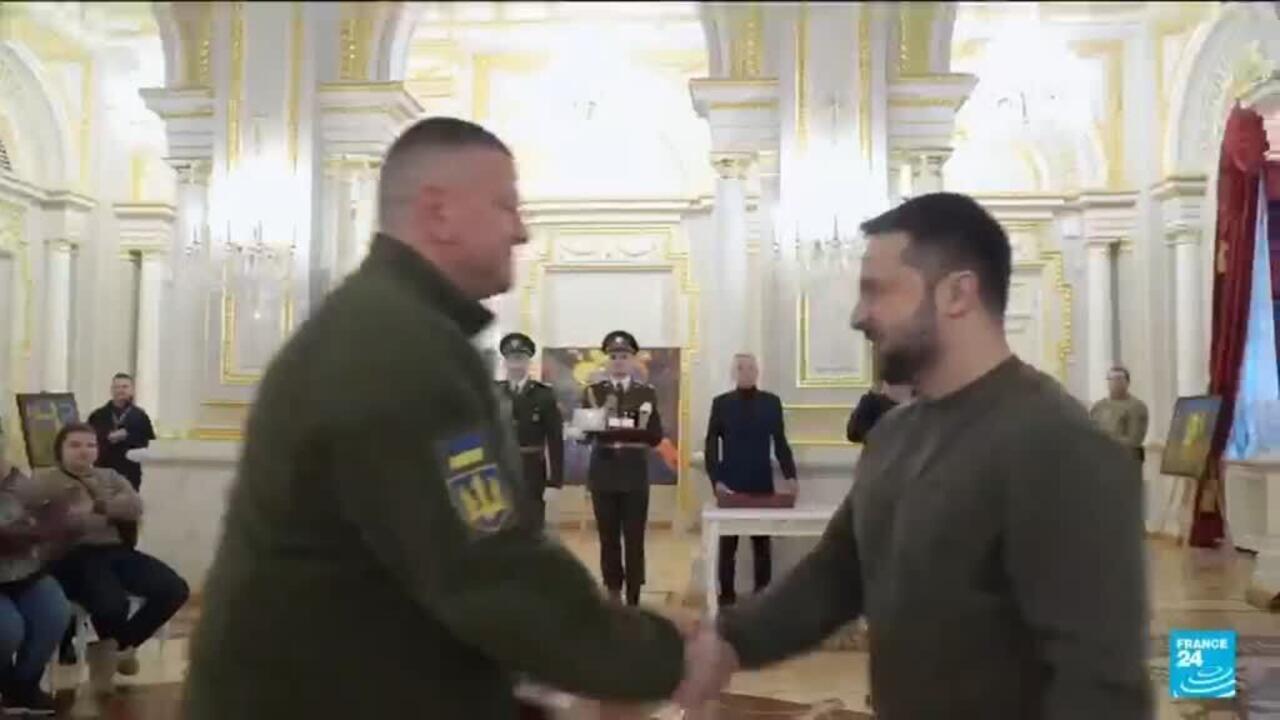
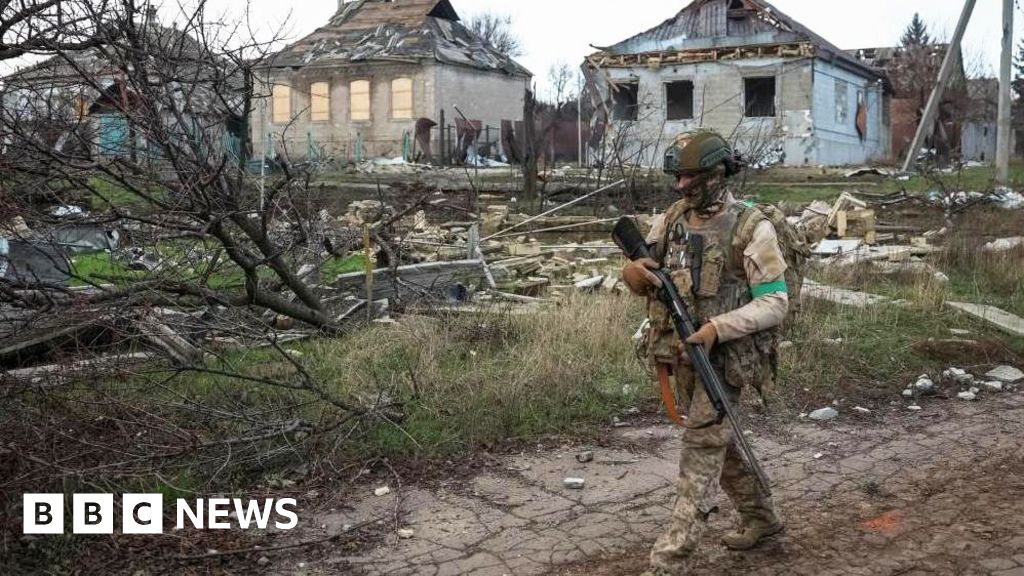
The negotiation's complexity is further heightened by the unpredictability of military developments on the ground. Zelensky's strategic positioning suggests that military performance will critically influence negotiation configurations, introducing an additional layer of uncertainty to diplomatic efforts.
Ultimately, these negotiations represent more than a conflict resolution—they are a critical test of international diplomatic mechanisms, revealing the intricate balance between national sovereignty, geopolitical interests, and the potential for sustainable peace.
Questions 3
How does Zelensky's negotiation strategy differ from US expectations?
Zelensky is maintaining a cautious approach, emphasizing that military performance on the ground will critically influence negotiation configurations. Unlike the US push for rapid resolution, Ukraine seeks comprehensive security guarantees and is reluctant to make unilateral territorial concessions.
What are the key challenges in the current Ukraine peace negotiations?
The primary challenges include resolving territorial control in the Donetsk region, establishing credible security guarantees, managing the Zaporizhzhia nuclear power plant, and bridging the divergent perspectives between the US and European allies regarding acceptable compromise conditions.