



Amazon's Gaming Renaissance Unfolds with Tomb Raider's Ambitious Dual-Game Strategy
- Signals strategic reinvention of iconic franchise through innovative game development approach































Overview
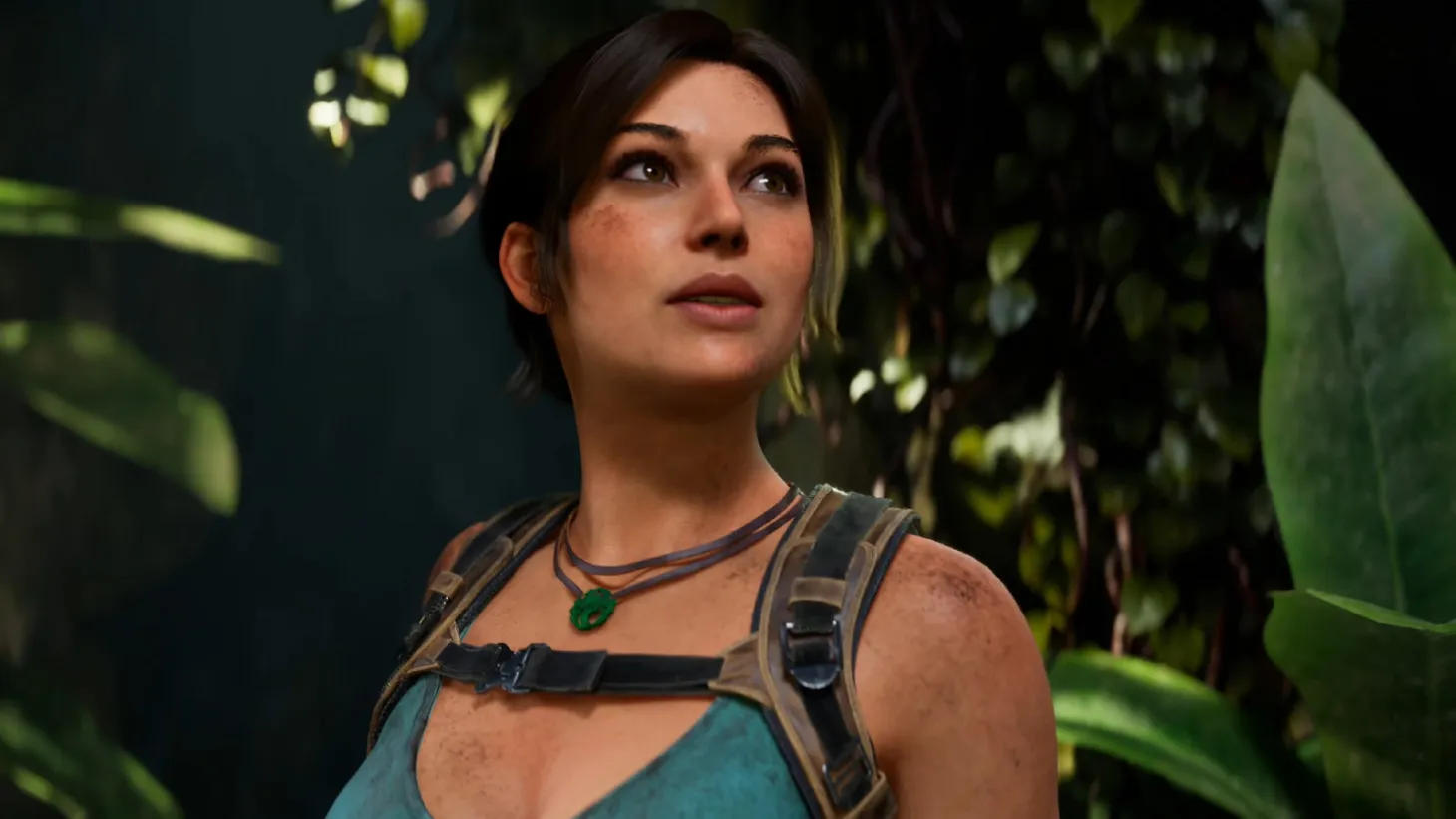
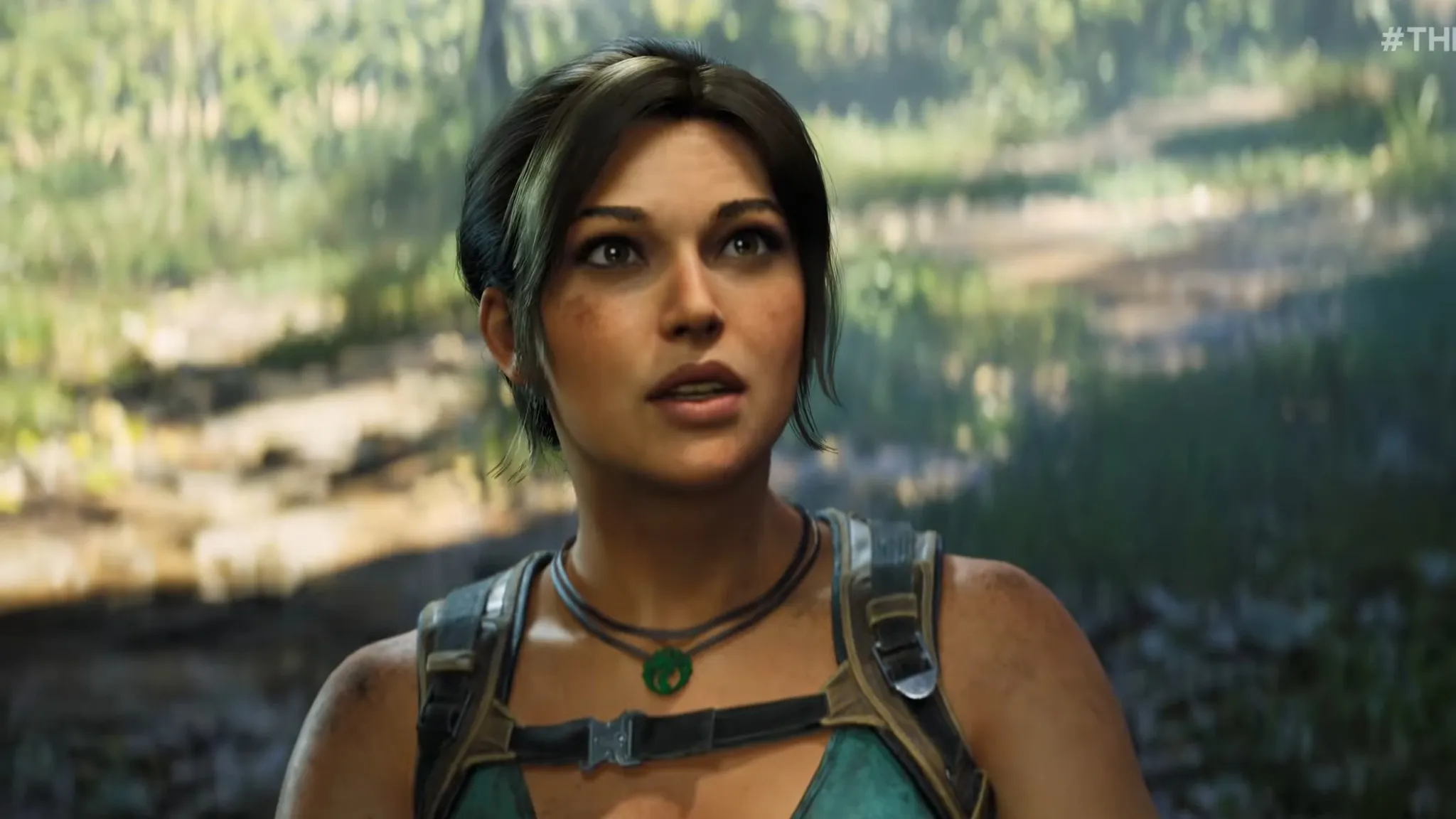
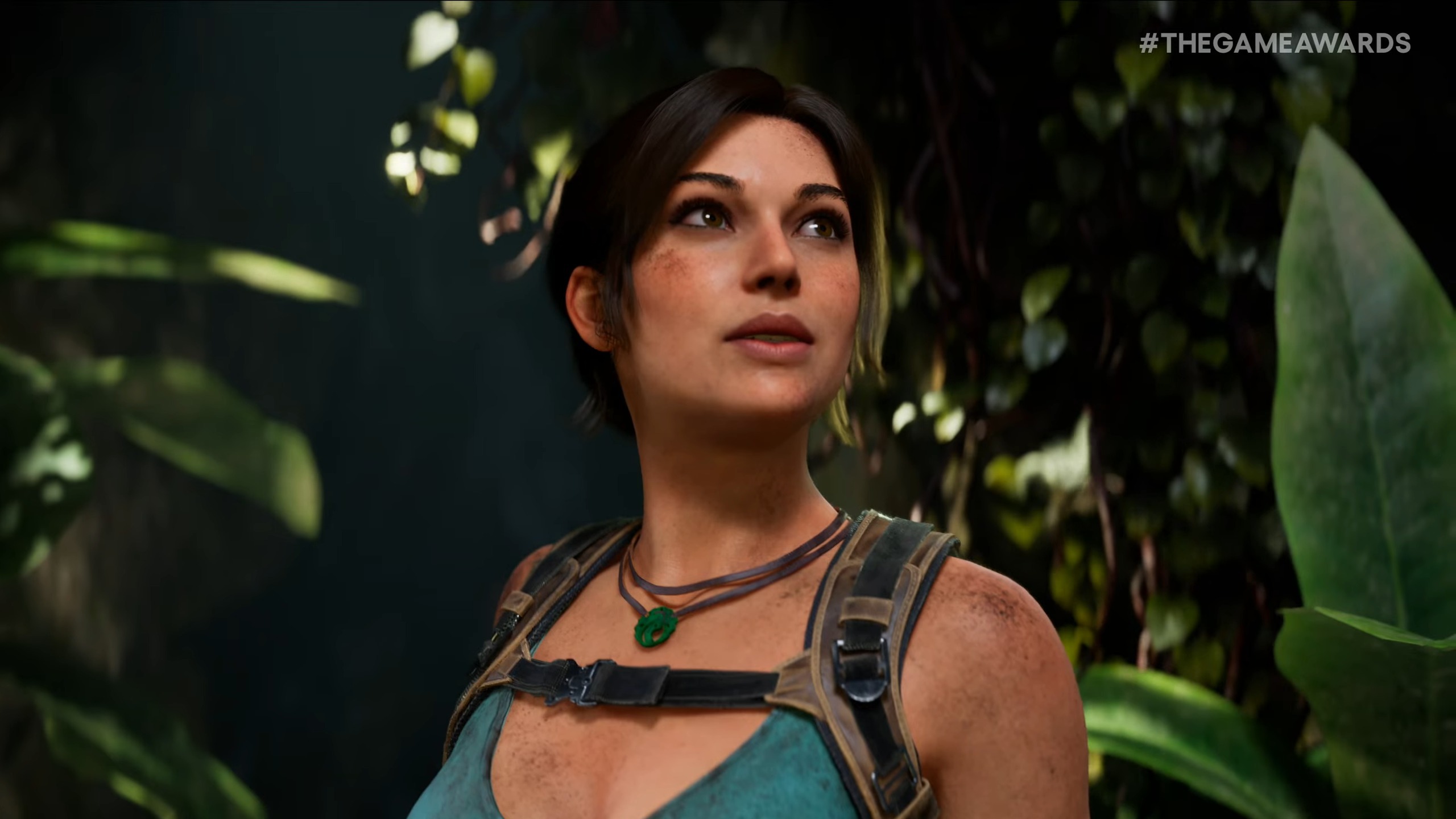
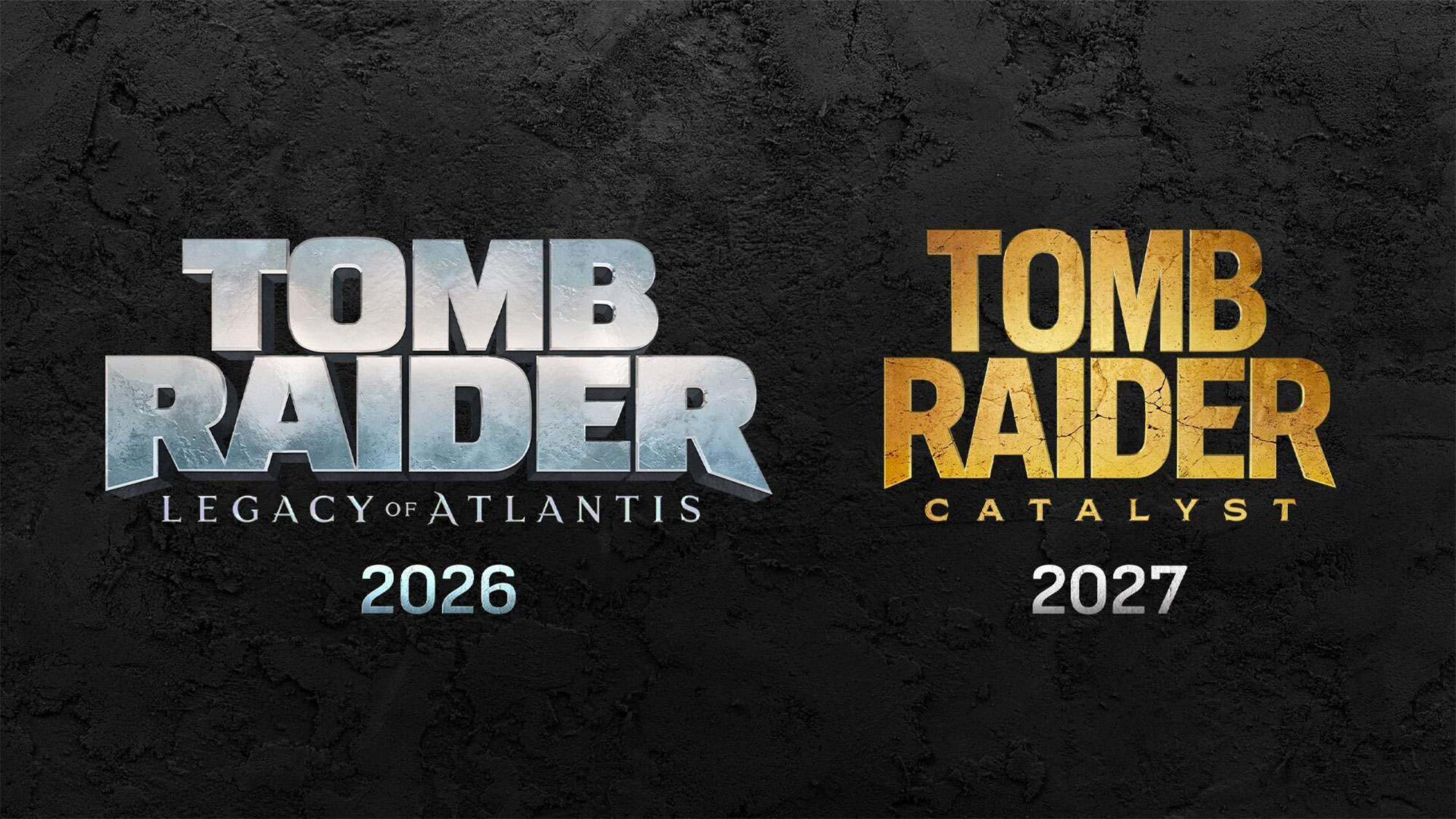
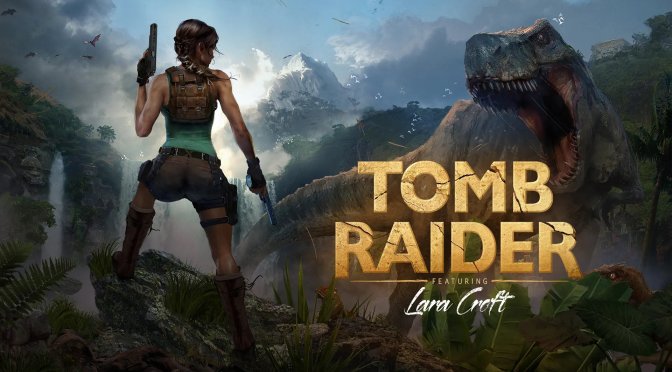
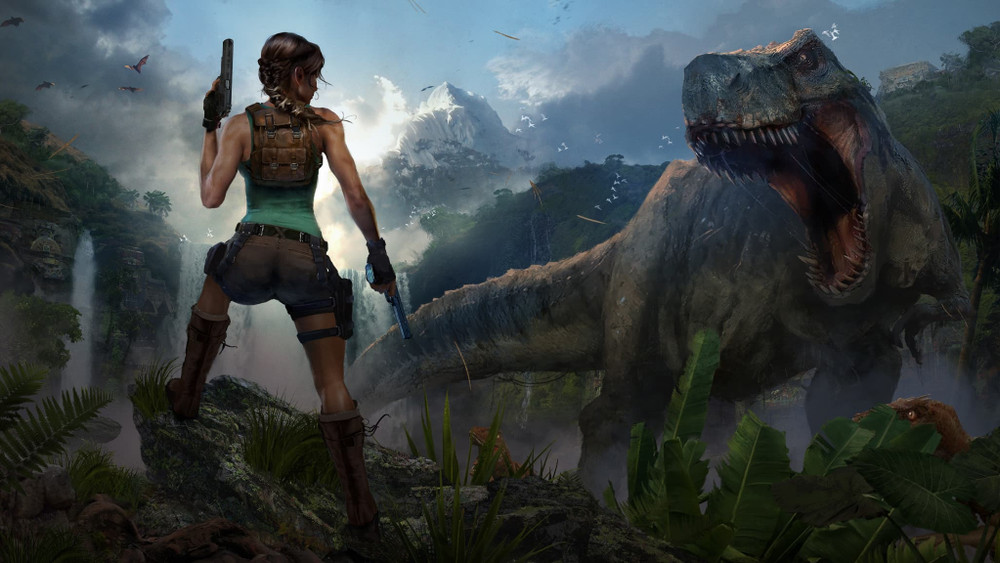
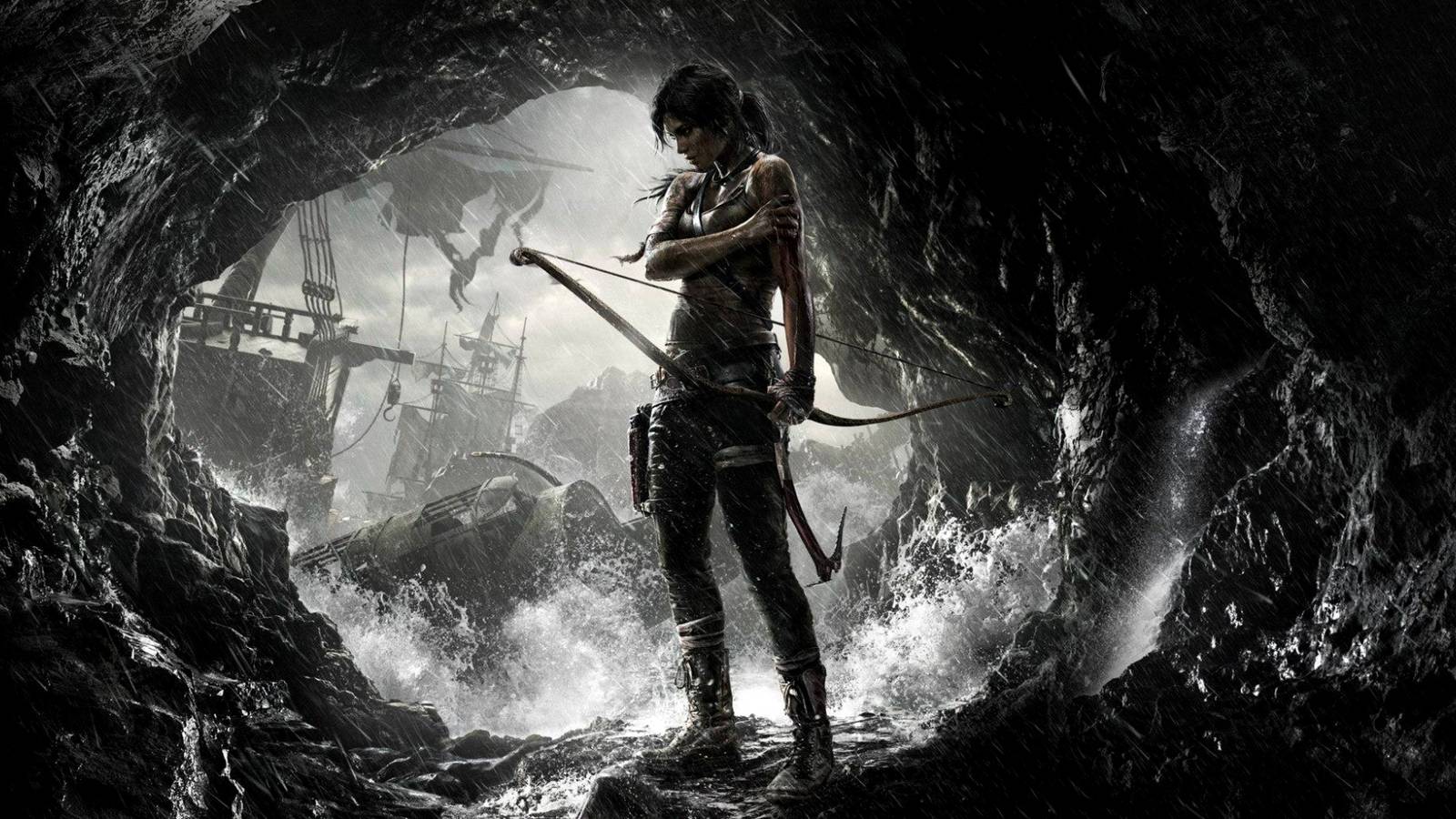
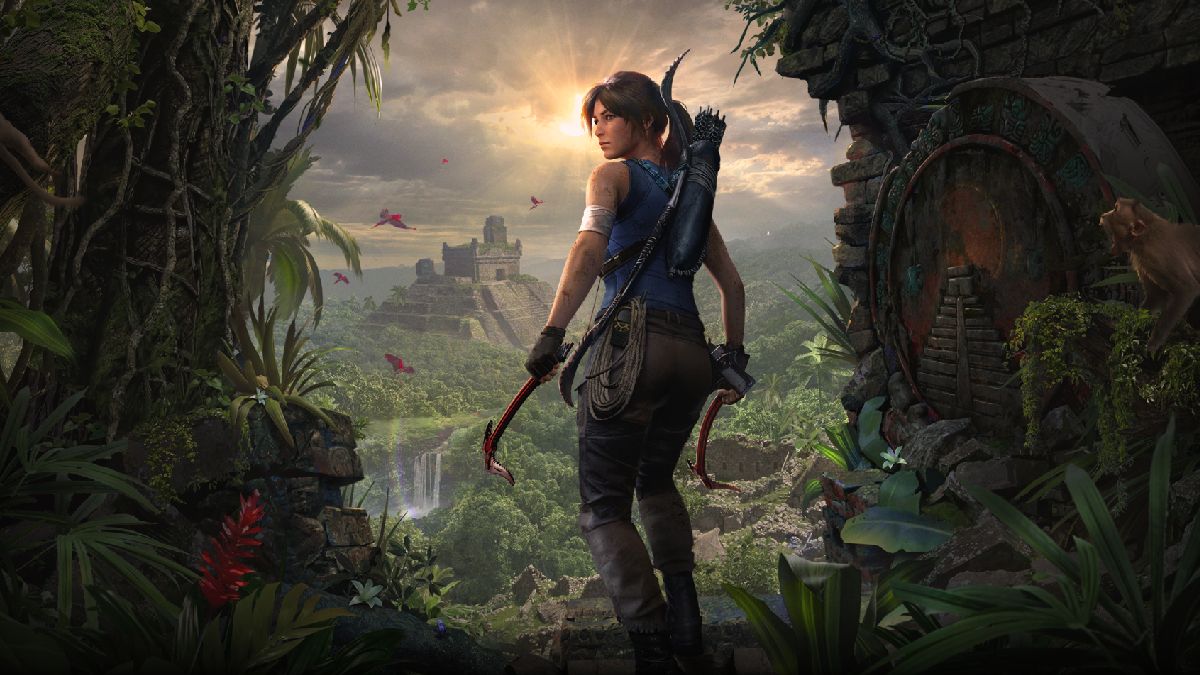
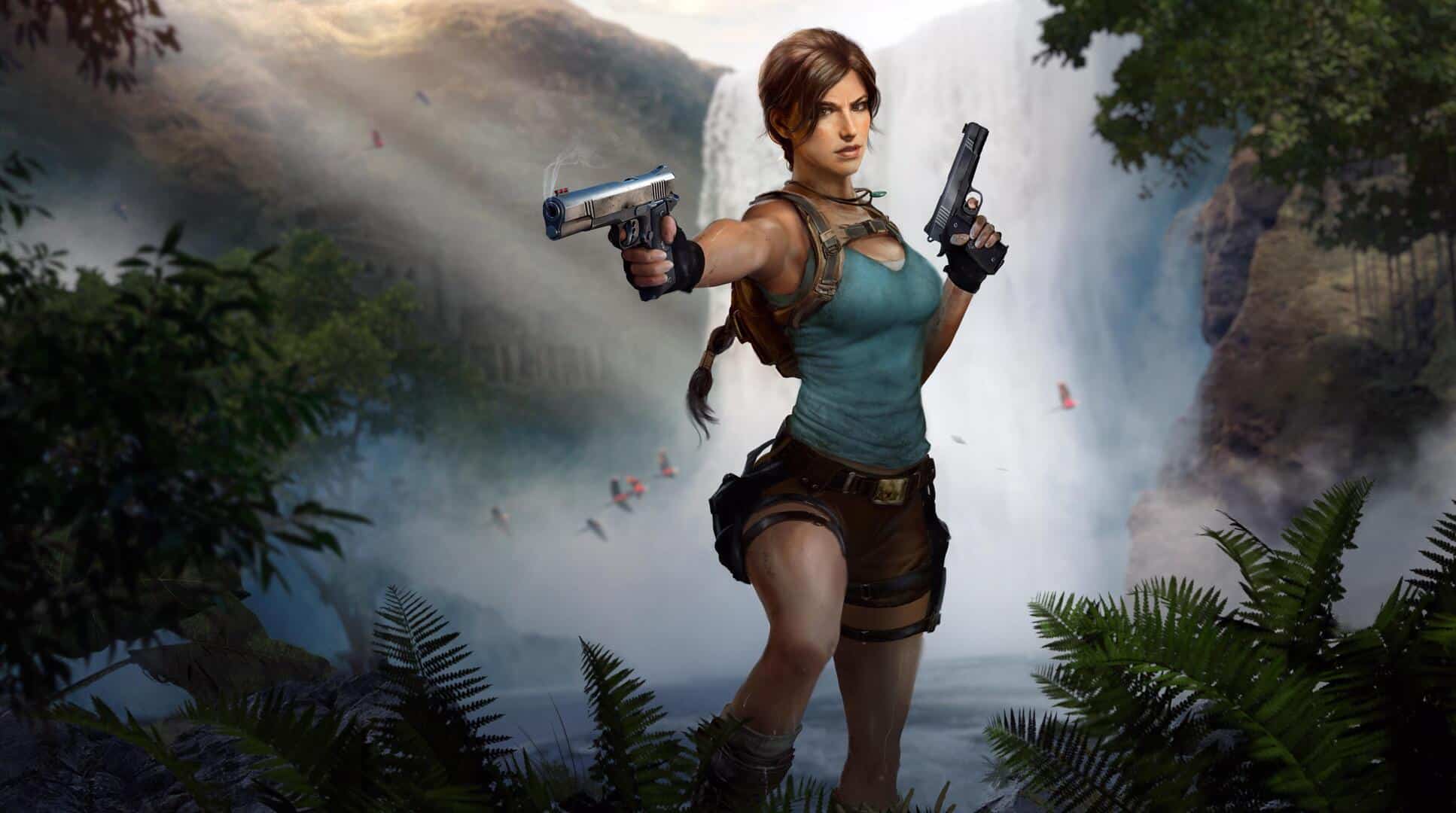
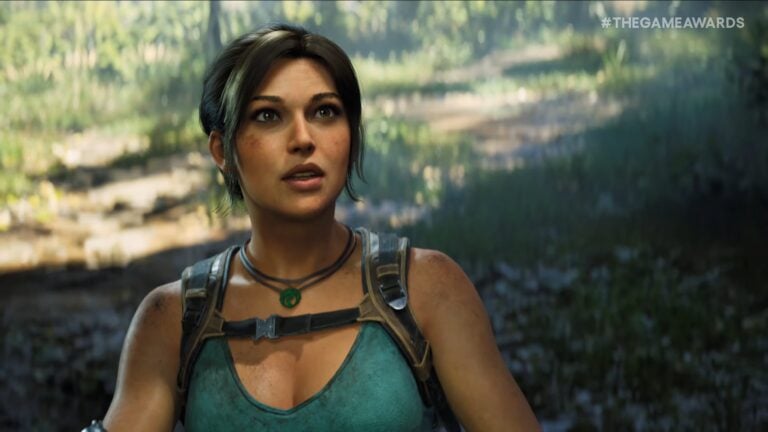
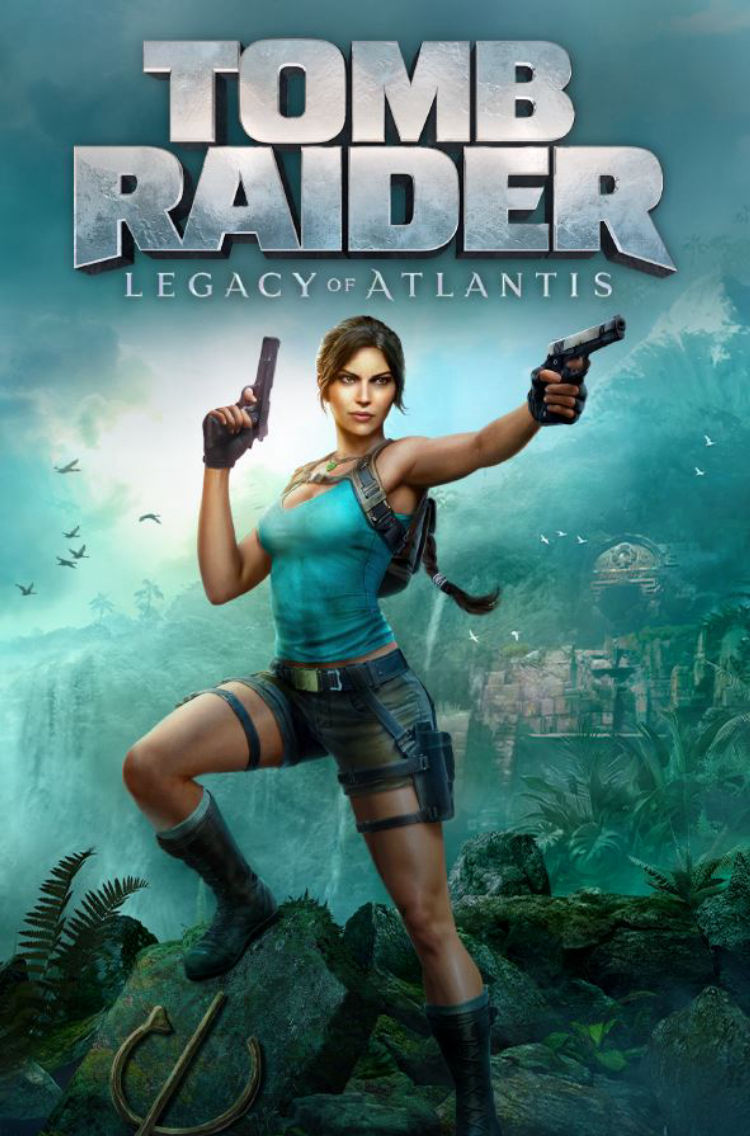
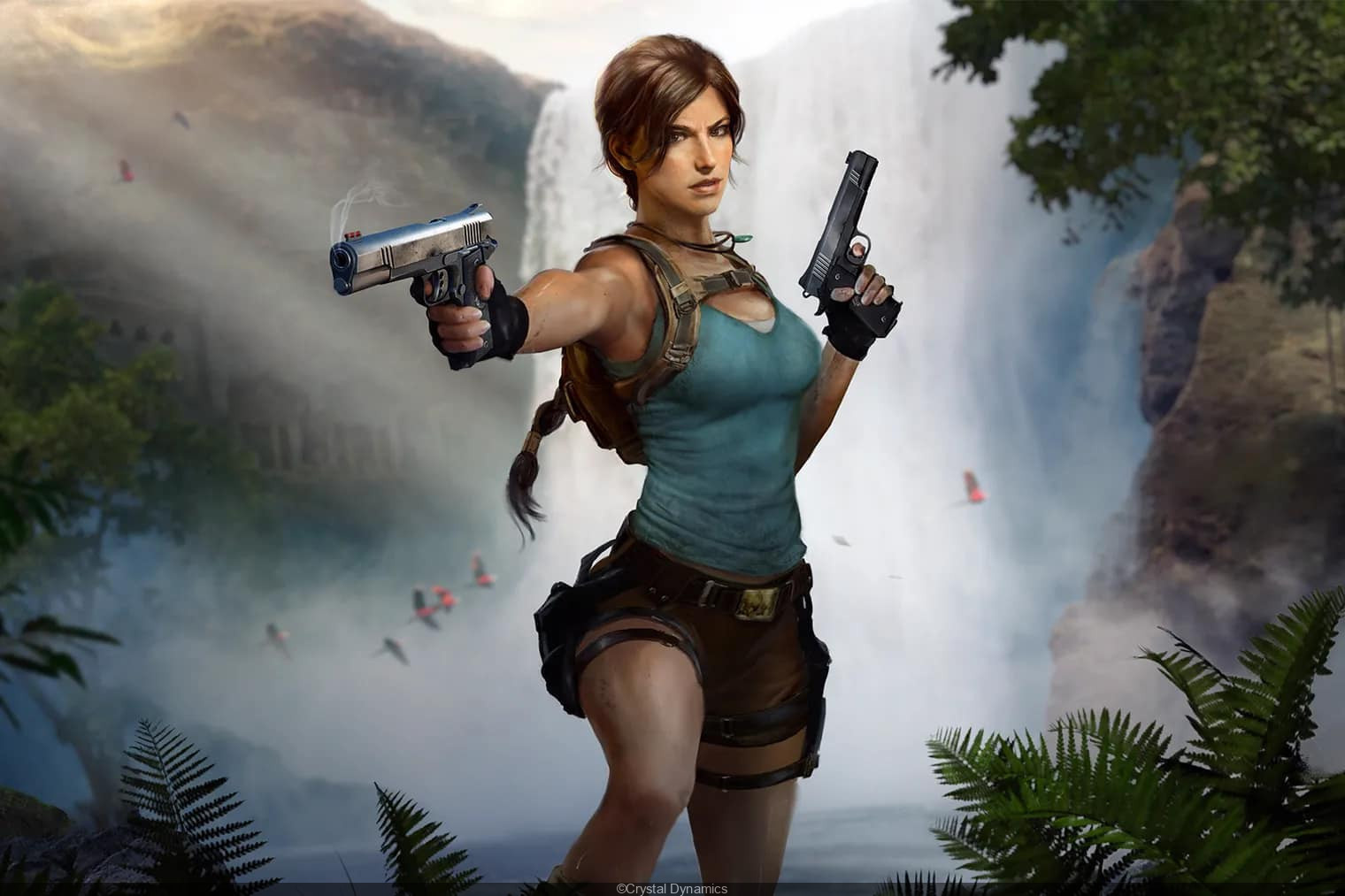
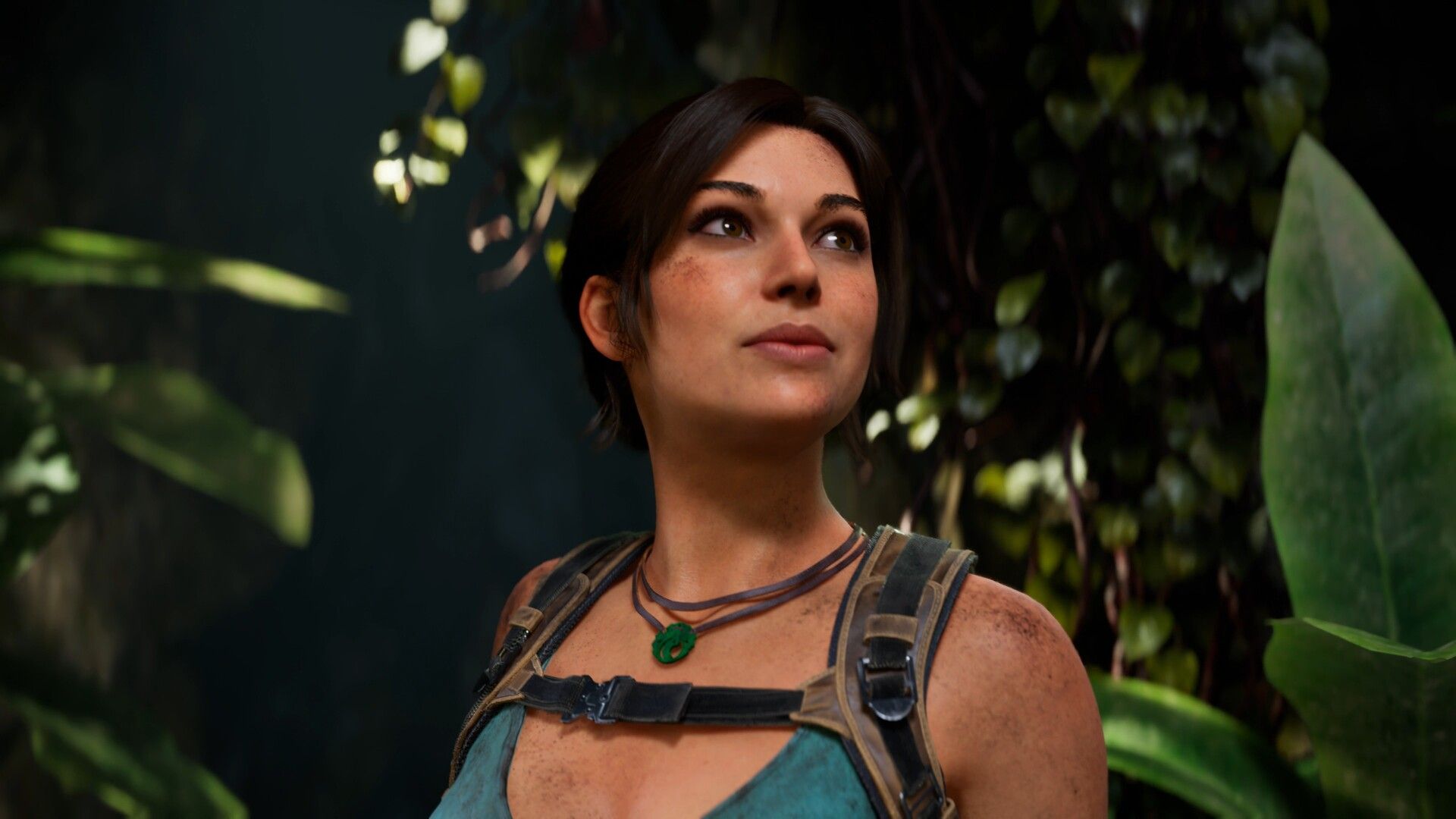
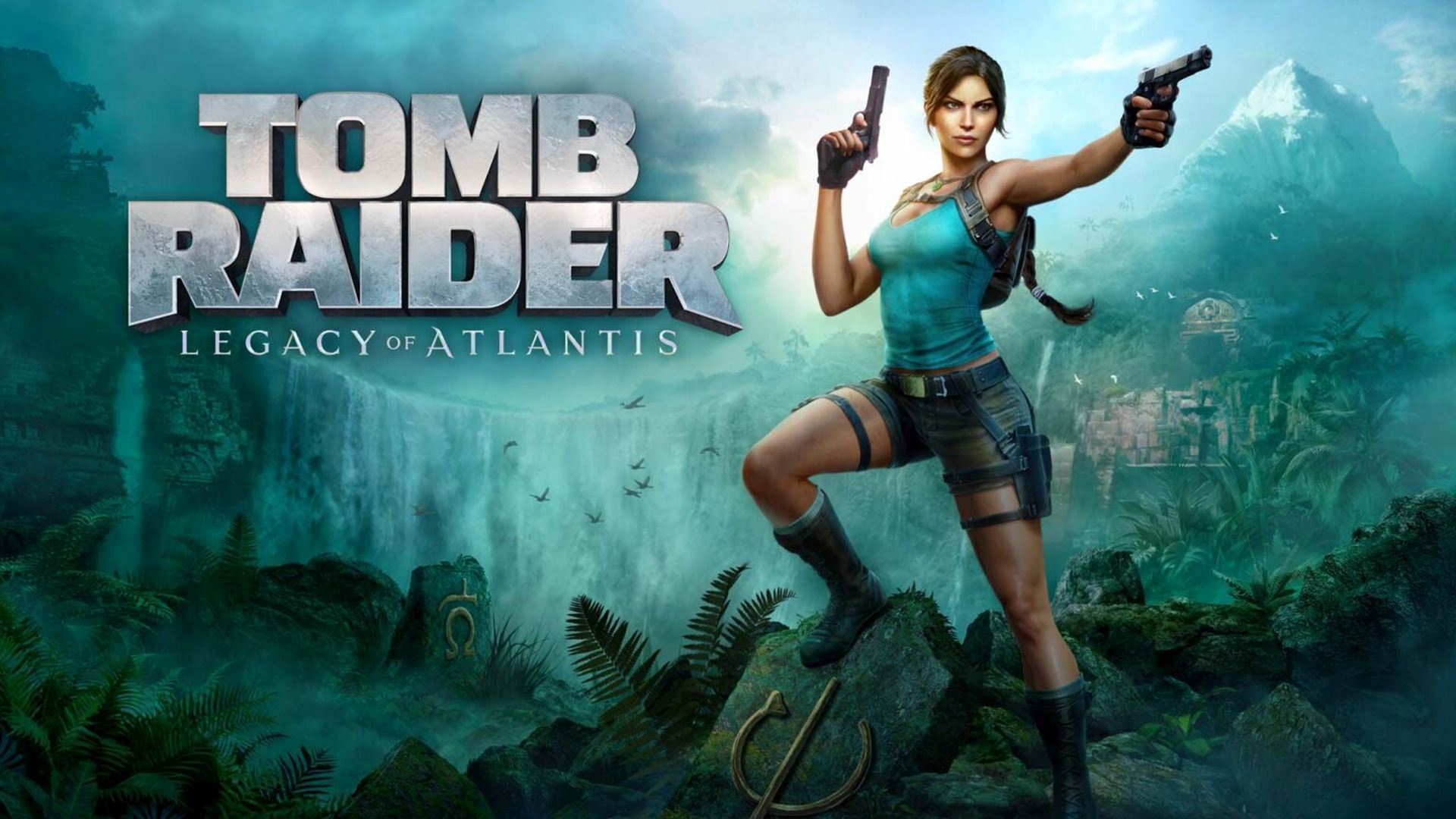
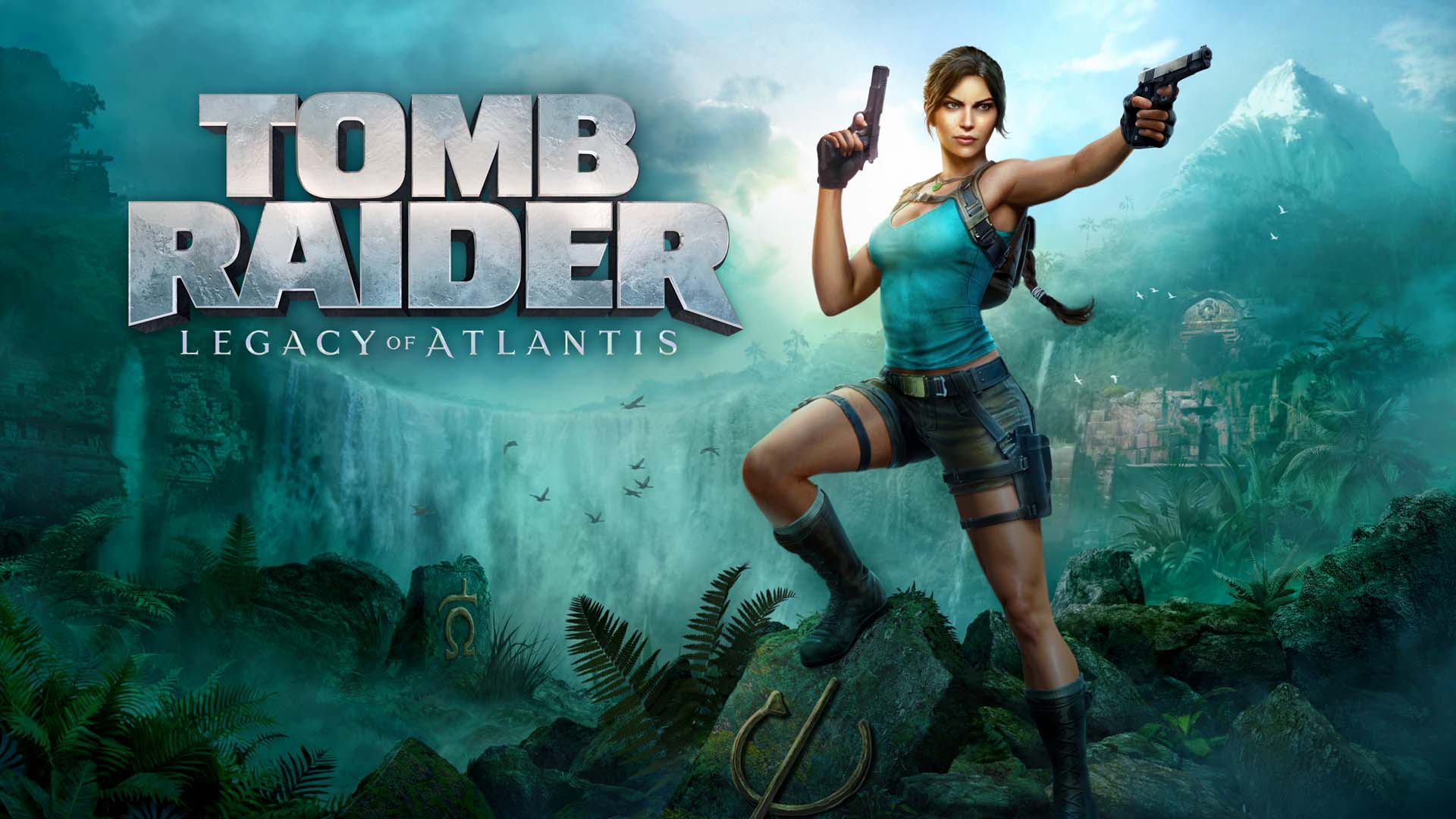
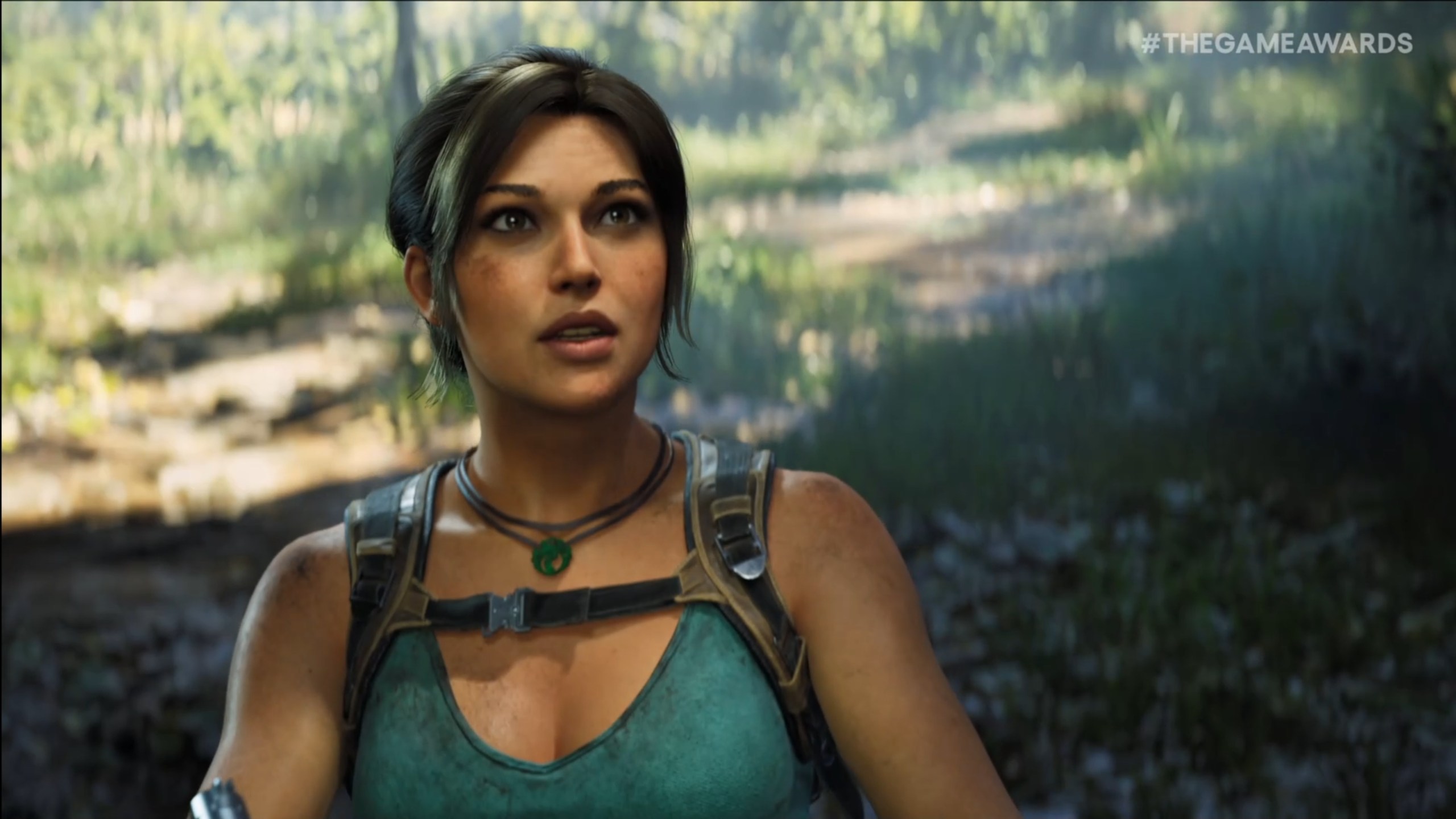
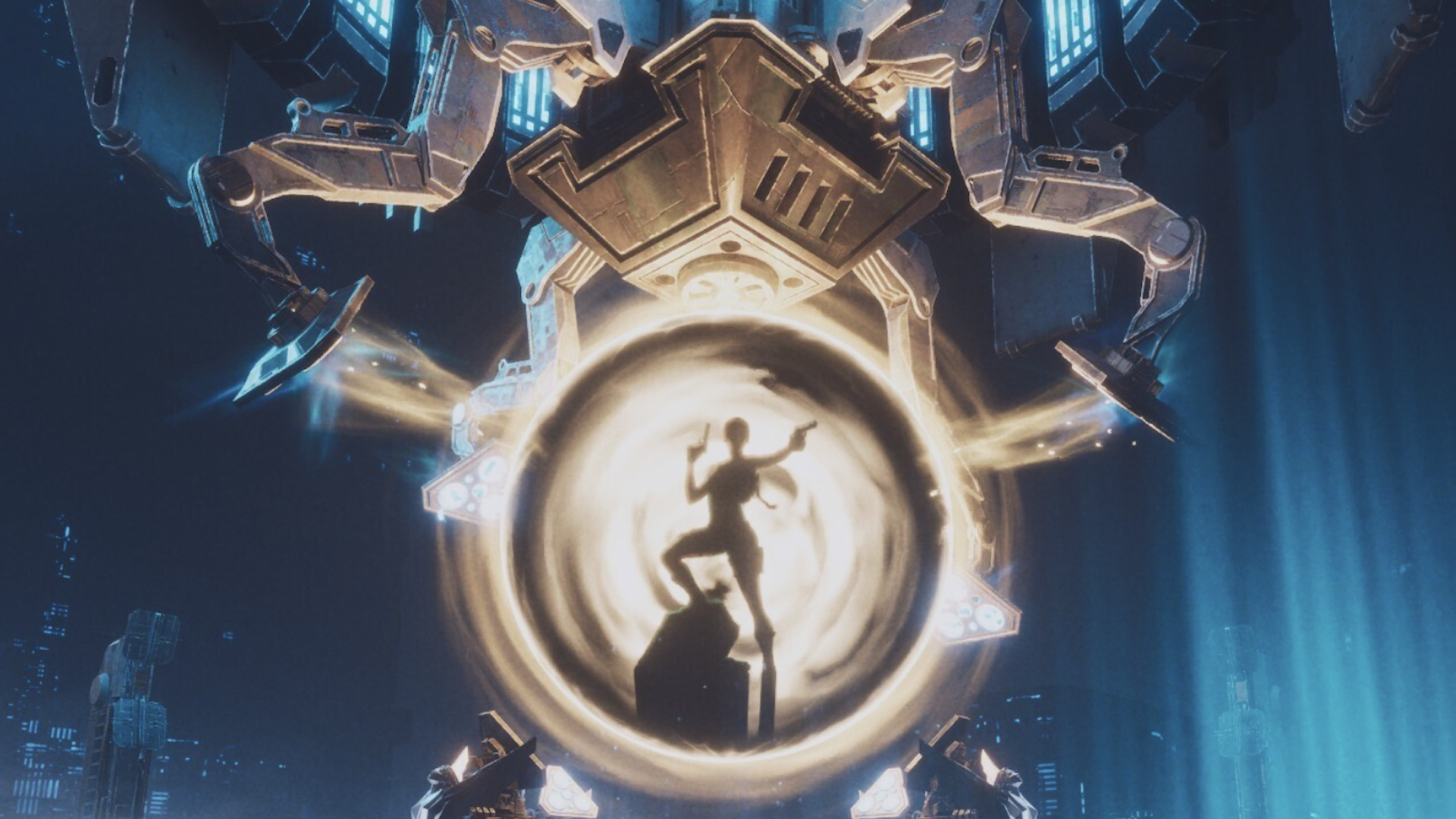
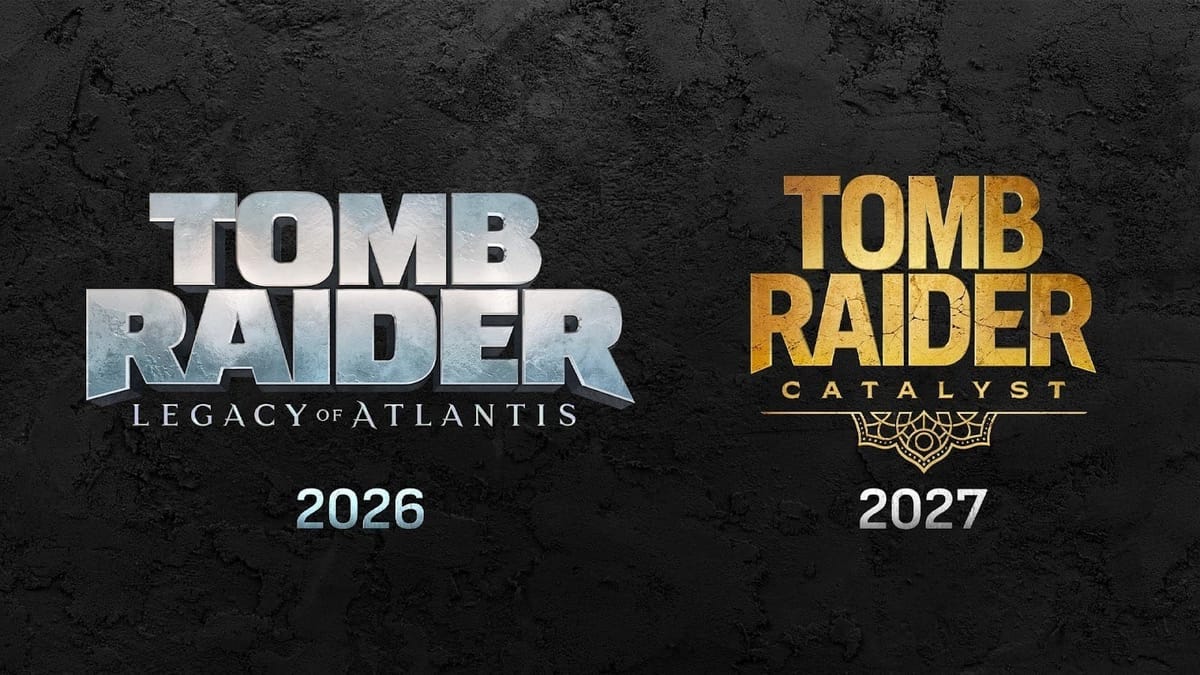
The gaming industry is witnessing a remarkable strategic pivot as Amazon Game Studios transforms the Tomb Raider franchise through an unprecedented dual-game development approach. By simultaneously announcing Tomb Raider: Legacy of Atlantis (2026) and Tomb Raider: Catalyst (2027), the company is executing a sophisticated franchise revitalization strategy that blends nostalgia with cutting-edge game design.
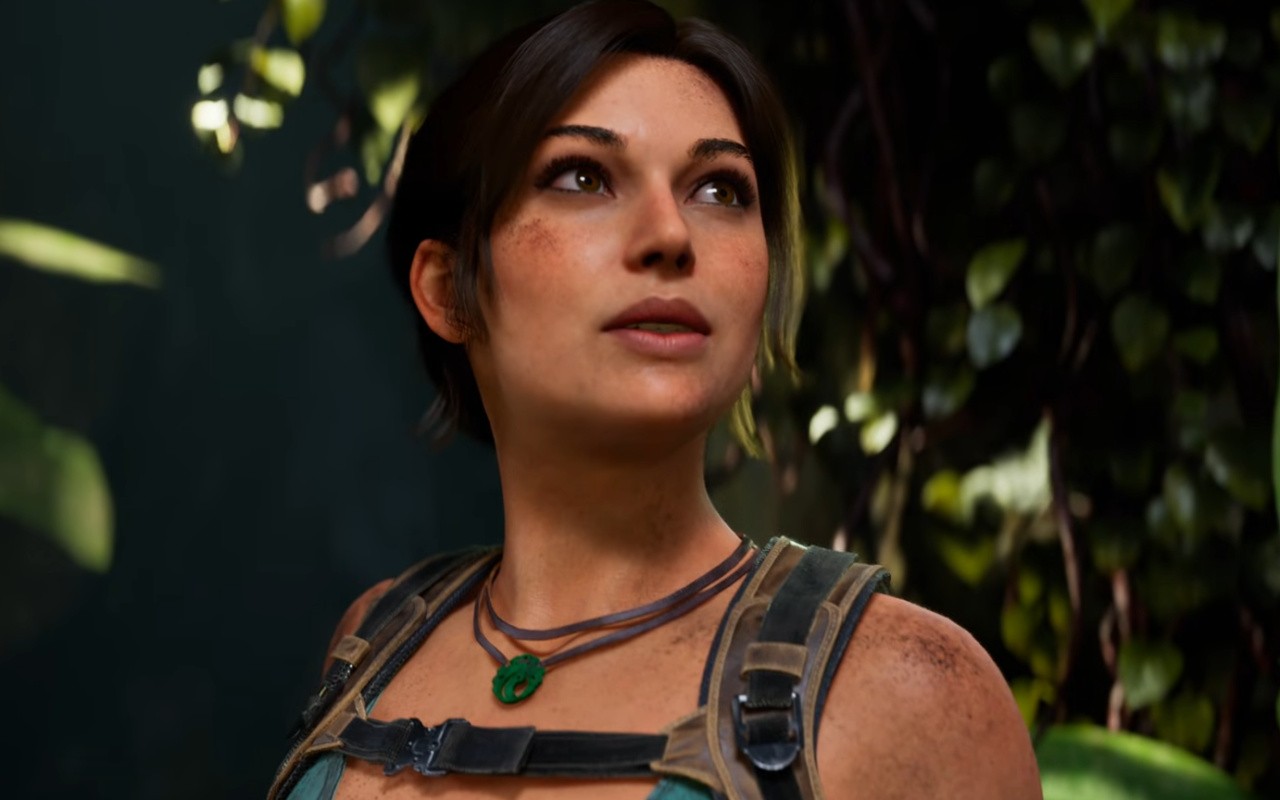
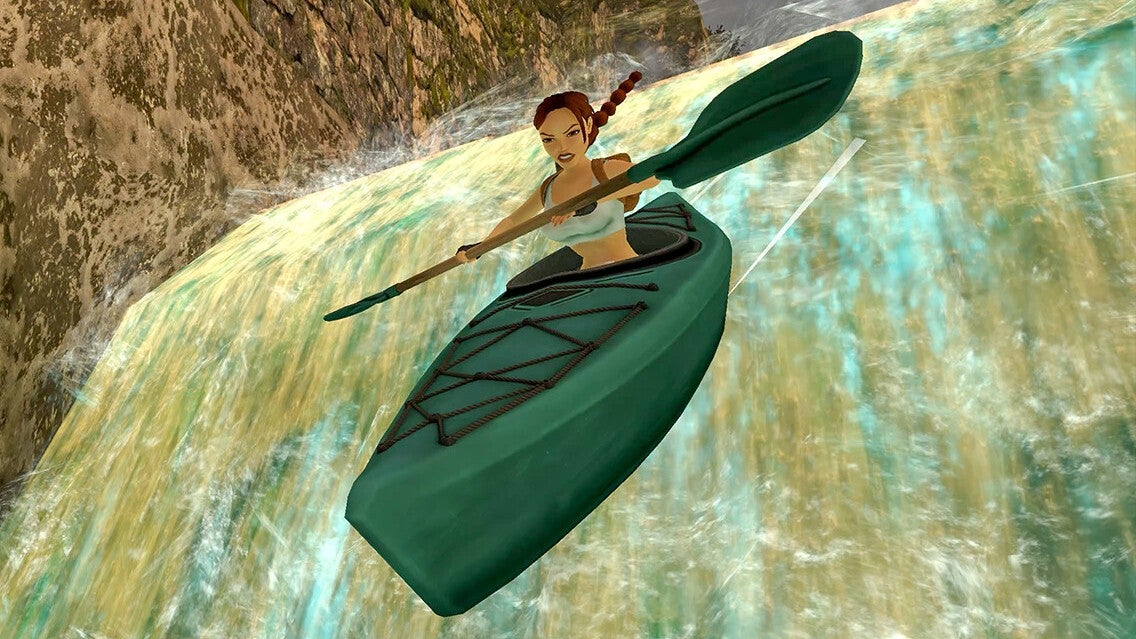
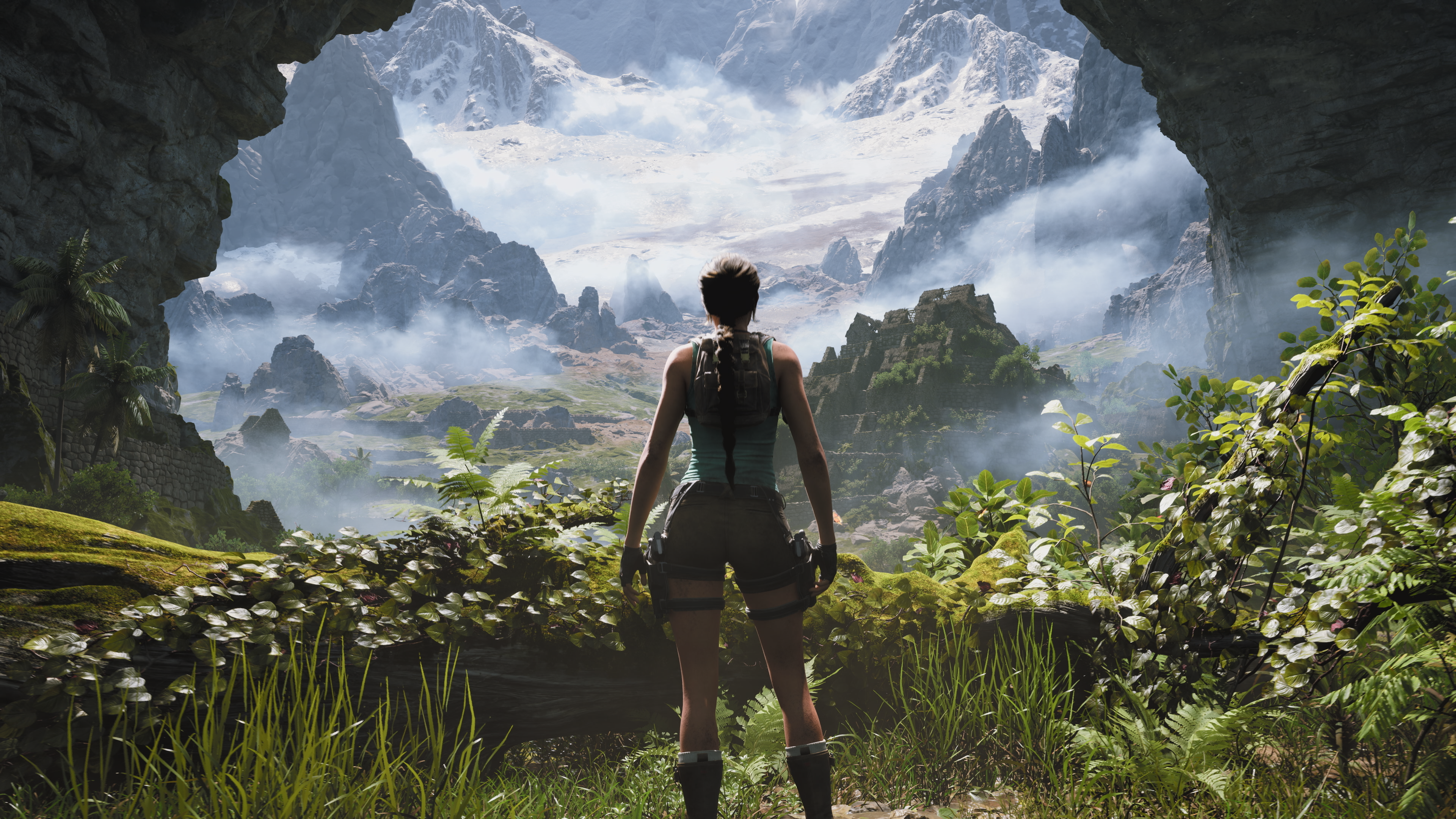
The first game, Legacy of Atlantis, represents a calculated reimagining of the original 1996 title, strategically timed to commemorate the franchise's 30th anniversary. Developed in partnership with Flying Wild Hog and leveraging Unreal Engine 5, this title demonstrates Amazon's commitment to preserving the franchise's core identity while dramatically modernizing its visual and gameplay experience. The game's focus on revisiting iconic locations like Peru, Greece, and Egypt suggests a deliberate attempt to reconnect with long-time fans while attracting a new generation of players.
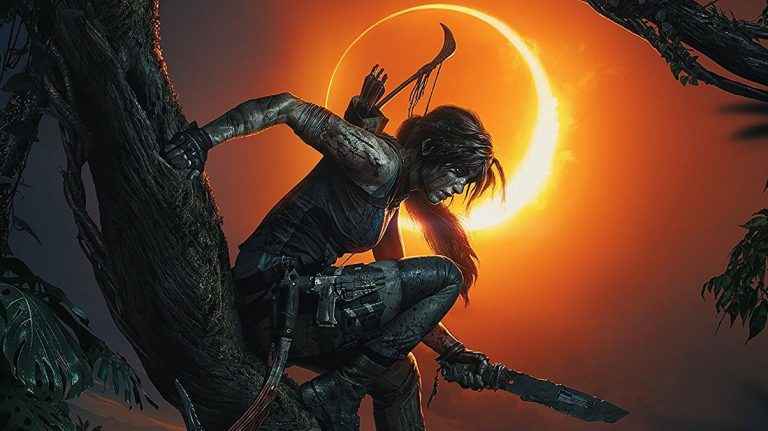
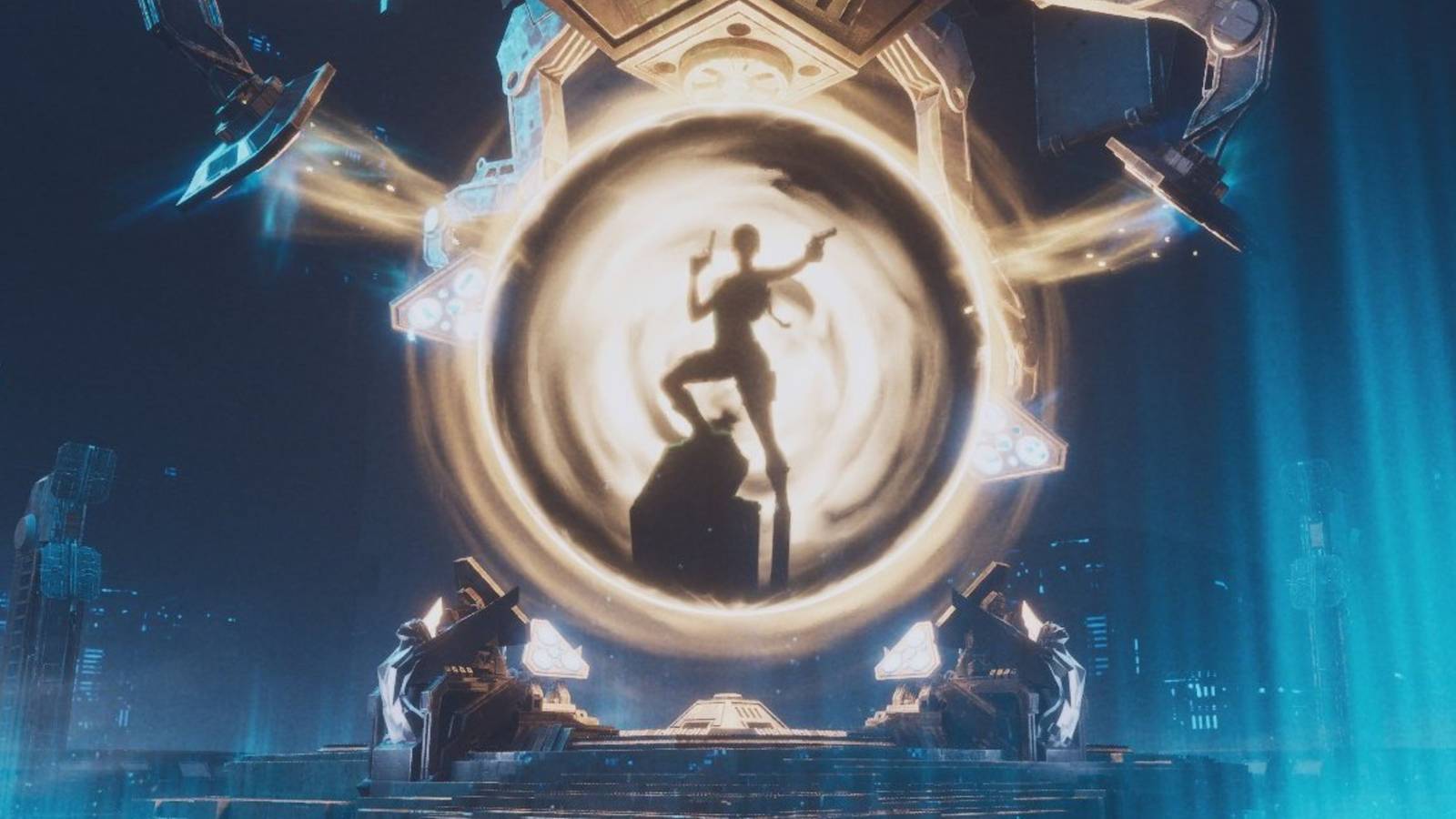
Tomb Raider: Catalyst, scheduled for 2027, represents an even bolder narrative experiment. Set across Northern India and positioned as the largest Tomb Raider game to date, this title signals Amazon's willingness to take significant creative risks. The game's narrative framework—featuring Lara Croft racing against treasure hunters to prevent a potential catastrophe—reflects a sophisticated understanding of contemporary gaming audiences' desire for complex, high-stakes storytelling.
The strategic significance extends beyond game design. By developing these titles in parallel with a live-action Tomb Raider TV series starring Sophie Turner, Amazon is constructing a multi-platform narrative ecosystem. This approach, managed by Fellowship Entertainment with Crystal Dynamics and Flying Wild Hog collaborating closely, represents a holistic intellectual property management strategy that transcends traditional gaming franchise development.
Christoph Hartmann's emphasis on supporting "bold creative visions" reveals a deeper corporate strategy: Amazon is positioning itself not just as a game publisher, but as a creative incubator capable of reimagining iconic franchises for contemporary audiences.
Questions 3
How does the new Tomb Raider strategy differ from previous franchise approaches?
Unlike traditional game development, Amazon is creating a multi-platform narrative ecosystem by developing games and a TV series in parallel. This transmedia approach allows for deeper storytelling and broader audience engagement across different media formats.
Why is Amazon developing two Tomb Raider games simultaneously?
Amazon is executing a strategic franchise revitalization by creating complementary games that appeal to different audience segments. Legacy of Atlantis targets nostalgic fans with a reimagined classic experience, while Catalyst offers a bold, forward-looking narrative that attracts new players.