


Unexpected Alliances Underwater: How Marine Species Rewrite Predation Strategies
- Groundbreaking research reveals complex inter-species collaboration in marine ecosystems

















Overview
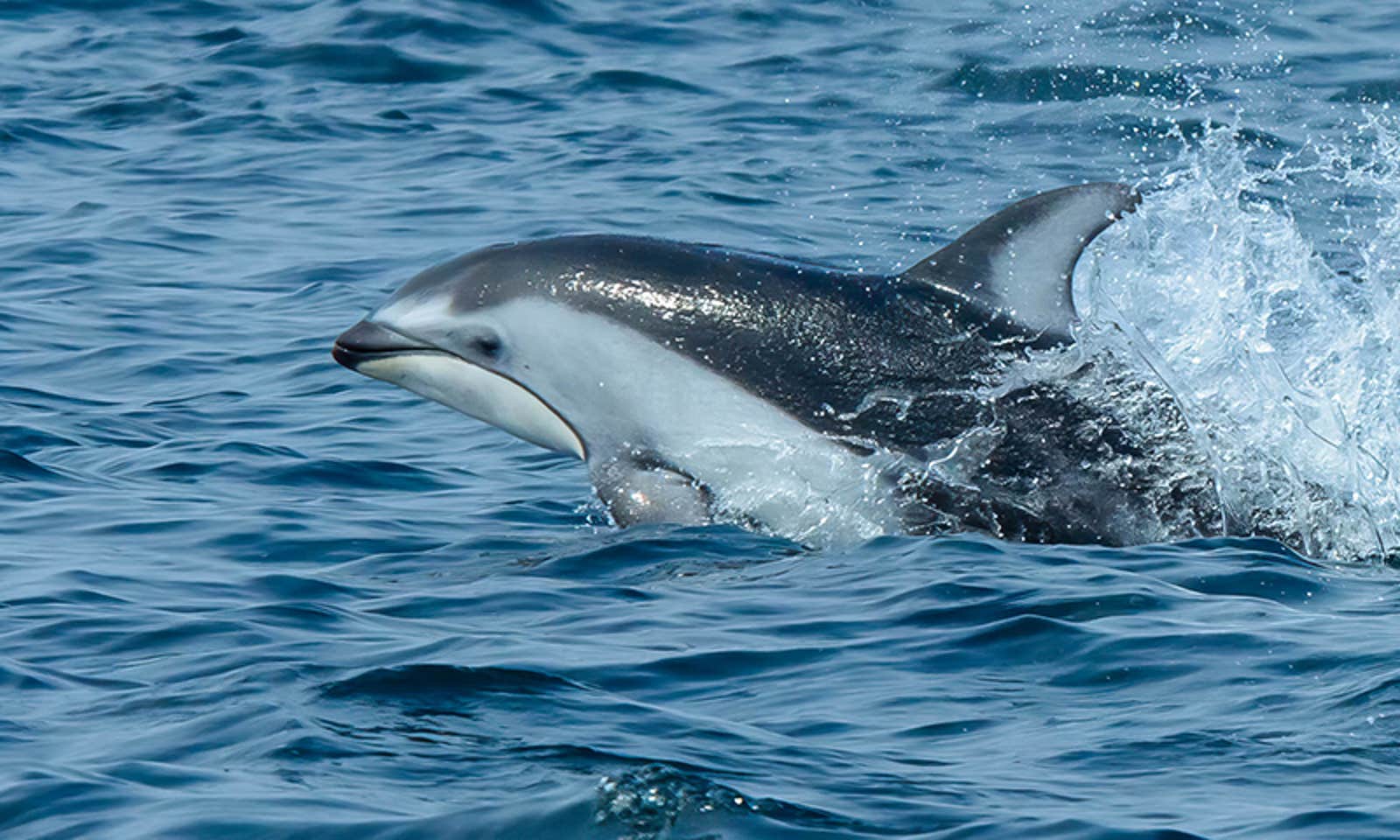
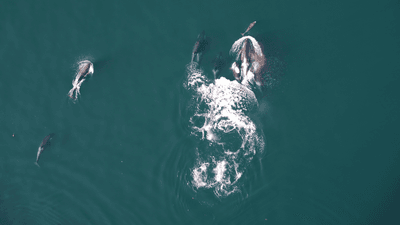
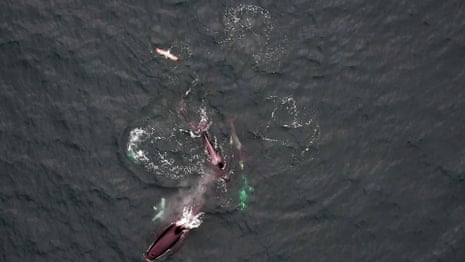
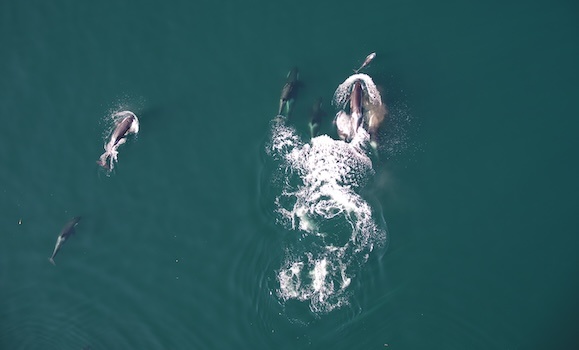
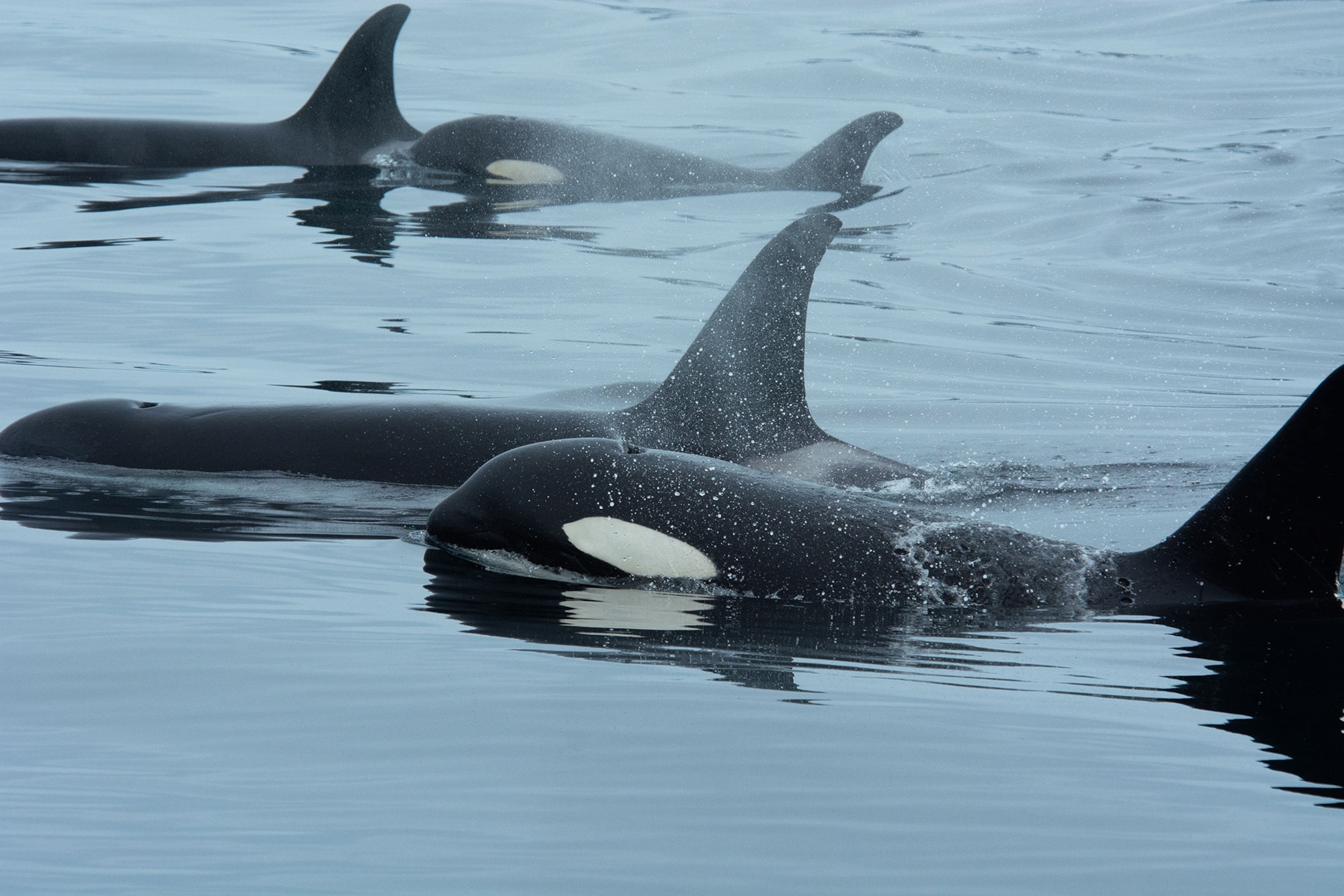
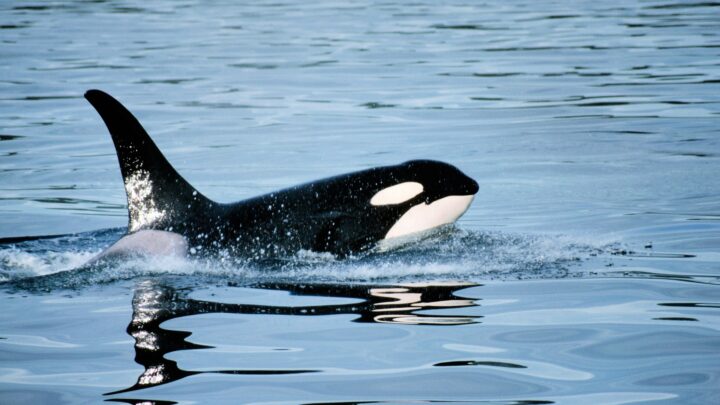
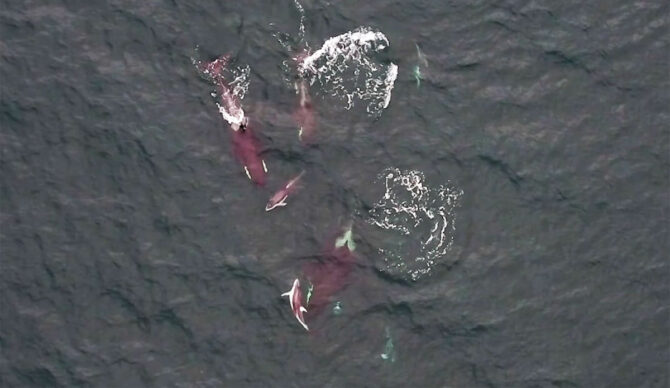
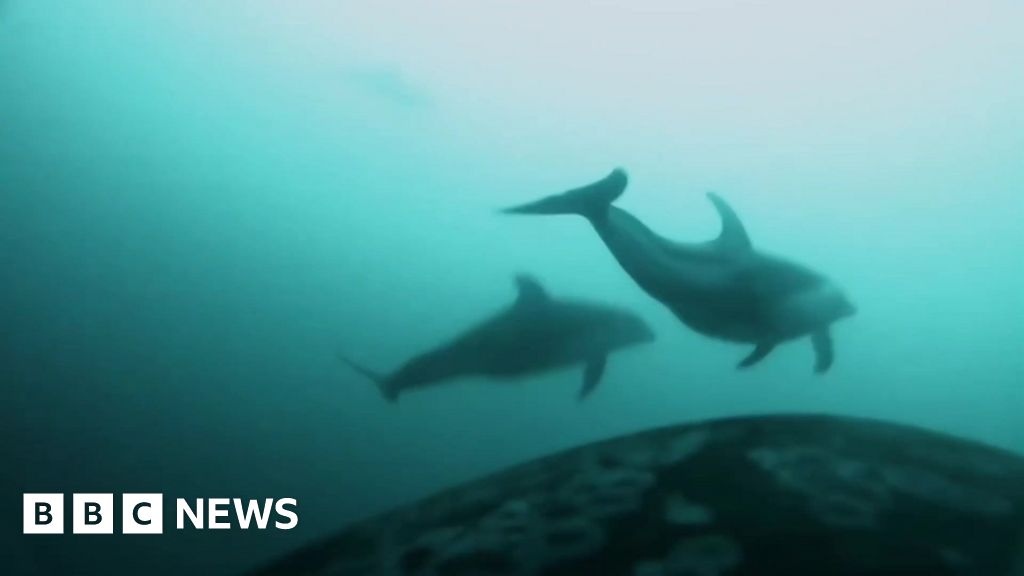
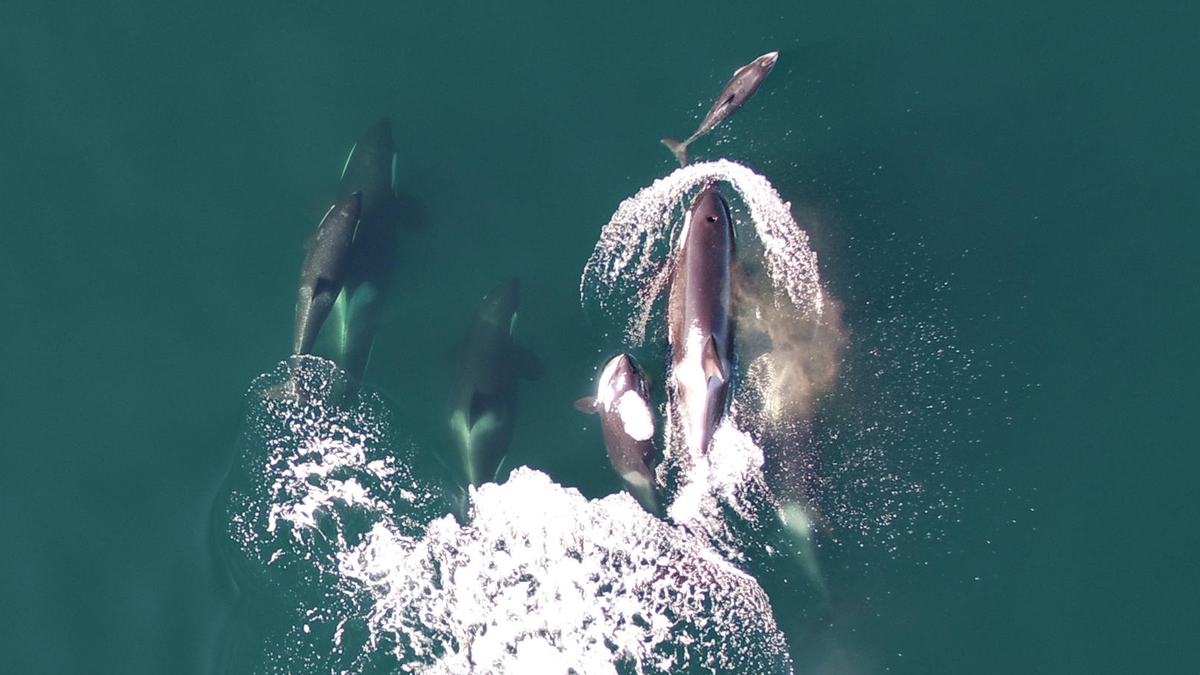
In a remarkable demonstration of adaptive intelligence, marine researchers have uncovered a sophisticated collaborative hunting strategy between killer whales and Pacific white-sided dolphins that challenges traditional understanding of marine predator interactions. The research, conducted off the coast of British Columbia, reveals an intricate inter-species relationship that goes far beyond simple competition.
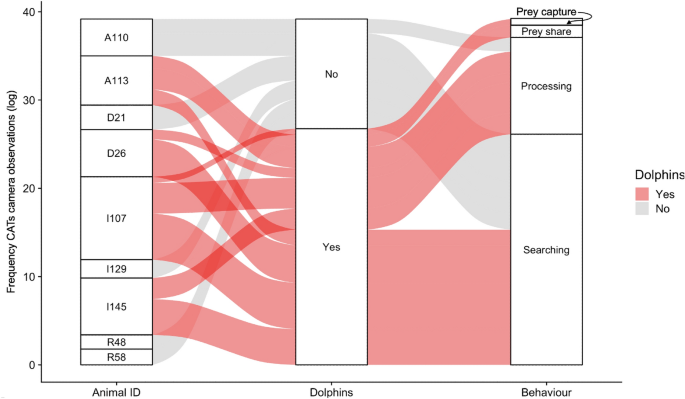
Collaborative Hunting Dynamics emerge as the core insight from multiple scientific studies. Dolphins are not merely passive observers but active participants in a complex marine hunting strategy. They act as strategic scouts for killer whales, guiding them toward salmon schools and subsequently benefiting from the whales' powerful hunting capabilities. This isn't just opportunistic behavior, but a potentially deliberate cooperative mechanism that allows both species to expand their hunting effectiveness.
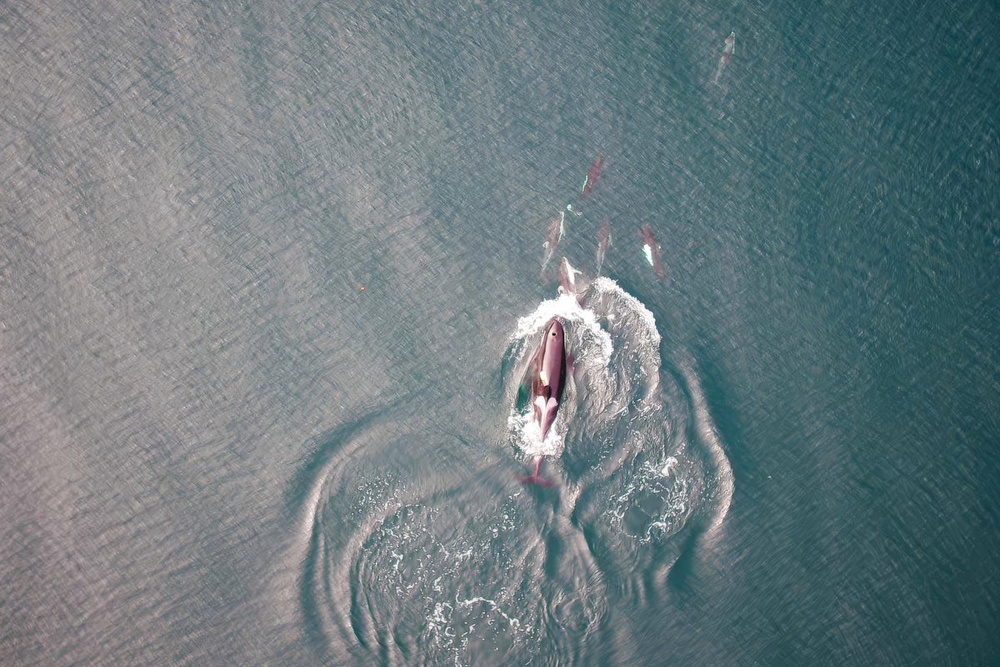
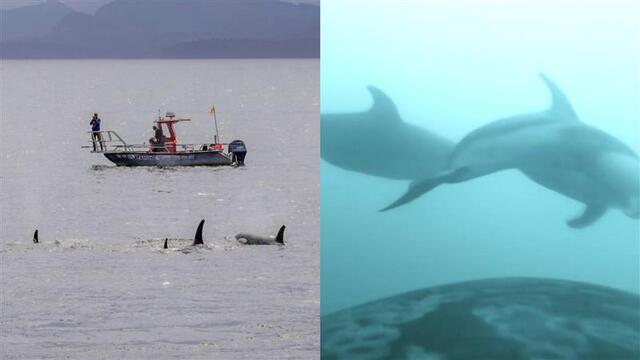
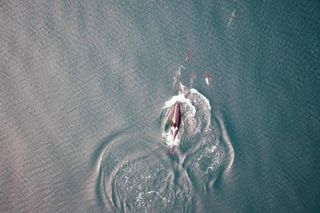
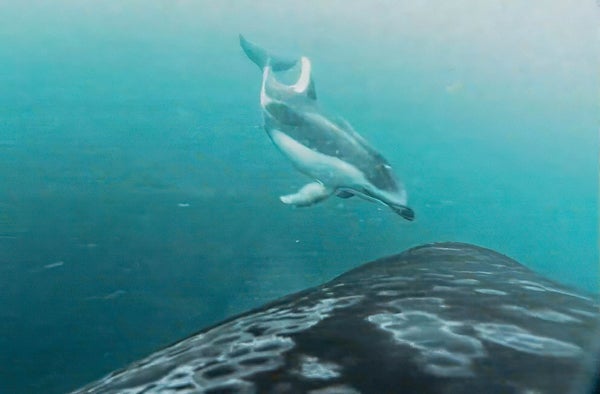
The technological breakthrough enabling these discoveries cannot be overstated. Advanced tracking methods, including drone observations, underwater video, and acoustic recordings, have peeled back the layers of marine mammal interactions. Researchers from the University of British Columbia, Dalhousie University, and the Hakai Institute used cutting-edge biologging tags and 3D dive tracking to document unprecedented synchronized diving behaviors and acoustic communications between different marine species.
Key observations suggest multiple potential motivations for this collaboration. Predator protection might be one driver, with dolphins potentially gaining safety by associating with larger killer whales. Acoustic communication appears to play a crucial role, with both species potentially expanding their collective tracking and hunting capabilities through synchronized movements. The tagged killer whales demonstrated remarkable responsiveness, diving in coordination with dolphins when hunting Chinook salmon.
This research fundamentally challenges previous assumptions about marine ecosystem dynamics. It suggests that inter-species interactions are far more nuanced than traditional predator-prey models, revealing a complex web of strategic cooperation that prioritizes collective survival over strict competitive boundaries. The implications extend beyond marine biology, offering a compelling metaphor for adaptive collaboration in complex systems.
Questions 3
What are the potential evolutionary advantages of this inter-species collaboration?
The collaboration potentially offers multiple benefits: predator protection for dolphins, expanded hunting range, improved acoustic tracking, and access to larger prey that would be impossible to hunt individually. This suggests a sophisticated adaptive strategy that challenges traditional understanding of marine ecosystem dynamics.
What technological innovations enabled this research?
Researchers used advanced tracking technologies including drone observations, underwater video, passive acoustic recordings, and 3D dive behavior tracking with suction-cup biologging tags. These tools allowed unprecedented insights into marine mammal interactions that were previously undetectable.