



Global Jet Fuel Crisis Forces 30-40% Air Freight Surcharges | Seller Logistics Impact
- Air freight capacity cuts 1,000+ flights monthly; sellers face $20+ fuel surcharges through Q2-Q3 2024











Overview
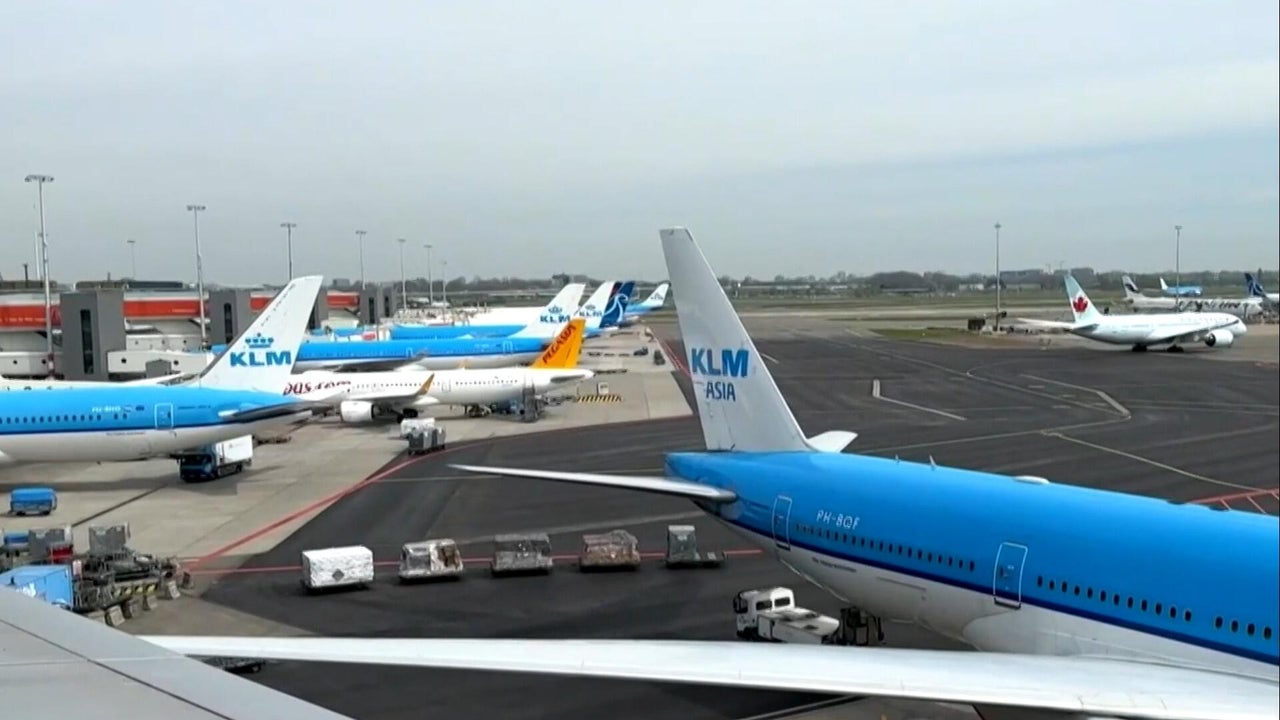
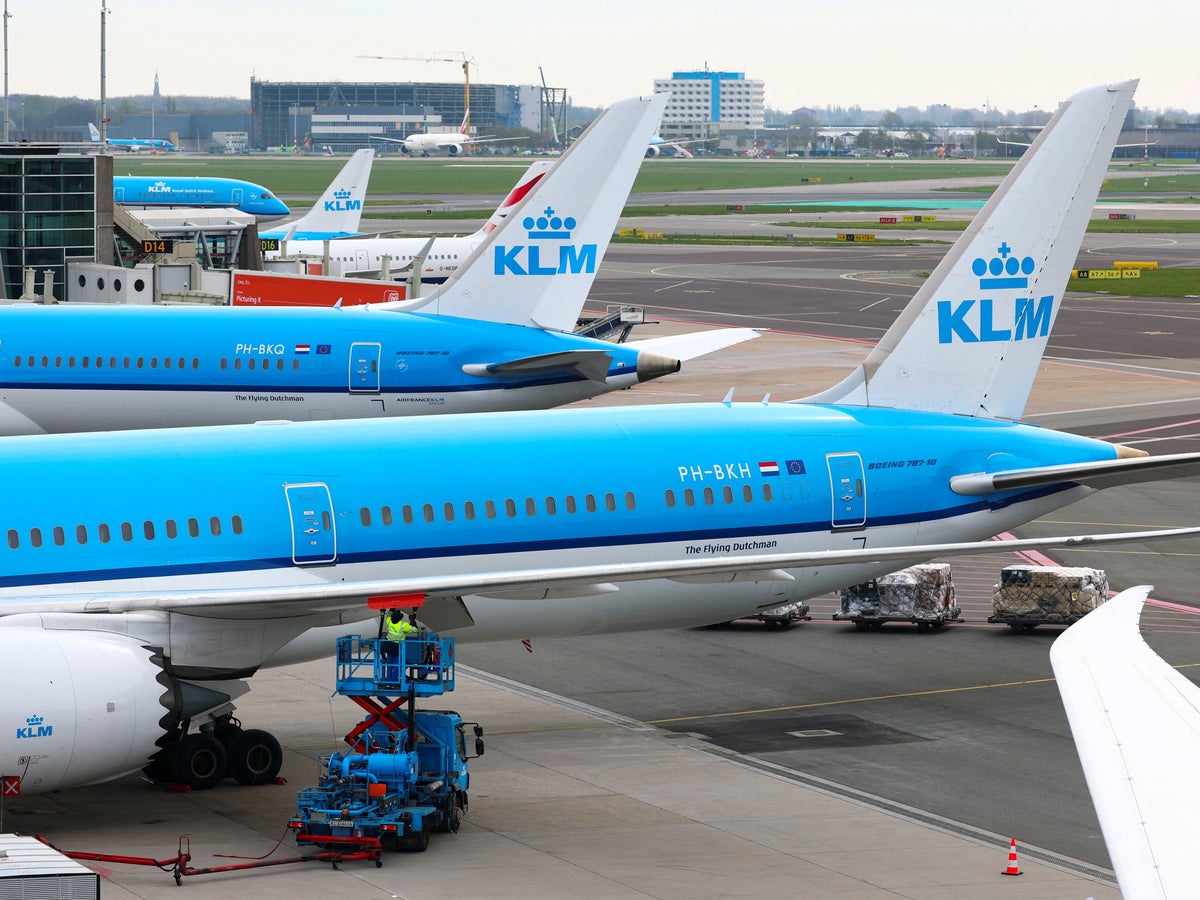
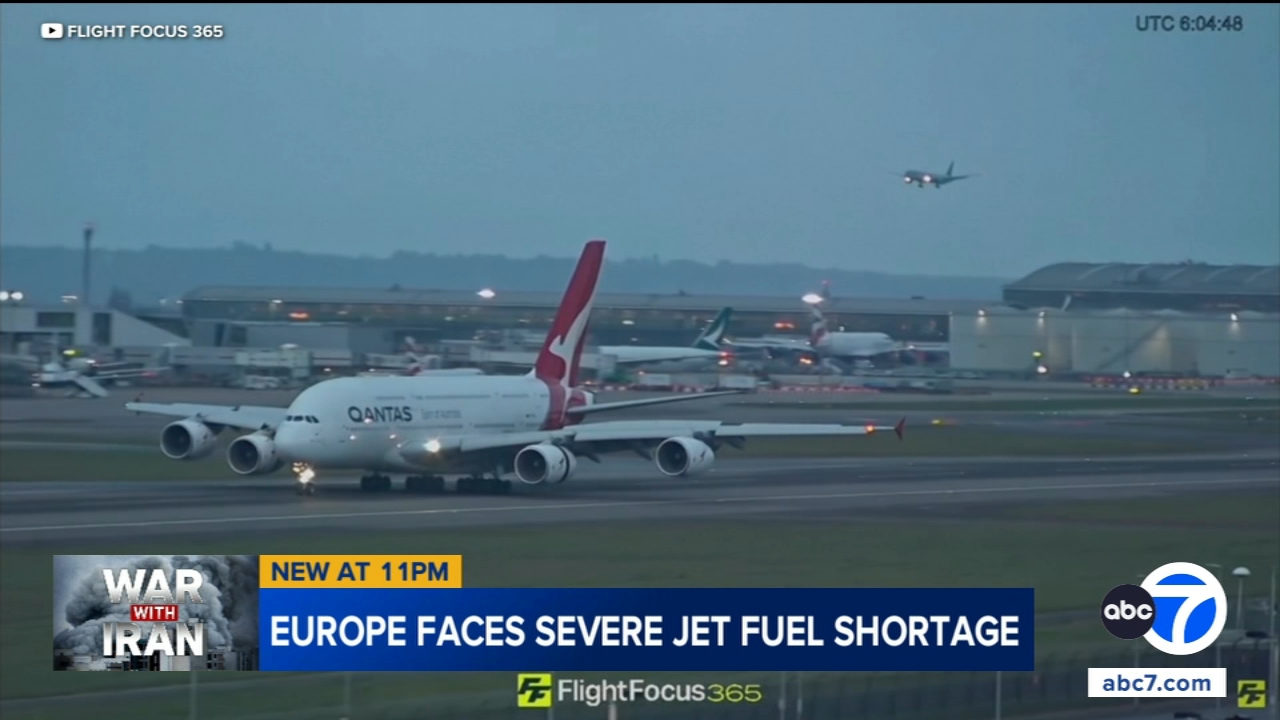
The Middle East conflict has triggered a critical jet fuel shortage affecting global air freight capacity, with direct implications for cross-border e-commerce sellers. The International Energy Agency warns Europe has only six weeks of jet fuel remaining, while jet fuel prices have doubled to nearly $200 per barrel. Major airlines including Ryanair, KLM (80 canceled flights), Lufthansa, and Scandinavian Airlines (1,000 flight cuts in April) have implemented immediate capacity reductions. Asian carriers Vietnam Airlines, Vietjet Air, and AirAsia have raised fares 30-40% and suspended domestic routes, while United Airlines projects an additional $11 billion annual jet fuel expense if prices remain elevated.
For e-commerce sellers, this creates a critical logistics cost crisis through Q2-Q3 2024. Air freight capacity reductions directly increase shipping expenses for time-sensitive goods, particularly affecting perishables, electronics, and fashion sectors relying on expedited delivery. Sellers utilizing air freight for cross-border fulfillment face higher surcharges—AirAsia implemented fuel surcharges up to $20 per ticket, while overall air freight costs have increased 30-40%. This compression directly impacts profit margins on fast-moving inventory categories where air freight represents 15-25% of total fulfillment costs. Small and medium sellers relying on air freight for Amazon FBA replenishment or Shopify fulfillment face the most acute pressure, as they lack the volume leverage of larger competitors to negotiate fixed-rate contracts.
Strategic sourcing and inventory positioning become critical competitive advantages. Sellers should immediately shift 20-30% of inventory from air freight to ocean freight (8-12 week transit) for non-urgent categories, pre-position inventory in regional fulfillment centers to reduce air freight dependency, and evaluate 3PL providers offering fixed-rate contracts locked before further price escalation. Electronics sellers should prioritize high-margin SKUs for air freight while moving commodity items to slower ocean freight. Fashion and apparel sellers face particular pressure due to seasonal inventory windows—Q2 summer inventory must ship by May to avoid June-July capacity constraints. Perishable goods sellers should consider regional sourcing strategies to reduce air freight distances and costs. The Strait of Hormuz closure risk through May-June creates a 60-day window where sellers can lock in current rates before potential further escalation. Sellers should monitor ceasefire negotiations closely, as resolution could rapidly reduce fuel prices and create margin recovery opportunities by Q3 2024.
Questions 8
How can sellers lock in fixed air freight rates before further price increases?
Contact your 3PL provider or freight forwarder immediately to negotiate fixed-rate contracts for Q2-Q3 2024 shipments. The current window is critical because jet fuel prices have doubled to nearly $200 per barrel and airlines are actively reducing capacity, creating upward pressure on rates. Request 90-day rate locks that cover your peak inventory periods—for fashion sellers, this means securing May-June rates for summer inventory; for electronics, lock in rates for Q2 replenishment cycles. Compare quotes from multiple providers including DHL, FedEx, and regional carriers, as some may have hedged fuel costs differently. Document all rate agreements in writing with clear fuel surcharge caps. The Strait of Hormuz closure risk through May-June creates a 60-day window where rates may escalate further, making immediate action essential.
What inventory positioning strategy should sellers use to minimize air freight dependency?
Implement a regional fulfillment strategy: pre-position 40-50% of inventory in regional fulfillment centers (US, EU, Asia-Pacific) using ocean freight, maintain 30-40% in primary fulfillment hubs for fast-moving SKUs, and reserve 10-20% for emergency air freight replenishment. For Amazon FBA sellers, leverage FBA's regional fulfillment network to distribute inventory across multiple warehouses, reducing reliance on single-origin air freight shipments. For Shopify sellers, partner with regional 3PL providers offering local fulfillment to reduce shipping distances and costs. Prioritize high-margin products for air freight while moving commodity items to ocean freight. Monitor inventory turnover rates in your dashboard—slower ocean freight timelines may require 15-20% higher safety stock to prevent stockouts. This strategy typically reduces overall fulfillment costs by 12-18% while maintaining acceptable delivery times for most customer segments.