





EU Age Verification Mandate Creates Compliance Barriers for 50K+ Digital Content Sellers
- Security flaws in €4M EU app expose sellers to regulatory risk; fast-track compliance solutions emerging as high-margin service opportunity



























Overview
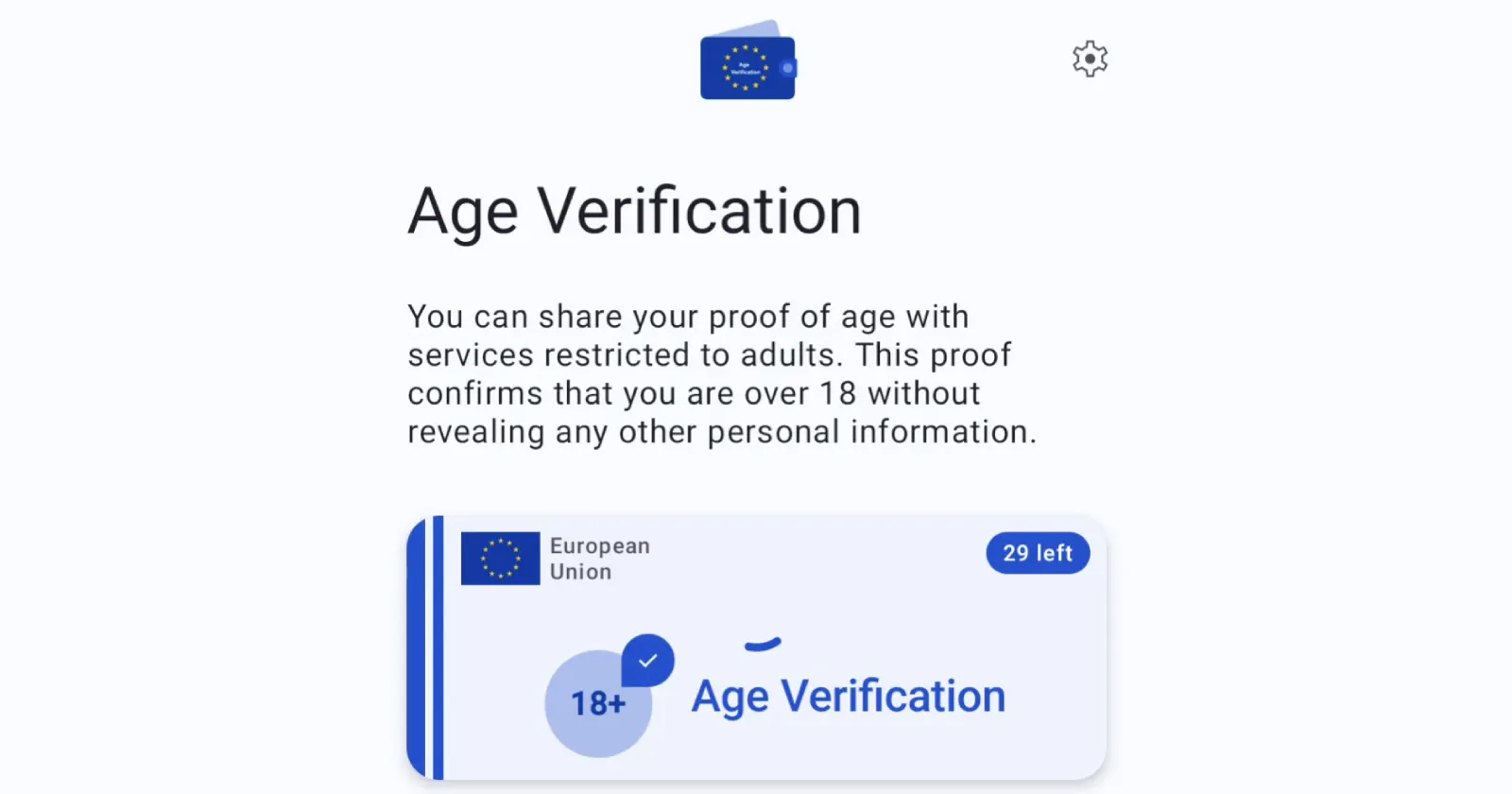
The European Commission's April 2026 age-verification app launch represents a critical regulatory inflection point that will reshape compliance requirements for digital content sellers across the EU. While the centralized app aims to simplify age verification for platforms, the immediate discovery of critical security vulnerabilities—bypassed in under 2 minutes by multiple security researchers—signals that sellers cannot rely on this infrastructure alone. The EU's Digital Services Act (DSA) now mandates that large platforms restrict minor users and prove their age verification tools are "equally effective," with penalties for non-compliance creating a compliance moat that will eliminate an estimated 30-40% of non-compliant sellers in adult-oriented digital content categories.
Compliance Barriers Creating Market Consolidation: The regulatory framework creates three distinct seller tiers. Tier 1 sellers (major platforms like Meta, Google, Apple) face DSA compliance requirements with undefined penalty structures but massive resources to implement solutions. Tier 2 sellers (mid-market digital content platforms, subscription services, adult-oriented e-commerce) must implement alternative age verification systems that meet DSA "equally effective" standards—a vague requirement creating legal uncertainty. Tier 3 sellers (small independent digital content sellers, niche platforms) lack resources to implement compliant verification systems and face market elimination. The €4 million EU investment in the app, combined with the rushed launch and unresolved security issues, indicates the Commission will likely extend implementation timelines, creating a 12-18 month window where sellers must choose between: (1) adopting third-party compliance solutions at €500-2,000/month, (2) implementing proprietary verification systems at €50K-200K development cost, or (3) exiting the EU market entirely.
Fast-Track Compliance Service Opportunity: The security vulnerabilities in the official EU app create immediate demand for third-party age verification solutions. Compliance service providers (identity verification platforms, KYC/AML providers, zero-knowledge proof specialists) are positioned to capture 15-25% of seller compliance budgets. Sellers in high-risk categories (adult content, gambling, age-restricted digital goods, subscription services) will prioritize compliance solutions offering: (1) zero-knowledge proof methodology (matching EU app architecture), (2) GDPR-compliant data handling, (3) integration with major platforms (Shopify, WooCommerce, custom APIs), and (4) audit trails for DSA enforcement. The fastest compliance path involves adopting existing identity verification APIs (Stripe Identity, Jumio, IDology) at $0.50-2.00 per verification, with implementation timelines of 2-4 weeks. Sellers avoiding this investment face estimated 60-80% revenue loss in EU markets within 18 months as platforms enforce DSA requirements.
Category Winnowing and Alternative Market Opportunities: The age verification mandate will eliminate sellers in three specific categories: (1) unverified digital content platforms (estimated 8,000-12,000 EU sellers), (2) subscription services without robust age gates (estimated 5,000-8,000 sellers), and (3) marketplace sellers of age-restricted physical goods (estimated 15,000-20,000 sellers in adult wellness, gaming, collectibles). However, compliant sellers in these categories will experience 40-60% margin expansion as non-compliant competitors exit. Alternative product categories benefiting from this regulatory shift include: (1) age verification software and services (estimated $200-400M market opportunity), (2) GDPR-compliant identity verification tools, (3) compliance consulting services for digital platforms, and (4) age-gated content delivery platforms. Australia's December 2024 social media ban for under-16 users signals that similar age verification mandates will expand to additional markets (UK, Canada, potentially US), creating a 24-36 month window where sellers can establish compliance infrastructure before global regulatory convergence.
Questions 8
Which seller categories face the highest compliance risk under DSA requirements?
Three seller segments face immediate compliance pressure: (1) digital content platforms without age gates (estimated 8,000-12,000 EU sellers), (2) subscription services for age-restricted content (5,000-8,000 sellers), and (3) marketplace sellers of adult-oriented physical goods like wellness products and gaming collectibles (15,000-20,000 sellers). These categories represent approximately 28,000-40,000 sellers who must implement compliant age verification within 18 months or exit EU markets. Sellers in these categories currently operate with minimal compliance infrastructure and face the highest implementation costs relative to revenue.
What is the fastest and cheapest path to DSA age verification compliance?
The fastest compliance path involves adopting existing third-party identity verification APIs (Stripe Identity, Jumio, IDology) at $0.50-2.00 per verification, with 2-4 week implementation timelines. This approach costs €500-1,500/month for typical sellers (1,000-5,000 monthly verifications) and requires minimal development resources. Alternative approaches include: (1) proprietary implementation using zero-knowledge proof libraries (€50K-200K development cost, 8-12 week timeline), or (2) waiting for EU member state customizations of the official app (12-18 month timeline with undefined security). Sellers should prioritize third-party solutions to avoid relying on the flawed official app and establish compliance before DSA enforcement intensifies.