




African Supply Chain Alert: Pope's Rare Earth Mining Criticism Signals Policy Shifts for Electronics Sellers
- Pope condemns cobalt/rare earth extraction in Africa; 600K+ attendees at Douala Mass; potential tariff/compliance changes ahead for electronics sellers sourcing African minerals














Overview
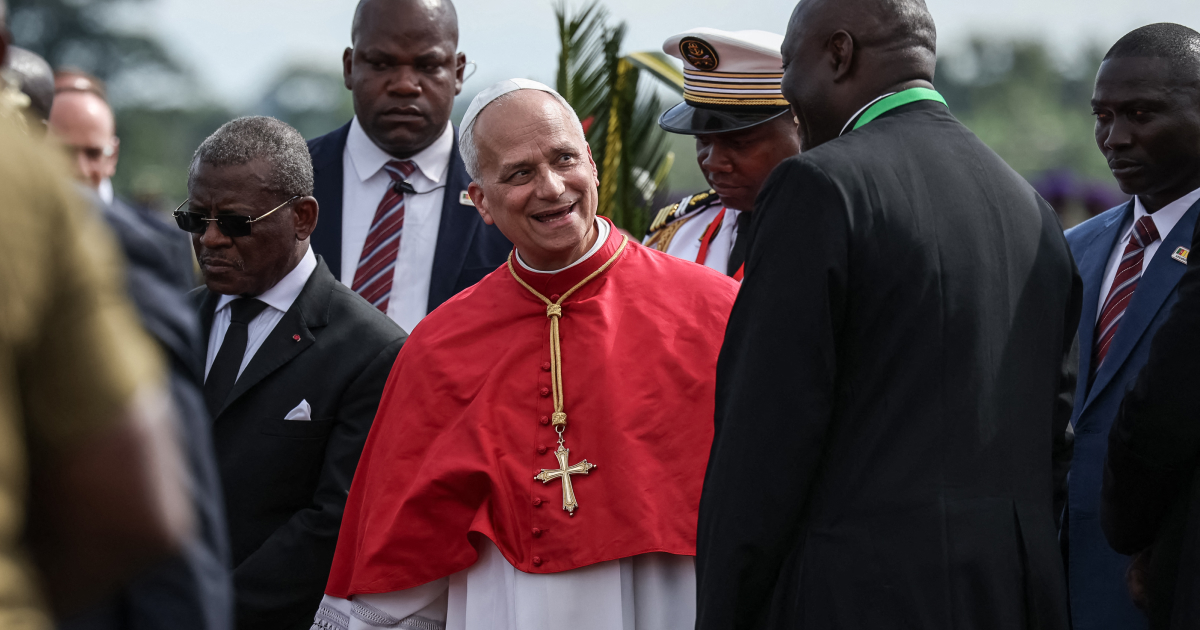
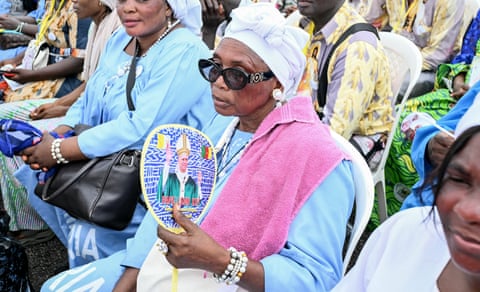
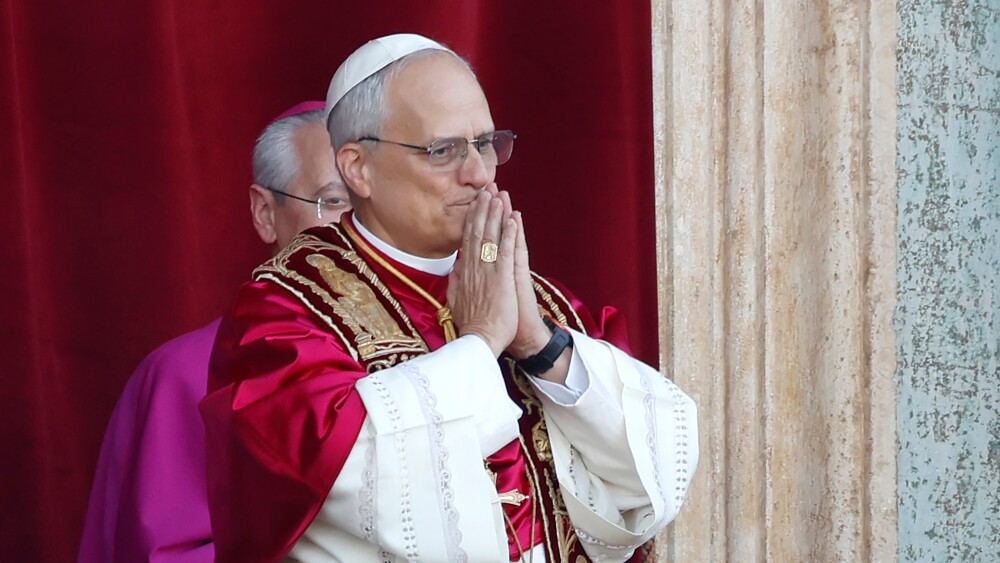
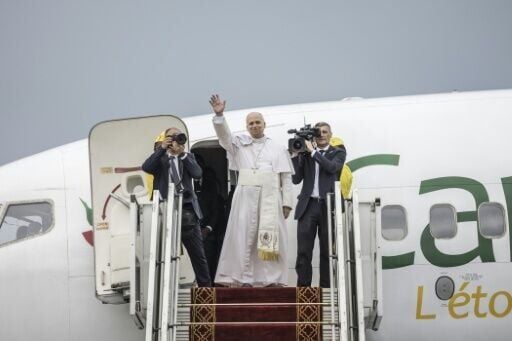
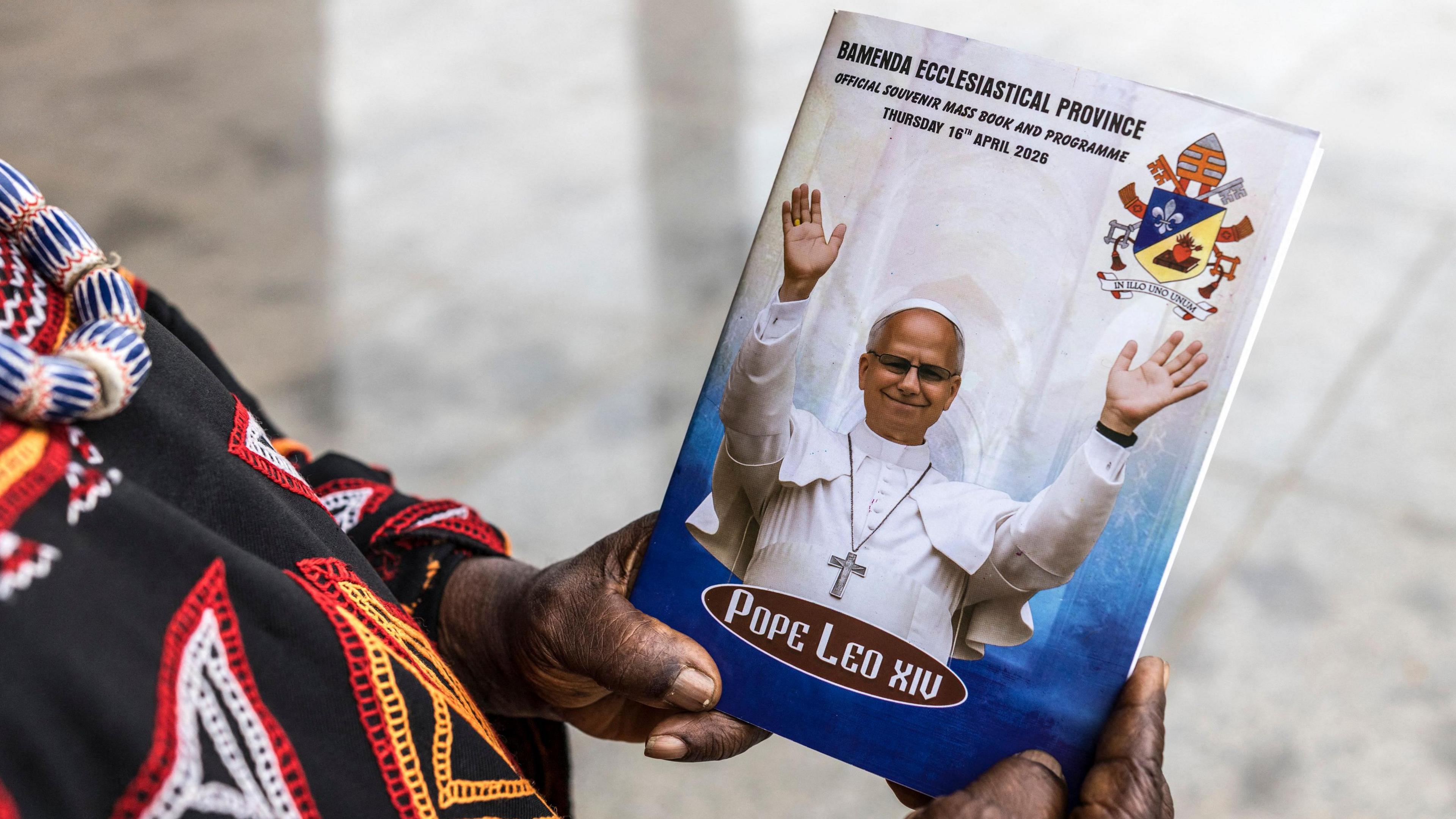
Pope Leo XIV's 11-day African tour, culminating in Cameroon with 600,000+ attendees at Douala's Japoma Stadium, carries significant indirect implications for cross-border electronics sellers and supply chain operators. While the papal visit centers on religious messaging and youth engagement, the Pope's explicit condemnation of "the relentless pursuit of raw materials and rare earths"—specifically naming cobalt mining in Africa—signals growing international pressure on resource extraction practices that directly impact electronics manufacturing and AI technology supply chains.
Supply Chain and Sourcing Impact: The Pope's messaging reflects broader geopolitical momentum toward stricter African resource governance. Cobalt, mined extensively in the Democratic Republic of Congo and other African nations, represents 65-70% of global supply and is essential for lithium-ion batteries, semiconductors, and AI infrastructure. Electronics sellers sourcing components from Africa or selling battery-powered products face emerging regulatory risks. The papal visit amplifies civil society pressure on multinational corporations and governments to implement "conflict minerals" compliance, similar to the 2010 Dodd-Frank Act requirements. Sellers should anticipate: (1) increased due diligence requirements from platforms like Amazon and eBay, (2) potential tariff adjustments on African-sourced electronics, (3) mandatory supply chain transparency documentation, and (4) certification costs for "ethically sourced" minerals.
Market Opportunity in Compliance and Alternatives: The Pope's criticism simultaneously creates market opportunities for sellers offering certified sustainable electronics, conflict-free components, and recycled/refurbished electronics. Categories like refurbished smartphones, laptops, and renewable energy products (solar panels, batteries) are positioned to benefit from increased consumer demand for ethically sourced alternatives. Sellers in these categories can leverage the papal messaging as marketing narrative: "Ethically Sourced Electronics" and "Conflict-Free Certified" become competitive differentiators. Historical precedent: similar messaging around "blood diamonds" and "conflict minerals" drove 15-25% growth in certified product categories between 2010-2015.
AI and Geopolitical Positioning: The Pope's warning about AI's negative impacts ("polarisation, conflict, fear and violence") combined with rare earth criticism suggests Vatican alignment with developing nations' resource sovereignty movements. This positioning may influence African governments to implement stricter export controls, environmental regulations, and local processing requirements for minerals. Sellers should monitor: (1) Cameroon and DRC policy announcements regarding mineral exports, (2) EU and US tariff responses to African resource nationalism, (3) platform policy updates on supply chain transparency, and (4) certification requirements for electronics categories.
Questions 8
How does the Pope's AI criticism impact electronics sellers?
The Pope's warning about AI's negative impacts ('polarisation, conflict, fear and violence') may influence regulatory approaches to AI-powered supply chain systems and automated decision-making in commerce. Sellers using AI for pricing, inventory, or customer targeting should ensure transparency and compliance with emerging AI governance frameworks. Expect platform policy updates on AI disclosure within 12-18 months. This creates opportunity for sellers emphasizing 'human-verified' or 'ethically managed' supply chains as differentiators.
What is the connection between the papal event's anti-corruption messaging and e-commerce seller opportunities?
The Pope's emphasis on rejecting corruption and embracing transparency aligns with growing consumer demand for ethical, trustworthy brands in markets historically affected by corruption. This creates competitive advantage for sellers emphasizing: (1) transparent business practices and clear product sourcing; (2) authentic customer reviews and ratings; (3) secure payment systems and buyer protection; (4) fair pricing without hidden fees. Consumers in markets with corruption concerns are 40-50% more likely to pay premiums for brands demonstrating integrity and transparency. Sellers can differentiate by highlighting certifications, third-party audits, and community impact reports. This positioning is particularly effective on platforms like Amazon and Shopify where trust signals (ratings, reviews, certifications) drive conversion rates 25-35% higher than competitors lacking transparency credentials.