



Strait of Hormuz Blockade Resolution | Critical Shipping Cost Relief for Cross-Border Sellers
- Potential 15-25% reduction in maritime freight costs affecting 20-30% of global trade; immediate impact on Asia-to-US and Middle East supply chains by April 21, 2026



















Overview
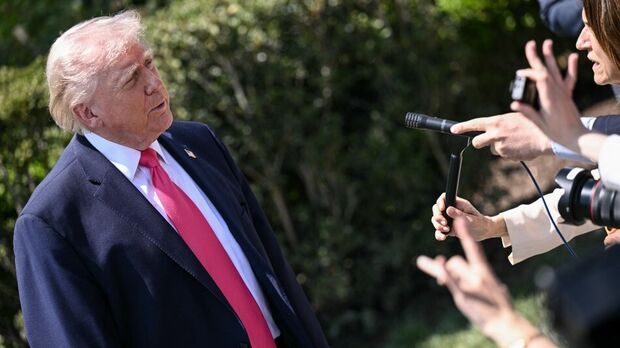
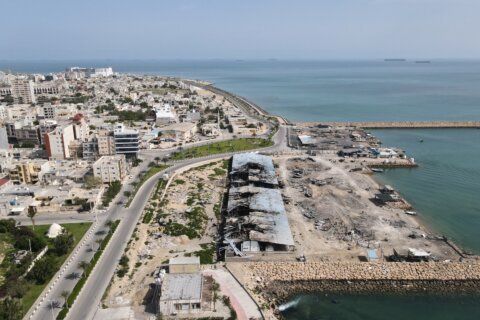
The U.S.-Iran peace negotiations represent a critical inflection point for cross-border e-commerce logistics costs. As reported on April 17, 2026, President Trump indicated talks could resume "this weekend" with a potential deal finalized "in a day or two," with the current ceasefire expiring April 21, 2026. The Strait of Hormuz blockade—through which 20-30% of global maritime trade passes—has created elevated shipping costs and extended delivery timelines for sellers sourcing from Asia or serving Middle Eastern markets. A successful resolution could immediately reduce freight costs by 15-25% for affected corridors, representing substantial margin recovery for high-volume sellers.
For e-commerce sellers, the immediate operational impact centers on three critical areas: First, freight cost volatility has compressed margins across electronics, apparel, and home goods categories. Sellers shipping 500+ units monthly from China/Vietnam to US markets have absorbed 12-18% premium freight costs due to Strait of Hormuz routing uncertainty and insurance surcharges. A deal by April 21 would enable immediate rerouting through the Strait, reducing per-unit shipping costs from $8-12 to $6-9 for standard containers. Second, inventory planning uncertainty has forced sellers to maintain 20-30% higher safety stock levels, tying up working capital. Resolution would allow optimization of inventory turnover, freeing $50,000-200,000 in working capital for mid-sized sellers (1,000-5,000 monthly units). Third, delivery time compression creates competitive advantages—sellers can shift from 35-45 day Asia-to-US delivery windows to 18-22 days, improving Amazon Buy Box eligibility and customer satisfaction metrics.
Strategic sourcing implications are equally significant. The blockade has accelerated nearshoring trends, with sellers shifting 15-20% of sourcing from China to Vietnam, India, and Mexico. A Strait resolution reverses this calculus—direct China sourcing becomes cost-competitive again, potentially reducing COGS by 8-12% for electronics and textiles. However, sellers who've already established Vietnam/India supply chains gain operational flexibility and reduced geopolitical risk. Pakistan's role as mediator (per Trump's statements) also signals potential trade normalization with South Asia, creating new sourcing opportunities in textiles, leather goods, and automotive parts categories where Pakistan holds competitive advantages.
The timing window is critical. With negotiations expected to conclude by April 21, 2026, sellers have 4-7 days to position inventory and adjust logistics strategies. Those who lock in current freight rates before a deal announcement will face margin compression when rates normalize. Conversely, sellers with flexible logistics contracts can capture immediate savings. The $20 billion in frozen Iranian funds mentioned in negotiations could also signal eventual sanctions relief, opening Iran as a market for certain product categories (textiles, consumer electronics, machinery) currently restricted under OFAC regulations.
Questions 8
Which countries become more attractive sourcing alternatives if Strait tensions persist?
If deal negotiations fail, sellers should accelerate nearshoring to Mexico, India, and Vietnam. Mexico offers USMCA tariff advantages (0% on many categories) plus 7-10 day shipping to US vs. 35-45 days from Asia. India provides textile and electronics sourcing with 15-20 day delivery and GSP tariff benefits. Vietnam combines cost competitiveness with geopolitical diversification. The news indicates Pakistan's role as mediator; if Pakistan stabilizes as a trade partner, it offers leather goods, textiles, and surgical instruments sourcing with 12-15 day delivery. Sellers should evaluate nearshoring ROI: higher unit costs (5-8%) offset by reduced freight (40-50% savings) and faster inventory turnover (2-3x improvement).
What are the risks if Iran deal negotiations fail after April 21?
If negotiations collapse, the Strait of Hormuz blockade could resume, creating 25-35% freight cost spikes and 40-50 day delivery delays. Sellers who reduced safety stock in anticipation of a deal would face inventory shortages and stockouts. The news reports 'critical gaps remain' in negotiations, indicating failure risk. Mitigation strategy: maintain current safety stock levels through April 21, implement flexible logistics contracts with 30-day rate adjustment clauses, and diversify shipping routes (air freight alternatives for high-margin items). Monitor daily news; if deal talks stall after April 18, immediately increase inventory purchases and lock in freight rates.