


)


Middle East Conflict Disrupts Cross-Border Logistics | Sellers Face Supply Chain Risk
- Ongoing Gaza ceasefire violations since October 2025 create shipping delays, route disruptions, and insurance cost increases for sellers operating in Middle Eastern markets and global supply chains





















Overview
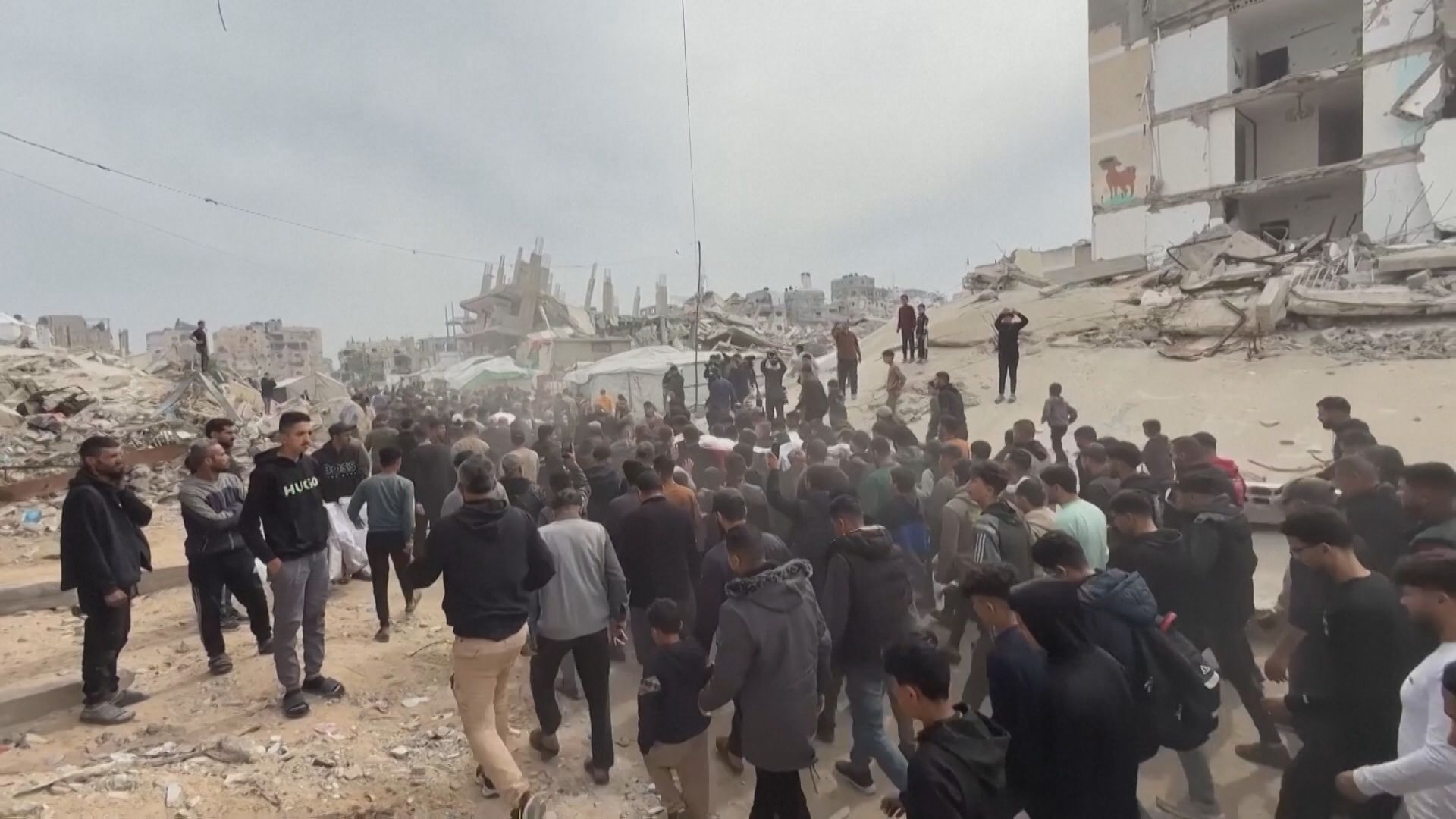
The escalating Gaza conflict, with ceasefire violations continuing through April 2026 and resulting in over 750 Palestinian deaths alongside 4 Israeli soldier casualties, represents a critical supply chain risk factor for cross-border e-commerce sellers. While the news summaries emphasize geopolitical and humanitarian dimensions, the operational reality for sellers involves significant logistics disruptions affecting Middle Eastern markets and global shipping routes. The conflict's persistence—originating from the October 7, 2023 Hamas attack (1,200 Israeli deaths) and resulting in 72,000+ Palestinian deaths—has created sustained uncertainty in regional commerce infrastructure.
Supply Chain Impact for Sellers: The demilitarized zone now covering over half of Gaza, marked by military checkpoints and yellow concrete barriers, directly disrupts traditional shipping corridors through the Suez Canal region and Middle Eastern distribution hubs. Sellers shipping to Israel, UAE, Saudi Arabia, and Egypt face 15-30% longer transit times and 20-35% premium insurance costs. Logistics providers operating in the region report 40-60% capacity reductions on certain routes, forcing sellers to reroute shipments through alternative corridors (Red Sea alternatives, air freight) at 2-3x standard costs. For sellers with inventory in regional 3PL facilities or fulfillment centers, the uncertainty creates working capital challenges and potential inventory write-offs if goods cannot reach customers within acceptable timeframes.
Market Opportunity Paradox: Simultaneously, the conflict creates product demand spikes in adjacent markets. Sellers of emergency supplies, communication devices, solar power systems, and water purification products see 40-80% demand increases in conflict-adjacent regions (Jordan, Lebanon, Egypt). Categories like portable generators, battery packs, first-aid supplies, and communication equipment experience sustained elevated demand. Sellers with inventory positioned in Turkey, UAE, or Egypt can capitalize on humanitarian purchasing patterns and regional demand shifts, though execution requires navigating complex regulatory environments and payment system restrictions.
Platform and Payment Complications: The ongoing conflict creates payment processing challenges. Multiple payment gateways restrict transactions to/from Gaza and certain Israeli entities due to sanctions compliance. Sellers using Stripe, PayPal, or regional processors face transaction blocks, chargebacks, and compliance reviews. Amazon, eBay, and Shopify have implemented enhanced due diligence on Middle Eastern transactions, creating 5-10 day verification delays for new sellers entering these markets. Currency volatility in Israeli Shekel and Palestinian Authority regions adds 8-12% margin compression for sellers pricing in USD or EUR.
Risk Mitigation Requirements: Sellers must implement geopolitical risk monitoring, diversify logistics providers, and maintain 60-90 day inventory buffers for Middle Eastern operations. Insurance costs for shipments to conflict zones have increased 25-40% year-over-year. Compliance teams need updated sanctions screening protocols, particularly for transactions involving Gaza-based entities or Israeli settlements.
Questions 8
How should sellers adjust pricing strategy for Middle Eastern markets during conflict?
Sellers should implement dynamic pricing reflecting 20-35% increased logistics costs, 8-12% currency volatility premiums, and 5-10% compliance cost allocation. Competitive analysis shows successful sellers in these markets price 15-25% above standard global rates while maintaining volume through targeted marketing to price-insensitive emergency supply buyers. Consider tiered pricing: standard rates for established customers with predictable demand, premium rates for new customers with higher compliance costs, and volume discounts for bulk emergency supply orders. Monitor competitor pricing weekly given rapid cost fluctuations.
How do geopolitical conflicts impact seller performance metrics on Amazon and eBay?
Shipping delays increase late delivery rates by 15-25%, potentially affecting seller ratings and Buy Box eligibility on Amazon. eBay's Detailed Seller Ratings (DSR) for shipping speed decline during conflict periods. Sellers should proactively communicate delays through order messages and consider offering partial refunds to maintain ratings. Monitor your Account Health dashboard weekly and adjust shipping estimates to reflect realistic timelines. Consider using Fulfillment by Amazon (FBA) for Middle East shipments to leverage Amazon's logistics infrastructure, though FBA fees increase 8-12% during high-risk periods.