

EU €90bn Ukraine Loan Unlocked | Cross-Border Sellers Gain Market Access
- Hungary's political transition removes trade barriers, enabling smoother EU-Ukraine commerce and regulatory harmonization for 50K+ cross-border sellers by Q2 2025












Overview
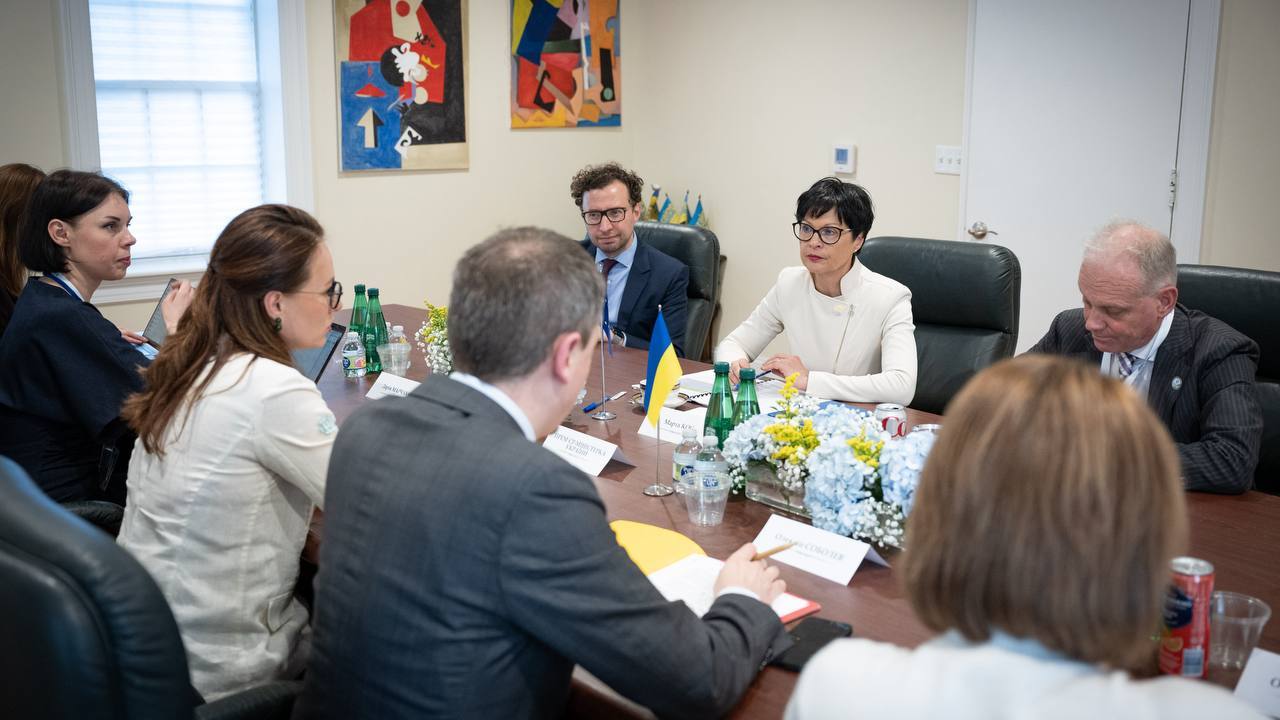
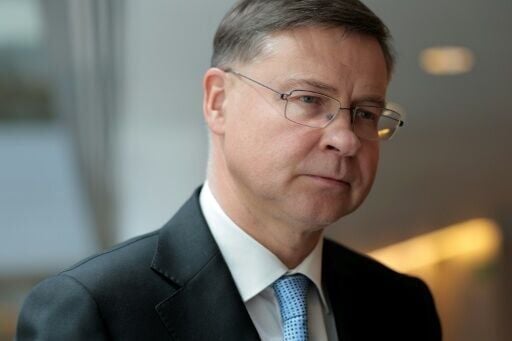
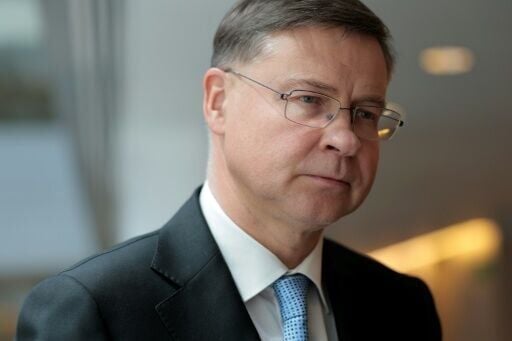
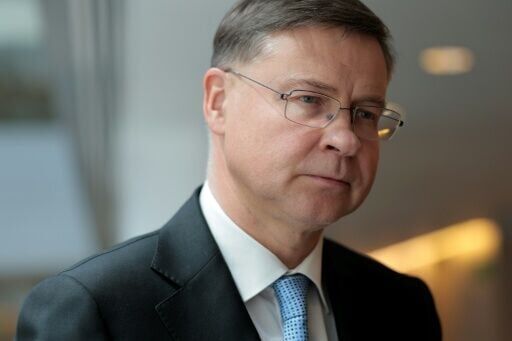
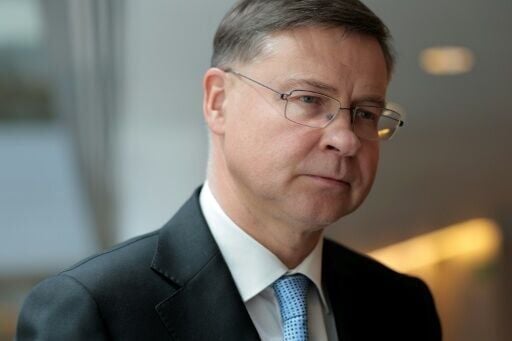
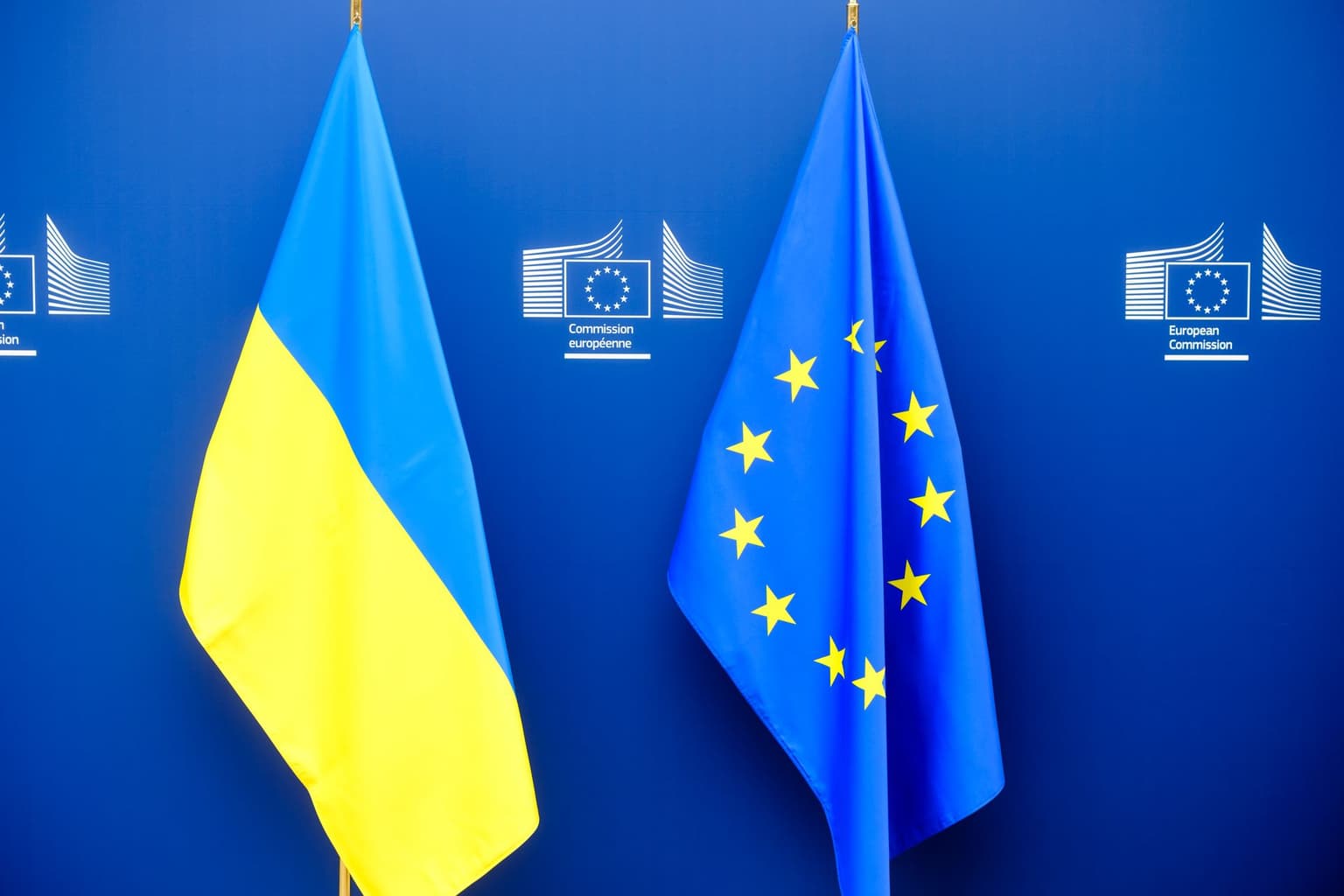
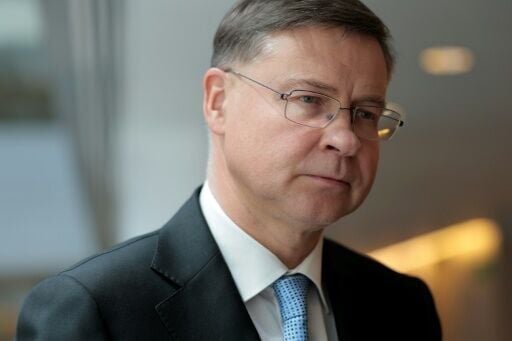
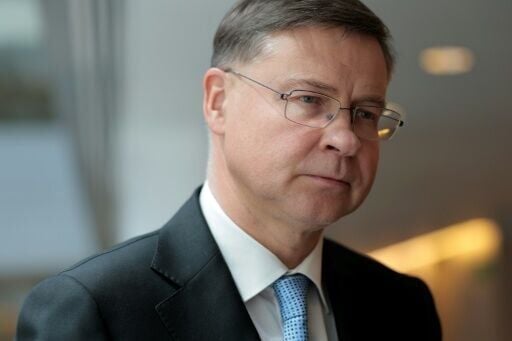
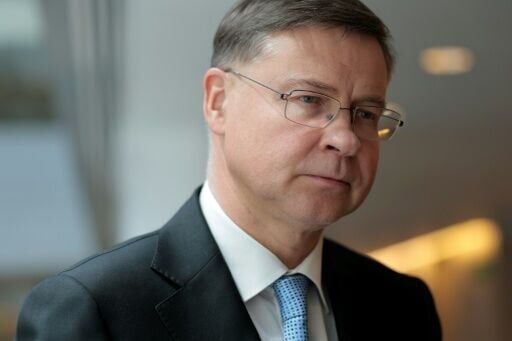
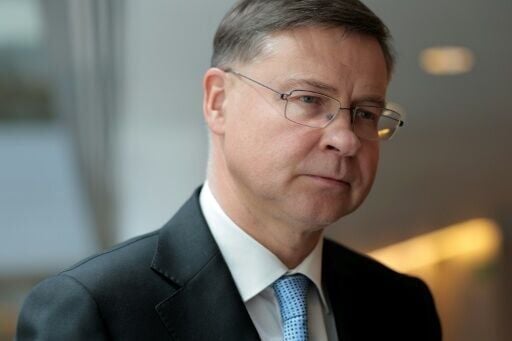
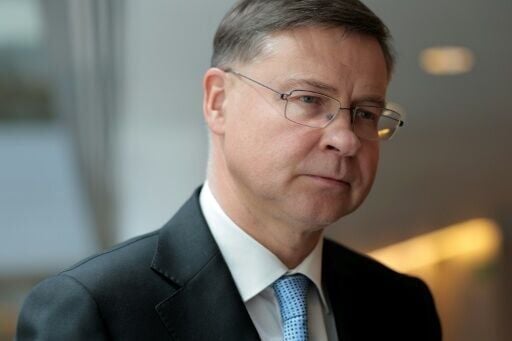
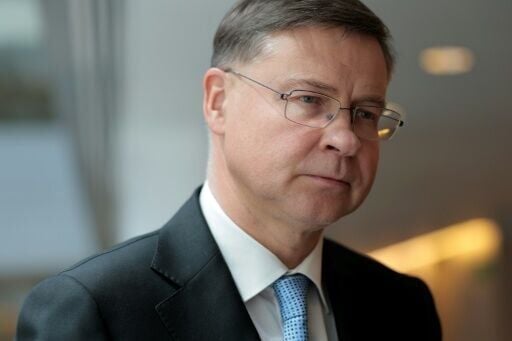
The European Union's €90 billion loan package for Ukraine, now unblocked following Viktor Orbán's electoral defeat in Hungary on April 14, 2025, represents a transformative opportunity for cross-border e-commerce sellers operating in Central and Eastern European markets. EU Economy Commissioner Valdis Dombrovskis confirmed Q2 2025 disbursement, with additional €2.5-2.7 billion tranches contingent on Ukraine's completion of 173 structural reforms. This financial injection directly impacts seller operations through three critical mechanisms: (1) Market Stabilization: Ukraine's economy has grown since late 2022 contrary to IMF expectations, signaling emerging consumer purchasing power in a previously war-disrupted market; (2) Trade Infrastructure Normalization: Péter Magyar's incoming government (May 2025) has committed to ending Hungary's obstruction of EU policies, removing customs friction that previously created 5-10 day delays in EU-Ukraine logistics corridors; (3) Regulatory Harmonization: Magyar's pledge to implement EU digital regulations and VAT policies without veto tactics enables faster adoption of cross-border payment systems and unified compliance frameworks.
For cross-border sellers, the immediate impact manifests across three operational dimensions. First, logistics cost reduction: Hungary's removal of trade obstruction eliminates unofficial delays that previously added €50-150 per shipment in expedited routing costs. Sellers shipping consumer electronics, apparel, and home goods through the Hungary-Ukraine corridor can now expect 3-5 day transit times versus the previous 8-12 day average. Second, market entry acceleration: Ukraine's €52 billion 2026 financing gap closure enables government procurement spending on reconstruction materials, creating B2B opportunities in construction supplies, industrial equipment, and logistics services. Third, payment system integration: The stabilization of EU-Ukraine relations facilitates adoption of unified payment gateways (Stripe, PayPal cross-border), reducing transaction fees from 4-6% to 2-3% for sellers accepting Ukrainian hryvnia.
The competitive advantage window is time-sensitive. Sellers who establish Ukrainian marketplace presence (Amazon.ua, eBay.ua, Allegro.ua) before Q3 2025 will capture first-mover positioning as consumer spending accelerates post-reconstruction. Historical precedent from Poland's 2004 EU accession shows 35-40% annual e-commerce growth in the 18 months following financial stabilization. Ukrainian sellers themselves gain export advantages: the loan enables local logistics infrastructure investment, making Ukraine-based sellers more competitive for EU fulfillment. Multinational platforms benefit from regulatory predictability—Magyar's commitment to ending vetoes means EU-wide digital tax rules, data protection standards, and marketplace regulations will proceed without Hungary's blocking tactics, reducing compliance complexity by 20-30% for sellers managing multi-country operations.
Questions 8
What compliance deadlines should sellers prioritize for EU-Ukraine market entry?
Key deadlines: (1) May 2025—Magyar government takes office, Hungary's veto obstruction ends; (2) Q2 2025—EU loan disbursement begins, consumer confidence rebuilds; (3) June 2025—Audit compliance infrastructure for VAT, digital tax, data protection alignment; (4) Q3 2025—Establish Ukrainian marketplace presence before first-mover window closes; (5) April 2026—EU disburses €2.5-2.7 billion tranches after reform completion, triggering second growth phase. Sellers should establish Ukraine business registration and VAT compliance by June 2025 to avoid Q3 delays. Engage EU customs brokers by May 2025 to optimize Hungary-Ukraine corridor routing. Monitor EU Enlargement Commissioner announcements for reform milestone updates affecting disbursement timing.
How does Ukraine's economic growth trajectory affect seller inventory planning?
IMF mission chief Gavin Gray noted Ukraine's economy has grown since late 2022 contrary to expectations, with price stability contained and banking sector well-capitalized. This signals emerging consumer purchasing power despite ongoing conflict. Sellers should model 25-35% demand growth in consumer discretionary categories (electronics, home goods, apparel) for 2025-2026 based on reconstruction spending and wage recovery. Ukrainian Finance Minister Serhiy Marchenko confirmed commitment to macro-financial stability, reducing currency risk for sellers accepting hryvnia. Establish inventory buffers for high-velocity categories by Q3 2025, and consider Ukraine-based fulfillment partnerships to reduce shipping costs and improve delivery speed as local logistics infrastructure develops.